




check valve with orifice Performance Analysis
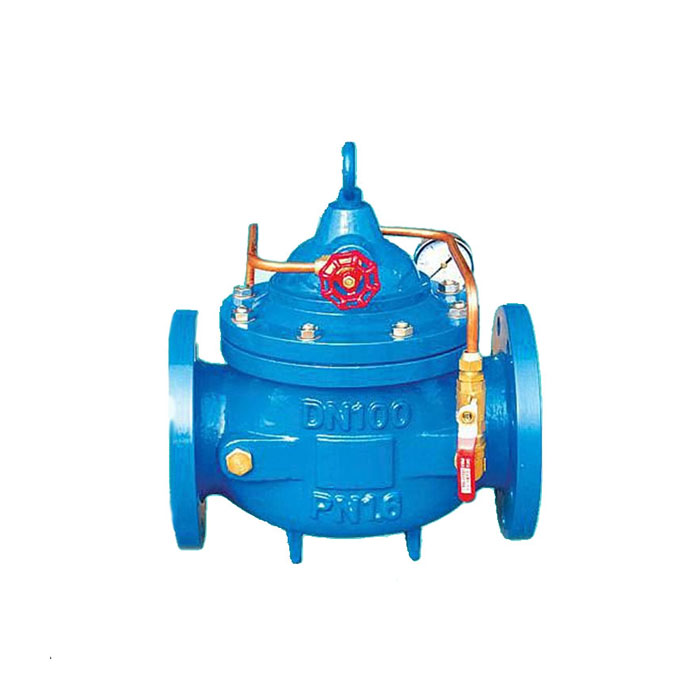
Introduction
Check valves with orifices are essential components in fluid handling systems, designed to prevent backflow while simultaneously controlling flow rate. Unlike standard check valves which offer binary operation (fully open or fully closed), the integrated orifice introduces a defined flow restriction. This functionality is critical in applications requiring precise flow control, pressure regulation, and dampening of pressure surges. Positioned within the broader industrial process chain, these valves typically follow pumps, compressors, or other pressure-generating equipment, protecting upstream components from reverse flow and modulating downstream system behavior. Core performance characteristics revolve around cracking pressure, flow coefficient (Cv) through the orifice, leak tightness, and material compatibility with the conveyed fluid. The implementation of an orifice fundamentally alters the valve's hydraulic characteristics, necessitating careful consideration during system design.
Material Science & Manufacturing
The body construction of check valves with orifices commonly utilizes materials such as ductile iron (ASTM A536), carbon steel (ASTM A105), stainless steel (304/316 – ASTM A351), and engineered polymers like PTFE or PEEK. Material selection is dictated by fluid corrosivity, operating temperature, and pressure requirements. Ductile iron offers cost-effectiveness and good tensile strength, while stainless steels provide superior corrosion resistance. The orifice itself is often manufactured from hardened alloys (e.g., 440C stainless steel, tungsten carbide) to resist erosion and wear caused by high-velocity fluid flow. The manufacturing process typically involves investment casting or precision machining to achieve the required dimensional accuracy and surface finish of the orifice. Valve seats are frequently made from elastomers like EPDM, Viton, or Buna-N, chosen for their compatibility with the fluid and ability to create a leak-tight seal. Welding processes (SMAW, GTAW) are used for metallic components, adhering to AWS D1.1 standards. Polymer components are usually injection molded, with critical parameters like melt temperature, injection pressure, and cooling rate meticulously controlled to ensure dimensional stability and material integrity. Non-destructive testing (NDT) methods, including liquid penetrant inspection and radiographic testing, are applied to verify weld quality and detect internal flaws.

Performance & Engineering
The performance of a check valve with orifice is governed by several key engineering principles. Bernoulli’s principle dictates the relationship between fluid velocity, pressure, and the orifice size. As fluid flows through the restricted orifice, its velocity increases, and its pressure decreases – this pressure drop is directly proportional to the square of the flow rate. Force analysis considers the hydrodynamic forces acting on the disc and seat, particularly during opening and closing cycles. The cracking pressure (the minimum upstream pressure required to open the valve) is a crucial parameter, determined by spring force (if applicable) and the pressure drop across the orifice. Environmental resistance is paramount; valves operating in corrosive environments require robust materials and protective coatings. Compliance requirements stem from various industry standards, including API 598 (valve inspection and testing), ASME B16.34 (valve pressure testing), and potentially specific regulations related to the conveyed fluid (e.g., FDA for food processing, EPA for environmental applications). The orifice introduces a dampening effect, reducing water hammer and pressure spikes in the system. However, this also increases the potential for cavitation if the pressure drop is excessive. Proper valve sizing is critical to avoid cavitation and ensure optimal performance. The Cv value (flow coefficient) of the orifice needs to be accurately calculated or experimentally determined to match the valve's capacity to the system's flow requirements.
Technical Specifications
| Parameter | Unit | Typical Value (Steel Body, EPDM Seat) | Typical Value (Stainless Steel Body, PTFE Seat) |
|---|---|---|---|
| Maximum Operating Pressure | PSI | 250 | 400 |
| Maximum Operating Temperature | °F | 200 | 400 |
| Orifice Diameter | inches | 0.125 | 0.25 |
| Cv (Flow Coefficient) | GPM | 1.5 | 3.0 |
| Cracking Pressure | PSI | 2-5 | 3-7 |
| Leakage Rate (Bubble Tight) | SCCM (Air) | <5 | <1 |
Failure Mode & Maintenance
Common failure modes in check valves with orifices include seat erosion due to abrasive particles in the fluid, cracking or fatigue failure of the disc, and degradation of the seat material (e.g., swelling, cracking) caused by chemical incompatibility. Erosion is particularly pronounced at the orifice, leading to increased leakage and reduced flow control accuracy. Fatigue cracking can occur in the disc or body due to cyclic pressure fluctuations. Cavitation, if present, accelerates erosion and can cause pitting corrosion. Failure analysis should focus on identifying the root cause of the failure – for example, metallurgical analysis of fractured components, chemical analysis of degraded seals, and flow rate measurements to detect cavitation. Maintenance procedures involve regular inspection of the seat and disc for wear, replacement of worn seals, and cleaning of the orifice to remove debris. Periodic testing of the valve's leakage rate and cracking pressure is recommended. Preventative maintenance programs should incorporate filtration to remove abrasive particles and ensure fluid compatibility with the valve materials. For valves operating in harsh environments, external coatings (e.g., epoxy, PTFE) can provide additional protection against corrosion. Proper lubrication of moving parts (if applicable) extends valve life and reduces friction. Adherence to manufacturer's recommendations for maintenance intervals is crucial.
Industry FAQ
Q: What is the impact of orifice size on system pressure drop?
A: Reducing the orifice size increases the pressure drop across the valve, leading to greater flow restriction and potentially more significant energy losses. Conversely, a larger orifice size reduces the pressure drop but may compromise flow control accuracy. The optimal orifice size is determined through a hydraulic analysis of the system, balancing the need for flow control with minimizing pressure loss.
Q: How does material selection affect valve life in corrosive environments?
A: Material selection is critical for longevity in corrosive environments. Stainless steels (316 in particular) and engineered polymers (PTFE, PEEK) offer superior resistance to a wide range of chemicals compared to carbon steel or ductile iron. The specific chemical compatibility of the materials with the conveyed fluid must be verified before installation. Protective coatings can also extend valve life.
Q: What are the key differences between spring-loaded and gravity-seated check valves with orifices?
A: Spring-loaded valves provide a more consistent and predictable cracking pressure, making them suitable for applications requiring precise flow control. Gravity-seated valves rely on the weight of the disc to close, resulting in a lower cracking pressure and potentially less precise control. Spring-loaded valves are generally more resistant to water hammer.
Q: How do you prevent cavitation in a check valve with an orifice?
A: Preventing cavitation requires careful valve sizing to avoid excessive pressure drops across the orifice. Ensuring sufficient upstream pressure and minimizing flow restrictions are also crucial. In some cases, using a valve with a larger orifice or a different valve type may be necessary.
Q: What are the recommended testing procedures for verifying valve performance after maintenance?
A: After maintenance, testing should include a leakage test to verify seat tightness, a cracking pressure test to confirm proper operation, and a visual inspection of the orifice for damage or debris. Hydrostatic testing according to API 598 is recommended to ensure the valve can withstand the specified operating pressure.
Conclusion
Check valves with orifices represent a sophisticated solution for fluid control, offering a balance between backflow prevention and flow regulation. Their design and material selection are deeply rooted in principles of fluid mechanics, material science, and manufacturing engineering. Understanding the intricacies of orifice size, pressure drop, material compatibility, and potential failure modes is paramount for ensuring reliable and efficient operation.
Proper application of these valves, coupled with diligent maintenance and adherence to industry standards, maximizes their lifespan and optimizes system performance. Future advancements may focus on incorporating smart materials and sensor technologies to enable real-time monitoring of valve condition and proactive maintenance scheduling, further enhancing their utility in complex industrial processes.
-
Top Reasons to Choose a Stainless Steel Flange Check Valve for Industrial Applications
-
check valve with orifice Performance Analysis
-
check valve 8 inch Performance Analysis
-
1 1 2 inch check valve Performance Analysis
-
cast iron check valves Performance Analysis
-
teejet check valves Performance Analysis
-
teejet check valve Performance Analysis
-
8 inch check valve Performance Analysis
-
wafer style check valves Performance Analysis
-
3 4 spring check valve Performance Analysis
-
butterfly check valves Performance Analysis
-
electric check valve Performance Engineering
-
electric check valves Performance Analysis
-
Threaded Check Valves Performance Analysis
-
6 inch check valve Performance Analysis
 Afrikaans
 Albanian
 Amharic
 Arabic
 Armenian
 Azerbaijani
 Basque
 Belarusian
 Bengali
 Bosnian
 Bulgarian
 Catalan
 Cebuano
 Corsican
 Croatian
 Czech
Czech
 Danish
 Dutch
Dutch
 Esperanto
 Estonian
 Finnish
 French
 Frisian
 Galician
 Georgian
 German
 Greek
Greek
 Gujarati
 Haitian Creole
 Hausa
Hawaiian
Hausa
Hawaiian
 Hebrew
 Hindi
Hindi
 Miao
Miao
 Hungarian
 Icelandic
 Igbo
Igbo
 Indonesian
 Irish
Irish
 Italian
 Japanese
 Javanese
Kannada
Javanese
Kannada
 Kazakh
 Khmer
Khmer
 Rwandese
 Korean
 Kurdish
 Kyrgyz
 Lao
Lao
 Latin
Latin
 Latvian
 Lithuanian
 Luxembourgish
 Macedonian
 Malgashi
 Malay
Malay
 Malayalam
 Maltese
 Maori
Maori
 Marathi
 Mongolian
 Myanmar
 Nepali
 Norwegian
 Norwegian
 Occitan
 Pashto
 Persian
 Polish
 Portuguese
Punjabi
Portuguese
Punjabi
 Romanian
 Russian
 Samoan
 Scottish Gaelic
 Serbian
 Sesotho
 Shona
Shona
 Sindhi
 Sinhala
 Slovak
 Slovenian
 Somali
 Spanish
 Sundanese
 Swahili
 Swedish
Tagalog
Swedish
Tagalog
 Tajik
Tajik
 Tamil
Tamil
 Tatar
Tatar
 Telugu
 Thai
Thai
 Turkish
 Turkmen
 Ukrainian
 Urdu
Urdu
 Uighur
 Uzbek
Uzbek
 Vietnamese
 Welsh
Welsh
 Bantu
Bantu
 Yiddish
 Yoruba
 Zulu
Zulu
 English