




teejet check valves Performance Analysis
Introduction
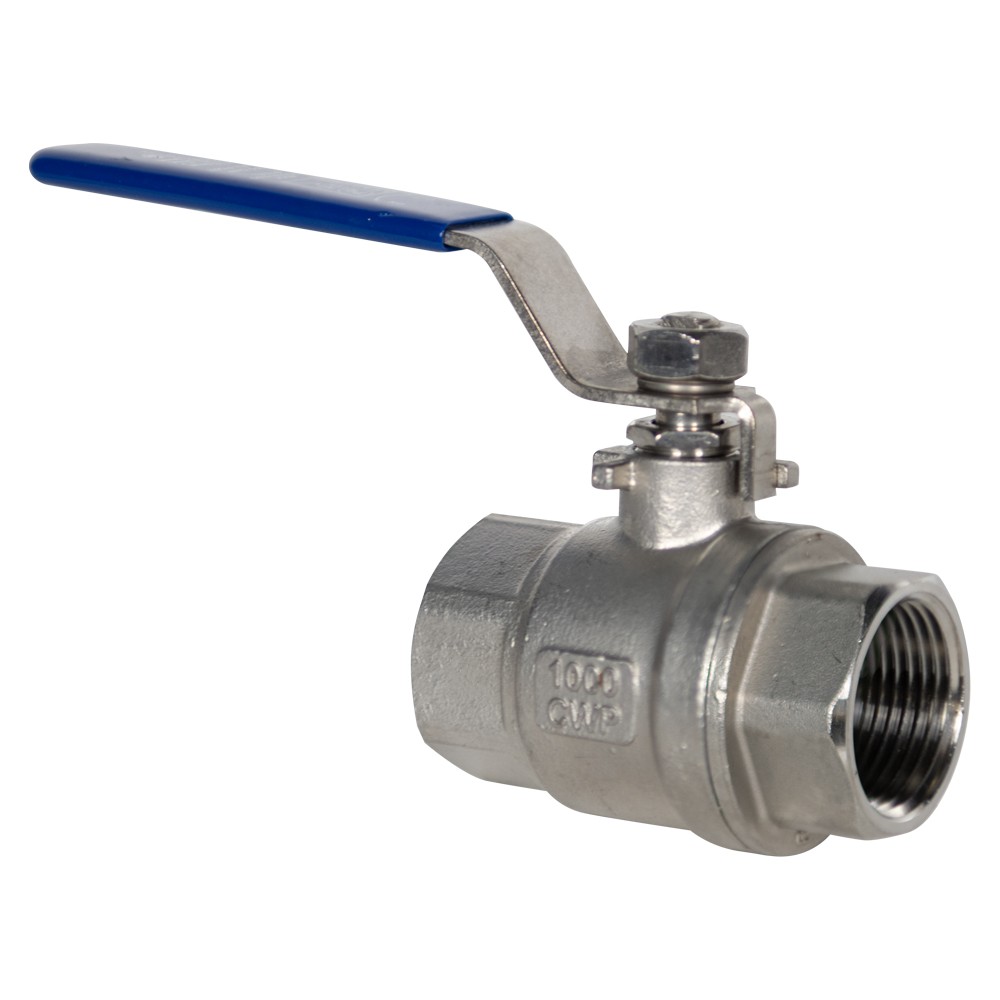
TeeJet check valves are critical components in fluid handling systems, particularly within agricultural spraying, irrigation, and industrial applications. Their primary function is to prevent backflow, ensuring unidirectional fluid movement and protecting sensitive equipment like pumps, nozzles, and metering devices from contamination and damage. These valves, typically small in stature, play a disproportionately large role in maintaining system efficiency and accuracy. Positioned within the industry chain, TeeJet check valves represent a relatively low-cost but essential element, acting as a safeguard against costly system failures and ensuring the integrity of applied substances. Core performance characteristics revolve around minimal pressure drop, rapid response time, chemical compatibility with various fluids, and long-term durability under cyclical operation. Addressing a key industry pain point – the prevention of chemical re-entry into supply tanks and the associated risk of nozzle clogging and inaccurate application rates – TeeJet check valves represent a pragmatic solution for maintaining operational reliability.
Material Science & Manufacturing
TeeJet check valves are commonly manufactured from a variety of polymers and elastomers, selected based on fluid compatibility and application requirements. Acetal (polyoxymethylene) is frequently employed for the valve body due to its excellent chemical resistance to many agricultural chemicals, good dimensional stability, and low friction coefficient. However, prolonged exposure to strong acids or bases can lead to degradation. Elastomeric seals, often Viton (fluoroelastomer) or EPDM (ethylene propylene diene monomer rubber), are crucial for maintaining a leak-tight seal. Viton offers superior resistance to a wider range of chemicals, including solvents and oils, while EPDM is generally more cost-effective and exhibits good resistance to water, steam, and weathering.
The manufacturing process typically involves injection molding for the valve body, ensuring tight tolerances and consistent dimensions. Critical parameters during injection molding include melt temperature, mold temperature, injection pressure, and cooling rate. Deviation from optimal parameters can result in warping, sink marks, or incomplete filling. The elastomeric seals are often molded separately and then assembled into the valve body. Valve spring materials are commonly spring steel, selected for its fatigue resistance and ability to maintain consistent force over numerous cycles. The spring undergoes coiling, heat treatment for temper, and quality control inspection to meet specified force and dimensional requirements. Post-assembly, valves undergo rigorous pressure testing to verify leak-free operation and functional integrity. Quality control also includes visual inspection for defects and dimensional verification using calibrated instruments. The selection of materials is governed by compatibility tables defining chemical resistance, permeation rates, and material degradation under specific exposure conditions.
Performance & Engineering
The performance of a TeeJet check valve is dictated by its cracking pressure (the pressure at which the valve opens), flow coefficient (Cv), and response time. Cracking pressure must be sufficiently low to allow fluid flow at operating pressures but high enough to prevent unwanted opening due to pressure fluctuations. The valve's internal geometry, specifically the seat design and the spring force, directly influence cracking pressure. A thorough force analysis determines the relationship between spring force, fluid pressure, and valve seat closure. The Cv value, determined through standardized testing methods (e.g., ANSI/FM 502), quantifies the valve's capacity to pass fluid with minimal pressure drop. A higher Cv indicates greater flow capacity. Response time – the speed at which the valve opens and closes – is critical in applications requiring precise fluid control, such as pulse-width modulation (PWM) spraying systems.
Environmental resistance is a significant engineering consideration. Prolonged exposure to ultraviolet (UV) radiation, particularly in outdoor applications, can degrade polymeric materials, leading to embrittlement and cracking. Adding UV stabilizers to the polymer formulation mitigates this risk. Temperature fluctuations can also affect valve performance, altering material properties and potentially causing seal deformation. Compliance requirements, such as those stipulated by the EPA regarding pesticide application, necessitate the use of chemically resistant materials that prevent contamination and ensure accurate dosing. Functional implementation relies on proper valve orientation (typically with the spring facing upwards to minimize wear) and adequate filtration to prevent particulate matter from lodging within the valve seat, which could compromise sealing performance. Understanding fluid dynamics, specifically Bernoulli's principle and the concept of pressure drop, is crucial for optimal valve selection and system design.
Technical Specifications
| Parameter | Unit | Typical Value (Acetal Body, Viton Seal) | Typical Value (Polypropylene Body, EPDM Seal) |
|---|---|---|---|
| Maximum Pressure | psi | 120 | 60 |
| Cracking Pressure | psi | 3-5 | 2-4 |
| Flow Coefficient (Cv) | GPM | 0.8 | 0.5 |
| Temperature Range | °F | 32-150 | 32-180 |
| Chemical Compatibility | - | Excellent with most agricultural chemicals | Good with water, mild solutions |
| Port Size | in | 1/4" NPT | 1/4" NPT |
Failure Mode & Maintenance
TeeJet check valves are susceptible to several failure modes, including seat deformation, seal failure, spring fatigue, and blockage by particulate matter. Seat deformation can occur due to excessive pressure, mechanical shock, or prolonged exposure to high temperatures. This results in leakage and reduced valve efficiency. Seal failure, manifesting as swelling, cracking, or loss of elasticity, is often caused by chemical incompatibility or excessive temperature variations. Spring fatigue, stemming from repeated cyclical loading, can lead to a reduction in spring force and delayed valve closure. Blockage by sediment, scale, or debris prevents proper valve operation, resulting in either complete obstruction or intermittent flow.
Preventative maintenance is crucial for extending valve lifespan and ensuring reliable performance. Regular inspection for cracks, swelling, or discoloration of the valve body and seals is recommended. Periodic flushing of the system to remove particulate matter prevents blockage. If chemical compatibility is a concern, periodic replacement of seals with materials appropriate for the specific fluid being handled is advised. In cases of persistent leakage, disassembly and inspection of the valve seat and seal are necessary. If the seat is damaged, the valve must be replaced. Spring fatigue can be detected by measuring the spring length and comparing it to the original specifications. Proper storage of valves in a cool, dry environment protects them from UV degradation and premature failure. Applying a thread sealant compatible with the valve materials during installation ensures leak-free connections.
Industry FAQ
Q: What is the impact of using a check valve with an incorrect cracking pressure for a PWM spraying system?
A: Using a check valve with a cracking pressure that is too high will hinder the responsiveness of the PWM system, leading to delayed nozzle activation and inaccurate application rates. Conversely, a cracking pressure that is too low may cause unwanted dripping or inconsistent flow. The ideal cracking pressure should be carefully matched to the system's operating pressure and PWM frequency.
Q: How do I select the appropriate check valve material for a specific herbicide?
A: Consult a chemical compatibility chart that details the resistance of various polymers and elastomers to different herbicides. Viton generally provides broader chemical resistance than EPDM, but it is more expensive. Carefully consider the specific herbicide formulation and its concentration before making a material selection.
Q: What are the consequences of installing a check valve backwards?
A: Installing a check valve backwards will prevent proper fluid flow and potentially damage the valve. The spring-loaded poppet must be positioned to allow unidirectional flow. This will usually cause a complete blockage of the fluid path.
Q: How can I diagnose a partially blocked check valve?
A: A partially blocked check valve may exhibit reduced flow rate, fluctuating pressure readings, and inconsistent spray patterns. Disassembly and visual inspection of the valve seat and internal components can confirm the presence of blockage.
Q: What is the typical lifespan of a TeeJet check valve under normal operating conditions?
A: Under normal operating conditions – appropriate chemical compatibility, proper filtration, and moderate temperature fluctuations – a TeeJet check valve can typically last for several seasons (2-5 years). However, lifespan can be significantly reduced by harsh chemical exposure, abrasive particles, or extreme temperatures.
Conclusion
TeeJet check valves, despite their seemingly simple construction, are indispensable components in maintaining the integrity and efficiency of fluid handling systems. Their selection and application require a nuanced understanding of material science, fluid dynamics, and industry-specific performance requirements. By carefully considering factors such as chemical compatibility, cracking pressure, and flow coefficient, users can mitigate the risk of system failures and ensure accurate fluid delivery.
Moving forward, advancements in valve materials and manufacturing techniques will likely focus on enhancing chemical resistance, reducing pressure drop, and extending service life. Integration of smart valve technologies – incorporating sensors for pressure monitoring and flow measurement – could provide real-time data for predictive maintenance and system optimization. Ultimately, the continued evolution of TeeJet check valves will play a critical role in advancing the precision and sustainability of agricultural, industrial, and irrigation practices.
-
Top Reasons to Choose a Stainless Steel Flange Check Valve for Industrial Applications
-
check valve with orifice Performance Analysis
-
check valve 8 inch Performance Analysis
-
1 1 2 inch check valve Performance Analysis
-
cast iron check valves Performance Analysis
-
teejet check valves Performance Analysis
-
teejet check valve Performance Analysis
-
8 inch check valve Performance Analysis
-
wafer style check valves Performance Analysis
-
3 4 spring check valve Performance Analysis
-
butterfly check valves Performance Analysis
-
electric check valve Performance Engineering
-
electric check valves Performance Analysis
-
Threaded Check Valves Performance Analysis
-
6 inch check valve Performance Analysis
 Afrikaans
 Albanian
 Amharic
 Arabic
 Armenian
 Azerbaijani
 Basque
 Belarusian
 Bengali
 Bosnian
 Bulgarian
 Catalan
 Cebuano
 Corsican
 Croatian
 Czech
Czech
 Danish
 Dutch
Dutch
 Esperanto
 Estonian
 Finnish
 French
 Frisian
 Galician
 Georgian
 German
 Greek
Greek
 Gujarati
 Haitian Creole
 Hausa
Hawaiian
Hausa
Hawaiian
 Hebrew
 Hindi
Hindi
 Miao
Miao
 Hungarian
 Icelandic
 Igbo
Igbo
 Indonesian
 Irish
Irish
 Italian
 Japanese
 Javanese
Kannada
Javanese
Kannada
 Kazakh
 Khmer
Khmer
 Rwandese
 Korean
 Kurdish
 Kyrgyz
 Lao
Lao
 Latin
Latin
 Latvian
 Lithuanian
 Luxembourgish
 Macedonian
 Malgashi
 Malay
Malay
 Malayalam
 Maltese
 Maori
Maori
 Marathi
 Mongolian
 Myanmar
 Nepali
 Norwegian
 Norwegian
 Occitan
 Pashto
 Persian
 Polish
 Portuguese
Punjabi
Portuguese
Punjabi
 Romanian
 Russian
 Samoan
 Scottish Gaelic
 Serbian
 Sesotho
 Shona
Shona
 Sindhi
 Sinhala
 Slovak
 Slovenian
 Somali
 Spanish
 Sundanese
 Swahili
 Swedish
Tagalog
Swedish
Tagalog
 Tajik
Tajik
 Tamil
Tamil
 Tatar
Tatar
 Telugu
 Thai
Thai
 Turkish
 Turkmen
 Ukrainian
 Urdu
Urdu
 Uighur
 Uzbek
Uzbek
 Vietnamese
 Welsh
Welsh
 Bantu
Bantu
 Yiddish
 Yoruba
 Zulu
Zulu
 English