




wafer style check valve Performance Analysis
Introduction
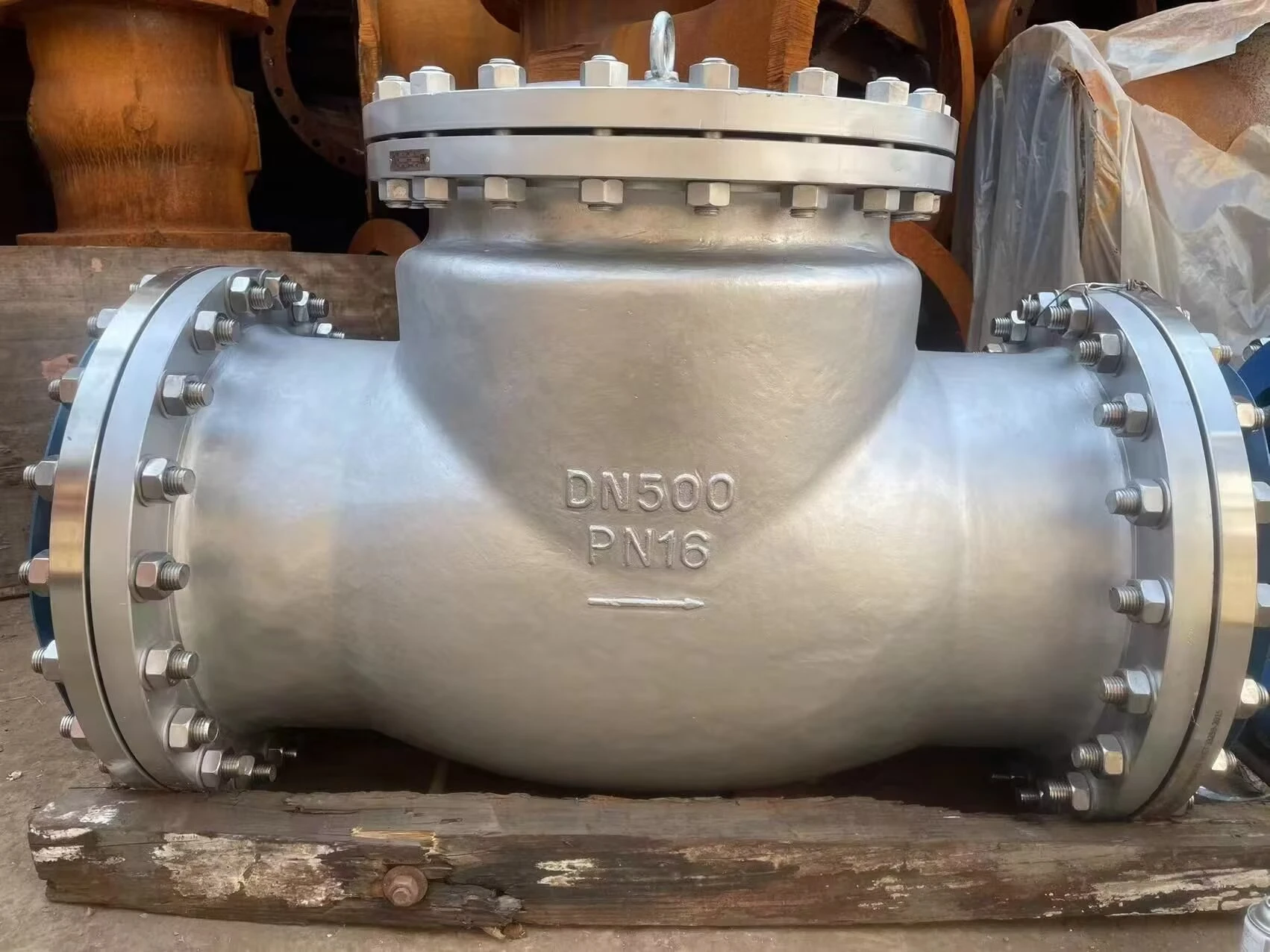
Wafer style check valves are integral components in fluid handling systems, designed to prevent backflow in pipelines. Positioned between pipeline sections, they are characterized by their compact design, facilitating installation within constrained spaces and minimizing pressure drop. Unlike swing or lift check valves, wafer-type valves are typically installed between two flanges, utilizing the pipe’s existing bolting arrangement. Their construction often involves a disc, spring mechanism, and a resilient seat, enabling automatic operation based on differential pressure. This guide details the material science, manufacturing processes, performance characteristics, failure modes, and relevant industry standards associated with wafer style check valves, targeting engineers, procurement managers, and maintenance personnel within process industries such as chemical processing, water treatment, and oil & gas.
Material Science & Manufacturing
The performance and longevity of a wafer style check valve are fundamentally linked to the materials employed in its construction. Valve bodies are commonly fabricated from ductile iron (ASTM A536 Grade 65-45-12), stainless steel (304/316 – ASTM A351), or engineered polymers like PTFE or PEEK, selected based on fluid compatibility and operating temperature. The internal disc, responsible for flow control, is frequently manufactured from stainless steel (304/316) or alloys offering superior corrosion resistance. The seat material, critical for achieving a leak-tight seal, is typically composed of elastomers such as EPDM, Viton, or PTFE, chosen for their chemical inertness and resilience. Spring materials used to assist disc closure are commonly high-grade stainless steel (316) for durability and resistance to corrosion.
Manufacturing processes vary depending on the chosen materials. Ductile iron bodies are produced through sand casting, followed by machining to achieve precise dimensional tolerances. Stainless steel components often undergo investment casting or forging, prioritizing structural integrity. Polymer components are usually manufactured using injection molding, ensuring consistent shape and density. Critical parameters during manufacturing include surface finish of the disc and seat (Ra < 0.8µm for optimal sealing), dimensional accuracy of the valve body and disc to ensure proper alignment within the flange, and heat treatment of metal components to enhance hardness and prevent premature failure. The welding processes employed, if any, require qualification under ASME Section IX to ensure weld integrity and prevent porosity or cracking. Post-manufacturing, valves undergo rigorous hydrostatic testing (API 598) to verify leak tightness and structural soundness under pressure.

Performance & Engineering
The performance of wafer style check valves is dictated by factors including flow coefficient (Cv), pressure drop, leakage rate, and operational temperature range. Flow coefficient is determined through empirical testing (ISO 5208) and represents the valve's capacity to pass fluid at a given pressure drop. Minimizing pressure drop is crucial to reducing energy consumption and improving system efficiency; wafer style valves inherently offer lower pressure drop compared to swing check valves due to their streamlined design. Leakage rate, expressed as a percentage of full flow, is a critical parameter, particularly in applications requiring strict containment. Valves are designed to meet industry standards for leakage (e.g., Bubble-tight shutoff – ANSI/FCI 70-2).
Engineering considerations encompass fluid dynamics and stress analysis. The disc's geometry and spring force are optimized to ensure rapid closure and prevent water hammer, a phenomenon caused by sudden changes in flow velocity. Finite Element Analysis (FEA) is commonly employed to assess stress distribution within the valve body under various pressure and temperature conditions, ensuring structural integrity. Material selection also influences performance; for example, in high-temperature applications, materials with high creep resistance and thermal stability are essential. Compliance requirements, such as adherence to NSF/ANSI 61 for potable water applications and ATEX directives for explosive environments, further dictate design and material choices. Consideration must also be given to the potential for cavitation and erosion, particularly in applications involving high fluid velocities and suspended solids.
Technical Specifications
| Parameter | Specification (Typical) | Testing Standard | Material |
|---|---|---|---|
| Maximum Working Pressure | 250 PSI (17.2 bar) | API 598 | Ductile Iron/Stainless Steel |
| Temperature Range | -20°C to 180°C (-4°F to 356°F) | ISO 5208 | Varies based on seat material |
| Connection Type | Wafer (Between Flanges) | ANSI B16.5 | N/A |
| Leakage Rate | Bubble-tight (0% leakage) | ANSI/FCI 70-2 | EPDM/Viton/PTFE |
| Flow Coefficient (Cv) | 5 – 500 (Varies by size) | ISO 5208 | N/A |
| Body Material | Ductile Iron, 304/316 Stainless Steel | ASTM A536, ASTM A351 | Ductile Iron/Stainless Steel |
Failure Mode & Maintenance
Wafer style check valves, while robust, are susceptible to various failure modes. Fatigue cracking around the disc hinge point can occur due to repeated cyclical loading, especially in applications with frequent flow reversals. Delamination of the seat material can lead to leakage, often accelerated by aggressive media or exceeding temperature limits. Corrosion, particularly in environments containing chlorides or sulfides, can compromise the valve body and disc. Erosion from suspended solids can damage the seat and disc, increasing leakage. Oxidation of metallic components can lead to seizing or reduced spring force.
Preventive maintenance is critical for extending valve lifespan. Regular inspection (every 6-12 months) should focus on visual assessment for corrosion, erosion, and seat damage. Periodic testing of leakage rate is recommended. Lubrication of the disc hinge point may be necessary, depending on the valve design and operating conditions. If leakage is detected, the seat should be replaced. In cases of severe corrosion or cracking, the entire valve assembly may require replacement. Proper storage during periods of inactivity is essential to prevent corrosion; valves should be stored in a dry, climate-controlled environment. Adherence to manufacturer's recommended maintenance procedures is paramount to ensuring optimal performance and reliability. Record keeping of inspections, maintenance performed, and any replacements is also important for tracking valve history and predicting future maintenance needs.
Industry FAQ
Q: What are the primary differences between a wafer check valve and a swing check valve in terms of pressure drop and installation?
A: Wafer check valves generally exhibit a lower pressure drop than swing check valves due to their streamlined flow path. Swing check valves, with their hinged disc, create more turbulence. Installation also differs; wafer valves are installed between two flanges, utilizing the existing pipe bolting, while swing check valves require more space and are typically flanged on both ends. This makes wafer valves advantageous in space-constrained applications.
Q: How does the choice of seat material impact the application range of a wafer check valve?
A: The seat material directly dictates the valve’s chemical compatibility and temperature range. EPDM is suitable for general-purpose water applications, while Viton offers improved resistance to oils and chemicals. PTFE is ideal for highly corrosive environments but has a lower temperature limit. Selecting the appropriate seat material is crucial to prevent degradation and ensure a leak-tight seal.
Q: What considerations should be made when selecting a wafer check valve for a slurry application?
A: Slurry applications pose a risk of erosion and abrasion. Consider valves with hardened discs and seats, or those specifically designed for slurry service. Materials like stainless steel or hardened alloys are preferred. The valve’s design should also minimize areas where solids can accumulate, potentially leading to blockage.
Q: What is the role of the spring in a wafer check valve and what happens if it fails?
A: The spring provides assistance in closing the disc quickly and completely, preventing backflow and mitigating water hammer. If the spring fails, the valve may close slowly or not at all, leading to backflow and potential system damage. Regular inspection of the spring’s tension is recommended.
Q: Can wafer check valves be used in high-temperature applications, and if so, what limitations apply?
A: Yes, but careful material selection is paramount. The valve body, disc, and especially the seat material must be capable of withstanding the operating temperature. Elastomeric seats have temperature limitations; PTFE is often used for higher temperatures but has lower pressure ratings. Thermal expansion must also be considered to prevent distortion and leakage.
Conclusion
Wafer style check valves represent a versatile and efficient solution for preventing backflow in a wide range of industrial applications. Their compact design, low pressure drop, and ease of installation make them a preferred choice in many systems. However, successful implementation hinges on a thorough understanding of material science, manufacturing processes, and potential failure modes. Proper selection of materials based on fluid compatibility, operating temperature, and pressure requirements is paramount to ensuring long-term reliability and preventing costly downtime.
Future developments in wafer check valve technology will likely focus on enhancing materials for improved corrosion resistance, optimizing disc designs for even lower pressure drop, and incorporating smart features such as condition monitoring to predict and prevent failures. As process industries increasingly adopt digital transformation initiatives, integrating wafer check valves into predictive maintenance programs will become increasingly crucial for maximizing operational efficiency and minimizing lifecycle costs.
-
Top Reasons to Choose a Stainless Steel Flange Check Valve for Industrial Applications
-
6 wafer check valve Performance Analysis
-
cryogenic check valves Performance Analysis
-
soft seated check valve Performance Analysis
-
3/4 check valve Performance Analysis
-
wafer style check valve Performance Analysis
-
check valve with orifice Performance Analysis
-
check valve 8 inch Performance Analysis
-
1 1 2 inch check valve Performance Analysis
-
cast iron check valves Performance Analysis
-
teejet check valves Performance Analysis
-
teejet check valve Performance Analysis
-
8 inch check valve Performance Analysis
-
wafer style check valves Performance Analysis
-
3 4 spring check valve Performance Analysis
 Afrikaans
 Albanian
 Amharic
 Arabic
 Armenian
 Azerbaijani
 Basque
 Belarusian
 Bengali
 Bosnian
 Bulgarian
 Catalan
 Cebuano
 Corsican
 Croatian
 Czech
Czech
 Danish
 Dutch
Dutch
 Esperanto
 Estonian
 Finnish
 French
 Frisian
 Galician
 Georgian
 German
 Greek
Greek
 Gujarati
 Haitian Creole
 Hausa
Hawaiian
Hausa
Hawaiian
 Hebrew
 Hindi
Hindi
 Miao
Miao
 Hungarian
 Icelandic
 Igbo
Igbo
 Indonesian
 Irish
Irish
 Italian
 Japanese
 Javanese
Kannada
Javanese
Kannada
 Kazakh
 Khmer
Khmer
 Rwandese
 Korean
 Kurdish
 Kyrgyz
 Lao
Lao
 Latin
Latin
 Latvian
 Lithuanian
 Luxembourgish
 Macedonian
 Malgashi
 Malay
Malay
 Malayalam
 Maltese
 Maori
Maori
 Marathi
 Mongolian
 Myanmar
 Nepali
 Norwegian
 Norwegian
 Occitan
 Pashto
 Persian
 Polish
 Portuguese
Punjabi
Portuguese
Punjabi
 Romanian
 Russian
 Samoan
 Scottish Gaelic
 Serbian
 Sesotho
 Shona
Shona
 Sindhi
 Sinhala
 Slovak
 Slovenian
 Somali
 Spanish
 Sundanese
 Swahili
 Swedish
Tagalog
Swedish
Tagalog
 Tajik
Tajik
 Tamil
Tamil
 Tatar
Tatar
 Telugu
 Thai
Thai
 Turkish
 Turkmen
 Ukrainian
 Urdu
Urdu
 Uighur
 Uzbek
Uzbek
 Vietnamese
 Welsh
Welsh
 Bantu
Bantu
 Yiddish
 Yoruba
 Zulu
Zulu
 English