




6 wafer check valve Performance Analysis
Introduction
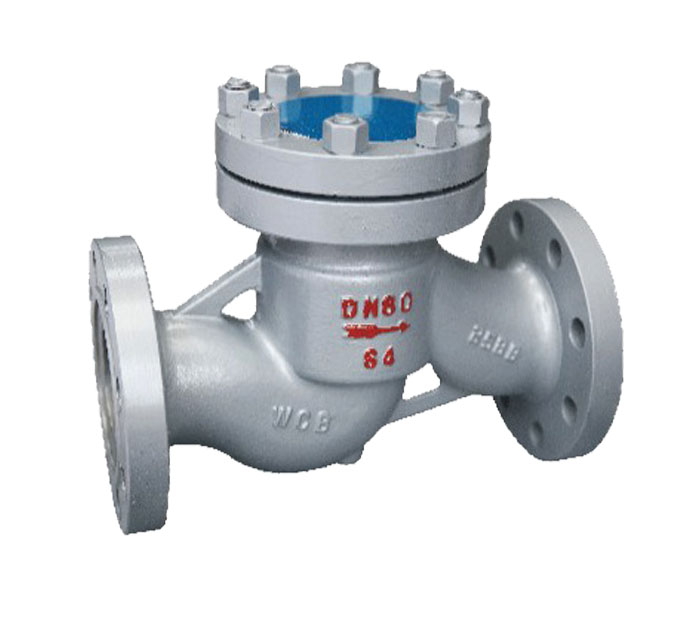
The 6” wafer check valve is a crucial component in pipeline systems designed to prevent backflow of fluids. Positioned within the industrial chain as a final control element, it ensures unidirectional flow, protecting upstream equipment and maintaining process integrity. These valves are commonly utilized in water treatment, wastewater management, power generation, chemical processing, and oil & gas applications. Core performance characteristics include minimal pressure drop when fully open, leak-tight shutoff, and resistance to the corrosive effects of the conveyed media. The primary operational principle relies on the fluid's kinetic energy automatically opening the valve in the forward direction and gravity/spring force closing it when flow ceases or reverses. Understanding the specific material composition, sealing mechanisms, and operational limits is paramount for optimal performance and longevity.
Material Science & Manufacturing
The body of a 6” wafer check valve is typically manufactured from ductile iron (ASTM A536 65-45-12), stainless steel (304/316 – ASTM A351), or alloy 20 (ASTM A351). Ductile iron provides a balance of strength and cost-effectiveness, while stainless steel offers superior corrosion resistance. Alloy 20 is employed in highly corrosive environments. The disc, responsible for flow control, often utilizes materials like EPDM (ethylene propylene diene monomer), PTFE (polytetrafluoroethylene), or Nitrile rubber, selected based on chemical compatibility with the fluid. Manufacturing begins with casting or forging the body. Precision machining is then employed to create the valve seat and ensure dimensional accuracy. Welding processes, if applicable (particularly for stainless steel valves), adhere to AWS D1.1 standards. The disc is molded or machined and subsequently assembled with the body using fasteners (typically ASTM A193 Grade B19 bolts). Key parameter control during manufacturing includes maintaining tight tolerances on the seat surface finish (Ra < 63 μin) to ensure a reliable seal, verifying the material composition through spectroscopic analysis, and performing hydrostatic testing to 1.5 times the maximum working pressure. Coating with epoxy or fusion-bonded epoxy (FBE) enhances corrosion resistance, particularly for ductile iron components, and follows SSPC SP10 standards for surface preparation.
Performance & Engineering
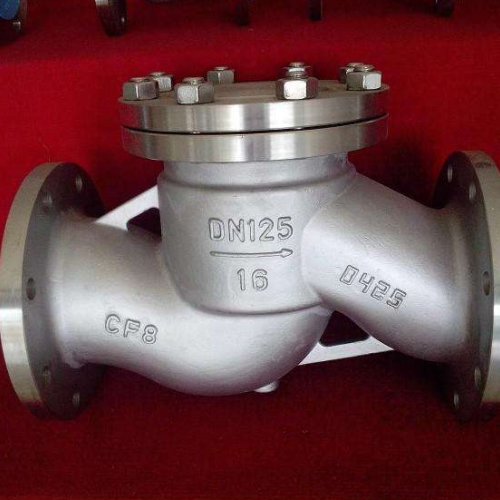
Performance of a 6” wafer check valve is critically dependent on its hydrodynamic characteristics and structural integrity. Force analysis involves evaluating the impact force of the fluid on the disc during opening and closing cycles, as well as the stresses induced in the body due to pressure containment. Environmental resistance considerations encompass temperature variations (typically -20°C to 100°C, depending on the seal material), UV exposure (for outdoor applications), and resistance to chemical attack. Compliance requirements are dictated by standards such as API 598 (manufacturing and testing of valves), MSS SP-61 (pressure testing of steel valves), and AWWA C508 (wafer pattern butterfly valves – relevant principles apply). Functional implementation relies on the disc's ability to freely pivot on a hinge or roller mechanism, minimizing pressure drop in the forward direction. Proper valve sizing is crucial to avoid flow-induced vibration (cavitation or flashing) which can lead to premature failure. The coefficient of discharge (Cv) is a key parameter in valve selection, dictating the flow capacity. Furthermore, the sealing mechanism (e.g., resilient seat, metal-to-metal seal) determines the valve’s leak tightness, quantified by its leakage rate according to standards like FCI 70-2.
Technical Specifications
| Parameter | Specification (Ductile Iron Body, EPDM Disc) | Specification (316 Stainless Steel Body, PTFE Disc) | Specification (Alloy 20 Body, Viton Disc) |
|---|---|---|---|
| Valve Size (inches) | 6 | 6 | 6 |
| Maximum Working Pressure (PSI) | 250 | 500 | 300 |
| Temperature Range (°C) | -20 to 80 | -20 to 180 | -20 to 150 |
| Connection Type | Wafer (ANSI/ASME B16.5 Class 150/300) | Wafer (ANSI/ASME B16.5 Class 150/300) | Wafer (ANSI/ASME B16.5 Class 150/300) |
| Leakage Rate (Seat Class) | FCI 70-2 Class VI | FCI 70-2 Class V | FCI 70-2 Class IV |
| Material - Body | Ductile Iron (ASTM A536 65-45-12) | 316 Stainless Steel (ASTM A351) | Alloy 20 (ASTM A351) |
Failure Mode & Maintenance
Common failure modes for 6” wafer check valves include seat erosion due to abrasive particles in the fluid, disc fatigue cracking from repeated cycling, and seal degradation resulting from chemical attack or temperature extremes. Fatigue cracking is often initiated at the hinge points of the disc. Delamination of the seat material can occur due to improper bonding or thermal cycling. Oxidation of stainless steel components can lead to pitting corrosion in chloride-rich environments. Failure analysis should involve visual inspection for cracks, erosion, and corrosion; non-destructive testing (NDT) methods such as liquid penetrant testing (ASTM E165) and ultrasonic testing (ASTM E797) to detect subsurface flaws; and material hardness testing. Maintenance procedures include periodic inspection of the disc and seat for wear, lubrication of the hinge mechanism (if applicable), and replacement of the seat when leakage exceeds acceptable limits. Preventive maintenance schedules should be established based on operating conditions and fluid characteristics. For valves operating in corrosive environments, regular inspection for signs of corrosion and application of protective coatings are essential. Thorough cleaning of the valve body before re-installation is also crucial to prevent debris from interfering with the sealing surface.
Industry FAQ
Q: What is the primary difference between a swing check valve and a lift check valve in a 6" wafer configuration?
A: The primary difference lies in the disc movement. Swing check valves utilize a disc hinged at the top, swinging freely open with flow and closing via gravity. Lift check valves have a disc that lifts vertically off the seat as flow increases. Swing check valves generally have lower pressure drop but are more susceptible to water hammer, while lift check valves offer faster response times and are better suited for applications with frequent flow reversals.
Q: How does the selection of the seat material impact the valve's chemical compatibility?
A: Seat material is critical. EPDM offers good resistance to water, steam, and many chemicals but is vulnerable to oil and solvents. PTFE provides excellent chemical resistance across a broad spectrum but has lower mechanical strength. Viton (FKM) excels in high-temperature applications and offers resistance to oils and fuels. Incorrect material selection leads to swelling, degradation, and ultimately, valve failure.
Q: What are the implications of exceeding the maximum working pressure specified for the valve?
A: Exceeding the maximum working pressure poses a significant safety risk. It can lead to catastrophic valve failure, including body rupture, disc damage, and seat blow-out. This results in process downtime, potential environmental release, and injury to personnel. Pressure relief devices should be installed upstream of the valve to prevent overpressure situations.
Q: How important is proper installation alignment when installing a wafer check valve?
A: Proper alignment is crucial. Misalignment creates uneven stress on the valve body and seat, leading to premature leakage and potential failure. Flanges must be parallel and squarely aligned to ensure a uniform seal. Torque specifications for flange bolts must be strictly adhered to, following ASME PCC-1 guidelines.
Q: What maintenance procedures are recommended for valves installed in slurry applications?
A: Slurry applications demand frequent inspection and maintenance. Increased wear on the disc and seat is common due to abrasive particles. Regular inspection (every 3-6 months) for erosion and replacement of worn components is essential. Consider utilizing valves with hardened disc and seat materials specifically designed for slurry service. Implement a filtration system upstream of the valve to minimize particle concentration.
Conclusion
The 6” wafer check valve represents a critical safeguard in fluid handling systems, preventing backflow and ensuring process efficiency. Its performance relies heavily on a combination of appropriate material selection – dictated by fluid compatibility and operational temperature – and precise manufacturing adhering to industry standards like API 598 and MSS SP-61. Understanding potential failure modes, such as seat erosion, disc fatigue, and seal degradation, is paramount for implementing effective preventative maintenance strategies.
Proper installation, meticulous inspection, and adherence to recommended maintenance schedules will maximize the valve's operational lifespan and minimize the risk of costly downtime or safety incidents. As fluid handling systems become more complex, the role of reliable backflow prevention, provided by correctly specified and maintained wafer check valves, will continue to grow in importance.
-
Top Reasons to Choose a Stainless Steel Flange Check Valve for Industrial Applications
-
6 wafer check valve Performance Analysis
-
cryogenic check valves Performance Analysis
-
soft seated check valve Performance Analysis
-
3/4 check valve Performance Analysis
-
wafer style check valve Performance Analysis
-
check valve with orifice Performance Analysis
-
check valve 8 inch Performance Analysis
-
1 1 2 inch check valve Performance Analysis
-
cast iron check valves Performance Analysis
-
teejet check valves Performance Analysis
-
teejet check valve Performance Analysis
-
8 inch check valve Performance Analysis
-
wafer style check valves Performance Analysis
-
3 4 spring check valve Performance Analysis
 Afrikaans
 Albanian
 Amharic
 Arabic
 Armenian
 Azerbaijani
 Basque
 Belarusian
 Bengali
 Bosnian
 Bulgarian
 Catalan
 Cebuano
 Corsican
 Croatian
 Czech
Czech
 Danish
 Dutch
Dutch
 Esperanto
 Estonian
 Finnish
 French
 Frisian
 Galician
 Georgian
 German
 Greek
Greek
 Gujarati
 Haitian Creole
 Hausa
Hawaiian
Hausa
Hawaiian
 Hebrew
 Hindi
Hindi
 Miao
Miao
 Hungarian
 Icelandic
 Igbo
Igbo
 Indonesian
 Irish
Irish
 Italian
 Japanese
 Javanese
Kannada
Javanese
Kannada
 Kazakh
 Khmer
Khmer
 Rwandese
 Korean
 Kurdish
 Kyrgyz
 Lao
Lao
 Latin
Latin
 Latvian
 Lithuanian
 Luxembourgish
 Macedonian
 Malgashi
 Malay
Malay
 Malayalam
 Maltese
 Maori
Maori
 Marathi
 Mongolian
 Myanmar
 Nepali
 Norwegian
 Norwegian
 Occitan
 Pashto
 Persian
 Polish
 Portuguese
Punjabi
Portuguese
Punjabi
 Romanian
 Russian
 Samoan
 Scottish Gaelic
 Serbian
 Sesotho
 Shona
Shona
 Sindhi
 Sinhala
 Slovak
 Slovenian
 Somali
 Spanish
 Sundanese
 Swahili
 Swedish
Tagalog
Swedish
Tagalog
 Tajik
Tajik
 Tamil
Tamil
 Tatar
Tatar
 Telugu
 Thai
Thai
 Turkish
 Turkmen
 Ukrainian
 Urdu
Urdu
 Uighur
 Uzbek
Uzbek
 Vietnamese
 Welsh
Welsh
 Bantu
Bantu
 Yiddish
 Yoruba
 Zulu
Zulu
 English