




3/4 check valve Performance Analysis
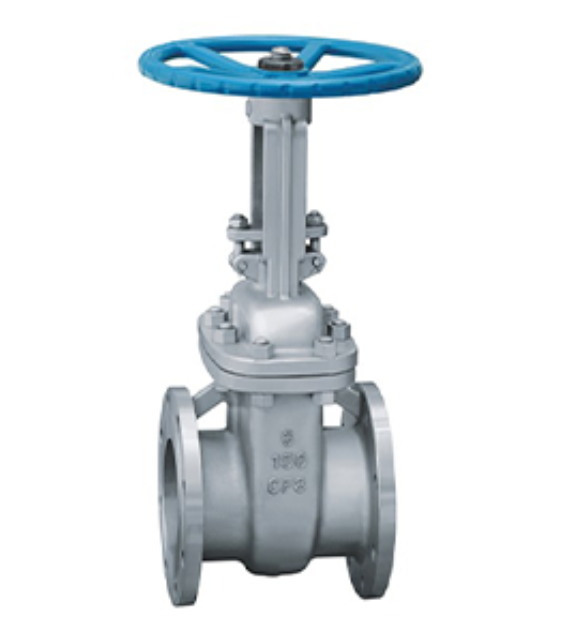
Introduction
The 3/4 check valve is a critical component in fluid handling systems, designed to prevent backflow and maintain unidirectional flow. Positioned within the broader industrial pipeline network, its function is fundamental for process efficiency, safety, and equipment protection. These valves, commonly specified by their nominal pipe size (in this case, 3/4 inch), are utilized across diverse industries, including water treatment, chemical processing, oil & gas, and HVAC systems. Core performance characteristics center around leak tightness, pressure drop, flow capacity (Cv), and material compatibility with the conveyed fluid. The inherent simplicity of the check valve belies the rigorous engineering required to ensure reliable operation under varying pressures, temperatures, and fluid compositions. A key industry pain point revolves around selecting the appropriate valve material and design to mitigate corrosion, erosion, and fouling, thereby minimizing maintenance and downtime. Incorrect valve selection can lead to catastrophic system failures and significant economic losses.
Material Science & Manufacturing
3/4 check valves are manufactured from a range of materials, each offering specific advantages and limitations. Common body materials include cast iron (ASTM A126 Grade B), ductile iron (ASTM A536-85), stainless steel (304/316 – ASTM A351), and engineered plastics like PVC (ASTM D1785) and CPVC (ASTM D1784). The internal components, such as discs and seats, are frequently constructed from elastomers like EPDM, nitrile (Buna-N), or PTFE to ensure a positive seal. Material selection is dictated by the fluid being handled. For instance, corrosive fluids necessitate stainless steel or plastic construction, while high-temperature applications demand materials with high thermal stability.
Manufacturing processes vary depending on the material and valve design. Cast iron and ductile iron valves are produced via sand casting, followed by machining and surface finishing. Stainless steel valves may be investment cast or forged. Plastic valves are typically injection molded, allowing for complex geometries and tight tolerances. Key parameter control during manufacturing includes dimensional accuracy of the disc and seat to ensure proper sealing, surface roughness to minimize friction and wear, and heat treatment (for metals) to optimize mechanical properties. Welding processes (SMAW, GTAW) are employed for joining components in certain designs, requiring strict adherence to welding codes (AWS D1.1) and non-destructive testing (NDT) methods like radiographic inspection to detect defects. The quality of the valve seat machining is crucial; a proper seat angle (typically 45-60 degrees) and surface finish are essential for leak-free operation. Post-manufacturing, valves undergo hydrostatic testing to verify pressure integrity and leak tightness per API 598 standards.

Performance & Engineering
The performance of a 3/4 check valve is primarily governed by its flow coefficient (Cv) and pressure drop characteristics. Cv represents the volumetric flow rate of water at a specific pressure drop. Engineers analyze flow patterns using Computational Fluid Dynamics (CFD) to optimize valve geometry and minimize turbulence, thereby reducing pressure loss. Force analysis is crucial, particularly in applications involving high-velocity flow or water hammer events. The disc is subjected to impact forces upon closure, which must be accounted for in material selection and design to prevent fatigue failure. Environmental resistance is another key consideration. Valves exposed to outdoor conditions must withstand UV radiation, temperature extremes, and precipitation. Compliance with industry standards, such as NSF/ANSI 61 for potable water applications and MSS SP-134 for butterfly valves (principles applicable to check valve design), is essential. Functional implementation involves ensuring the valve’s cracking pressure (the minimum differential pressure required to open the valve) is compatible with the system’s operating conditions. Incorrect cracking pressure can lead to premature opening or continuous leakage. The spring mechanism (in spring-loaded check valves) must be designed to maintain consistent force over its lifecycle.
Technical Specifications
| Parameter | Unit | Specification (Typical) | Testing Standard |
|---|---|---|---|
| Nominal Pipe Size | inch | 3/4 | ANSI/ASME B1.20.1 |
| Maximum Operating Pressure | psi | 200 | API 598 |
| Temperature Range | °F | -20 to 250 | ASTM E29 |
| Connection Type | - | Threaded (NPT), Socket Weld, Flanged | ASME B16.5 |
| Material (Body) | - | Cast Iron, Ductile Iron, Stainless Steel 304/316 | ASTM A126, A536, A351 |
| Material (Disc/Seat) | - | EPDM, Nitrile, PTFE | ASTM D2000 |
Failure Mode & Maintenance
Common failure modes for 3/4 check valves include seat erosion, disc sticking, spring fatigue (in spring-loaded designs), and body cracking (due to thermal cycling or overpressure). Seat erosion is often caused by abrasive particles in the fluid stream, leading to leakage. Disc sticking can occur due to the buildup of deposits or corrosion products, preventing the valve from closing properly. Spring fatigue results in a reduced cracking pressure and potential for intermittent operation. Body cracking is typically associated with material defects or excessive stress. Failure analysis often reveals the root cause – incorrect material selection, improper installation, or inadequate maintenance.
Preventive maintenance is crucial. Regular inspection should include visual checks for leaks, corrosion, and damage. Periodic disassembly and cleaning are recommended to remove deposits and ensure free disc movement. Lubrication of moving parts (where applicable) can reduce friction and wear. For valves operating in harsh environments, consider implementing a corrosion monitoring program. In the event of failure, proper replacement is essential. Avoid using substitute materials or components that do not meet the original specifications. A detailed maintenance log should be maintained to track inspection dates, repairs, and component replacements. NDT methods like liquid penetrant testing can be used to detect hidden cracks or defects.
Industry FAQ
Q: What is the impact of fluid velocity on check valve performance and longevity?
A: Higher fluid velocities increase the impact forces on the disc during closure, accelerating wear and potentially leading to fatigue failure. Excessive velocity can also induce cavitation, eroding the valve seat and reducing sealing effectiveness. It's crucial to select a valve with a pressure drop rating appropriate for the expected flow velocity and to consider using a valve design specifically engineered for high-velocity applications.
Q: How does material compatibility affect the lifespan of a check valve in a specific application?
A: Incompatible materials can lead to corrosion, erosion, and chemical degradation, significantly reducing the valve’s lifespan. For example, using a carbon steel valve in a highly corrosive environment without appropriate coating or cladding will result in rapid failure. Careful consideration of the fluid’s chemical composition, temperature, and pressure is essential for selecting compatible materials.
Q: What are the key differences between swing check valves and lift check valves, and when would you choose one over the other?
A: Swing check valves utilize a hinged disc that swings open with flow and closes against a seat due to gravity and backflow. They offer low pressure drop but are susceptible to water hammer. Lift check valves employ a disc that lifts off a seat with flow. They are better suited for high-velocity applications and minimize water hammer but typically have a higher pressure drop.
Q: What is the importance of hydrostatic testing, and what does a successful test result indicate?
A: Hydrostatic testing verifies the pressure integrity of the valve body and connections. The valve is subjected to a test pressure significantly higher than its maximum operating pressure. A successful test, indicated by no leakage or deformation, confirms that the valve can withstand the anticipated operating conditions without failure.
Q: What are the implications of incorrect valve installation on performance and warranty?
A: Incorrect installation, such as improper tightening of connections, misalignment, or support issues, can cause leaks, premature wear, and even catastrophic failure. Many valve manufacturers void warranties if the valve is not installed according to their instructions. Proper installation procedures, including adherence to torque specifications and alignment guidelines, are essential.
Conclusion
The 3/4 check valve, while seemingly simple, is a critical component demanding meticulous selection, installation, and maintenance. Understanding the interplay between material science, manufacturing processes, and engineering principles is paramount for ensuring reliable, long-term operation. The selection process necessitates a thorough assessment of the fluid characteristics, operating conditions, and applicable industry standards. A proactive maintenance program, incorporating regular inspection and component replacement, will mitigate failure risks and maximize system uptime.
Future trends in check valve technology are focused on developing advanced materials with enhanced corrosion resistance, incorporating smart sensors for real-time performance monitoring, and designing more efficient valve geometries to minimize pressure drop and energy consumption. These advancements will further improve the reliability, efficiency, and sustainability of fluid handling systems across a wide range of industries. Furthermore, the growing emphasis on digital twins and predictive maintenance will drive the demand for check valves equipped with integrated data acquisition and communication capabilities.
-
Top Reasons to Choose a Stainless Steel Flange Check Valve for Industrial Applications
-
6 wafer check valve Performance Analysis
-
cryogenic check valves Performance Analysis
-
soft seated check valve Performance Analysis
-
3/4 check valve Performance Analysis
-
wafer style check valve Performance Analysis
-
check valve with orifice Performance Analysis
-
check valve 8 inch Performance Analysis
-
1 1 2 inch check valve Performance Analysis
-
cast iron check valves Performance Analysis
-
teejet check valves Performance Analysis
-
teejet check valve Performance Analysis
-
8 inch check valve Performance Analysis
-
wafer style check valves Performance Analysis
-
3 4 spring check valve Performance Analysis
 Afrikaans
 Albanian
 Amharic
 Arabic
 Armenian
 Azerbaijani
 Basque
 Belarusian
 Bengali
 Bosnian
 Bulgarian
 Catalan
 Cebuano
 Corsican
 Croatian
 Czech
Czech
 Danish
 Dutch
Dutch
 Esperanto
 Estonian
 Finnish
 French
 Frisian
 Galician
 Georgian
 German
 Greek
Greek
 Gujarati
 Haitian Creole
 Hausa
Hawaiian
Hausa
Hawaiian
 Hebrew
 Hindi
Hindi
 Miao
Miao
 Hungarian
 Icelandic
 Igbo
Igbo
 Indonesian
 Irish
Irish
 Italian
 Japanese
 Javanese
Kannada
Javanese
Kannada
 Kazakh
 Khmer
Khmer
 Rwandese
 Korean
 Kurdish
 Kyrgyz
 Lao
Lao
 Latin
Latin
 Latvian
 Lithuanian
 Luxembourgish
 Macedonian
 Malgashi
 Malay
Malay
 Malayalam
 Maltese
 Maori
Maori
 Marathi
 Mongolian
 Myanmar
 Nepali
 Norwegian
 Norwegian
 Occitan
 Pashto
 Persian
 Polish
 Portuguese
Punjabi
Portuguese
Punjabi
 Romanian
 Russian
 Samoan
 Scottish Gaelic
 Serbian
 Sesotho
 Shona
Shona
 Sindhi
 Sinhala
 Slovak
 Slovenian
 Somali
 Spanish
 Sundanese
 Swahili
 Swedish
Tagalog
Swedish
Tagalog
 Tajik
Tajik
 Tamil
Tamil
 Tatar
Tatar
 Telugu
 Thai
Thai
 Turkish
 Turkmen
 Ukrainian
 Urdu
Urdu
 Uighur
 Uzbek
Uzbek
 Vietnamese
 Welsh
Welsh
 Bantu
Bantu
 Yiddish
 Yoruba
 Zulu
Zulu
 English