




soft seated check valve Performance Analysis
Introduction
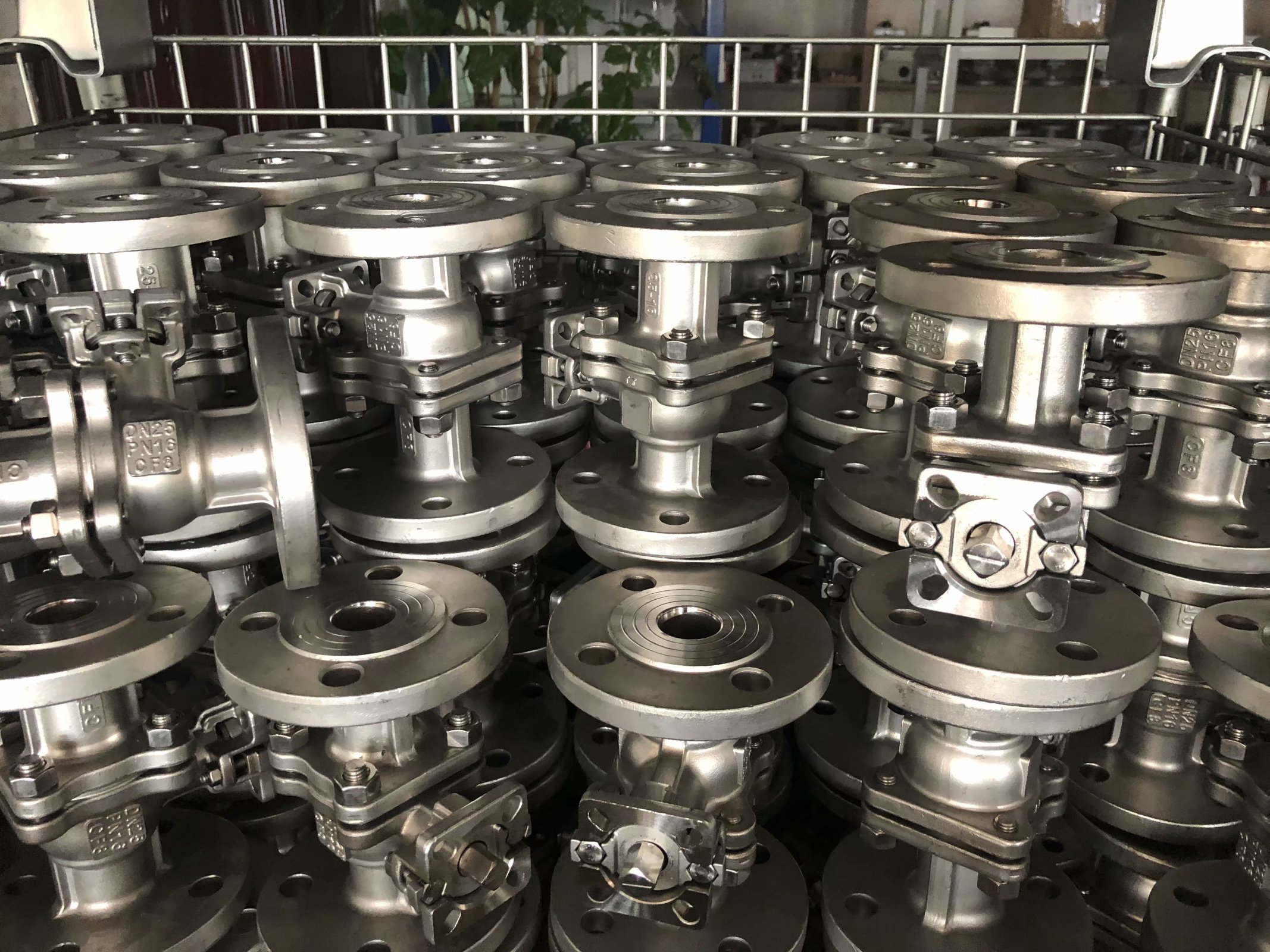
Soft seated check valves are essential components in fluid handling systems, designed to prevent backflow in pipelines. They function passively, relying on the pressure of the flowing medium to open the valve and closing when the pressure drops or reverses. Unlike traditional metal-seated check valves, soft-seated designs utilize an elastomeric or polymeric disc to create a tight seal, resulting in bubble-tight shutoff and reduced water hammer. This makes them particularly critical in applications where precise flow control and minimal leakage are paramount, such as in potable water systems, chemical processing, and HVAC. Their position within the industry chain is as a final control element, protecting pumps, compressors, and other sensitive equipment from damage caused by reverse flow. Core performance characteristics include minimal pressure drop, reliable sealing, and resistance to corrosion from the conveyed fluid.
Material Science & Manufacturing
The performance of a soft seated check valve is intrinsically linked to the material selection and manufacturing processes employed. Valve bodies are commonly constructed from ductile iron (ASTM A536), stainless steel (304/316 – ASTM A240), or engineered polymers (PVC, CPVC, PP). Ductile iron provides excellent strength and corrosion resistance, while stainless steel is preferred for highly corrosive environments. Polymer bodies offer lightweight solutions for low-pressure applications. The 'soft seat' itself is typically composed of elastomers like EPDM, Viton (fluoroelastomer), nitrile (NBR), or PTFE. EPDM offers broad chemical compatibility and excellent temperature resistance for water and steam applications. Viton excels in high-temperature and aggressive chemical environments. NBR is suitable for oil-based fluids. PTFE provides exceptional chemical inertness but has limited resilience. Manufacturing processes vary by body material. Ductile iron bodies are often produced using sand casting, followed by machining and coating (epoxy or fusion-bonded epoxy). Stainless steel bodies are typically investment cast or forged. Polymer bodies utilize injection molding. The critical parameters during manufacturing include ensuring precise dimensional accuracy of the valve seat to guarantee a bubble-tight seal, achieving a smooth surface finish to minimize friction loss, and implementing rigorous quality control checks for material traceability and weld integrity (if applicable). The bonding process between the elastomeric seat and the valve body is also crucial, relying on mechanical interlocking or adhesive bonding. Poor bonding can lead to seat displacement and leakage.

Performance & Engineering
Soft seated check valves are engineered to withstand significant hydraulic forces and maintain sealing integrity under varying operating conditions. Force analysis considers the impact of fluid velocity, pressure differentials, and potential water hammer. The seat design plays a critical role in minimizing pressure drop and preventing seat wear. Common seat designs include disc, ball, and swing designs, each with specific flow characteristics. Environmental resistance is paramount. Valves exposed to ultraviolet radiation (UV) require UV-stabilized elastomers to prevent degradation. Temperature fluctuations induce thermal expansion and contraction, necessitating appropriate material selection and flexible seat designs. Compliance requirements are dictated by the application. For potable water systems, valves must comply with NSF/ANSI 61, ensuring they do not leach harmful contaminants into the water supply. Valves used in hazardous environments must meet ATEX or IECEx standards for explosion protection. Functional implementation demands careful consideration of flow rates, pressure ratings, and fluid compatibility. Incorrect valve sizing can lead to excessive pressure drop or premature wear. Proper installation, including adequate pipe support and alignment, is crucial to prevent stress on the valve body and seat.
Technical Specifications
| Parameter | Specification (Typical) | Testing Standard | Units |
|---|---|---|---|
| Maximum Operating Pressure | 250 | API 598 | PSI |
| Temperature Range | -20 to 180 | ASTM E29 | °F |
| Leakage Rate (Bubble Tight) | 0.01 | API 598 | SCCM (Standard Cubic Centimeters per Minute) |
| Valve Body Material | Ductile Iron (ASTM A536 65-45-12) | ASTM A536 | - |
| Seat Material | EPDM | ASTM D2000 | - |
| Connection Type | Flanged (ANSI B16.5) | ANSI B16.5 | - |
Failure Mode & Maintenance
Soft seated check valves are susceptible to several failure modes. Seat Degradation: Elastomeric seats can degrade over time due to chemical attack, UV exposure, or temperature extremes, leading to leakage. Seat Displacement: Improper installation, water hammer, or excessive fluid velocity can dislodge the seat from its housing. Body Corrosion: In corrosive environments, the valve body can corrode, compromising its structural integrity. Foreign Particle Entrapment: Particles in the fluid stream can become lodged between the seat and the disc, preventing a tight seal. Fatigue Cracking: Repeated opening and closing cycles can induce fatigue cracking in the valve body, especially near stress concentration points. Maintenance procedures include periodic inspection of the seat for wear and tear, lubrication of moving parts (if applicable), and replacement of the seat when necessary. Preventative maintenance involves implementing filtration systems to remove debris from the fluid stream, ensuring proper pipe support to minimize stress on the valve, and avoiding sudden pressure surges. Regular visual inspections for signs of corrosion or leakage are crucial. When replacing the seat, it’s essential to use the correct material for the intended application and to follow the manufacturer’s installation instructions precisely. A full valve overhaul may be required in cases of severe corrosion or structural damage.
Industry FAQ
Q: What are the primary advantages of a soft seated check valve over a traditional metal-seated design?
A: Soft seated check valves offer bubble-tight shutoff, reducing leakage to negligible levels. This minimizes backflow contamination and eliminates water hammer caused by rapid closure. Metal-seated valves are prone to some leakage, especially with solids in the fluid. The soft seat also reduces noise levels associated with valve operation.
Q: How does fluid temperature affect the selection of seat material?
A: Fluid temperature is a critical factor. EPDM is generally suitable for temperatures up to 150°C (302°F), while Viton can withstand temperatures up to 200°C (392°F). At higher temperatures, the elastomeric material may degrade and lose its sealing properties. PTFE offers a wider temperature range but lacks the resilience of elastomers.
Q: What is the acceptable leakage rate for a soft seated check valve in a potable water application?
A: The acceptable leakage rate for potable water applications is typically specified by NSF/ANSI 61 and often requires bubble-tight performance. This generally translates to a leakage rate of less than 0.01 SCCM (Standard Cubic Centimeters per Minute).
Q: How can water hammer be minimized when using a soft seated check valve?
A: Proper valve sizing is crucial to avoid excessive fluid velocity, which contributes to water hammer. Slow-closing valve designs can also help mitigate the impact. Installing a surge suppressor upstream of the valve can further dampen pressure fluctuations. Maintaining a fully charged system eliminates air pockets that can exacerbate water hammer.
Q: What maintenance schedule is recommended for soft seated check valves in a chemical processing plant?
A: A recommended schedule includes visual inspections every six months for signs of corrosion or leakage, seat replacement every 1-2 years depending on fluid compatibility and operating conditions, and a full valve overhaul every 5 years. Record keeping of maintenance activities is essential.
Conclusion
Soft seated check valves represent a critical advancement in fluid control technology, offering superior sealing performance and reliability compared to traditional designs. The careful selection of materials, precise manufacturing processes, and adherence to relevant industry standards are paramount to ensuring long-term operational efficiency and minimizing the risk of failure. The benefits of bubble-tight shutoff, reduced water hammer, and broad chemical compatibility make them indispensable in a wide range of applications.
Future development in soft seated check valve technology will likely focus on advanced elastomeric materials with improved resistance to chemical attack and temperature extremes, as well as innovative seat designs that further reduce pressure drop and enhance durability. The integration of smart valve technology, including sensors and remote monitoring capabilities, will also enable predictive maintenance and optimize valve performance within complex industrial systems.
-
Top Reasons to Choose a Stainless Steel Flange Check Valve for Industrial Applications
-
6 wafer check valve Performance Analysis
-
cryogenic check valves Performance Analysis
-
soft seated check valve Performance Analysis
-
3/4 check valve Performance Analysis
-
wafer style check valve Performance Analysis
-
check valve with orifice Performance Analysis
-
check valve 8 inch Performance Analysis
-
1 1 2 inch check valve Performance Analysis
-
cast iron check valves Performance Analysis
-
teejet check valves Performance Analysis
-
teejet check valve Performance Analysis
-
8 inch check valve Performance Analysis
-
wafer style check valves Performance Analysis
-
3 4 spring check valve Performance Analysis
 Afrikaans
 Albanian
 Amharic
 Arabic
 Armenian
 Azerbaijani
 Basque
 Belarusian
 Bengali
 Bosnian
 Bulgarian
 Catalan
 Cebuano
 Corsican
 Croatian
 Czech
Czech
 Danish
 Dutch
Dutch
 Esperanto
 Estonian
 Finnish
 French
 Frisian
 Galician
 Georgian
 German
 Greek
Greek
 Gujarati
 Haitian Creole
 Hausa
Hawaiian
Hausa
Hawaiian
 Hebrew
 Hindi
Hindi
 Miao
Miao
 Hungarian
 Icelandic
 Igbo
Igbo
 Indonesian
 Irish
Irish
 Italian
 Japanese
 Javanese
Kannada
Javanese
Kannada
 Kazakh
 Khmer
Khmer
 Rwandese
 Korean
 Kurdish
 Kyrgyz
 Lao
Lao
 Latin
Latin
 Latvian
 Lithuanian
 Luxembourgish
 Macedonian
 Malgashi
 Malay
Malay
 Malayalam
 Maltese
 Maori
Maori
 Marathi
 Mongolian
 Myanmar
 Nepali
 Norwegian
 Norwegian
 Occitan
 Pashto
 Persian
 Polish
 Portuguese
Punjabi
Portuguese
Punjabi
 Romanian
 Russian
 Samoan
 Scottish Gaelic
 Serbian
 Sesotho
 Shona
Shona
 Sindhi
 Sinhala
 Slovak
 Slovenian
 Somali
 Spanish
 Sundanese
 Swahili
 Swedish
Tagalog
Swedish
Tagalog
 Tajik
Tajik
 Tamil
Tamil
 Tatar
Tatar
 Telugu
 Thai
Thai
 Turkish
 Turkmen
 Ukrainian
 Urdu
Urdu
 Uighur
 Uzbek
Uzbek
 Vietnamese
 Welsh
Welsh
 Bantu
Bantu
 Yiddish
 Yoruba
 Zulu
Zulu
 English