




3 swing check valve Performance Analysis
Introduction
The 3 swing check valve is a crucial component in fluid handling systems, primarily utilized to prevent backflow in pipelines. Positioned within the industry chain as a critical control device, these valves ensure unidirectional flow, protecting pumps, compressors, and other sensitive equipment from damage due to reverse flow conditions. Unlike other check valve designs (lift, ball, or diaphragm), the swing check valve employs a disc that swings freely on a hinge, opening with forward flow and closing against the flow to prevent backflow. Core performance characteristics center around minimal pressure drop in the forward direction, reliable sealing to prevent leakage, and durability under various operating conditions. This guide provides a comprehensive technical overview of 3 swing check valves, covering material science, manufacturing processes, performance parameters, failure modes, and relevant industry standards. The demand for high-performance check valves is driven by increasing complexity in process industries, requiring robust backflow prevention for safety and efficiency.
Material Science & Manufacturing
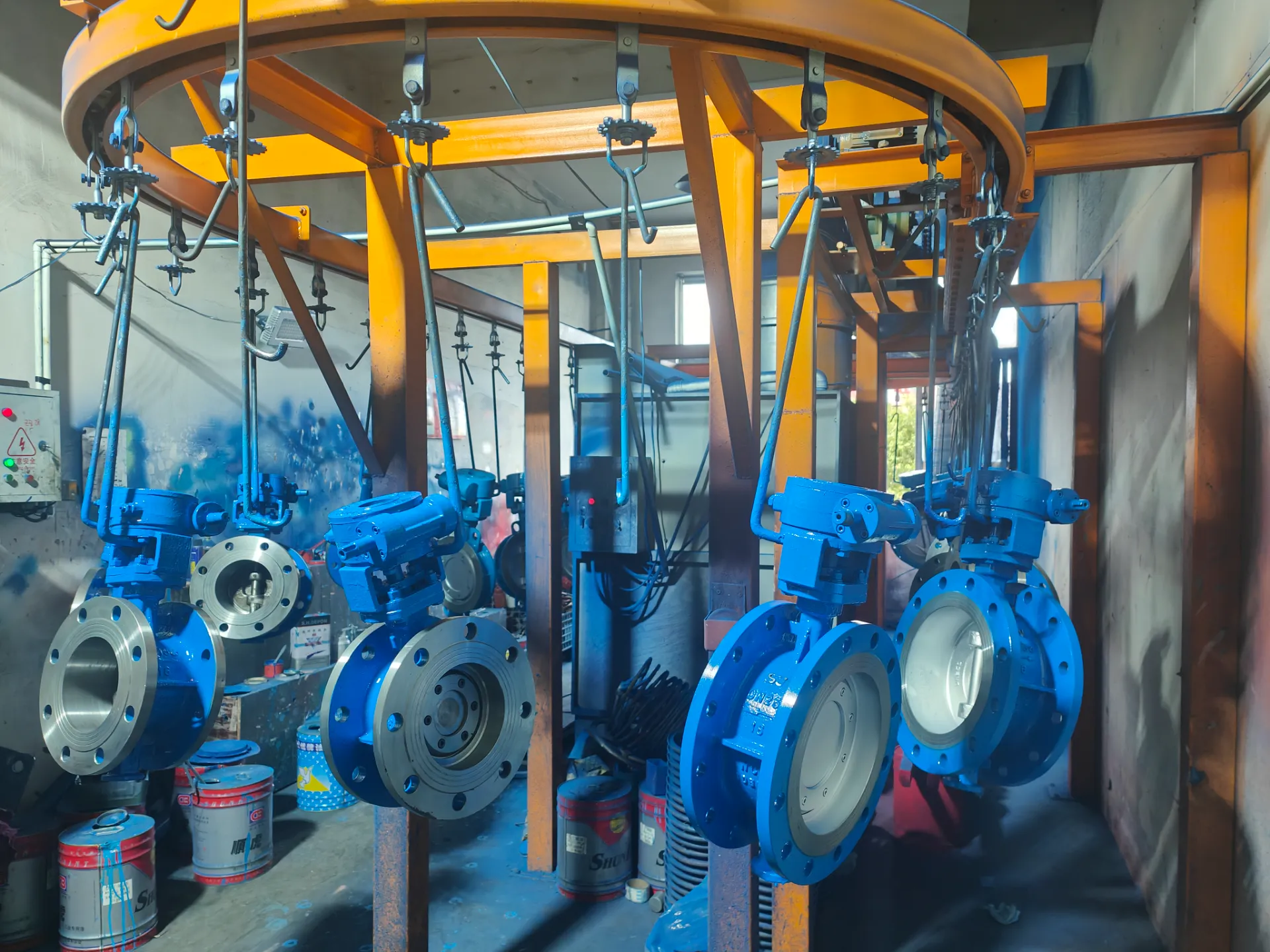
The body of a 3 swing check valve is commonly manufactured from carbon steel (ASTM A105), stainless steel (304, 316, or duplex), or alloy steels (e.g., ASTM A182 F304/F316). Carbon steel provides cost-effectiveness for non-corrosive applications. Stainless steel offers superior corrosion resistance, essential in chemical processing, food and beverage, and pharmaceutical industries. Alloy steels provide enhanced strength and temperature resistance for demanding applications. The disc is typically made from the same material as the body or a compatible alloy. The hinge pin, critical for disc swing functionality, is usually made from stainless steel for durability and corrosion resistance. The seat material is a key consideration; options include metal-to-metal sealing, resilient materials like EPDM, PTFE, or Viton. Metal-to-metal seals offer high-temperature capability and durability but may exhibit minor leakage. Resilient seats provide tight shut-off but are susceptible to degradation with temperature and chemical exposure. Manufacturing processes involve casting, forging, and machining. Casting is cost-effective for complex shapes, while forging provides higher strength and grain structure. Precision machining is essential for achieving accurate dimensions and smooth sealing surfaces. Welding (SMAW, GTAW, or SAW) is used for joining components, requiring qualified welders and adherence to stringent quality control procedures (API 1104). Parameter control during welding is critical to prevent distortion and maintain material integrity. Non-destructive testing (NDT) methods like radiographic testing (RT), ultrasonic testing (UT), and liquid penetrant testing (PT) are employed to verify weld quality.
Performance & Engineering
Performance of a 3 swing check valve is dictated by several factors including flow coefficient (Cv), pressure drop, leakage rate, and response time. The flow coefficient quantifies the valve’s capacity to pass fluid at a specific pressure drop. Pressure drop is a critical consideration, as excessive pressure drop reduces system efficiency. Engineers analyze fluid dynamics (Computational Fluid Dynamics - CFD) to optimize valve geometry and minimize turbulence, thereby reducing pressure loss. Leakage rate is a key metric, often expressed in terms of allowable leakage in mL/min or as a percentage of full flow. ASME Section V provides standards for leak testing. Response time – the time it takes for the valve to fully close upon flow reversal – is crucial in applications where rapid backflow protection is required. Fast response times minimize water hammer effects in pipelines. The valve’s spring mechanism (if equipped with a spring assist) and disc weight influence response time. Force analysis, considering fluid forces and gravity, is essential during the design phase to ensure reliable operation. Environmental resistance is another critical performance factor. Valves operating in corrosive environments require careful material selection and protective coatings. Compliance requirements vary based on the application. Valves used in potable water systems must meet NSF/ANSI 61 standards. Valves for oil and gas applications must adhere to API standards (API 598, API 6D). Finite Element Analysis (FEA) is routinely used to assess the valve’s structural integrity under various loading conditions, including pressure, temperature, and external forces.
Technical Specifications
| Parameter | Carbon Steel (A105) | Stainless Steel 316 | Duplex Stainless Steel | Resilient Seat (EPDM) |
|---|---|---|---|---|
| Maximum Working Pressure (PSI) | 2500 | 3600 | 4500 | 1450 |
| Temperature Range (°F) | -20 to 450 | -328 to 650 | -58 to 750 | -40 to 250 |
| Connection Type | Screwed, Flanged, Welded | Screwed, Flanged, Welded | Screwed, Flanged, Welded | Screwed, Flanged |
| Size Range (inches) | 2 – 24 | 2 – 48 | 2 – 36 | 2 – 12 |
| Leakage Rate (as % of set flow) | 0.1% | 0.05% | 0.01% | 0.001% |
| Cv Value (Typical for 6" valve) | 650 | 675 | 700 | 580 |
Failure Mode & Maintenance
Common failure modes in 3 swing check valves include disc sticking, seat erosion, corrosion, and fatigue cracking. Disc sticking can occur due to debris accumulation or corrosion products hindering free swing. This can lead to water hammer or complete flow blockage. Seat erosion, particularly in metal-to-metal seals, results from repeated impact and abrasion by fluid particles. Corrosion, especially in carbon steel valves exposed to corrosive fluids, leads to material degradation and leakage. Fatigue cracking can occur in the body or disc due to cyclic pressure fluctuations. Failure analysis techniques like fractography and metallurgical examination are employed to determine root causes. Preventive maintenance is crucial. Regular inspection for debris buildup, corrosion, and erosion is recommended. Lubrication of the hinge pin can prevent sticking. Periodic testing of the valve’s sealing performance is essential. For resilient seated valves, the seat should be inspected for cracking or swelling. In case of leakage, the seat should be replaced. Welding repairs should be performed by qualified welders according to established procedures. When replacing components, ensure compatibility with the fluid being handled. Proper storage of valves is also critical, protecting them from moisture and contamination. Consider implementing a condition monitoring program utilizing vibration analysis to detect early signs of wear or damage.
Industry FAQ
Q: What are the key differences between a swing check valve and a lift check valve in terms of pressure loss?
A: Swing check valves generally exhibit lower pressure loss than lift check valves, particularly in larger pipe sizes. This is because the streamlined flow path offered by the swinging disc minimizes turbulence. Lift check valves, with their vertical disc movement, create more flow disruption and therefore higher pressure drop. However, lift check valves offer faster response times.
Q: How does the material selection impact the service life of a swing check valve in a seawater application?
A: Seawater is highly corrosive due to its chloride content. Carbon steel valves will experience rapid corrosion and are unsuitable. Stainless steel 316 provides improved corrosion resistance but may still be susceptible to pitting corrosion over extended periods. Duplex stainless steel or super duplex stainless steel is the preferred material choice for seawater applications due to its superior resistance to pitting, crevice corrosion, and stress corrosion cracking.
Q: What is the significance of the Kv/Cv value when selecting a swing check valve for a specific application?
A: The Kv/Cv value (flow coefficient) indicates the valve’s capacity to handle a given flow rate at a specific pressure drop. It’s crucial to select a valve with a Kv/Cv value that matches the system’s flow requirements to avoid excessive pressure loss or valve choking. Undersized valves will restrict flow, while oversized valves may not close properly.
Q: What are the considerations for installing a swing check valve to minimize water hammer?
A: Rapid valve closure can generate water hammer. To mitigate this, ensure the valve is installed vertically with the disc swinging freely. Avoid installing the valve immediately downstream of a pump or other equipment that can cause sudden flow changes. Consider using a slow-closing swing check valve or incorporating a damping mechanism into the system.
Q: How do resilient seated swing check valves compare to metal-to-metal seated valves in terms of maintenance requirements?
A: Resilient seated valves generally require more frequent maintenance than metal-to-metal seated valves. The resilient seat is susceptible to wear, degradation, and chemical attack, necessitating periodic replacement. Metal-to-metal seated valves, while potentially exhibiting minor leakage, have a longer service life and require less frequent intervention, but may need periodic lapping or resurfacing.
Conclusion
The 3 swing check valve remains a vital component in numerous fluid handling systems, offering reliable backflow prevention. Its performance is heavily influenced by material selection, manufacturing precision, and proper installation. Careful consideration of the operating environment, fluid characteristics, and system requirements is essential for choosing the appropriate valve and ensuring long-term reliability.
Future advancements in check valve technology will likely focus on developing smart valves with integrated sensors for condition monitoring and predictive maintenance. Furthermore, research into novel materials and coating technologies will enhance corrosion resistance and extend valve service life. Understanding the fundamental principles of flow dynamics and failure mechanisms outlined in this guide will empower engineers and procurement professionals to make informed decisions, optimizing system performance and minimizing downtime.
-
Top Reasons to Choose a Stainless Steel Flange Check Valve for Industrial Applications
-
circle seal check valve Performance Engineering
-
circle seal check valves Performance Analysis
-
cryogenic check valve Performance Analysis
-
3 swing check valve Performance Analysis
-
4 wafer check valve Performance Analysis
-
6 wafer check valve Performance Analysis
-
cryogenic check valves Performance Analysis
-
soft seated check valve Performance Analysis
-
3/4 check valve Performance Analysis
-
wafer style check valve Performance Analysis
-
check valve with orifice Performance Analysis
-
check valve 8 inch Performance Analysis
-
1 1 2 inch check valve Performance Analysis
-
cast iron check valves Performance Analysis
 Afrikaans
 Albanian
 Amharic
 Arabic
 Armenian
 Azerbaijani
 Basque
 Belarusian
 Bengali
 Bosnian
 Bulgarian
 Catalan
 Cebuano
 Corsican
 Croatian
 Czech
Czech
 Danish
 Dutch
Dutch
 Esperanto
 Estonian
 Finnish
 French
 Frisian
 Galician
 Georgian
 German
 Greek
Greek
 Gujarati
 Haitian Creole
 Hausa
Hawaiian
Hausa
Hawaiian
 Hebrew
 Hindi
Hindi
 Miao
Miao
 Hungarian
 Icelandic
 Igbo
Igbo
 Indonesian
 Irish
Irish
 Italian
 Japanese
 Javanese
Kannada
Javanese
Kannada
 Kazakh
 Khmer
Khmer
 Rwandese
 Korean
 Kurdish
 Kyrgyz
 Lao
Lao
 Latin
Latin
 Latvian
 Lithuanian
 Luxembourgish
 Macedonian
 Malgashi
 Malay
Malay
 Malayalam
 Maltese
 Maori
Maori
 Marathi
 Mongolian
 Myanmar
 Nepali
 Norwegian
 Norwegian
 Occitan
 Pashto
 Persian
 Polish
 Portuguese
Punjabi
Portuguese
Punjabi
 Romanian
 Russian
 Samoan
 Scottish Gaelic
 Serbian
 Sesotho
 Shona
Shona
 Sindhi
 Sinhala
 Slovak
 Slovenian
 Somali
 Spanish
 Sundanese
 Swahili
 Swedish
Tagalog
Swedish
Tagalog
 Tajik
Tajik
 Tamil
Tamil
 Tatar
Tatar
 Telugu
 Thai
Thai
 Turkish
 Turkmen
 Ukrainian
 Urdu
Urdu
 Uighur
 Uzbek
Uzbek
 Vietnamese
 Welsh
Welsh
 Bantu
Bantu
 Yiddish
 Yoruba
 Zulu
Zulu
 English