




circle seal check valves Performance Analysis
Introduction
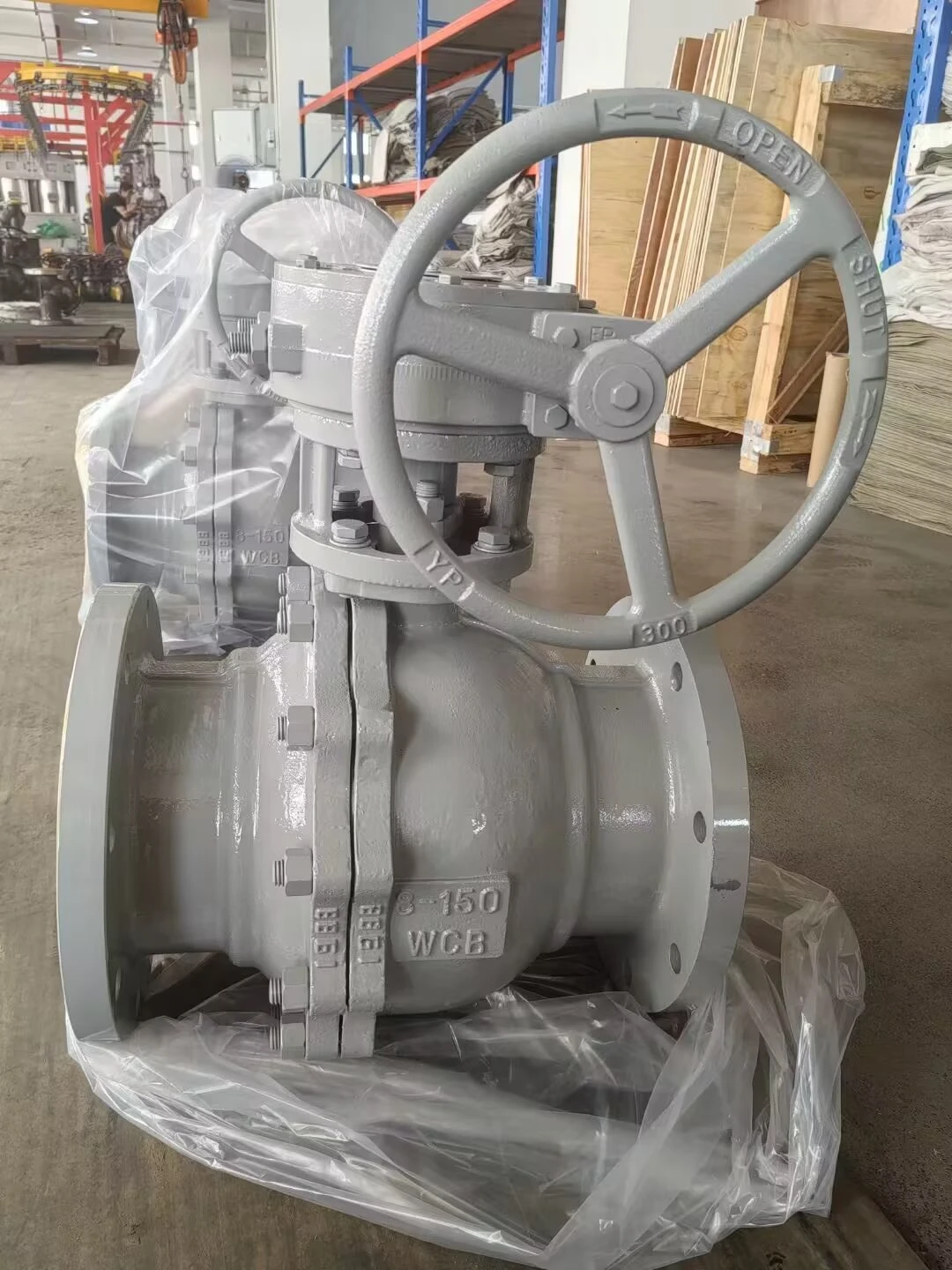
Circle seal check valves are unidirectional flow control devices crucial in various industrial applications, ranging from water treatment and chemical processing to oil & gas and power generation. Positioned within the fluid handling system as a critical safety and process integrity component, they prevent backflow, protecting pumps, compressors, and other downstream equipment from damage and ensuring system efficiency. Unlike swing or lift check valves, the circle seal design utilizes a resilient elastomer sealing element that positively seals against a precisely machined metal seat, offering a tighter shut-off and superior performance with low-pressure differentials and potentially contaminated fluids. Core performance characteristics include minimal pressure drop, leak-tight shutoff, and resistance to media corrosion. The selection of a circle seal check valve necessitates a thorough understanding of fluid properties, operating pressure, temperature, and applicable industry standards to ensure optimal and reliable operation.
Material Science & Manufacturing
The construction of circle seal check valves relies heavily on material compatibility and precision manufacturing. Valve bodies are commonly produced from ductile iron (ASTM A536 65-45-12), stainless steel (304/316 – ASTM A351), or engineered polymers like polypropylene (PP) or polyvinyl chloride (PVC), dictated by the fluid handled and pressure/temperature requirements. The internal components, particularly the disc and seat, undergo rigorous material selection. The disc material is typically a reinforced elastomer, such as EPDM, Viton (FKM), or PTFE, chosen for its chemical resistance and resilience. The seat, the critical sealing surface, is commonly manufactured from stainless steel (316L) or hardened alloys to resist abrasion and corrosion. Manufacturing processes vary based on body material. Ductile iron bodies are produced through sand casting, followed by precision machining to ensure dimensional accuracy. Stainless steel bodies frequently employ investment casting or forging for complex geometries. Polymer bodies utilize injection molding, requiring meticulous control of mold temperature, injection pressure, and cooling rates to prevent warping and ensure material homogeneity. A critical step involves the lapping and polishing of the seat to achieve a mirror-like finish, ensuring a leak-tight seal. The elastomer disc is vulcanized to achieve the desired hardness and elasticity. Quality control encompasses non-destructive testing (NDT) like radiographic inspection and dye penetrant testing to detect casting defects, as well as hydrostatic testing to verify pressure integrity.
Performance & Engineering
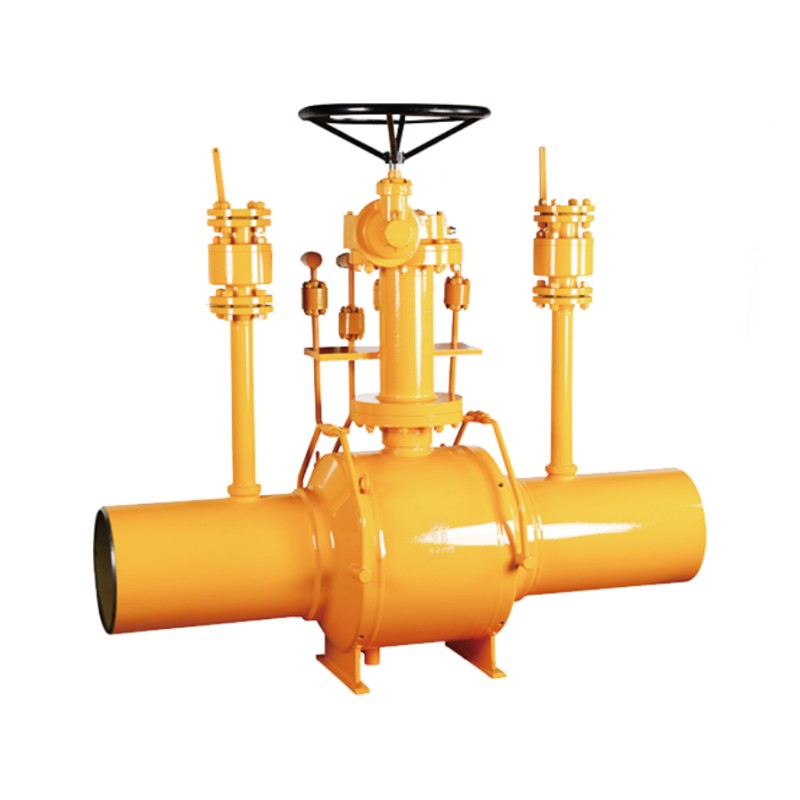
The performance of a circle seal check valve is fundamentally governed by fluid dynamics and material properties. Force analysis considers the hydrodynamic forces acting on the disc during flow, the spring force maintaining the seal, and the fluid pressure differential. A key engineering consideration is cavitation – the formation and implosion of vapor bubbles – which can erode the seat and disc, leading to premature failure. Proper valve sizing and installation are crucial to minimizing cavitation risk. Environmental resistance is paramount. Exposure to corrosive fluids necessitates the selection of compatible materials, often requiring specialized alloys or polymer linings. Temperature variations cause thermal expansion and contraction, which must be accounted for in the valve design to maintain sealing integrity. Compliance requirements are extensive, varying by industry and region. For potable water applications, valves must comply with NSF/ANSI 61 standards, ensuring the absence of harmful contaminants. Oil & gas applications require adherence to API 598 (Valve Inspection and Testing) and potentially API 6A (Wellhead Equipment). Functional implementation hinges on the precise alignment of the disc and seat. Misalignment can lead to uneven pressure distribution and premature wear. Valve actuation, although typically passive relying on fluid flow, may incorporate damping mechanisms to reduce water hammer and prevent sudden closure, extending valve life.
Technical Specifications
| Parameter | Unit | Typical Value (Ductile Iron/EPDM) | Typical Value (SS316/Viton) |
|---|---|---|---|
| Maximum Operating Pressure | psi | 250 | 600 |
| Temperature Range | °F | -20 to 230 | -20 to 400 |
| Leakage Rate (Seat Leakage Class VI) | cc/min | <0.1 | <0.01 |
| Connection Type | - | Flanged, Threaded, Socket Weld | Flanged, Threaded, Socket Weld |
| Valve Size (DN) | mm | 50 - 600 | 50 - 600 |
| Material - Body | - | Ductile Iron (A536 65-45-12) | Stainless Steel (A351 CF8M) |
Failure Mode & Maintenance
Circle seal check valves are susceptible to several failure modes. Fatigue cracking can occur in the body due to cyclical pressure fluctuations, particularly in ductile iron valves. Delamination of the elastomer seal is a common issue, caused by exposure to incompatible fluids, excessive temperature, or mechanical abrasion. Chemical degradation of the elastomer can lead to swelling, cracking, and loss of sealing ability. Oxidation of metallic components, especially in corrosive environments, leads to pitting and reduced structural integrity. Abrasive wear of the seat and disc occurs when handling fluids containing particulate matter. Regular inspection is critical. This includes visual checks for corrosion, cracks, and elastomer degradation. Periodic testing of seat leakage is recommended. Maintenance procedures involve replacing the elastomer disc and seat at specified intervals, or when evidence of wear or damage is observed. Lubrication of moving parts (if applicable) can reduce friction and extend service life. For valves operating in harsh environments, protective coatings or cathodic protection may be necessary. Thorough cleaning prior to maintenance is crucial to prevent contamination. Proper torqueing of bolts during reassembly is essential to ensure a leak-tight seal. Records of inspection and maintenance activities should be maintained for traceability and performance analysis.
Industry FAQ
Q: What are the primary advantages of a circle seal check valve over a swing check valve in low-flow applications?
A: In low-flow scenarios, swing check valves often suffer from poor sealing due to the inability of the disc to fully seat against the body. Circle seal valves, utilizing a positive sealing mechanism with the elastomer disc and precisely machined seat, provide a significantly tighter shut-off, minimizing leakage and backflow even with minimal flow velocity. This is especially critical in applications where precise process control is paramount.
Q: How does the selection of the elastomer material impact the valve’s suitability for specific chemical processes?
A: The elastomer material dictates the valve's chemical compatibility. EPDM is suitable for water, steam, and many dilute acids and bases. Viton (FKM) offers superior resistance to oils, fuels, and concentrated acids. PTFE is virtually inert to all chemicals but may have limitations in resilience. Incorrect elastomer selection leads to swelling, degradation, and ultimately, valve failure.
Q: What is the impact of water hammer on circle seal check valves, and what mitigation strategies are recommended?
A: Water hammer, caused by sudden valve closure, generates high-pressure surges that can damage the valve body and internal components. Circle seal valves, with their relatively quick closure characteristics, can contribute to water hammer. Mitigation strategies include installing damping devices, using slow-closing valves, and ensuring proper pipe support to minimize pressure fluctuations.
Q: What are the key considerations for specifying a circle seal check valve for a high-temperature application?
A: High-temperature applications require careful material selection. The elastomer must maintain its sealing properties at elevated temperatures – Viton or PTFE are often preferred over EPDM. The valve body material must also exhibit sufficient strength and creep resistance at operating temperatures. Thermal expansion and contraction must be accounted for in the valve design to prevent distortion and leakage.
Q: What preventative maintenance procedures are recommended to extend the lifespan of a circle seal check valve operating in a slurry service?
A: Slurry service introduces abrasive wear as a significant failure mechanism. Regularly inspect the seat and disc for signs of erosion. Consider using a hardened seat material and a more abrasion-resistant elastomer. Implement a filtration system upstream of the valve to reduce the concentration of abrasive particles. Periodic replacement of the seat and disc is essential in slurry applications.
Conclusion
Circle seal check valves represent a robust and reliable solution for unidirectional flow control across a broad spectrum of industrial applications. Their positive sealing mechanism, coupled with appropriate material selection and diligent maintenance, ensures leak-tight shutoff, prevents backflow damage, and contributes to overall system efficiency. Understanding the intricacies of material science, manufacturing processes, and potential failure modes is paramount for informed valve selection and long-term operational success.
Future trends in circle seal check valve technology are focusing on advanced materials with enhanced chemical resistance and temperature stability, smart valve designs incorporating sensors for real-time performance monitoring, and optimized geometries to minimize pressure drop and cavitation risk. Continued innovation in elastomer formulations and sealing technologies will further enhance the reliability and longevity of these critical flow control components.
-
Top Reasons to Choose a Stainless Steel Flange Check Valve for Industrial Applications
-
circle seal check valve Performance Engineering
-
circle seal check valves Performance Analysis
-
cryogenic check valve Performance Analysis
-
3 swing check valve Performance Analysis
-
4 wafer check valve Performance Analysis
-
6 wafer check valve Performance Analysis
-
cryogenic check valves Performance Analysis
-
soft seated check valve Performance Analysis
-
3/4 check valve Performance Analysis
-
wafer style check valve Performance Analysis
-
check valve with orifice Performance Analysis
-
check valve 8 inch Performance Analysis
-
1 1 2 inch check valve Performance Analysis
-
cast iron check valves Performance Analysis
 Afrikaans
 Albanian
 Amharic
 Arabic
 Armenian
 Azerbaijani
 Basque
 Belarusian
 Bengali
 Bosnian
 Bulgarian
 Catalan
 Cebuano
 Corsican
 Croatian
 Czech
Czech
 Danish
 Dutch
Dutch
 Esperanto
 Estonian
 Finnish
 French
 Frisian
 Galician
 Georgian
 German
 Greek
Greek
 Gujarati
 Haitian Creole
 Hausa
Hawaiian
Hausa
Hawaiian
 Hebrew
 Hindi
Hindi
 Miao
Miao
 Hungarian
 Icelandic
 Igbo
Igbo
 Indonesian
 Irish
Irish
 Italian
 Japanese
 Javanese
Kannada
Javanese
Kannada
 Kazakh
 Khmer
Khmer
 Rwandese
 Korean
 Kurdish
 Kyrgyz
 Lao
Lao
 Latin
Latin
 Latvian
 Lithuanian
 Luxembourgish
 Macedonian
 Malgashi
 Malay
Malay
 Malayalam
 Maltese
 Maori
Maori
 Marathi
 Mongolian
 Myanmar
 Nepali
 Norwegian
 Norwegian
 Occitan
 Pashto
 Persian
 Polish
 Portuguese
Punjabi
Portuguese
Punjabi
 Romanian
 Russian
 Samoan
 Scottish Gaelic
 Serbian
 Sesotho
 Shona
Shona
 Sindhi
 Sinhala
 Slovak
 Slovenian
 Somali
 Spanish
 Sundanese
 Swahili
 Swedish
Tagalog
Swedish
Tagalog
 Tajik
Tajik
 Tamil
Tamil
 Tatar
Tatar
 Telugu
 Thai
Thai
 Turkish
 Turkmen
 Ukrainian
 Urdu
Urdu
 Uighur
 Uzbek
Uzbek
 Vietnamese
 Welsh
Welsh
 Bantu
Bantu
 Yiddish
 Yoruba
 Zulu
Zulu
 English