




cryogenic solenoid valves Material Science Manufacturing
Introduction
Cryogenic solenoid valves are electromechanically operated valves designed for precise flow control of cryogenic fluids, typically liquefied gases such as liquid nitrogen, liquid oxygen, liquid argon, and liquefied natural gas (LNG). These valves occupy a critical position within the cryogenic infrastructure, bridging the gap between bulk storage and end-use applications in industries like aerospace, medical research, industrial cooling, and energy. Unlike standard solenoid valves, cryogenic variants require specialized materials and construction to withstand the extreme temperature differentials and potential thermal stresses inherent in cryogenic service. Core performance characteristics include leak tightness at cryogenic temperatures, rapid response times, cycle life endurance, and compatibility with the specific cryogenic fluid being controlled. The primary industry pain point revolves around maintaining seal integrity at extremely low temperatures, minimizing heat leak into the cryogenic fluid, and preventing ice formation which can impede valve operation. Reliable performance is paramount as failure can lead to costly downtime, fluid loss, and potentially hazardous conditions.
Material Science & Manufacturing
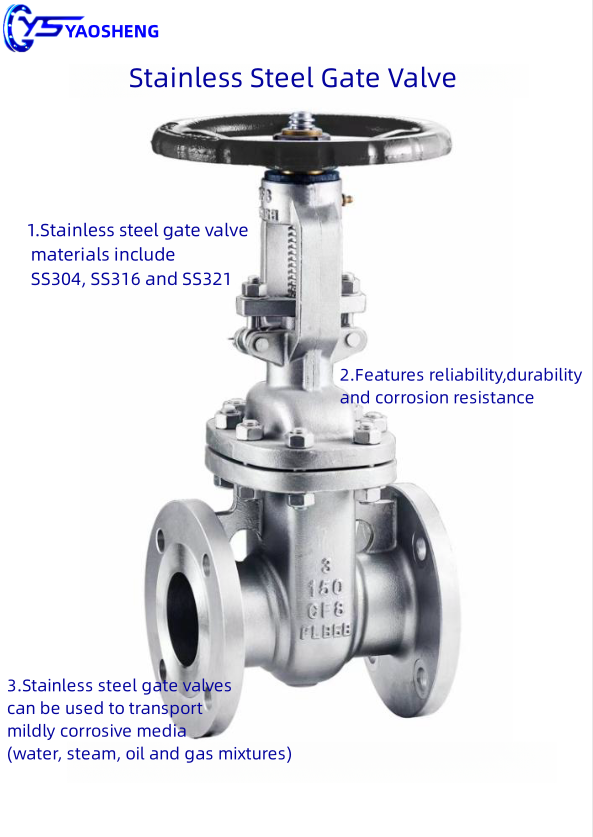
The selection of materials for cryogenic solenoid valves is dictated by the need to maintain ductility and fracture toughness at extremely low temperatures. Valve bodies are commonly constructed from 304L or 316L stainless steel, selected for their austenitic structure which resists embrittlement. Seals are a critical component, frequently utilizing PTFE (Polytetrafluoroethylene) reinforced with carbon fiber or graphite to enhance creep resistance and maintain sealing force at cryogenic temperatures. Other materials used include PEEK (Polyether ether ketone) for certain internal components, and specialized elastomers formulated for low-temperature flexibility. Manufacturing processes are tightly controlled. Valve bodies often start as bar stock and are machined to precise tolerances. Welding, when employed, utilizes techniques like Gas Tungsten Arc Welding (GTAW) with low-hydrogen electrodes to prevent weld metal embrittlement. Solenoid coils are encapsulated to protect them from the cryogenic environment, typically using epoxy resins with high dielectric strength and thermal stability. Critical parameters during manufacturing include dimensional accuracy of internal bores, surface finish to minimize friction, and proper passivation of stainless steel components to enhance corrosion resistance. Leak testing at cryogenic temperatures (e.g., liquid nitrogen immersion) is a non-negotiable quality control step.
Performance & Engineering
The performance of cryogenic solenoid valves is governed by several engineering principles. Force analysis is crucial to ensure the solenoid coil generates sufficient force to overcome spring forces and fluid pressure, reliably opening and closing the valve. The stem design must minimize frictional resistance and prevent stiction at low temperatures. Environmental resistance considerations include thermal shock, which can induce stresses in the valve body and seals. Heat leak is a significant concern; minimizing conductive and convective heat transfer is achieved through insulation techniques, optimized valve geometry, and materials selection. Compliance requirements stem from pressure vessel standards (e.g., ASME Boiler and Pressure Vessel Code Section VIII Division 1) and safety regulations specific to cryogenic fluid handling. Functional implementation requires careful consideration of the fluid's thermodynamic properties, particularly its density and vapor pressure at operating temperatures. Valve sizing is critical to maintain desired flow rates without cavitation or excessive pressure drop. The valve’s Cv (flow coefficient) must be accurately determined for the target cryogenic fluid and operating conditions. Furthermore, the valve’s response time – defined as the time to reach full open or closed position – is a vital performance metric, impacting process control accuracy.
Technical Specifications
| Parameter | Unit | Typical Value | Tolerance |
|---|---|---|---|
| Maximum Operating Pressure | Bar | 200 | ±5% |
| Leak Rate (Bubble Tight) | sccm (Standard Cubic Centimeters per Minute) | <1 | N/A |
| Operating Temperature Range | °C | -196 to 25 | ±2°C |
| Response Time (Open) | ms (Milliseconds) | 20-50 | ±10% |
| Response Time (Close) | ms (Milliseconds) | 30-60 | ±10% |
| Cycle Life | Cycles | >1,000,000 | N/A |
Failure Mode & Maintenance
Cryogenic solenoid valves are susceptible to several failure modes. Fatigue cracking can occur in the valve body or stem due to repeated thermal cycling and pressure fluctuations. Delamination of PTFE seals is a common issue, caused by thermal stresses and creep at low temperatures. Ice formation within the valve can obstruct flow and prevent proper closure. Oxidation of metallic components, although slow, can degrade material properties over time. Failure analysis often reveals that inadequate sealing materials, improper installation, or contamination of the cryogenic fluid contribute to premature failure. Preventative maintenance is crucial. Regular inspection of seals for signs of degradation is recommended. Periodic cleaning to remove contaminants is essential. Lubrication of moving parts with cryogenic-compatible lubricants can reduce friction and wear. Storage of valves in a dry, inert atmosphere when not in use prevents corrosion. If a valve fails to operate correctly, a thorough inspection of the solenoid coil, valve stem, and seals should be performed. Replacement of worn or damaged components with qualified spares is critical. Proper torqueing of fasteners during reassembly is essential to ensure a leak-tight seal.
Industry FAQ
Q: What are the key differences between a standard solenoid valve and a cryogenic solenoid valve?
A: The primary differences lie in material selection and design. Cryogenic valves utilize materials specifically chosen for ductility and toughness at extremely low temperatures (e.g., 304L/316L stainless steel, specialized PTFE seals), while standard valves are often made from materials that become brittle at cryogenic temperatures. Cryogenic valves also incorporate design features to minimize heat leak and prevent ice formation.
Q: How do you ensure leak tightness in a cryogenic solenoid valve?
A: Leak tightness is achieved through a combination of precise machining of sealing surfaces, the use of high-quality sealing materials (e.g., reinforced PTFE), and careful assembly with appropriate torque values. Valves are rigorously leak tested at cryogenic temperatures to verify performance.
Q: What is the impact of thermal shock on cryogenic solenoid valve performance?
A: Thermal shock – the rapid change in temperature – can induce stresses within the valve body and seals, potentially leading to cracking or deformation. Material selection and robust valve design are crucial to mitigate the effects of thermal shock. Slow valve actuation and controlled temperature ramping can also reduce stress.
Q: What type of lubricants are compatible with cryogenic fluids?
A: Standard lubricants typically freeze or become ineffective at cryogenic temperatures. Cryogenic solenoid valves require specialized lubricants formulated for low-temperature operation, often based on fluoropolymers or synthetic hydrocarbons. It's crucial to verify lubricant compatibility with the specific cryogenic fluid being used.
Q: What are the common causes of valve failure in LNG applications?
A: Common failure modes in LNG applications include seal degradation due to the harsh cryogenic environment, ice formation from moisture ingress, and corrosion from contaminants present in the LNG stream. Regular inspection, proper filtration, and the use of corrosion-resistant materials are critical for reliable operation.
Conclusion
Cryogenic solenoid valves represent a critical enabling technology for a broad range of industries relying on the safe and precise control of liquefied gases. Their performance is fundamentally linked to meticulous material selection, exacting manufacturing processes, and a thorough understanding of cryogenic fluid dynamics. Addressing the industry pain points – maintaining seal integrity, minimizing heat leak, and preventing ice formation – requires a holistic approach encompassing design, materials, and rigorous quality control.
Future developments in this field will likely focus on advancements in sealing materials, improved insulation techniques, and the integration of smart monitoring systems for predictive maintenance. Furthermore, the increasing demand for efficient and sustainable energy solutions, particularly LNG, will continue to drive innovation in cryogenic valve technology, prioritizing reliability, performance, and long-term cost-effectiveness.
-
Top Reasons to Choose a Stainless Steel Flange Check Valve for Industrial Applications
-
Direct Acting Solenoid Valves Performance Analysis
-
solenoid valve direct acting Performance Analysis
-
solenoid valve miniature Performance Analysis
-
cryogenic solenoid valves Material Science Manufacturing
-
solenoid valve cryogenic Performance Analysis
-
24vdc solenoid valve Performance Analysis
-
24vdc solenoid valves Performance Analysis
-
solenoid valves 24vdc Performance Analysis
-
solenoid valve 24 vdc Performance Analysis
-
24v dc solenoid valve Performance Analysis
-
circle seal check valve Performance Engineering
-
circle seal check valves Performance Analysis
-
cryogenic check valve Performance Analysis
-
3 swing check valve Performance Analysis
 Afrikaans
 Albanian
 Amharic
 Arabic
 Armenian
 Azerbaijani
 Basque
 Belarusian
 Bengali
 Bosnian
 Bulgarian
 Catalan
 Cebuano
 Corsican
 Croatian
 Czech
Czech
 Danish
 Dutch
Dutch
 Esperanto
 Estonian
 Finnish
 French
 Frisian
 Galician
 Georgian
 German
 Greek
Greek
 Gujarati
 Haitian Creole
 Hausa
Hawaiian
Hausa
Hawaiian
 Hebrew
 Hindi
Hindi
 Miao
Miao
 Hungarian
 Icelandic
 Igbo
Igbo
 Indonesian
 Irish
Irish
 Italian
 Japanese
 Javanese
Kannada
Javanese
Kannada
 Kazakh
 Khmer
Khmer
 Rwandese
 Korean
 Kurdish
 Kyrgyz
 Lao
Lao
 Latin
Latin
 Latvian
 Lithuanian
 Luxembourgish
 Macedonian
 Malgashi
 Malay
Malay
 Malayalam
 Maltese
 Maori
Maori
 Marathi
 Mongolian
 Myanmar
 Nepali
 Norwegian
 Norwegian
 Occitan
 Pashto
 Persian
 Polish
 Portuguese
Punjabi
Portuguese
Punjabi
 Romanian
 Russian
 Samoan
 Scottish Gaelic
 Serbian
 Sesotho
 Shona
Shona
 Sindhi
 Sinhala
 Slovak
 Slovenian
 Somali
 Spanish
 Sundanese
 Swahili
 Swedish
Tagalog
Swedish
Tagalog
 Tajik
Tajik
 Tamil
Tamil
 Tatar
Tatar
 Telugu
 Thai
Thai
 Turkish
 Turkmen
 Ukrainian
 Urdu
Urdu
 Uighur
 Uzbek
Uzbek
 Vietnamese
 Welsh
Welsh
 Bantu
Bantu
 Yiddish
 Yoruba
 Zulu
Zulu
 English