




24vdc solenoid valve Performance Analysis
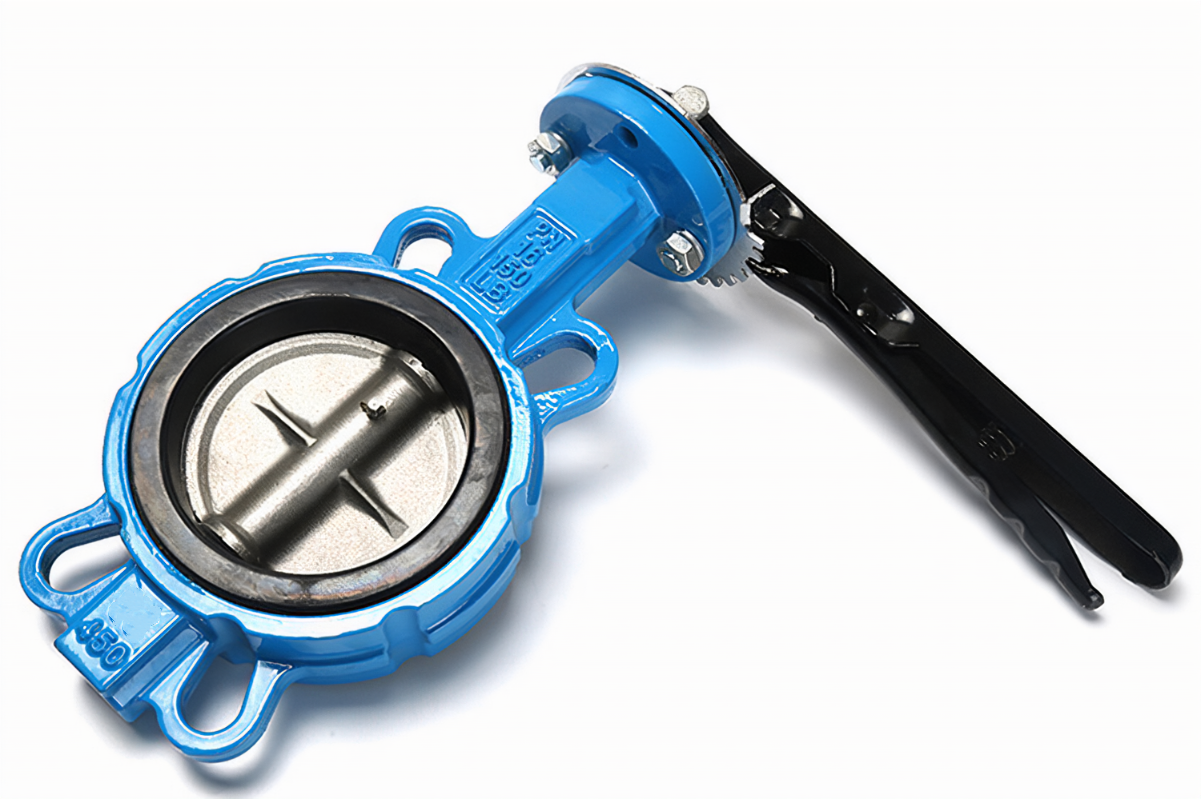
Introduction
The 24VDC solenoid valve is an electromechanically operated valve utilized to control the flow of fluids (liquids or gases). It functions by converting electrical energy into linear motion, opening or closing an orifice to regulate fluid passage. Positioned within the broader industrial automation and fluid power systems, it serves as a critical component in applications ranging from process control in chemical plants and water treatment facilities to pneumatic and hydraulic systems in manufacturing and robotics. Core performance characteristics include response time, flow capacity (Cv), pressure rating, media compatibility, and power consumption. The industry currently faces challenges surrounding energy efficiency, minimization of leakage, and robust performance in harsh environments, driving demand for increasingly sophisticated solenoid valve designs.
Material Science & Manufacturing
The body of a 24VDC solenoid valve is commonly constructed from materials like brass (CZ121, CZ132), stainless steel (304, 316), or engineered plastics (PBT, PPS). Brass offers good machinability and corrosion resistance for many fluids, but stainless steel is preferred for aggressive media and high-temperature applications. Plastics provide lightweight solutions suitable for low-pressure, chemically inert fluids. The core pin, responsible for valve actuation, is typically manufactured from high-permeability steel (e.g., 43VF7) to maximize electromagnetic force. Seals are generally made from elastomers like Nitrile (NBR), Viton (FKM), or EPDM, selected based on fluid compatibility and temperature range. Manufacturing processes involve precision machining of the valve body, coil winding with copper wire insulated with Class H materials (e.g., polyester-imide), and assembly under controlled conditions to ensure leak-tightness. Critical parameter control includes maintaining tight tolerances on internal dimensions to optimize flow characteristics, ensuring consistent coil resistance and inductance for reliable operation, and implementing rigorous testing protocols for pressure and leakage. Welding (TIG, laser) is often used for stainless steel valve bodies, demanding precise control of heat input to prevent material distortion and maintain corrosion resistance. Plastic components are typically produced via injection molding, where melt temperature, injection pressure, and cooling rate directly impact dimensional accuracy and mechanical properties.
Performance & Engineering
Performance analysis of 24VDC solenoid valves centers on force balance and fluid dynamics. The electromagnetic force generated by the coil must overcome the spring force and fluid pressure to achieve rapid and reliable switching. Bernoulli’s principle governs flow through the valve orifice; the flow rate is directly proportional to the square root of the pressure difference and inversely proportional to the orifice area. Environmental resistance is a key concern. Solenoid valves operating in corrosive atmospheres require specialized coatings (e.g., epoxy, PTFE) to prevent degradation. Temperature fluctuations can affect seal performance and coil resistance, demanding materials with stable properties over a wide temperature range. Compliance requirements vary by industry. For potable water applications, valves must meet NSF/ANSI 61 standards for lead content and material safety. In hazardous locations, valves must be intrinsically safe (ATEX, IECEx) to prevent ignition of flammable gases or liquids. Functional implementation requires careful consideration of voltage drop in the wiring, ensuring sufficient current reaches the coil. Valve response time (opening and closing speed) is optimized by minimizing the mass of the core pin and utilizing efficient coil designs.
Technical Specifications
| Parameter | Unit | Typical Value | Tolerance |
|---|---|---|---|
| Operating Voltage | VDC | 24 | ±10% |
| Coil Resistance | Ω | 85 | ±5% |
| Maximum Pressure | PSI | 150 | - |
| Flow Coefficient (Cv) | - | 0.8 | ±0.1 |
| Response Time (Open/Close) | ms | 20/30 | - |
| Operating Temperature | °C | -40 to 85 | - |
Failure Mode & Maintenance
Common failure modes in 24VDC solenoid valves include coil burnout due to overvoltage or overheating, seal failure leading to leakage, core pin sticking due to contamination or corrosion, and spring fatigue causing slow or incomplete actuation. Coil burnout typically arises from exceeding the rated voltage or continuous duty cycle at elevated temperatures. Seal degradation is accelerated by chemical incompatibility, extreme temperatures, and mechanical wear. Core pin sticking is often caused by particulate matter in the fluid or corrosion products forming on the pin surface. Failure analysis involves visual inspection for physical damage, electrical testing of the coil (resistance, insulation), and leak testing. Preventive maintenance includes regular cleaning to remove contaminants, periodic replacement of seals, and inspection of electrical connections. For coil burnout, replacement is necessary. For seal failures, replacement with a compatible material is required. If the core pin is sticking, cleaning with a suitable solvent or ultrasonic cleaning may restore function. For spring fatigue, valve replacement is recommended. Proper electrical grounding and surge protection are crucial to prevent coil burnout. Regular filtration of the fluid minimizes contamination and extends seal life.
Industry FAQ
Q: What is the impact of fluid viscosity on solenoid valve performance?
A: Increased fluid viscosity significantly reduces flow rate and increases response time. Higher viscosity fluids require greater force to initiate flow, potentially exceeding the valve’s capacity. This can lead to sluggish operation or complete failure to open. Selecting a valve with a larger orifice and higher coil power is crucial for handling viscous fluids.
Q: How do I select the appropriate material for the valve body based on the fluid being used?
A: Chemical compatibility is paramount. Consult a chemical resistance chart to ensure the valve body material (brass, stainless steel, plastic) is inert to the fluid. For corrosive fluids, stainless steel (316) or specialized plastics like PTFE are recommended. Consider the fluid’s temperature and pressure as these can exacerbate corrosion.
Q: What are the advantages of using a direct-acting versus a pilot-operated solenoid valve?
A: Direct-acting valves are faster and more responsive, but generally have lower flow capacity and require more power. Pilot-operated valves offer higher flow capacity and lower power consumption, but have slower response times and require a minimum pressure differential to operate correctly. The choice depends on the application’s specific requirements.
Q: What are the typical causes of coil failure in a 24VDC solenoid valve?
A: Common causes include overvoltage, overheating due to excessive duty cycle, moisture ingress, and physical damage. Using a surge suppressor and ensuring proper ventilation can mitigate these risks. Regular voltage monitoring is also recommended.
Q: How can I troubleshoot a solenoid valve that is not opening despite receiving 24VDC?
A: Verify the voltage at the coil terminals with a multimeter. Check for a blown fuse or tripped circuit breaker. Inspect the coil for continuity. If the coil is good, suspect a sticking core pin (clean it) or a faulty seal (replace it). Also, ensure there's sufficient pressure differential if using a pilot-operated valve.
Conclusion
The 24VDC solenoid valve remains a cornerstone of modern industrial control systems. Its reliable and precise fluid control capabilities are essential across diverse applications. Understanding the underlying material science, manufacturing intricacies, and performance parameters is critical for proper selection, installation, and maintenance. Addressing potential failure modes proactively and adhering to relevant industry standards ensures optimal operational longevity and minimizes downtime.
Future trends in solenoid valve technology include the development of miniature, low-power devices for portable applications, integration of smart features such as self-diagnostics and remote monitoring, and increased utilization of advanced materials to enhance corrosion resistance and temperature stability. Continuous refinement of coil designs and fluid dynamic optimization will further improve efficiency and response times, solidifying the solenoid valve’s role in advanced industrial automation.
-
Top Reasons to Choose a Stainless Steel Flange Check Valve for Industrial Applications
-
24vdc solenoid valve Performance Analysis
-
24vdc solenoid valves Performance Analysis
-
solenoid valves 24vdc Performance Analysis
-
solenoid valve 24 vdc Performance Analysis
-
24v dc solenoid valve Performance Analysis
-
circle seal check valve Performance Engineering
-
circle seal check valves Performance Analysis
-
cryogenic check valve Performance Analysis
-
3 swing check valve Performance Analysis
-
4 wafer check valve Performance Analysis
-
6 wafer check valve Performance Analysis
-
cryogenic check valves Performance Analysis
-
soft seated check valve Performance Analysis
-
3/4 check valve Performance Analysis
 Afrikaans
 Albanian
 Amharic
 Arabic
 Armenian
 Azerbaijani
 Basque
 Belarusian
 Bengali
 Bosnian
 Bulgarian
 Catalan
 Cebuano
 Corsican
 Croatian
 Czech
Czech
 Danish
 Dutch
Dutch
 Esperanto
 Estonian
 Finnish
 French
 Frisian
 Galician
 Georgian
 German
 Greek
Greek
 Gujarati
 Haitian Creole
 Hausa
Hawaiian
Hausa
Hawaiian
 Hebrew
 Hindi
Hindi
 Miao
Miao
 Hungarian
 Icelandic
 Igbo
Igbo
 Indonesian
 Irish
Irish
 Italian
 Japanese
 Javanese
Kannada
Javanese
Kannada
 Kazakh
 Khmer
Khmer
 Rwandese
 Korean
 Kurdish
 Kyrgyz
 Lao
Lao
 Latin
Latin
 Latvian
 Lithuanian
 Luxembourgish
 Macedonian
 Malgashi
 Malay
Malay
 Malayalam
 Maltese
 Maori
Maori
 Marathi
 Mongolian
 Myanmar
 Nepali
 Norwegian
 Norwegian
 Occitan
 Pashto
 Persian
 Polish
 Portuguese
Punjabi
Portuguese
Punjabi
 Romanian
 Russian
 Samoan
 Scottish Gaelic
 Serbian
 Sesotho
 Shona
Shona
 Sindhi
 Sinhala
 Slovak
 Slovenian
 Somali
 Spanish
 Sundanese
 Swahili
 Swedish
Tagalog
Swedish
Tagalog
 Tajik
Tajik
 Tamil
Tamil
 Tatar
Tatar
 Telugu
 Thai
Thai
 Turkish
 Turkmen
 Ukrainian
 Urdu
Urdu
 Uighur
 Uzbek
Uzbek
 Vietnamese
 Welsh
Welsh
 Bantu
Bantu
 Yiddish
 Yoruba
 Zulu
Zulu
 English