




china floating valve Performance Analysis
Introduction
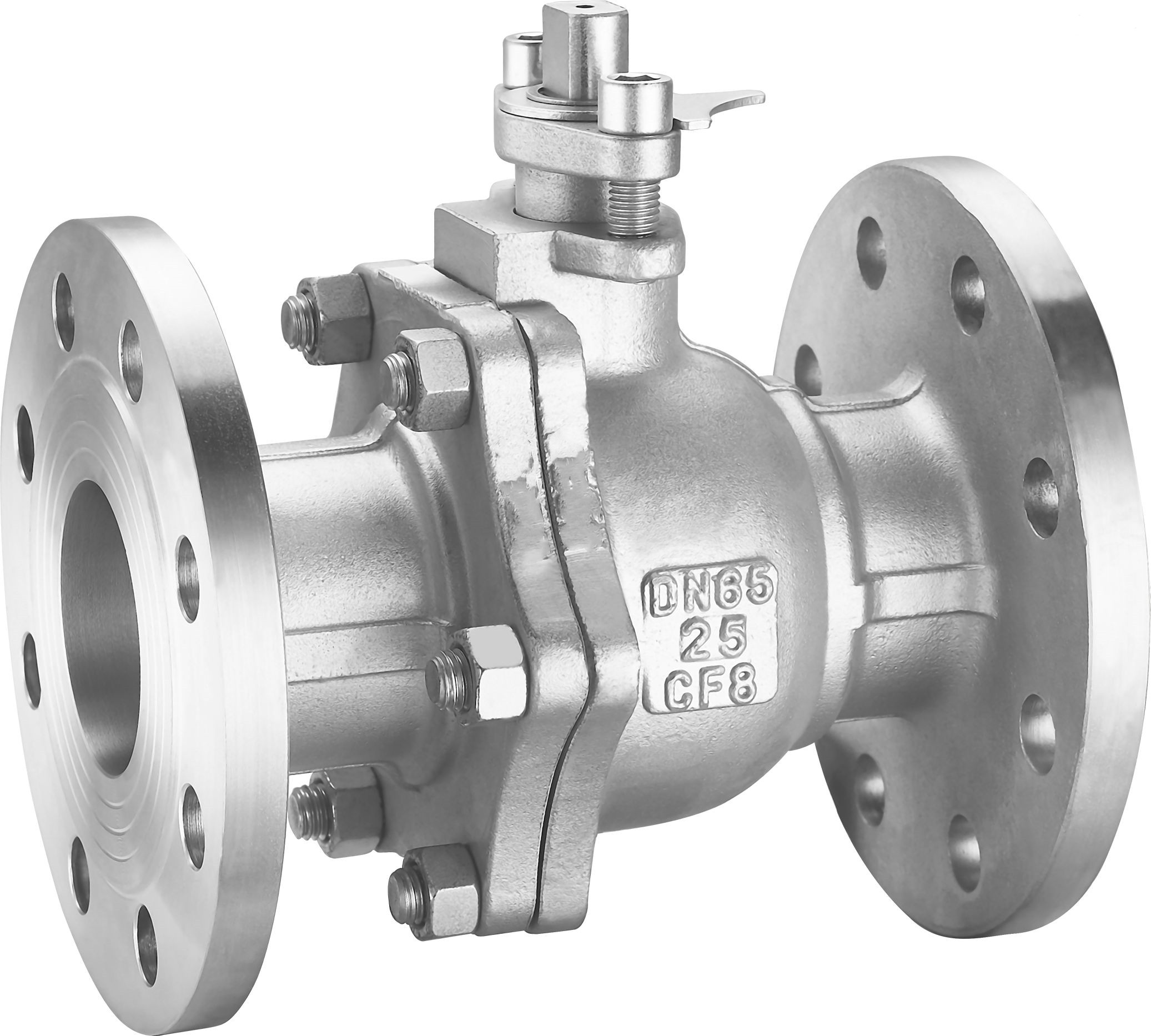
The china floating valve is a critical component in pipeline systems designed for fluid control, primarily in industrial applications such as water treatment, chemical processing, and oil & gas. Characterized by a disc-shaped closure element that floats freely within the flow stream, these valves offer efficient sealing and minimal pressure drop. They represent a cost-effective alternative to other valve types, particularly in large diameter applications. This guide provides a detailed technical overview, encompassing material science, manufacturing processes, performance characteristics, failure modes, and relevant industry standards. The core performance is defined by its tight shut-off capability, resistance to media corrosion, and longevity under cyclical operation. A primary industry pain point revolves around ensuring long-term sealing performance in abrasive fluid environments and maintaining consistent torque specifications for actuation.
Material Science & Manufacturing
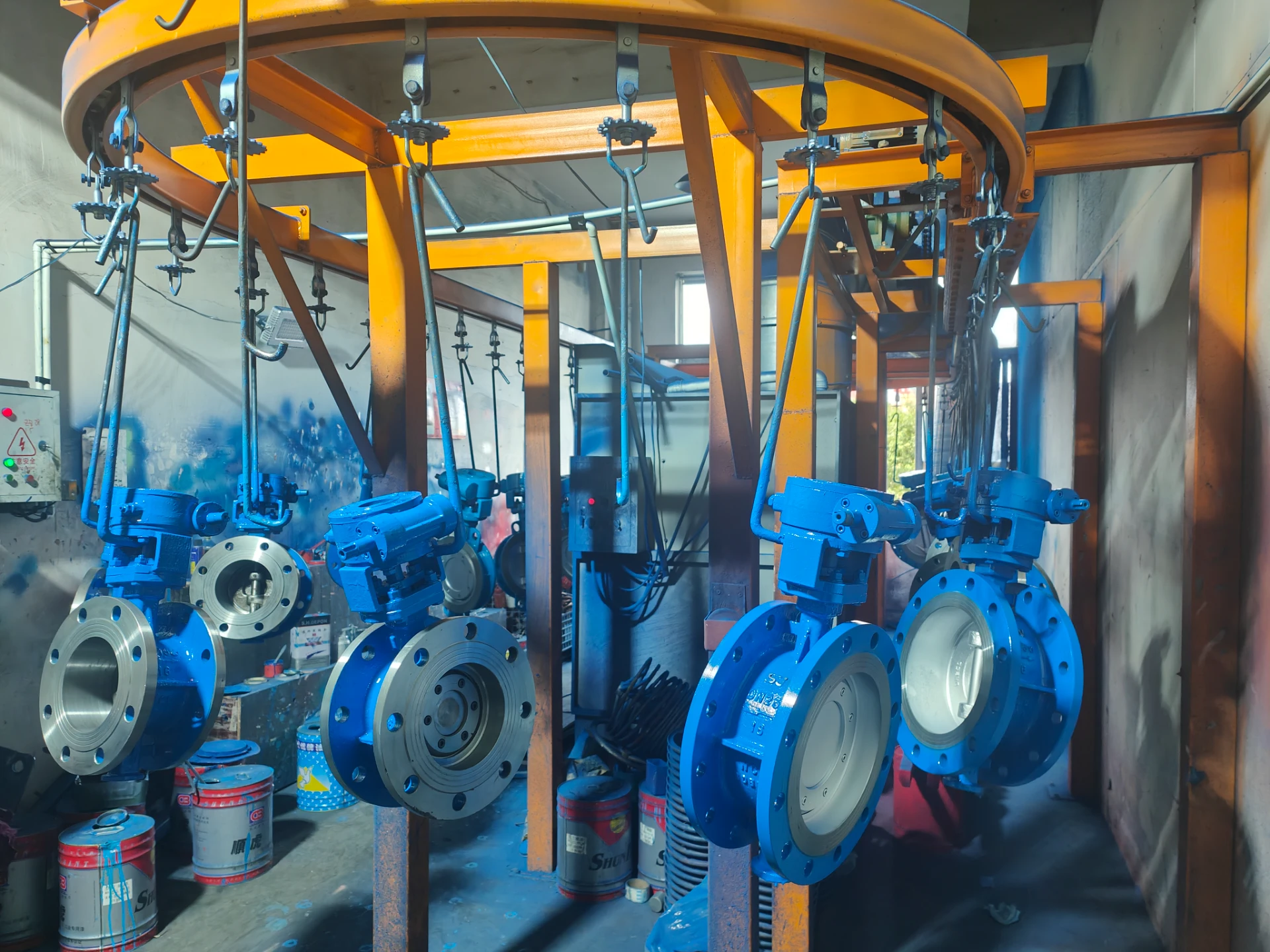
The body of a china floating valve is typically constructed from cast iron (ASTM A126 Class B), ductile iron (ASTM A536 65-45-12), or stainless steel (304/316 - ASTM A351). Cast iron provides cost-effectiveness for non-corrosive applications but is susceptible to corrosion. Ductile iron offers improved strength and ductility, enhancing resistance to fracture. Stainless steel offers superior corrosion resistance for handling aggressive media. The disc itself is commonly made from stainless steel (304/316), PTFE (Teflon), or EPDM rubber, chosen based on fluid compatibility and temperature requirements. The seat is often reinforced with a resilient material like EPDM or nitrile rubber. Manufacturing typically involves sand casting for the body, followed by machining to achieve precise dimensions and smooth sealing surfaces. The disc is produced via forging or investment casting. Key parameter control during manufacturing includes maintaining dimensional tolerances (+/- 0.1mm), surface roughness (Ra < 1.6 µm for sealing surfaces), and accurate heat treatment to achieve desired material hardness. Welding processes, if applicable (e.g., for stainless steel bodies), must adhere to AWS D1.1 standards to ensure structural integrity. PTFE lining application requires meticulous surface preparation and controlled sintering processes to ensure a robust bond.
Performance & Engineering
The performance of a china floating valve is governed by several engineering principles. Force analysis focuses on the torque required to operate the valve, considering factors like fluid pressure, disc size, and frictional forces. The stem-to-disc connection is a critical stress concentration point, susceptible to fatigue failure under cyclical operation. Environmental resistance is paramount; the valve must withstand temperature fluctuations, exposure to UV radiation (for outdoor installations), and chemical attack from the conveyed fluid. Compliance requirements vary by application; valves intended for potable water systems must meet NSF/ANSI 61 standards. Those used in hazardous locations must comply with ATEX or IECEx standards for explosion protection. Functional implementation involves proper valve sizing to ensure optimal flow velocity and minimize cavitation. Cavitation, a common failure mechanism, occurs when pressure drops rapidly, forming vapor bubbles that collapse and erode the valve's internal components. Proper selection of materials and surface finishes can mitigate cavitation damage. Leak rate testing, conducted according to API 598 standards, verifies the valve’s sealing performance.
Technical Specifications
| Parameter | Units | Typical Value (Cast Iron) | Typical Value (Ductile Iron) |
|---|---|---|---|
| Maximum Operating Pressure | MPa | 1.6 | 2.5 |
| Operating Temperature Range | °C | -10 to 80 | -20 to 120 |
| Valve Size (DN) | mm | 50 - 600 | 50 - 1200 |
| Leakage Rate (Class V) | ml/min | < 0.1 | < 0.1 |
| Connection Type | - | Flanged, Wafer | Flanged, Wafer |
| Actuation Type | - | Manual, Pneumatic, Electric | Manual, Pneumatic, Electric |
Failure Mode & Maintenance
Common failure modes for china floating valves include: 1) Corrosion: Particularly in cast iron valves exposed to corrosive fluids. Prevention involves material selection (stainless steel, epoxy coating) and regular inspection. 2) Erosion: Caused by abrasive particles in the fluid stream, leading to disc and seat wear. Mitigation strategies include hardened materials and flow control. 3) Seat Degradation: Rubber seats can degrade over time due to chemical attack or temperature extremes. Regular replacement is necessary. 4) Stem Fatigue Cracking: Cyclical loading can induce fatigue cracks in the stem, leading to leakage. Proper torque control during operation and regular stem inspection are crucial. 5) Disc Binding: Foreign object debris can cause the disc to bind within the valve body, hindering operation. Periodic cleaning and inspection are recommended. Maintenance should include regular visual inspection for corrosion or damage, lubrication of moving parts (stem, bearings), and torque checking of actuation mechanisms. Disassembly and inspection of the seat and disc should be performed annually or as dictated by operating conditions. Non-destructive testing (NDT) methods, such as liquid penetrant inspection, can detect surface cracks.
Industry FAQ
Q: What is the impact of fluid velocity on the lifespan of a floating valve?
A: Higher fluid velocities significantly increase the risk of erosion and cavitation, drastically reducing valve lifespan. Excessive velocity accelerates wear on the disc and seat, and the formation/implosion of cavitation bubbles causes pitting and surface damage. Careful valve sizing and flow control are essential to maintain optimal velocity and prevent premature failure.
Q: How does the choice of seat material affect chemical compatibility?
A: Seat material compatibility is critical. EPDM is suitable for many general applications, but it is not resistant to strong acids or oils. PTFE offers broad chemical resistance but is susceptible to creep at elevated temperatures. Nitrile rubber provides good resistance to oil and fuels. Always consult a chemical compatibility chart to ensure the seat material is compatible with the conveyed fluid.
Q: What are the key considerations when selecting a valve for high-temperature applications?
A: High temperatures can degrade seat materials (especially elastomers) and reduce the strength of the valve body. Stainless steel is generally preferred for high-temperature applications. The valve’s pressure-temperature rating must be carefully considered. Thermal expansion and contraction need to be accounted for in the piping system design to prevent stress on the valve.
Q: What is the significance of API 598 leakage testing, and what are the different classes?
A: API 598 defines leakage testing procedures to verify the sealing performance of valves. Leakage is categorized into classes (I-VI), with Class VI being the most stringent (lowest allowable leakage). The appropriate leakage class depends on the application and the fluid being controlled. Proper testing ensures the valve meets specified performance criteria.
Q: What preventative maintenance is recommended to avoid valve seizure in infrequently used systems?
A: Valve seizure in infrequent use is often caused by corrosion and debris accumulation. Regular full-stroke exercising (opening and closing the valve) is crucial to distribute lubricant and prevent binding. Periodic flushing of the valve body can remove debris. Applying a corrosion inhibitor to the valve internals can also help prevent seizure.
Conclusion
The china floating valve represents a versatile and cost-effective solution for fluid control in a wide range of industrial applications. Its performance, however, is inextricably linked to careful material selection, precise manufacturing, and diligent maintenance. Understanding the potential failure modes – particularly corrosion, erosion, and seat degradation – is critical for ensuring long-term reliability.
Looking forward, advancements in materials science will likely lead to more durable and chemically resistant valve components. Implementing predictive maintenance strategies, utilizing condition monitoring sensors to detect early signs of wear, will further enhance operational efficiency and reduce downtime. Adherence to established industry standards and best practices remains paramount for optimal performance and safety.
-
Top Reasons to Choose a Stainless Steel Flange Check Valve for Industrial Applications
-
Direct Acting Solenoid Valves Performance Analysis
-
solenoid valve direct acting Performance Analysis
-
solenoid valve miniature Performance Analysis
-
cryogenic solenoid valves Material Science Manufacturing
-
solenoid valve cryogenic Performance Analysis
-
24vdc solenoid valve Performance Analysis
-
24vdc solenoid valves Performance Analysis
-
solenoid valves 24vdc Performance Analysis
-
solenoid valve 24 vdc Performance Analysis
-
24v dc solenoid valve Performance Analysis
-
circle seal check valve Performance Engineering
-
circle seal check valves Performance Analysis
-
cryogenic check valve Performance Analysis
-
3 swing check valve Performance Analysis
 Afrikaans
 Albanian
 Amharic
 Arabic
 Armenian
 Azerbaijani
 Basque
 Belarusian
 Bengali
 Bosnian
 Bulgarian
 Catalan
 Cebuano
 Corsican
 Croatian
 Czech
Czech
 Danish
 Dutch
Dutch
 Esperanto
 Estonian
 Finnish
 French
 Frisian
 Galician
 Georgian
 German
 Greek
Greek
 Gujarati
 Haitian Creole
 Hausa
Hawaiian
Hausa
Hawaiian
 Hebrew
 Hindi
Hindi
 Miao
Miao
 Hungarian
 Icelandic
 Igbo
Igbo
 Indonesian
 Irish
Irish
 Italian
 Japanese
 Javanese
Kannada
Javanese
Kannada
 Kazakh
 Khmer
Khmer
 Rwandese
 Korean
 Kurdish
 Kyrgyz
 Lao
Lao
 Latin
Latin
 Latvian
 Lithuanian
 Luxembourgish
 Macedonian
 Malgashi
 Malay
Malay
 Malayalam
 Maltese
 Maori
Maori
 Marathi
 Mongolian
 Myanmar
 Nepali
 Norwegian
 Norwegian
 Occitan
 Pashto
 Persian
 Polish
 Portuguese
Punjabi
Portuguese
Punjabi
 Romanian
 Russian
 Samoan
 Scottish Gaelic
 Serbian
 Sesotho
 Shona
Shona
 Sindhi
 Sinhala
 Slovak
 Slovenian
 Somali
 Spanish
 Sundanese
 Swahili
 Swedish
Tagalog
Swedish
Tagalog
 Tajik
Tajik
 Tamil
Tamil
 Tatar
Tatar
 Telugu
 Thai
Thai
 Turkish
 Turkmen
 Ukrainian
 Urdu
Urdu
 Uighur
 Uzbek
Uzbek
 Vietnamese
 Welsh
Welsh
 Bantu
Bantu
 Yiddish
 Yoruba
 Zulu
Zulu
 English