




china gate valve stainless steel Performance Analysis
Introduction
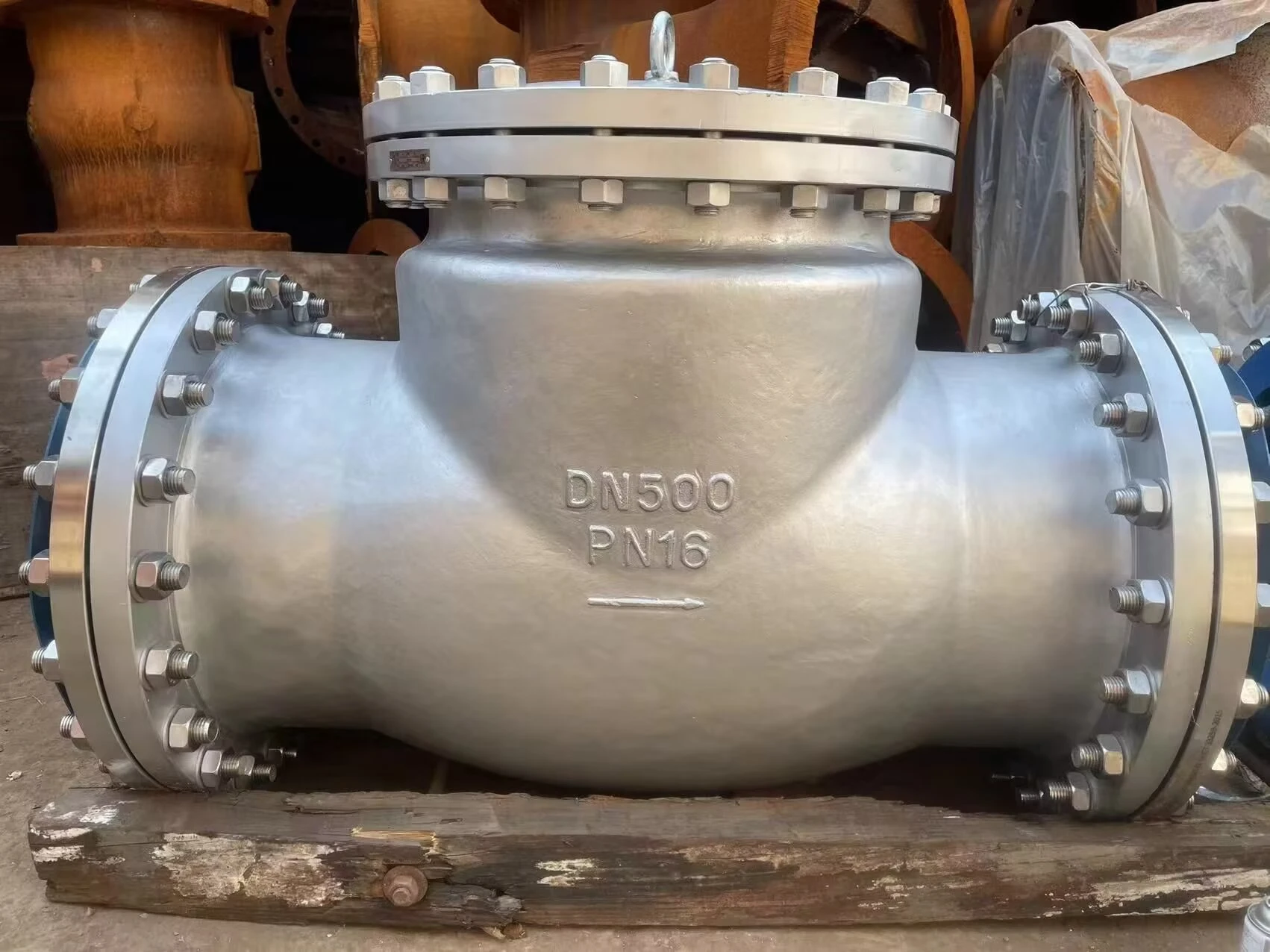
China gate valves, fabricated from stainless steel, represent a critical component in fluid handling systems across numerous industrial sectors. These valves are employed to isolate and regulate the flow of liquids, gases, and slurries. Their position within the industry chain is fundamental – acting as a control point in pipelines connecting process equipment, storage tanks, and transportation networks. Stainless steel gate valves are favored for their corrosion resistance, durability, and ability to operate reliably under a range of pressures and temperatures. Core performance characteristics include tight shut-off, minimal pressure drop in the fully open position, and a long service life, essential for minimizing downtime and maintenance costs. However, key industry pain points revolve around material traceability, ensuring compliance with stringent industry standards (particularly concerning food-grade or pharmaceutical applications), and preventing failures due to improper installation, operation, or material defects. The widespread manufacturing in China necessitates careful scrutiny of quality control processes and adherence to international certifications.
Material Science & Manufacturing
The primary material for stainless steel gate valves is typically 304/304L or 316/316L stainless steel. 304/304L offers excellent corrosion resistance in many applications due to its chromium content (18-20%), while 316/316L contains molybdenum (2-3%) enhancing resistance to chloride pitting and crevice corrosion, crucial in marine environments or those processing halogen-containing chemicals. Raw material composition must conform to ASTM A276 standards. Manufacturing begins with the casting or forging of the valve body, bonnet, and disc. Casting, employing investment casting for complex geometries, yields near-net shape components minimizing machining. Forging, using processes like open-die or closed-die forging, offers superior mechanical properties. Key parameters during casting include melt temperature, cooling rate, and mold material. Forging requires precise temperature control and impact force. The valve disc is typically machined from bar stock, ensuring dimensional accuracy and surface finish. The stem is often manufactured from martensitic stainless steel (e.g., 410 or 420) for high wear resistance. Sealing is achieved via resilient seats made from materials like PTFE, EPDM, or Viton, selected for chemical compatibility. Assembly requires precise torque control during bolt tightening to ensure proper sealing and prevent distortion. Welding processes, such as TIG (GTAW) or SMAW, are used for joining components, requiring qualified welders and adherence to AWS D1.1 standards to maintain material integrity and prevent corrosion. Non-Destructive Testing (NDT), including radiographic testing (RT), ultrasonic testing (UT), and liquid penetrant inspection (LPI), is critical for detecting internal and surface defects.
Performance & Engineering
Gate valve performance is primarily dictated by its ability to provide tight shut-off and minimize pressure drop. Force analysis during operation considers hydrostatic forces, flow forces, and thermal stresses. Hydrostatic forces increase with pressure, requiring robust valve body design and proper support. Flow forces act on the disc and stem, particularly during partial opening, inducing vibration and wear. Thermal stresses arise from temperature gradients within the valve, especially in high-temperature applications. Environmental resistance is paramount. Stainless steel’s corrosion resistance is dependent on passivation – a protective chromium oxide layer formed on the surface. Chloride attack, however, can disrupt passivation leading to pitting corrosion. For cryogenic applications, austenitic stainless steels (304/316) exhibit superior toughness and ductility compared to ferritic or martensitic grades. Compliance requirements vary by industry. For potable water systems, valves must comply with NSF/ANSI 61 standards. For pharmaceutical applications, compliance with ASME BPE standards regarding surface finish and cleanliness is essential. Functional implementation often involves actuators – manual handwheels, gear operators, or automated pneumatic/electric actuators. Actuator selection is based on required torque, speed, and control precision. Gate valve design must also account for fugitive emissions, adhering to EPA Method 21 standards to minimize environmental impact.
Technical Specifications
| Parameter | 304 Stainless Steel | 316 Stainless Steel | Unit |
|---|---|---|---|
| Tensile Strength | 500-700 | 520-750 | MPa |
| Yield Strength | 205-310 | 240-350 | MPa |
| Corrosion Rate (in 3.5% NaCl) | <0.1 | <0.1 | mm/year |
| Maximum Operating Pressure | Up to 250 | Up to 250 | psi |
| Operating Temperature Range | -196 to 370 | -196 to 425 | °C |
| Leakage Rate (Seat Closure) | <0.1 | <0.1 | mL/min |
Failure Mode & Maintenance
Common failure modes in stainless steel gate valves include disc erosion, seat deformation, stem corrosion/wear, and body cracking. Disc erosion occurs due to abrasive particles in the fluid stream, particularly at high velocities. Seat deformation arises from repeated loading and unloading, or from incompatibility with aggressive media. Stem corrosion and wear result from galvanic corrosion or insufficient lubrication. Body cracking can stem from stress corrosion cracking (SCC) in chloride-rich environments, or from fatigue cracking due to cyclic loading. Failure analysis involves visual inspection, dimensional measurements, metallographic examination, and chemical analysis. Maintenance strategies include regular inspection of seals, lubrication of stem and disc, and torque checks on bolts. Preventive maintenance schedules should be based on operating conditions and fluid characteristics. In case of leakage, the seat should be replaced. If corrosion is observed, the valve body may require repair or replacement. Proper installation, including correct alignment and support, is critical for preventing premature failure. Periodic hydrostatic testing ensures valve integrity and identifies potential leaks before they lead to catastrophic failure. Using genuine replacement parts is vital to maintain performance and avoid compatibility issues.
Industry FAQ
Q: What is the difference between a rising stem and a non-rising stem gate valve, and what are the implications for maintenance?
A: Rising stem gate valves indicate valve position visually – the stem rises as the valve opens. This allows for easy verification of operational status. Non-rising stem valves have a fixed stem, and position is indicated by a handwheel position. Maintenance on non-rising stem valves requires more careful observation to detect stem packing wear, as it is not directly visible. Both require periodic stem packing replacement to prevent leakage.
Q: How does the Ra value of the internal surfaces impact suitability for pharmaceutical applications?
A: Ra (roughness average) is critical in pharmaceutical applications. Lower Ra values (<0.8 μm, ideally <0.4 μm) minimize bacterial adhesion and facilitate cleaning validation. Higher Ra values provide more surface area for contamination to accumulate, hindering sterilization and potentially compromising product purity.
Q: What specific certifications are required for a stainless steel gate valve used in a potable water system in the US?
A: The valve must comply with NSF/ANSI 61 standards for drinking water system components. It also needs to meet Low-Lead requirements per the Safe Drinking Water Act, limiting lead content to a weighted average of 0.25% across wetted surfaces. Furthermore, a Uniform Plumbing Code (UPC) or International Plumbing Code (IPC) listing is often required.
Q: What are the common causes of stem packing failure and how can they be prevented?
A: Stem packing failure is often caused by improper packing installation, exceeding pressure/temperature limits, abrasive fluid media, or chemical incompatibility. Prevention involves using appropriate packing material for the fluid, proper compression during installation, regular inspection and re-tightening, and lubricating the stem.
Q: What is the role of NDT in ensuring the quality of a stainless steel gate valve?
A: Non-Destructive Testing (NDT) – including Radiographic Testing (RT), Ultrasonic Testing (UT), and Liquid Penetrant Inspection (LPI) – is crucial for detecting internal flaws (RT, UT) and surface defects (LPI) without damaging the valve. This ensures the structural integrity of critical components like the body and disc, preventing premature failure and maintaining safety.
Conclusion
Stainless steel gate valves represent a reliable solution for flow control, providing robust performance and longevity in diverse industrial applications. Understanding the material science, manufacturing processes, and performance parameters is essential for selecting the appropriate valve for a given application. The choice between 304 and 316 stainless steel depends heavily on the corrosivity of the fluid handled and the operating environment. Proper installation, maintenance, and adherence to relevant industry standards are paramount to prevent premature failure and ensure safe, efficient operation.
Looking forward, advancements in valve design will focus on reducing pressure drop, improving sealing performance, and enhancing diagnostic capabilities through the integration of sensors and smart technologies. Furthermore, increased emphasis on material traceability and sustainable manufacturing practices will drive the demand for high-quality, environmentally responsible gate valves from reputable manufacturers.
-
Top Reasons to Choose a Stainless Steel Flange Check Valve for Industrial Applications
-
Direct Acting Solenoid Valves Performance Analysis
-
solenoid valve direct acting Performance Analysis
-
solenoid valve miniature Performance Analysis
-
cryogenic solenoid valves Material Science Manufacturing
-
solenoid valve cryogenic Performance Analysis
-
24vdc solenoid valve Performance Analysis
-
24vdc solenoid valves Performance Analysis
-
solenoid valves 24vdc Performance Analysis
-
solenoid valve 24 vdc Performance Analysis
-
24v dc solenoid valve Performance Analysis
-
circle seal check valve Performance Engineering
-
circle seal check valves Performance Analysis
-
cryogenic check valve Performance Analysis
-
3 swing check valve Performance Analysis
 Afrikaans
 Albanian
 Amharic
 Arabic
 Armenian
 Azerbaijani
 Basque
 Belarusian
 Bengali
 Bosnian
 Bulgarian
 Catalan
 Cebuano
 Corsican
 Croatian
 Czech
Czech
 Danish
 Dutch
Dutch
 Esperanto
 Estonian
 Finnish
 French
 Frisian
 Galician
 Georgian
 German
 Greek
Greek
 Gujarati
 Haitian Creole
 Hausa
Hawaiian
Hausa
Hawaiian
 Hebrew
 Hindi
Hindi
 Miao
Miao
 Hungarian
 Icelandic
 Igbo
Igbo
 Indonesian
 Irish
Irish
 Italian
 Japanese
 Javanese
Kannada
Javanese
Kannada
 Kazakh
 Khmer
Khmer
 Rwandese
 Korean
 Kurdish
 Kyrgyz
 Lao
Lao
 Latin
Latin
 Latvian
 Lithuanian
 Luxembourgish
 Macedonian
 Malgashi
 Malay
Malay
 Malayalam
 Maltese
 Maori
Maori
 Marathi
 Mongolian
 Myanmar
 Nepali
 Norwegian
 Norwegian
 Occitan
 Pashto
 Persian
 Polish
 Portuguese
Punjabi
Portuguese
Punjabi
 Romanian
 Russian
 Samoan
 Scottish Gaelic
 Serbian
 Sesotho
 Shona
Shona
 Sindhi
 Sinhala
 Slovak
 Slovenian
 Somali
 Spanish
 Sundanese
 Swahili
 Swedish
Tagalog
Swedish
Tagalog
 Tajik
Tajik
 Tamil
Tamil
 Tatar
Tatar
 Telugu
 Thai
Thai
 Turkish
 Turkmen
 Ukrainian
 Urdu
Urdu
 Uighur
 Uzbek
Uzbek
 Vietnamese
 Welsh
Welsh
 Bantu
Bantu
 Yiddish
 Yoruba
 Zulu
Zulu
 English