




china pipe adaptors fittings Performance Analysis
Introduction
China pipe adaptors and fittings constitute a critical component within fluid transfer systems across diverse industries, including water treatment, petrochemical processing, construction, and agriculture. These components facilitate the connection of pipe sections, enabling directional changes, branching, and the integration of valves and other equipment. Their technical position lies between raw material production (typically ferrous and non-ferrous metals, or polymers) and the end-use application, representing a significant value-added manufacturing sector. Core performance characteristics revolve around pressure containment, leak-proof sealing, corrosion resistance, and dimensional accuracy. A key industry pain point involves ensuring consistent material quality and adherence to international standards, particularly given the diverse range of manufacturers and materials available. Maintaining tight tolerances and achieving long-term reliability in challenging operating environments are also paramount concerns. The rise of specialized alloys and polymer blends necessitates a thorough understanding of material properties and their impact on fitting performance.
Material Science & Manufacturing
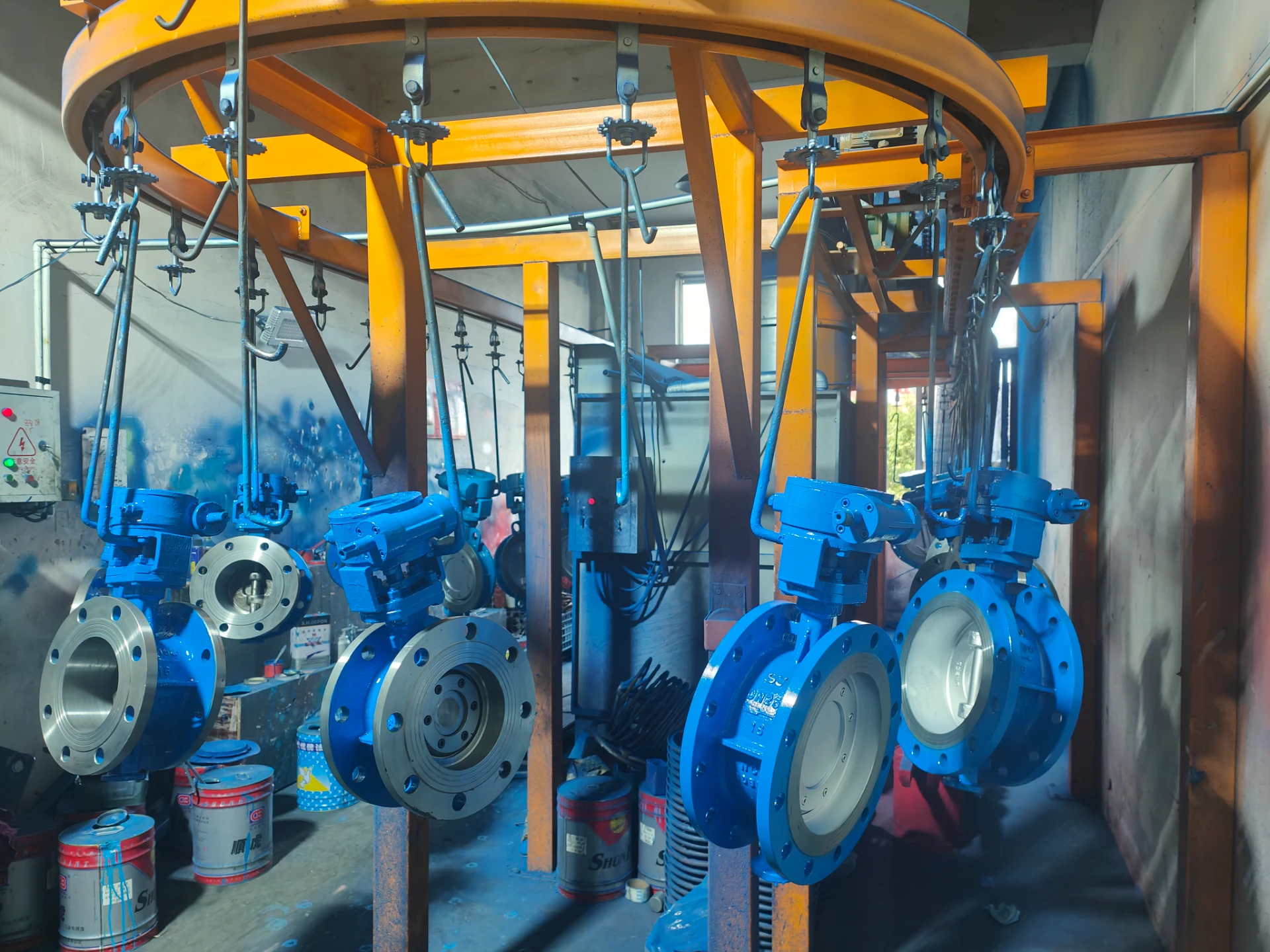
Common materials for china pipe adaptors and fittings include carbon steel (ASTM A53 Grade B, API 5L), stainless steel (304, 316, duplex grades – ASTM A240), ductile iron (ASTM A509), brass (various alloys – ASTM B16), and engineered polymers like PVC, CPVC, and polypropylene. Carbon steel provides high strength and low cost, but requires corrosion protection (galvanizing, epoxy coating). Stainless steel offers superior corrosion resistance but at a higher price point. Ductile iron balances strength and ductility, suitable for pressure applications. Brass provides good machinability and corrosion resistance in potable water systems. Polymers offer chemical resistance and lightweight properties. Manufacturing processes vary based on material and fitting type. Forging is common for larger diameter fittings, ensuring grain flow aligned with stress patterns. Casting (sand, investment, die casting) is employed for complex geometries. Machining (CNC turning, milling) provides dimensional accuracy. Welding (SMAW, GTAW, GMAW – AWS D1.1) joins components, requiring careful control of heat input and shielding gas to prevent porosity and cracking. For plastic fittings, injection molding is dominant, demanding precise temperature and pressure control to minimize warpage and ensure consistent wall thickness. Parameter control is critical; for welding, preheat temperature, interpass temperature, and cooling rate directly impact weld microstructure and mechanical properties. Polymer molding necessitates optimizing mold temperature, injection pressure, and cooling time to achieve desired dimensions and minimize residual stress.
Performance & Engineering
Performance is dictated by several factors: pressure rating, temperature range, fluid compatibility, and mechanical stresses. Force analysis, particularly finite element analysis (FEA), is crucial for optimizing fitting geometry and material selection to withstand internal pressure, external loads (weight of piping, seismic forces), and thermal expansion/contraction. Environmental resistance encompasses corrosion resistance (galvanic corrosion, pitting corrosion, stress corrosion cracking), UV degradation (for plastic fittings), and erosion. Compliance requirements depend on the application. Potable water systems demand compliance with NSF/ANSI 61 (lead content), while oil and gas pipelines require adherence to API 5L and ASME B31.3. Threaded fittings (NPT, BSP) rely on interference fit and thread sealant to achieve leak-proof connections. Flanged fittings (ANSI, DIN) utilize gaskets and bolting, demanding proper gasket selection and bolt torque to ensure sealing. The choice of material directly affects performance. For instance, higher alloy content in stainless steel improves corrosion resistance but reduces weldability. Polymer fittings are susceptible to creep under sustained load and can exhibit temperature-dependent changes in mechanical properties. Fatigue life is a critical consideration in applications involving cyclic loading. Understanding the stress-life (S-N) curve for the chosen material is paramount.
Technical Specifications
| Material | Pressure Rating (PSI) | Temperature Range (°C) | Connection Type |
|---|---|---|---|
| Carbon Steel (A53 Grade B) | 600 | -20 to 150 | Threaded (NPT) |
| Stainless Steel (304) | 1000 | -196 to 343 | Welded (Butt Weld) |
| Ductile Iron (A509) | 300 | -40 to 120 | Flanged (ANSI) |
| Brass (C36000) | 400 | -50 to 100 | Compression |
| PVC (Schedule 80) | 200 | -10 to 60 | Socket Weld |
| CPVC (Schedule 80) | 300 | -20 to 93 | Solvent Weld |
Failure Mode & Maintenance
Common failure modes include corrosion (localized pitting, uniform corrosion), fatigue cracking (particularly in welded joints under cyclic loading), thread stripping (due to improper torque or material incompatibility), gasket failure (due to compression set or chemical attack), and plastic embrittlement (due to UV exposure or chemical degradation). Failure analysis often involves metallurgical examination (microscopy, chemical composition analysis) and non-destructive testing (ultrasonic testing, radiographic testing). Corrosion is mitigated through material selection (stainless steel, corrosion-resistant alloys), protective coatings (galvanizing, epoxy), and cathodic protection. Fatigue cracking is addressed through improved weld quality, stress relief heat treatment, and design optimization to minimize stress concentration. Thread stripping can be prevented by using proper thread sealant, applying correct torque, and ensuring material compatibility. Gasket failure is addressed through proper gasket selection (material compatibility, temperature range) and proper bolting procedures. Preventative maintenance includes regular visual inspection for corrosion, cracks, and leaks. Periodic pressure testing verifies system integrity. For plastic fittings, periodic UV exposure assessment is crucial. Lubrication of threaded connections and periodic retorquing of flange bolts are also important maintenance practices. Record keeping of inspection and maintenance activities is essential for tracking performance and identifying potential issues.
Industry FAQ
Q: What are the key differences between NPT and BSP threaded fittings, and which is more commonly used in international applications?
A: NPT (National Pipe Tapered) is a tapered thread standard primarily used in North America. BSP (British Standard Pipe) includes both tapered (BSPT) and parallel (BSPP) threads. BSPP is increasingly common in international applications as it provides a tighter seal with the use of O-rings or sealing tape. NPT relies solely on thread interference for sealing, making it more susceptible to leaks without adequate sealant.
Q: How does the duplex stainless steel compare to 316 stainless steel in terms of corrosion resistance and cost?
A: Duplex stainless steel (e.g., 2205) offers significantly higher corrosion resistance, particularly to chloride stress corrosion cracking, compared to 316 stainless steel. This is due to its higher chromium, nickel, and molybdenum content, as well as the addition of nitrogen. However, duplex stainless steel is typically more expensive than 316 stainless steel and can be more challenging to weld.
Q: What are the limitations of using PVC fittings in high-temperature applications?
A: PVC (Polyvinyl Chloride) has a relatively low glass transition temperature. Above approximately 60°C, PVC begins to soften and lose its structural integrity. Prolonged exposure to temperatures above this range can lead to creep, deformation, and eventual failure. CPVC (Chlorinated Polyvinyl Chloride) offers improved temperature resistance, but still has limitations compared to metal fittings.
Q: What is the importance of hydrostatic testing for newly installed piping systems, and what acceptance criteria are typically used?
A: Hydrostatic testing verifies the integrity of the piping system by subjecting it to a pressure significantly higher than its operating pressure. It helps identify leaks, weak points, and potential failures before the system is put into service. Acceptance criteria typically involve holding the test pressure for a specified period (e.g., 30 minutes) without any visible leakage or pressure drop exceeding a defined threshold (e.g., 5% of the test pressure).
Q: What are the common causes of galvanic corrosion in piping systems, and how can it be prevented?
A: Galvanic corrosion occurs when two dissimilar metals are in electrical contact in the presence of an electrolyte (e.g., water). The more active metal corrodes preferentially. Common causes include connecting carbon steel to brass or copper. Prevention methods include using dielectric unions to isolate dissimilar metals, applying protective coatings, and using sacrificial anodes.
Conclusion
China pipe adaptors and fittings are critical components in diverse industries, demanding careful material selection, precise manufacturing, and adherence to stringent performance standards. Understanding the interplay between material properties, manufacturing processes, and operating conditions is essential for ensuring long-term reliability and preventing premature failure. The increasing complexity of fluid transfer systems necessitates a comprehensive approach to component selection, incorporating considerations of corrosion resistance, pressure rating, temperature range, and compliance with relevant industry regulations.
Future trends point toward increased adoption of advanced materials (e.g., super duplex stainless steel, high-performance polymers) and innovative manufacturing techniques (e.g., additive manufacturing) to address increasingly demanding application requirements. Further research and development efforts are needed to optimize fitting designs, improve corrosion protection strategies, and enhance non-destructive testing methods. Continued emphasis on quality control and traceability throughout the supply chain remains paramount.
-
Top Reasons to Choose a Stainless Steel Flange Check Valve for Industrial Applications
-
Direct Acting Solenoid Valves Performance Analysis
-
solenoid valve direct acting Performance Analysis
-
solenoid valve miniature Performance Analysis
-
cryogenic solenoid valves Material Science Manufacturing
-
solenoid valve cryogenic Performance Analysis
-
24vdc solenoid valve Performance Analysis
-
24vdc solenoid valves Performance Analysis
-
solenoid valves 24vdc Performance Analysis
-
solenoid valve 24 vdc Performance Analysis
-
24v dc solenoid valve Performance Analysis
-
circle seal check valve Performance Engineering
-
circle seal check valves Performance Analysis
-
cryogenic check valve Performance Analysis
-
3 swing check valve Performance Analysis
 Afrikaans
 Albanian
 Amharic
 Arabic
 Armenian
 Azerbaijani
 Basque
 Belarusian
 Bengali
 Bosnian
 Bulgarian
 Catalan
 Cebuano
 Corsican
 Croatian
 Czech
Czech
 Danish
 Dutch
Dutch
 Esperanto
 Estonian
 Finnish
 French
 Frisian
 Galician
 Georgian
 German
 Greek
Greek
 Gujarati
 Haitian Creole
 Hausa
Hawaiian
Hausa
Hawaiian
 Hebrew
 Hindi
Hindi
 Miao
Miao
 Hungarian
 Icelandic
 Igbo
Igbo
 Indonesian
 Irish
Irish
 Italian
 Japanese
 Javanese
Kannada
Javanese
Kannada
 Kazakh
 Khmer
Khmer
 Rwandese
 Korean
 Kurdish
 Kyrgyz
 Lao
Lao
 Latin
Latin
 Latvian
 Lithuanian
 Luxembourgish
 Macedonian
 Malgashi
 Malay
Malay
 Malayalam
 Maltese
 Maori
Maori
 Marathi
 Mongolian
 Myanmar
 Nepali
 Norwegian
 Norwegian
 Occitan
 Pashto
 Persian
 Polish
 Portuguese
Punjabi
Portuguese
Punjabi
 Romanian
 Russian
 Samoan
 Scottish Gaelic
 Serbian
 Sesotho
 Shona
Shona
 Sindhi
 Sinhala
 Slovak
 Slovenian
 Somali
 Spanish
 Sundanese
 Swahili
 Swedish
Tagalog
Swedish
Tagalog
 Tajik
Tajik
 Tamil
Tamil
 Tatar
Tatar
 Telugu
 Thai
Thai
 Turkish
 Turkmen
 Ukrainian
 Urdu
Urdu
 Uighur
 Uzbek
Uzbek
 Vietnamese
 Welsh
Welsh
 Bantu
Bantu
 Yiddish
 Yoruba
 Zulu
Zulu
 English