




china pneumatic butterfly valve Performance Analysis

Introduction
China pneumatic butterfly valves are quarter-turn rotational motion valves utilized to regulate or isolate flow within a pipeline. Positioned within the broader industrial valve market, they represent a cost-effective solution for large-diameter piping systems, frequently found in water treatment, HVAC, fire protection, and chemical processing. These valves operate by rotating a disc, parallel or perpendicular to the flow, to control fluid passage. The pneumatic actuation provides automated control, allowing for remote operation and integration with process control systems. Key performance characteristics include flow capacity, pressure drop, sealing efficiency, and response time. The increasing demand for automated fluid control in modern industrial facilities drives the growth of this sector, with Chinese manufacturers increasingly serving both domestic and international markets. A critical pain point for end-users is ensuring consistent quality and reliable performance given the wide range of manufacturers and material grades available. Understanding the material composition, manufacturing processes, and operational limits are therefore crucial for informed procurement decisions.
Material Science & Manufacturing
The body of a pneumatic butterfly valve is commonly constructed from materials like ductile iron (QT450-10), carbon steel (ASTM A53 Gr. B), or stainless steel (304/316). Ductile iron offers a balance of strength and cost-effectiveness, while carbon steel provides high strength for high-pressure applications, but is susceptible to corrosion. Stainless steel offers superior corrosion resistance but is more expensive. The disc material is also a critical consideration; common choices include ductile iron, stainless steel, or PTFE-lined materials depending on the fluid being handled. The seat material, responsible for sealing, is typically EPDM, PTFE, or NBR. Pneumatic actuators utilize aluminum alloy housings with internal components crafted from stainless steel and brass.
Manufacturing typically involves several stages: casting or forging the body, machining the disc and seat, assembly of internal components, and finally, pneumatic actuator integration. Casting is prevalent for ductile iron and carbon steel bodies, ensuring dimensional accuracy requires precise mold design and control of cooling rates. Machining is critical for achieving tight tolerances on the disc and seat, impacting sealing performance. Welding processes (SMAW, GTAW) are used to join components, requiring qualified welders and adherence to standards like AWS D1.1. Key parameter control during manufacturing includes material composition verification through chemical analysis, non-destructive testing (NDT) such as ultrasonic testing (UT) and radiographic testing (RT) to detect flaws, and dimensional inspection using coordinate measuring machines (CMM). Surface treatments, such as epoxy coating, are applied to the body to enhance corrosion resistance. Proper actuator mounting and calibration are essential for accurate and reliable operation.
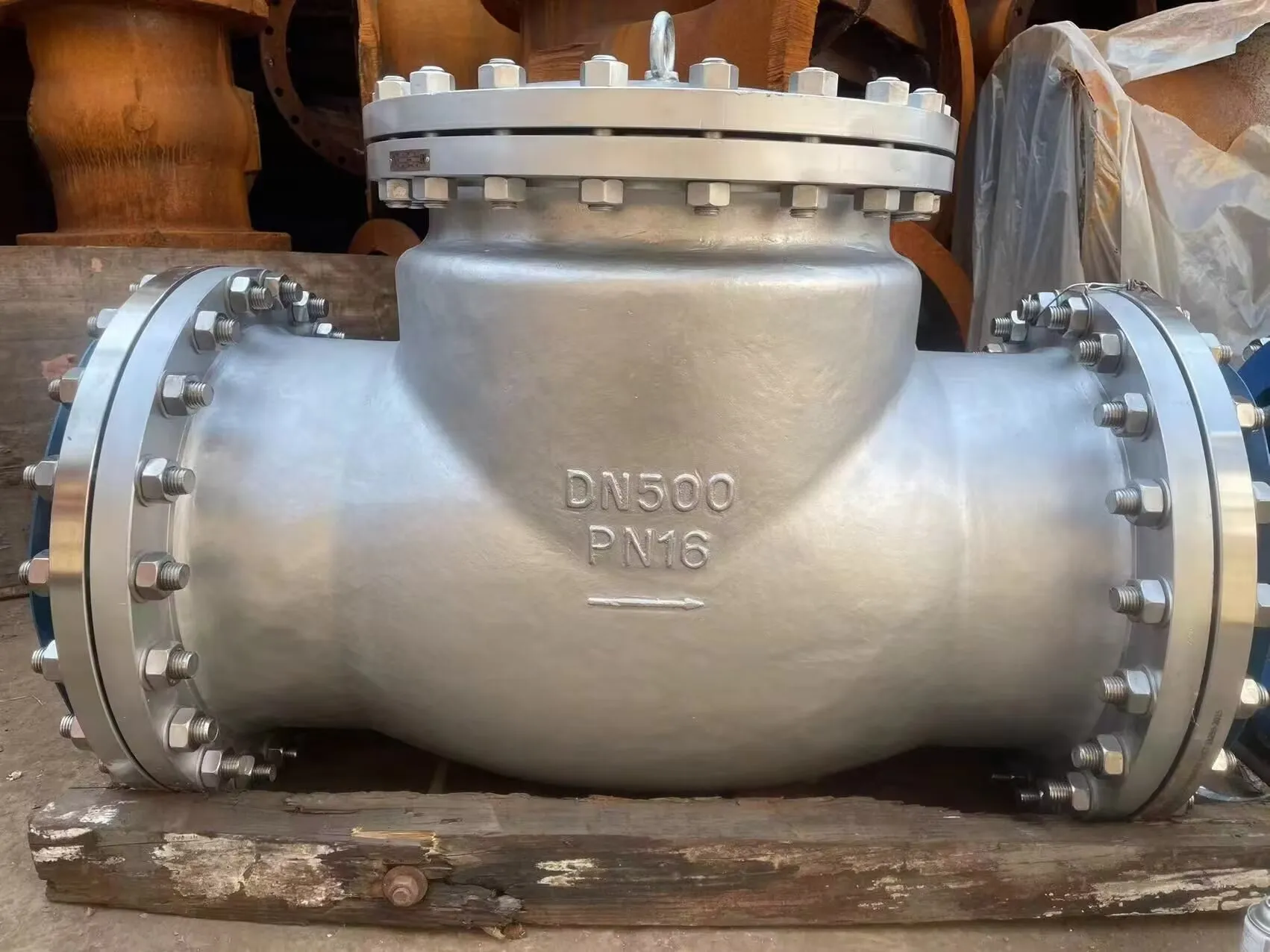
Performance & Engineering
The performance of a pneumatic butterfly valve is governed by several engineering principles. Flow capacity (Cv) is a critical parameter, dictated by the valve's internal geometry and diameter. Pressure drop is inversely proportional to Cv and increases with flow rate. Torque requirements for actuation depend on the fluid pressure, valve size, and seat material. Proper actuator sizing is vital to ensure sufficient torque to fully open and close the valve under all operating conditions. The valve's seat design (resilient or metal) directly impacts its sealing efficiency and permissible operating temperature and pressure.
Environmental resistance is crucial, especially in harsh industrial settings. Considerations include temperature extremes, corrosive atmospheres, and UV exposure. Material selection must align with the chemical compatibility of the fluid being handled to prevent degradation of the valve body, disc, and seat. Compliance with industry standards like ANSI/FCI 70-2 and MSS SP-61 is essential, covering dimensional requirements, pressure-temperature ratings, and testing procedures. Fatigue analysis is critical for valves subjected to cyclic operation; stress concentration points at the disc-stem interface must be carefully evaluated. The actuator's pneumatic supply system must be adequately filtered and regulated to ensure consistent and reliable performance. Control systems must incorporate failsafe mechanisms to ensure valve closure in the event of a pneumatic supply failure.
Technical Specifications
| Parameter | DN50 (2 inch) | DN100 (4 inch) | DN150 (6 inch) | DN200 (8 inch) |
|---|---|---|---|---|
| Maximum Pressure (PSI) | 200 | 150 | 120 | 100 |
| Operating Temperature (°C) | -20 to 120 | -20 to 120 | -20 to 120 | -20 to 80 |
| Cv (Flow Coefficient) | 15 | 60 | 150 | 300 |
| Actuator Type | Double-Acting Pneumatic | Double-Acting Pneumatic | Double-Acting Pneumatic | Double-Acting Pneumatic |
| Seat Material | EPDM | EPDM | PTFE | PTFE |
| Body Material | Ductile Iron | Ductile Iron | Carbon Steel | Carbon Steel |
Failure Mode & Maintenance
Common failure modes in pneumatic butterfly valves include seat erosion/degradation due to abrasive particles in the fluid, disc corrosion from incompatible fluids, actuator diaphragm failure leading to loss of control, and stem packing leakage. Seat erosion is often identified by increasing leakage rates and is exacerbated by high flow velocities. Disc corrosion manifests as pitting or general metal loss, compromising structural integrity. Actuator diaphragm failure results in inability to modulate the valve position. Stem packing leakage leads to fluid escape and potential environmental contamination. Fatigue cracking can occur in the disc or stem due to repeated cyclic loading.
Preventive maintenance is crucial to extend valve lifespan and ensure reliable operation. Regular inspection of the seat for wear or damage is recommended, along with periodic replacement. Lubrication of the stem and actuator linkages reduces friction and prevents sticking. Actuator air filters should be cleaned or replaced regularly to remove contaminants. Stem packing should be adjusted or replaced as needed to prevent leakage. Non-destructive testing (NDT) such as visual inspection and liquid penetrant testing can help detect cracks or flaws before they lead to catastrophic failure. Regular calibration of the actuator ensures accurate valve positioning. When replacing components, always use genuine parts or equivalents that meet original specifications. Detailed maintenance records should be maintained to track valve performance and identify recurring issues.
Industry FAQ
Q: What is the primary difference between a concentric and eccentric butterfly valve, and how does it impact suitability for slurry applications?
A: Concentric butterfly valves have the stem pass through the center of the disc, creating a symmetrical flow path. Eccentric valves (both single and double offset) position the stem offset from the center, reducing contact between the disc and the body during rotation. For slurry applications, eccentric designs are preferred. The offset reduces abrasive wear on the seat and disc, minimizing leakage and extending valve life. The symmetrical flow path of a concentric valve can cause slurry to build up around the stem, leading to increased friction and potential jamming.
Q: How does the choice of seat material (EPDM, PTFE, NBR) impact the valve's chemical compatibility and temperature range?
A: EPDM offers excellent resistance to water, steam, and many chemicals, but has limited temperature resistance (typically -50°C to 150°C). PTFE provides superior chemical resistance across a wider temperature range (-200°C to 260°C), but is more expensive and can be susceptible to creep under high loads. NBR exhibits good resistance to oil and fuels, but is not suitable for use with strong oxidizing agents or chlorinated solvents. Selecting the correct seat material is crucial to prevent degradation and ensure a tight seal.
Q: What are the key considerations when specifying a pneumatic actuator for a large-diameter butterfly valve operating at high pressure?
A: Sizing the actuator correctly is paramount. The actuator must generate sufficient torque to overcome the fluid pressure, flow velocity, and friction within the valve. Double-acting actuators are generally preferred for high-pressure applications as they provide positive control in both opening and closing directions. Consider the actuator's speed and precision requirements. Redundancy features, such as limit switches and solenoid valves, enhance reliability. The pneumatic supply system must be capable of delivering consistent pressure and airflow.
Q: What Non-Destructive Testing (NDT) methods are typically employed during the quality control process for China-manufactured pneumatic butterfly valves?
A: Common NDT methods include Visual Testing (VT) for surface defects, Liquid Penetrant Testing (PT) for detecting surface cracks, Magnetic Particle Testing (MT) for detecting subsurface flaws in ferromagnetic materials, Radiographic Testing (RT) using X-rays or gamma rays to reveal internal defects, and Ultrasonic Testing (UT) for assessing material thickness and detecting internal flaws. Hydrostatic testing is also performed to verify the valve’s pressure integrity.
Q: How does the K-factor (flow characteristic) of a butterfly valve influence its suitability for control applications versus on/off service?
A: The K-factor describes the valve’s inherent flow characteristic – typically linear, equal percentage, or quick opening. Linear valves provide a consistent flow gain across their stroke, suitable for on/off service. Equal percentage valves exhibit an increasing flow gain as the valve opens, ideal for precise control applications where a linear relationship between valve position and flow rate is desired. Quick opening valves provide rapid flow changes, best suited for simple on/off applications where speed is critical.
Conclusion
China pneumatic butterfly valves offer a versatile and cost-effective solution for a broad range of fluid control applications. Their performance is dictated by a complex interplay of material science, manufacturing precision, and engineering design. Proper material selection, adherence to industry standards, and rigorous quality control are essential to ensure reliable operation and longevity. Understanding the specific operating conditions, fluid characteristics, and control requirements is critical for selecting the appropriate valve configuration and actuator sizing.
As industrial automation continues to advance, the demand for high-performance pneumatic butterfly valves will likely increase. Future developments may focus on innovative sealing technologies, lightweight materials, and intelligent actuator systems with integrated diagnostics and remote monitoring capabilities. Careful consideration of these factors will be crucial for end-users seeking to optimize process efficiency and minimize maintenance costs.
-
Top Reasons to Choose a Stainless Steel Flange Check Valve for Industrial Applications
-
check valve 3 4 inch Performance Analysis
-
3 4 inch check valve Performance Analysis
-
piloted check valve Performance Analysis
-
pilot check valves Performance Analysis
-
low pressure check valve Performance Analysis
-
check valves high pressure Performance Analysis
-
check valves low pressure Performance Analysis
-
High Pressure Check Valves Performance Analysis
-
low pressure check valves Performance Analysis
-
6 check valve Performance Analysis
-
stainless steel check valves Performance Analysis
-
check valve 6 Performance Analysis
-
check valve stainless steel Performance Analysis
-
6 in check valve Performance Engineering
 Afrikaans
 Albanian
 Amharic
 Arabic
 Armenian
 Azerbaijani
 Basque
 Belarusian
 Bengali
 Bosnian
 Bulgarian
 Catalan
 Cebuano
 Corsican
 Croatian
 Czech
Czech
 Danish
 Dutch
Dutch
 Esperanto
 Estonian
 Finnish
 French
 Frisian
 Galician
 Georgian
 German
 Greek
Greek
 Gujarati
 Haitian Creole
 Hausa
Hawaiian
Hausa
Hawaiian
 Hebrew
 Hindi
Hindi
 Miao
Miao
 Hungarian
 Icelandic
 Igbo
Igbo
 Indonesian
 Irish
Irish
 Italian
 Japanese
 Javanese
Kannada
Javanese
Kannada
 Kazakh
 Khmer
Khmer
 Rwandese
 Korean
 Kurdish
 Kyrgyz
 Lao
Lao
 Latin
Latin
 Latvian
 Lithuanian
 Luxembourgish
 Macedonian
 Malgashi
 Malay
Malay
 Malayalam
 Maltese
 Maori
Maori
 Marathi
 Mongolian
 Myanmar
 Nepali
 Norwegian
 Norwegian
 Occitan
 Pashto
 Persian
 Polish
 Portuguese
Punjabi
Portuguese
Punjabi
 Romanian
 Russian
 Samoan
 Scottish Gaelic
 Serbian
 Sesotho
 Shona
Shona
 Sindhi
 Sinhala
 Slovak
 Slovenian
 Somali
 Spanish
 Sundanese
 Swahili
 Swedish
Tagalog
Swedish
Tagalog
 Tajik
Tajik
 Tamil
Tamil
 Tatar
Tatar
 Telugu
 Thai
Thai
 Turkish
 Turkmen
 Ukrainian
 Urdu
Urdu
 Uighur
 Uzbek
Uzbek
 Vietnamese
 Welsh
Welsh
 Bantu
Bantu
 Yiddish
 Yoruba
 Zulu
Zulu
 English