




china stainless butterfly valves Performance Analysis
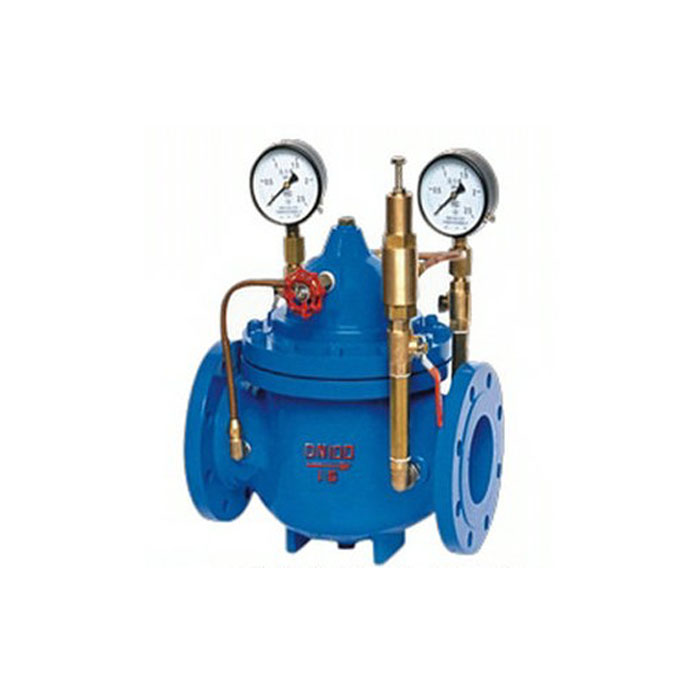
Introduction
China stainless steel butterfly valves are integral components in fluid handling systems across numerous industries, including chemical processing, wastewater treatment, food & beverage, and power generation. These valves regulate flow by rotating a disc within the valve body. Their selection hinges on factors like fluid compatibility, pressure and temperature requirements, and desired sealing performance. Increasingly, manufacturers in China are producing valves meeting stringent international standards, offering cost-competitive solutions without sacrificing quality. The core performance characteristics center around tight shut-off, low pressure drop, and durability in corrosive environments. A primary industry pain point is ensuring long-term corrosion resistance, especially in aggressive media, alongside maintaining consistent dimensional accuracy for reliable sealing.
Material Science & Manufacturing
The primary material for stainless steel butterfly valves is, unsurprisingly, stainless steel. Common grades include 304/304L, 316/316L, and occasionally duplex stainless steels (e.g., 2205) depending on the severity of the application. 304/304L offers good corrosion resistance in mild environments, while 316/316L provides enhanced resistance to pitting and crevice corrosion due to the addition of molybdenum. Duplex stainless steels offer superior strength and corrosion resistance, particularly in chloride-rich environments. The disc is frequently manufactured from the same material as the body, though PTFE or other polymer coatings can be applied to enhance sealing. Manufacturing processes begin with casting or forging the valve body. Critical parameters during casting include controlling the solidification rate to minimize porosity and ensuring correct chemical composition. Forging provides higher strength and improved grain structure. Machining follows, requiring precise tolerances for the disc bore and seat contact surfaces. Welding is crucial for joining components; procedures must be qualified to ensure full penetration, minimal heat affected zone, and appropriate filler metal selection to maintain corrosion resistance. Surface finishing, often involving passivation, is vital to restore the chromium-rich protective layer on the stainless steel.
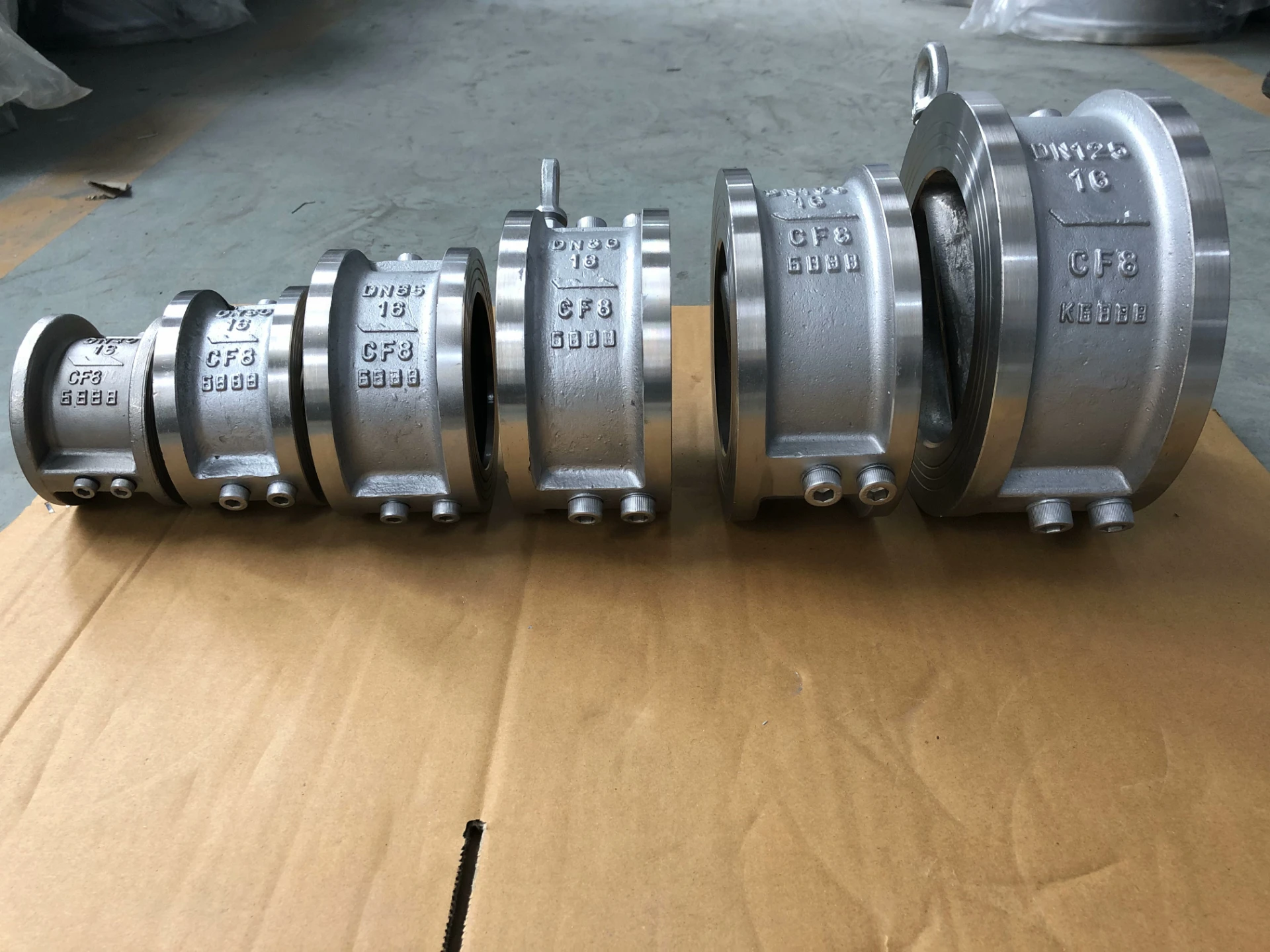
Performance & Engineering
Butterfly valve performance is dictated by several engineering considerations. Torque requirements for actuation are a primary concern, directly linked to the valve size, pressure drop, and fluid viscosity. Higher differential pressure necessitates greater torque. Seat design significantly impacts sealing performance; resilient seats (e.g., EPDM, PTFE) offer tight shut-off but are susceptible to degradation by certain chemicals. Metal seats are used for high-temperature applications or compatibility with aggressive media, but generally have slightly higher leakage rates. Flow coefficient (Cv) values are essential for system design, dictating the valve’s capacity to handle specific flow rates at a given pressure drop. Environmental resistance extends beyond corrosion; valves must withstand temperature fluctuations, UV exposure (for outdoor installations), and potential shock loads. Compliance requirements often include pressure testing according to API 598 or equivalent standards. Finite element analysis (FEA) is frequently employed during the design phase to optimize stress distribution and prevent failures due to excessive pressure or mechanical stress. Understanding the fluid dynamics within the valve body is also critical to minimize cavitation and erosion.
Technical Specifications
| Valve Size (DN) | Pressure Rating (PN) | Body Material | Seat Material | Actuation Type | Temperature Range (°C) |
|---|---|---|---|---|---|
| 50 | 16 | 304 Stainless Steel | EPDM | Manual Lever | -20 to +180 |
| 100 | 25 | 316 Stainless Steel | PTFE | Pneumatic Actuator | -30 to +200 |
| 150 | 40 | 316L Stainless Steel | Metal (316L) | Electric Actuator | -60 to +250 |
| 200 | 10 | Duplex Stainless Steel (2205) | PTFE | Gear Operated | -50 to +150 |
| 250 | 16 | 304L Stainless Steel | Viton | Pneumatic Actuator | -10 to +120 |
| 300 | 25 | 316 Stainless Steel | EPDM | Electric Actuator | -20 to +180 |
Failure Mode & Maintenance
Common failure modes for stainless steel butterfly valves include seat erosion or degradation (particularly with resilient seats), disc corrosion (especially at weld joints), actuator failure (e.g., pneumatic cylinder leaks, electric motor burnout), and stem leakage. Fatigue cracking can occur in the disc under cyclic loading, particularly at the point of maximum stress. Corrosion pitting and crevice corrosion are prevalent in chloride-containing environments. Galvanic corrosion can also occur if dissimilar metals are used in contact without proper insulation. Maintenance routines should include regular inspection of the seat for wear or damage, lubrication of the stem and actuator, and checking for leaks. Periodic torque testing of the actuator is recommended. If corrosion is detected, the affected area should be cleaned and, if severe, the component replaced. For valves handling abrasive fluids, frequent seat replacement may be necessary. Proper passivation procedures after any welding or machining operations are essential to maintain corrosion resistance. Detailed records of maintenance activities and component replacements should be maintained.
Industry FAQ
Q: What is the primary difference between a wafer and lug butterfly valve, and which is better suited for high-pressure applications?
A: Wafer-style butterfly valves are held in place between flanges by the pressure of the fluid and flange bolts, offering a compact design. Lug butterfly valves have protruding lugs with holes for bolting directly to the flanged pipe, providing greater structural integrity. For high-pressure applications, lug butterfly valves are generally preferred due to their enhanced sealing capability and reduced reliance on flange compression. They can handle higher pressure differentials without flange distortion.
Q: How does the choice of seat material affect the overall service life of the valve in a corrosive environment?
A: The seat material is critical. EPDM and NBR are suitable for general service but degrade quickly in contact with strong acids, bases, or solvents. PTFE offers broader chemical compatibility but can cold flow under high pressure, leading to leakage. Metal seats (typically stainless steel) are the most robust option for corrosive environments, though they may exhibit slight leakage. The specific fluid composition dictates the optimal seat material.
Q: What are the implications of using a carbon steel actuator on a stainless steel butterfly valve in a marine environment?
A: Combining a carbon steel actuator with a stainless steel valve in a marine environment creates a galvanic corrosion cell. The less noble carbon steel will corrode preferentially. Proper isolation between the two materials (using insulating gaskets and coatings) is essential to prevent accelerated corrosion of the actuator.
Q: What is the significance of the Kv/Cv value when selecting a butterfly valve for a specific application?
A: Kv/Cv values represent the valve’s flow coefficient, indicating the volume of fluid that will flow through the valve at a given pressure drop. Selecting a valve with an appropriate Kv/Cv value is crucial to achieve the desired flow rate and prevent excessive pressure loss in the system. Undersized valves cause excessive pressure drop, while oversized valves may lead to unstable control.
Q: What passivation procedures are typically employed for stainless steel butterfly valves, and how do they contribute to corrosion resistance?
A: Passivation involves treating the stainless steel surface with an acid solution (typically nitric or citric acid) to remove free iron and create a chromium-rich oxide layer. This passive layer protects the underlying steel from corrosion. Proper passivation procedures include thorough cleaning, immersion in the acid solution for a specified time and temperature, and rinsing with deionized water. Regular passivation is especially important after welding or machining.
Conclusion
China stainless steel butterfly valves represent a viable and increasingly sophisticated solution for diverse fluid handling applications. The selection process demands careful consideration of material science principles, particularly concerning corrosion resistance, and precise adherence to relevant engineering standards. Factors such as fluid compatibility, pressure and temperature requirements, and actuation methods all play critical roles in ensuring long-term reliability and optimal performance.
Ongoing advancements in manufacturing techniques and quality control within the Chinese valve industry are closing the gap with established Western manufacturers. Proactive maintenance, including regular inspection and appropriate passivation procedures, is crucial for maximizing valve lifespan and preventing costly failures. A thorough understanding of potential failure modes and adherence to international standards will ensure the successful implementation and operation of these valves in challenging industrial environments.
-
Top Reasons to Choose a Stainless Steel Flange Check Valve for Industrial Applications
-
check valve 3 4 inch Performance Analysis
-
3 4 inch check valve Performance Analysis
-
piloted check valve Performance Analysis
-
pilot check valves Performance Analysis
-
low pressure check valve Performance Analysis
-
check valves high pressure Performance Analysis
-
check valves low pressure Performance Analysis
-
High Pressure Check Valves Performance Analysis
-
low pressure check valves Performance Analysis
-
6 check valve Performance Analysis
-
stainless steel check valves Performance Analysis
-
check valve 6 Performance Analysis
-
check valve stainless steel Performance Analysis
-
6 in check valve Performance Engineering
 Afrikaans
 Albanian
 Amharic
 Arabic
 Armenian
 Azerbaijani
 Basque
 Belarusian
 Bengali
 Bosnian
 Bulgarian
 Catalan
 Cebuano
 Corsican
 Croatian
 Czech
Czech
 Danish
 Dutch
Dutch
 Esperanto
 Estonian
 Finnish
 French
 Frisian
 Galician
 Georgian
 German
 Greek
Greek
 Gujarati
 Haitian Creole
 Hausa
Hawaiian
Hausa
Hawaiian
 Hebrew
 Hindi
Hindi
 Miao
Miao
 Hungarian
 Icelandic
 Igbo
Igbo
 Indonesian
 Irish
Irish
 Italian
 Japanese
 Javanese
Kannada
Javanese
Kannada
 Kazakh
 Khmer
Khmer
 Rwandese
 Korean
 Kurdish
 Kyrgyz
 Lao
Lao
 Latin
Latin
 Latvian
 Lithuanian
 Luxembourgish
 Macedonian
 Malgashi
 Malay
Malay
 Malayalam
 Maltese
 Maori
Maori
 Marathi
 Mongolian
 Myanmar
 Nepali
 Norwegian
 Norwegian
 Occitan
 Pashto
 Persian
 Polish
 Portuguese
Punjabi
Portuguese
Punjabi
 Romanian
 Russian
 Samoan
 Scottish Gaelic
 Serbian
 Sesotho
 Shona
Shona
 Sindhi
 Sinhala
 Slovak
 Slovenian
 Somali
 Spanish
 Sundanese
 Swahili
 Swedish
Tagalog
Swedish
Tagalog
 Tajik
Tajik
 Tamil
Tamil
 Tatar
Tatar
 Telugu
 Thai
Thai
 Turkish
 Turkmen
 Ukrainian
 Urdu
Urdu
 Uighur
 Uzbek
Uzbek
 Vietnamese
 Welsh
Welsh
 Bantu
Bantu
 Yiddish
 Yoruba
 Zulu
Zulu
 English