




eccentric flange butterfly valve Performance Analysis
Introduction
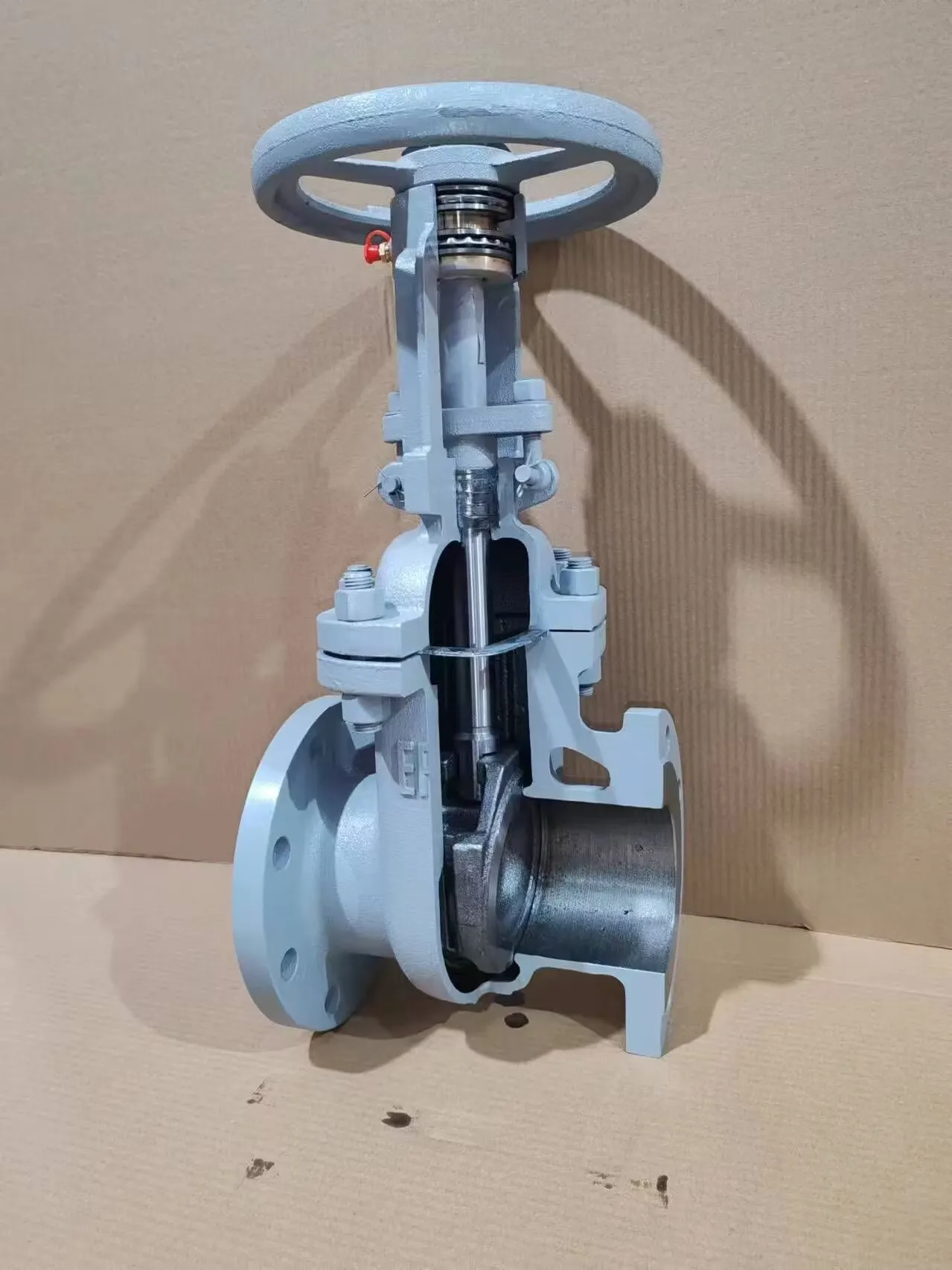
Eccentric flange butterfly valves are a critical component in numerous industrial fluid handling systems, serving as isolation and flow control devices. Unlike concentric butterfly valves, the disc in an eccentric design is offset from the centerline of the pipe. This offset design is specifically engineered to reduce wear on the disc and seat, particularly in applications involving abrasive media or slurries. Their position in the industry chain typically lies downstream of pumps, vessels, and other process equipment, providing reliable on/off service or throttling capabilities. Core performance characteristics include tight shut-off, low pressure drop, and relatively fast actuation speeds, making them a preferred choice in water treatment, chemical processing, power generation, and HVAC systems. The increased resilience to erosion and cavitation compared to concentric designs constitutes a significant advantage in demanding applications, extending operational life and reducing maintenance frequency. A key pain point in the industry is achieving consistent, leak-free sealing, especially at high pressures and temperatures, alongside the long-term durability of valve components.
Material Science & Manufacturing
The performance and longevity of eccentric flange butterfly valves are fundamentally tied to the material selection and manufacturing processes employed. Valve bodies are commonly constructed from ductile iron (ASTM A536 65-45-12), carbon steel (ASTM A105, A36), stainless steel (304, 316 – ASTM A240), or alloy steels, dictated by the fluid handled and operational pressures. Ductile iron offers good corrosion resistance and cost-effectiveness for water and wastewater applications. Carbon steel provides high strength and is suited for moderate temperature/pressure applications. Stainless steel is crucial for corrosive fluids, offering superior chemical resistance. The valve disc is frequently manufactured from stainless steel (316L, for enhanced pitting resistance) or specialized alloys like Hastelloy for extremely corrosive environments. The valve seat, responsible for sealing, typically utilizes materials like EPDM (ethylene propylene diene monomer) rubber, PTFE (polytetrafluoroethylene), or reinforced PTFE composites.
Manufacturing processes are multi-stage. Body casting or forging is followed by machining to precise tolerances. Disc fabrication often involves investment casting or forging, followed by extensive quality control checks for dimensional accuracy and surface finish. Welding procedures (AWS D1.1) are critical for flange attachment, demanding qualified welders and thorough non-destructive testing (NDT) like radiographic inspection (RT) and ultrasonic testing (UT). Seat insertion and disc assembly require careful alignment to ensure proper sealing. The eccentricity itself is achieved through precise machining of the disc bore and careful alignment during assembly. Parameter control focuses on maintaining dimensional tolerances within +/- 0.1mm, surface roughness (Ra) below 1.6 µm for sealing surfaces, and weld quality adhering to ASME Section IX standards. Corrosion resistance is often enhanced by applying internal epoxy coatings (AWWA C550) or utilizing duplex stainless steels for enhanced pitting resistance.

Performance & Engineering
The eccentric design of these valves inherently impacts their performance characteristics. The offset disc creates an asymmetric flow profile, minimizing direct impingement of the fluid onto the downstream sealing surface. This reduces erosion and extends seat life, particularly when handling slurries or fluids containing particulate matter. Force analysis considers fluid dynamic loads, pressure loads, and mechanical loads from actuation. The torque required to operate the valve is influenced by the disc diameter, fluid pressure, and seat material. Finite Element Analysis (FEA) is frequently used to optimize valve body geometry to withstand anticipated stresses and prevent deformation under pressure. Environmental resistance is a major consideration. Valves operating in harsh climates must be designed to withstand temperature extremes, UV radiation, and potential corrosion from atmospheric elements.
Compliance requirements are stringent, varying by region and application. Pressure Equipment Directive (PED) 2014/68/EU governs valves used in Europe, while ASME Boiler and Pressure Vessel Code Section XI applies to power generation applications. API 598 dictates testing procedures for valve leakage rates. The valve's Cv (flow coefficient) and Kv (flow capacity) values are critical parameters for accurate flow control, calculated according to ISO 5208. Functional implementation necessitates careful selection of the actuator – pneumatic, electric, or hydraulic – based on torque requirements, operating speed, and control system integration. Actuator sizing must account for the maximum differential pressure and fluid viscosity to ensure reliable operation. Furthermore, proper valve installation, including correct alignment and adequate support, is essential to prevent premature failure.
Technical Specifications
| Parameter | Unit | Standard Specification | Typical Range |
|---|---|---|---|
| Maximum Operating Pressure | psi | ASME Class 150/300 | Up to 300 psi |
| Operating Temperature | °F | ASTM A105 | -20°F to 450°F |
| Valve Size | inches | MSS SP-61 | 2" to 48" |
| Leakage Rate | ml/min | API 598 | Bubble-Tight (0.01 ml/min) |
| Actuator Type | - | IEC 60654 | Pneumatic, Electric, Hydraulic |
| Connection Type | - | ANSI B16.5 | Wafer, Lug, Flange |
Failure Mode & Maintenance
Eccentric flange butterfly valves, while robust, are susceptible to several failure modes. Fatigue cracking can occur in the valve body or disc due to cyclical loading, particularly at weld points. Delamination of the valve seat can lead to leakage, often exacerbated by improper installation or exposure to incompatible fluids. Degradation of the seat material (EPDM, PTFE) can occur due to chemical attack, UV exposure, or high temperatures, resulting in diminished sealing performance. Cavitation erosion, although mitigated by the eccentric design, can still damage the disc and seat in high-velocity flow conditions. Oxidation and corrosion are common issues, especially for carbon steel components exposed to corrosive environments. Improper lubrication of the actuator can lead to sluggish operation or complete failure.
Preventative maintenance is crucial. Regular inspection for signs of corrosion, erosion, or cracking is essential. Periodic seat replacement is recommended based on fluid compatibility and operating conditions. Lubrication of the actuator according to manufacturer's specifications is vital. Non-destructive testing (NDT) methods, such as visual inspection, liquid penetrant testing (PT), and ultrasonic testing (UT), should be performed at scheduled intervals. In case of leakage, the seat should be inspected and replaced if necessary. Weld repairs should be conducted by qualified welders following ASME Section IX procedures. Proper storage and handling of the valve during transportation and installation are also critical to prevent damage. A detailed maintenance log should be maintained to track inspection dates, repairs, and component replacements.
Industry FAQ
Q: What are the key differences between an eccentric flange butterfly valve and a concentric design in terms of erosion resistance?
A: The eccentric design positions the disc offset from the pipe centerline. This creates an asymmetric flow path, minimizing direct impingement of the fluid on the downstream seat sealing surface. In concentric valves, the full force of the fluid impacts the seat, leading to accelerated erosion, particularly with abrasive media. The eccentric design significantly extends seat life in these applications.
Q: How does the material selection impact the valve’s chemical compatibility and lifespan?
A: Material selection is paramount. For corrosive fluids, stainless steel (316L or higher alloy) is essential. The seat material must be compatible with the fluid; EPDM is good for many chemicals, but PTFE or reinforced PTFE is often required for highly aggressive substances. Incorrect material selection will lead to rapid degradation and failure.
Q: What testing standards are typically applied to ensure the leak tightness of these valves?
A: API 598 is the primary standard for leak testing butterfly valves. It defines bubble-tight and seat leakage classes. Hydrostatic shell testing (ASME Section V) is also performed to verify the integrity of the valve body. The acceptance criteria are clearly defined in these standards, and valves must meet these criteria to be considered compliant.
Q: What are the considerations when selecting an actuator for an eccentric flange butterfly valve?
A: Actuator selection depends on the valve size, operating pressure, fluid viscosity, and desired control speed. The actuator must provide sufficient torque to overcome the fluid resistance and friction. Pneumatic actuators are common for on/off service, while electric actuators offer more precise control. Hydraulic actuators are used for high-torque applications.
Q: What preventative maintenance procedures are recommended for eccentric flange butterfly valves operating in a wastewater treatment plant?
A: In wastewater applications, regular inspection of the disc and seat for buildup of solids is crucial. Periodic cleaning to remove debris is recommended. Lubricate the actuator regularly. Inspect for corrosion, especially on the valve body. Consider replacing the seat annually or bi-annually, depending on the abrasiveness of the wastewater. Maintain a detailed maintenance log.
Conclusion
Eccentric flange butterfly valves represent a robust and reliable solution for fluid control in a wide range of industrial applications. Their unique design mitigates erosion and extends seat life compared to concentric counterparts, making them particularly well-suited for handling abrasive media and slurries. Successful implementation hinges on careful material selection, adhering to stringent manufacturing processes, and comprehensive preventative maintenance.
Future trends in this technology include the integration of smart valve features – incorporating sensors for pressure, temperature, and flow monitoring – to enable predictive maintenance and optimize process control. The development of advanced seat materials with improved chemical resistance and erosion properties will further enhance valve performance and longevity. Continued adherence to international standards and best practices will be crucial to ensuring the safe and efficient operation of these critical components.
-
Top Reasons to Choose a Stainless Steel Flange Check Valve for Industrial Applications
-
Direct Acting Solenoid Valves Performance Analysis
-
solenoid valve direct acting Performance Analysis
-
solenoid valve miniature Performance Analysis
-
cryogenic solenoid valves Material Science Manufacturing
-
solenoid valve cryogenic Performance Analysis
-
24vdc solenoid valve Performance Analysis
-
24vdc solenoid valves Performance Analysis
-
solenoid valves 24vdc Performance Analysis
-
solenoid valve 24 vdc Performance Analysis
-
24v dc solenoid valve Performance Analysis
-
circle seal check valve Performance Engineering
-
circle seal check valves Performance Analysis
-
cryogenic check valve Performance Analysis
-
3 swing check valve Performance Analysis
 Afrikaans
 Albanian
 Amharic
 Arabic
 Armenian
 Azerbaijani
 Basque
 Belarusian
 Bengali
 Bosnian
 Bulgarian
 Catalan
 Cebuano
 Corsican
 Croatian
 Czech
Czech
 Danish
 Dutch
Dutch
 Esperanto
 Estonian
 Finnish
 French
 Frisian
 Galician
 Georgian
 German
 Greek
Greek
 Gujarati
 Haitian Creole
 Hausa
Hawaiian
Hausa
Hawaiian
 Hebrew
 Hindi
Hindi
 Miao
Miao
 Hungarian
 Icelandic
 Igbo
Igbo
 Indonesian
 Irish
Irish
 Italian
 Japanese
 Javanese
Kannada
Javanese
Kannada
 Kazakh
 Khmer
Khmer
 Rwandese
 Korean
 Kurdish
 Kyrgyz
 Lao
Lao
 Latin
Latin
 Latvian
 Lithuanian
 Luxembourgish
 Macedonian
 Malgashi
 Malay
Malay
 Malayalam
 Maltese
 Maori
Maori
 Marathi
 Mongolian
 Myanmar
 Nepali
 Norwegian
 Norwegian
 Occitan
 Pashto
 Persian
 Polish
 Portuguese
Punjabi
Portuguese
Punjabi
 Romanian
 Russian
 Samoan
 Scottish Gaelic
 Serbian
 Sesotho
 Shona
Shona
 Sindhi
 Sinhala
 Slovak
 Slovenian
 Somali
 Spanish
 Sundanese
 Swahili
 Swedish
Tagalog
Swedish
Tagalog
 Tajik
Tajik
 Tamil
Tamil
 Tatar
Tatar
 Telugu
 Thai
Thai
 Turkish
 Turkmen
 Ukrainian
 Urdu
Urdu
 Uighur
 Uzbek
Uzbek
 Vietnamese
 Welsh
Welsh
 Bantu
Bantu
 Yiddish
 Yoruba
 Zulu
Zulu
 English