




Turbo Exhaust Flange Material Analysis
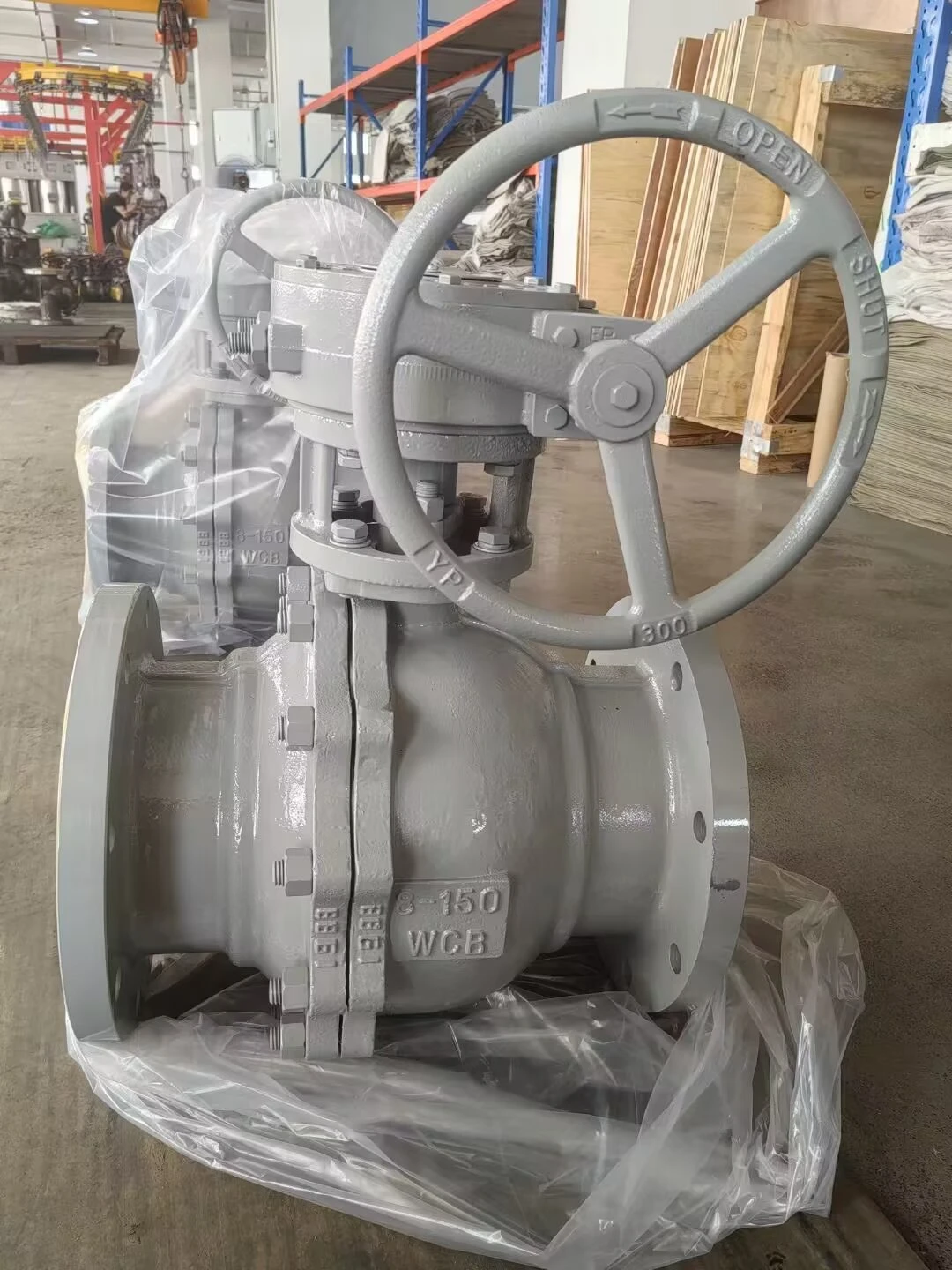
Introduction
The turbo exhaust flange is a critical component within a forced induction system, serving as the interface between the turbocharger and the engine’s exhaust manifold. Its primary function is to securely mount the turbocharger while ensuring a gas-tight seal to prevent exhaust gas leakage. Beyond simple mechanical connection, the flange dictates exhaust flow characteristics and significantly influences turbocharger performance. In the automotive industry supply chain, the flange represents a crucial link between casting/forging operations, precision machining, and final engine assembly. Core performance metrics center around thermal resistance, mechanical strength under cyclical loading, and sealing integrity to maintain optimal engine efficiency and reduce emissions. The selection of appropriate flange materials and design is paramount, directly impacting turbocharger longevity and overall system reliability. Failure of the exhaust flange can lead to performance loss, potential engine damage from exhaust gas ingress, and costly repairs.
Material Science & Manufacturing
Turbo exhaust flanges are typically manufactured from high-temperature alloys exhibiting excellent corrosion resistance and mechanical properties. Common materials include stainless steels (304, 316, 321), cast iron alloys (ductile iron), and increasingly, Inconel-based superalloys for high-performance applications. Stainless steel 304 offers good weldability and corrosion resistance, making it a cost-effective choice for many passenger vehicles. 316 adds molybdenum for enhanced chloride corrosion resistance, suitable for marine or harsh environments. 321 contains titanium, stabilizing the material against sensitization and intergranular corrosion at elevated temperatures. Inconel alloys, though expensive, provide exceptional resistance to oxidation and creep at temperatures exceeding 800°C, making them ideal for racing or high-boost applications.
Manufacturing processes vary depending on the complexity of the flange and production volume. Cast iron flanges are created using sand casting, followed by machining to achieve precise dimensions and surface finishes. Stainless steel flanges are often produced through investment casting or forging. Investment casting provides high dimensional accuracy and allows for complex geometries, while forging yields superior mechanical strength due to grain flow alignment. After casting or forging, flanges undergo extensive machining operations including milling, drilling, and tapping. Welding is crucial for attaching wastegates or oxygen sensor bungs. Gas Tungsten Arc Welding (GTAW), also known as TIG welding, is preferred for its precision and clean welds. Critical parameters monitored during manufacturing include material composition verification (through spectroscopy), dimensional accuracy (using coordinate measuring machines – CMMs), surface finish (Ra values), and weld integrity (using non-destructive testing methods like dye penetrant inspection and radiographic testing). Heat treatment processes, such as annealing or stress relieving, are employed to optimize material properties and minimize residual stresses.
Performance & Engineering
The performance of a turbo exhaust flange is directly related to its ability to withstand extreme thermal and mechanical stresses. Exhaust gas temperatures can exceed 900°C, creating significant thermal gradients within the flange material. Thermal stress analysis, often utilizing Finite Element Analysis (FEA) software, is essential to predict stress distributions and prevent premature failure. The flange design must account for thermal expansion and contraction to avoid cracking or warping. Bolt hole placement and diameter are critical parameters influencing the flange’s clamping force and sealing capability. Insufficient clamping force can lead to exhaust leaks, while excessive force can cause flange distortion or bolt failure.
Engineering considerations include the flange’s compatibility with the exhaust manifold and turbocharger mounting surfaces. Dimensional tolerances must be tightly controlled to ensure a proper fit and prevent stress concentrations. The flange’s geometry influences exhaust flow characteristics; a smooth, streamlined design minimizes turbulence and maximizes exhaust gas velocity, improving turbocharger response. The material's creep resistance at operating temperatures is also a significant factor in long-term reliability. Furthermore, flanges must meet OEM or industry-specific compliance requirements related to emissions (e.g., CARB regulations) and safety. The selection of appropriate gasket materials (e.g., metallic gaskets, graphite gaskets) is also vital for maintaining a gas-tight seal under high temperatures and pressures. Corrosion resistance is also an important consideration, especially in vehicles operating in harsh environments with exposure to road salt or other corrosive agents.
Technical Specifications
| Material Grade | Temperature Rating (°C) | Bolt Pattern (mm) | Flange Thickness (mm) |
|---|---|---|---|
| 304 Stainless Steel | 870 | 4xM8 | 8 |
| 316 Stainless Steel | 870 | 5xM10 | 10 |
| 321 Stainless Steel | 900 | 6xM8 | 9 |
| Ductile Iron (60-40-18) | 700 | 4xM10 | 12 |
| Inconel 718 | 980 | 5xM12 | 11 |
| Inconel 625 | 950 | 6xM10 | 10 |
Failure Mode & Maintenance
Common failure modes for turbo exhaust flanges include thermal fatigue cracking, gasket failure, bolt failure, and corrosion. Thermal fatigue cracking arises from cyclical heating and cooling, inducing stresses that exceed the material’s fatigue limit. Gasket failure is often caused by excessive temperatures, improper installation, or material degradation. Bolt failure can result from over-tightening, corrosion, or fatigue. Corrosion, particularly pitting corrosion, can weaken the flange material and lead to cracking. Oxidation can also cause scaling and material loss, reducing the flange’s effective thickness.
Preventative maintenance includes regular inspection for cracks, corrosion, and loose bolts. Torque specifications for flange bolts should be strictly adhered to during installation and re-tightening. Using anti-seize lubricant on bolt threads can prevent corrosion and facilitate removal. Replacing gaskets at recommended intervals prevents leaks. If cracks are detected, the flange should be replaced immediately. Surface cleaning to remove carbon deposits and corrosion products can extend the flange’s lifespan. For high-performance applications, consider upgrading to Inconel flanges for increased thermal resistance and durability. Routine visual inspections during vehicle maintenance should specifically address the exhaust flange for signs of damage or leakage.
Industry FAQ
Q: What is the primary difference between a cast iron and a stainless steel turbo exhaust flange in terms of performance?
A: Stainless steel flanges offer superior corrosion resistance and higher temperature capabilities compared to cast iron. While cast iron is more cost-effective, stainless steel exhibits better long-term durability and is less susceptible to cracking from thermal cycling, leading to improved reliability, particularly in high-performance applications.
Q: How does the bolt pattern influence the sealing performance of the exhaust flange?
A: A well-designed bolt pattern ensures even clamping force distribution across the flange surface. Insufficient bolt quantity or improper spacing can lead to localized stress concentrations and incomplete sealing, resulting in exhaust leaks. The bolt circle diameter and hole diameter need to be optimized to provide adequate clamping force without exceeding the material’s yield strength.
Q: What are the risks associated with using an incompatible gasket material with a turbo exhaust flange?
A: Using an incompatible gasket material can lead to premature gasket failure, resulting in exhaust leaks. The gasket must be able to withstand the operating temperatures and pressures, as well as resist chemical attack from exhaust gases. Selecting a gasket material with inadequate thermal expansion characteristics can also compromise the seal.
Q: How can thermal fatigue cracking be mitigated in high-performance turbo applications?
A: Mitigating thermal fatigue requires using materials with high creep resistance and thermal shock resistance, like Inconel alloys. Proper flange design, minimizing stress concentrations, and ensuring adequate heat dissipation are also critical. Utilizing heat shields can reduce the temperature gradients within the flange and extend its lifespan. Employing FEA analysis during the design phase helps identify potential stress hotspots.
Q: What inspection methods are recommended for identifying potential exhaust flange failures?
A: Visual inspection for cracks, corrosion, and loose bolts should be performed regularly. Dye penetrant inspection can reveal surface cracks not visible to the naked eye. Leak detection sprays can identify exhaust leaks. In more critical applications, radiographic testing can be used to detect internal flaws within the flange material.
Conclusion
The turbo exhaust flange, while often overlooked, is a vital component impacting the overall performance, reliability, and longevity of forced induction systems. Its selection and maintenance necessitate a thorough understanding of material science, manufacturing processes, and engineering principles. The correct material choice, coupled with proper installation and regular inspection, are essential to mitigate common failure modes such as thermal fatigue, gasket failure, and corrosion.
Looking ahead, advancements in materials science will likely lead to the development of even more robust and heat-resistant flange materials. Additive manufacturing (3D printing) may enable the creation of complex flange geometries optimized for exhaust flow and thermal management. Continued refinement of FEA modeling techniques will allow for more accurate prediction of stress distributions and improved flange designs. Ultimately, prioritizing the integrity of the turbo exhaust flange translates directly into enhanced engine efficiency, reduced emissions, and prolonged component life.
-
Top Reasons to Choose a Stainless Steel Flange Check Valve for Industrial Applications
-
Stub End Flange Performance Analysis
-
Turbo Exhaust Flange Material Analysis
-
Shaft collar flange Performance Analysis
-
butterfly valve flanged Performance Analysis
-
flange butterfly valves Performance Engineering
-
flanged butterfly valves Performance Analysis
-
flanged gate valves Performance Analysis
-
Flanges for butterfly valves Material Analysis
-
gate valve flange Performance Analysis
-
2 inch flange Performance Analysis
-
3 inch flange Performance Analysis
-
Aluminum Flange Material Performance
-
Ring Joint Flange Performance Analysis
-
Square Flange Performance Analysis
 Afrikaans
 Albanian
 Amharic
 Arabic
 Armenian
 Azerbaijani
 Basque
 Belarusian
 Bengali
 Bosnian
 Bulgarian
 Catalan
 Cebuano
 Corsican
 Croatian
 Czech
Czech
 Danish
 Dutch
Dutch
 Esperanto
 Estonian
 Finnish
 French
 Frisian
 Galician
 Georgian
 German
 Greek
Greek
 Gujarati
 Haitian Creole
 Hausa
Hawaiian
Hausa
Hawaiian
 Hebrew
 Hindi
Hindi
 Miao
Miao
 Hungarian
 Icelandic
 Igbo
Igbo
 Indonesian
 Irish
Irish
 Italian
 Japanese
 Javanese
Kannada
Javanese
Kannada
 Kazakh
 Khmer
Khmer
 Rwandese
 Korean
 Kurdish
 Kyrgyz
 Lao
Lao
 Latin
Latin
 Latvian
 Lithuanian
 Luxembourgish
 Macedonian
 Malgashi
 Malay
Malay
 Malayalam
 Maltese
 Maori
Maori
 Marathi
 Mongolian
 Myanmar
 Nepali
 Norwegian
 Norwegian
 Occitan
 Pashto
 Persian
 Polish
 Portuguese
Punjabi
Portuguese
Punjabi
 Romanian
 Russian
 Samoan
 Scottish Gaelic
 Serbian
 Sesotho
 Shona
Shona
 Sindhi
 Sinhala
 Slovak
 Slovenian
 Somali
 Spanish
 Sundanese
 Swahili
 Swedish
Tagalog
Swedish
Tagalog
 Tajik
Tajik
 Tamil
Tamil
 Tatar
Tatar
 Telugu
 Thai
Thai
 Turkish
 Turkmen
 Ukrainian
 Urdu
Urdu
 Uighur
 Uzbek
Uzbek
 Vietnamese
 Welsh
Welsh
 Bantu
Bantu
 Yiddish
 Yoruba
 Zulu
Zulu
 English