




flanged butterfly valves Performance Analysis
Introduction
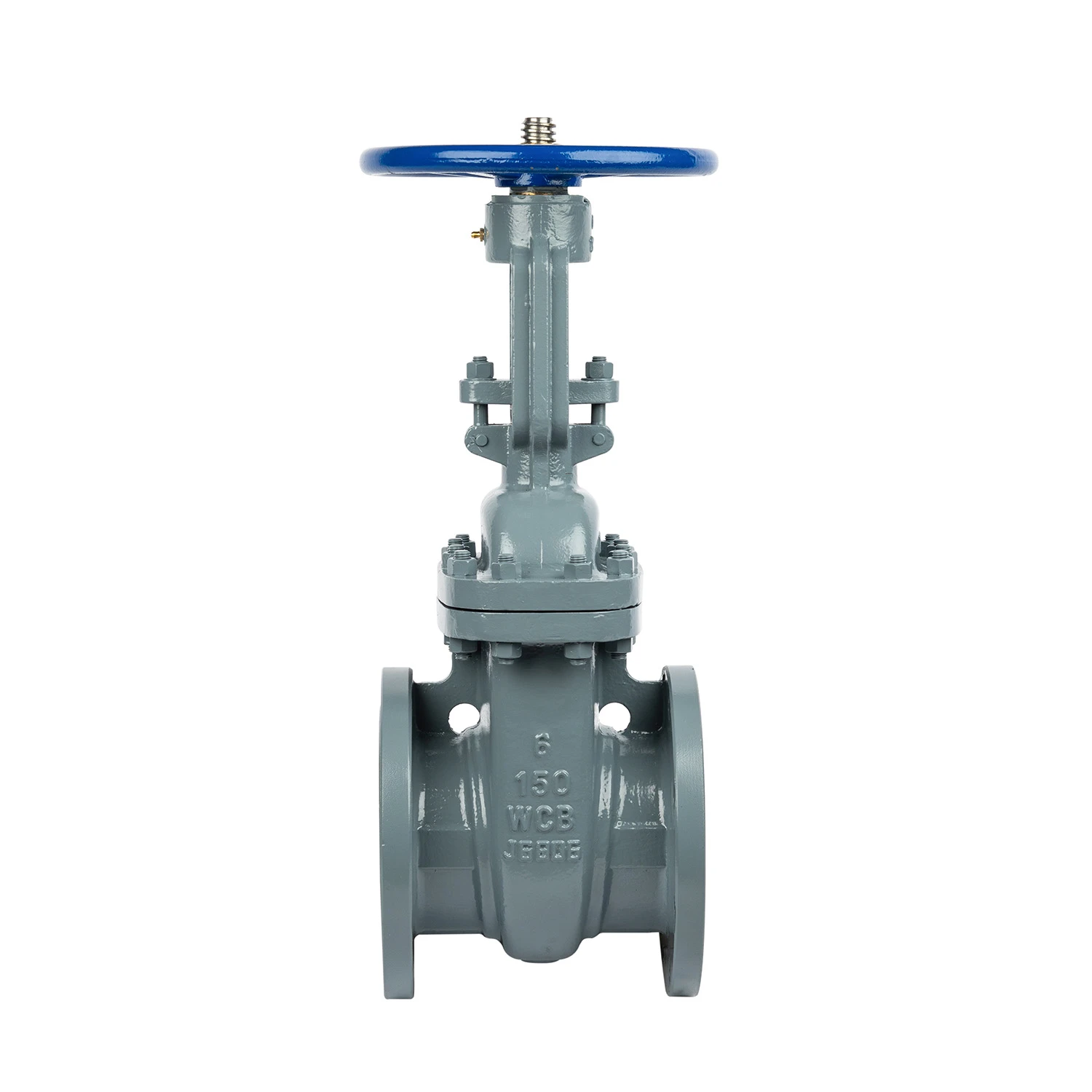
Flanged butterfly valves are a critical component in fluid handling systems across numerous industries, including chemical processing, water treatment, power generation, and oil & gas. Positioned as a quarter-turn rotational motion valve, they regulate fluid flow via a disc rotating within the valve body. Unlike gate valves, which rely on obstruction, or globe valves, which control flow via a narrowing passage, the butterfly valve utilizes a relatively simple yet effective design providing both throttling and on/off capabilities. Their inherent lightweight construction and compact design, particularly when compared to other valve types of similar nominal pipe size, make them highly desirable for installations where space and weight are at a premium. The flange connection ensures a robust and leak-tight sealing arrangement, making them suitable for high-pressure and high-temperature applications. This guide details the material science, manufacturing processes, performance characteristics, common failure modes, and relevant industry standards pertaining to flanged butterfly valves.
Material Science & Manufacturing
The selection of materials for flanged butterfly valves is dictated by the intended service conditions, including fluid compatibility, temperature range, and pressure requirements. Valve bodies are commonly fabricated from cast iron (ASTM A126 Grade B), ductile iron (ASTM A536 65-45-12), stainless steel (304/316 – ASTM A351), and alloy steels (ASTM A182 F304/F316). The disc itself is often constructed of the same material as the body, or may utilize materials like PTFE, UHMWPE, or Hastelloy C-276 for enhanced chemical resistance. Valve seats, crucial for sealing, are typically made from resilient elastomers such as EPDM, Viton, or PTFE, selected for their compatibility with the fluid being handled and their ability to conform to minor imperfections in the mating surfaces. The stem, responsible for transmitting rotational motion to the disc, is generally manufactured from stainless steel (304/316) for corrosion resistance and strength.
Manufacturing processes begin with the casting or forging of the valve body. Cast iron and ductile iron bodies are produced using sand casting, requiring meticulous pattern making and core creation. Stainless steel and alloy steel bodies are often forged, providing superior mechanical properties. Following body fabrication, machining operations are performed to achieve precise dimensions and smooth sealing surfaces. The disc is typically manufactured via investment casting or machining from bar stock. Seat insertion requires precise control to ensure proper alignment and compression. Flange faces are machined to comply with relevant standards (ANSI B16.5). Welding procedures (AWS D1.1) are critical for joining components, requiring qualified welders and stringent quality control to prevent porosity and ensure weld integrity. Non-destructive testing (NDT), including radiographic inspection (RT1) and liquid penetrant examination (PT), is frequently employed to verify weld quality and detect subsurface flaws. Finally, all components undergo surface treatment – often epoxy coating – to enhance corrosion resistance.
Performance & Engineering
The performance of a flanged butterfly valve is intrinsically linked to its hydrodynamic characteristics and mechanical integrity. Flow coefficient (Cv) is a critical parameter, indicating the valve’s capacity to pass fluid with minimal pressure drop. This value is determined through rigorous testing (ANSI/FCI 70-2) and is impacted by disc design, body geometry, and fluid viscosity. Torque requirements, the force needed to rotate the disc, increase with fluid pressure and viscosity, and must be considered when selecting an actuator. The valve’s pressure-temperature rating, defined by ANSI B16.34, dictates the maximum allowable operating conditions. Finite element analysis (FEA) is employed during the design phase to optimize stress distribution within the valve body and disc, preventing premature failure. Leakage rates are a critical concern, particularly in critical applications; bubble-tight shutoff is often required, necessitating precise seat alignment and high-quality sealing materials. Cavitation, the formation and collapse of vapor bubbles, can erode valve components; proper valve sizing and operating within recommended flow ranges are crucial to mitigate this risk. Furthermore, the valve’s resilience to water hammer – sudden pressure surges – must be evaluated, potentially requiring the inclusion of dampening mechanisms or pressure relief valves within the system.
Technical Specifications
| Parameter | Specification (Typical) | Testing Standard | Notes |
|---|---|---|---|
| Nominal Pipe Size (NPS) | 2" – 48" | ANSI B16.1 | Available in a wide range of sizes. |
| Pressure Rating (Class) | 150#, 300#, 600#, 900# | ANSI B16.34 | Higher classes require thicker walls and stronger materials. |
| Body Material | Ductile Iron (ASTM A536 65-45-12) | ASTM A536 | Stainless steel and alloy steel options available. |
| Disc Material | Stainless Steel (304/316) | ASTM A351 | PTFE-lined discs available for corrosive fluids. |
| Seat Material | EPDM | ASTM D2000 | Viton, PTFE, and other elastomers available. |
| Maximum Operating Temperature | -20°C to 180°C | Dependent on Seat & Body Materials | Temperature limitations depend on the selected materials. |
Failure Mode & Maintenance
Flanged butterfly valves, while robust, are susceptible to several failure modes. Corrosion, particularly in aggressive environments, can lead to body and disc degradation, ultimately resulting in leakage. Erosion, caused by abrasive particles in the fluid stream, can damage the disc and seat, compromising sealing performance. Seat failure, manifested as cracking, tearing, or deformation, is a common occurrence, especially with elastomer seats exposed to high temperatures or incompatible fluids. Stem failure can occur due to bending, corrosion, or fatigue cracking, leading to impaired disc control. Fatigue cracking in the disc, particularly near the stem connection, can result from cyclic loading. Cavitation erosion can cause pitting and material loss on the disc and body.
Preventative maintenance is crucial for ensuring long-term reliability. Regular inspection of the valve body, disc, and seat for signs of corrosion or erosion is recommended. Periodic lubrication of the stem and actuator is essential for smooth operation. Seat replacement should be performed based on the manufacturer’s recommendations or when leakage is detected. Non-destructive testing (NDT), such as liquid penetrant examination, can identify cracks and other flaws before they lead to catastrophic failure. Proper valve operation, avoiding over-throttling and exceeding pressure-temperature ratings, is paramount. For valves exposed to corrosive environments, protective coatings and cathodic protection may be necessary. Proper storage, especially for valves held in inventory, to prevent corrosion or degradation of sealing elements is also important.
Industry FAQ
Q: What is the difference between a concentric and double-flanged butterfly valve, and which is better suited for high-pressure applications?
A: Concentric butterfly valves have the stem passing through the center of the disc, while double-flanged valves have the stem offset. Double-flanged designs generally offer superior sealing capabilities and are better suited for high-pressure applications because the flange connection provides a more robust and leak-tight seal. The offset stem design also reduces stem wear and minimizes the risk of stem binding under high pressures.
Q: How does the material selection impact the valve’s resistance to specific chemicals?
A: Material selection is paramount. For example, standard ductile iron is susceptible to corrosion by strong acids and chlorides. Stainless steel (316) offers improved corrosion resistance, but may not be suitable for all chemicals. PTFE-lined discs and seats provide excellent resistance to a wide range of aggressive chemicals, while Hastelloy C-276 is used in extremely corrosive environments. Chemical compatibility charts should always be consulted.
Q: What is the typical lifespan of a butterfly valve seat, and what factors affect it?
A: The lifespan of a butterfly valve seat varies significantly, ranging from 1-5 years for elastomer seats to potentially decades for metal seats. Factors influencing lifespan include operating temperature, pressure, fluid compatibility, and the presence of abrasive particles. Higher temperatures accelerate elastomer degradation. Incompatible fluids cause swelling or dissolution of the seat material. Abrasive particles lead to erosion and premature failure.
Q: How do you determine the appropriate actuator size for a flanged butterfly valve?
A: Actuator sizing depends on several factors: valve size, pressure drop, fluid viscosity, and required operating speed. The actuator must provide sufficient torque to overcome the fluid pressure and friction within the valve. Actuator manufacturers provide sizing calculations based on these parameters. It is crucial to include a safety factor to account for unforeseen variations in operating conditions.
Q: What are the key considerations when specifying a flanged butterfly valve for cryogenic applications?
A: Cryogenic applications require special considerations. Materials must be capable of withstanding extremely low temperatures without becoming brittle. Stainless steel (304L or 316L) is commonly used. PTFE and other fluoropolymers are often selected for their low-temperature flexibility. Thermal contraction and expansion must be accounted for in the valve design and installation to prevent stress on the valve body and connections. Specialized cryogenic seals are required to maintain leak-tight performance at low temperatures.
Conclusion
Flanged butterfly valves represent a versatile and cost-effective solution for flow control in a wide array of industrial applications. Their performance is critically dependent on careful material selection, precision manufacturing, and adherence to established industry standards. Understanding the potential failure modes and implementing a proactive maintenance program are essential for maximizing valve lifespan and ensuring reliable operation.
Looking ahead, advancements in materials science and actuator technology promise to further enhance the capabilities of flanged butterfly valves. The development of new, high-performance elastomers will improve sealing efficiency and extend service life. Smart valve technologies, incorporating sensors and communication protocols, will enable remote monitoring and predictive maintenance. Continued adherence to stringent quality control measures and ongoing research will solidify the position of flanged butterfly valves as a cornerstone of modern fluid handling systems.
-
flanged butterfly valves Performance Analysis
-
flanged gate valves Performance Analysis
-
Flanges for butterfly valves Material Analysis
-
gate valve flange Performance Analysis
-
2 inch flange Performance Analysis
-
3 inch flange Performance Analysis
-
Aluminum Flange Material Performance
-
Ring Joint Flange Performance Analysis
-
Square Flange Performance Analysis
-
Ring Joint Flanges Performance Analysis
-
Rubber Flanges Performance Analysis
-
Square Flanges Material Science Manufacturing
-
Hubbed Flange Performance Analysis
-
Flat Face Flange Performance Analysis
-
Ball Valve Flange Performance Analysis
 Afrikaans
 Albanian
 Amharic
 Arabic
 Armenian
 Azerbaijani
 Basque
 Belarusian
 Bengali
 Bosnian
 Bulgarian
 Catalan
 Cebuano
 Corsican
 Croatian
 Czech
Czech
 Danish
 Dutch
Dutch
 Esperanto
 Estonian
 Finnish
 French
 Frisian
 Galician
 Georgian
 German
 Greek
Greek
 Gujarati
 Haitian Creole
 Hausa
Hawaiian
Hausa
Hawaiian
 Hebrew
 Hindi
Hindi
 Miao
Miao
 Hungarian
 Icelandic
 Igbo
Igbo
 Indonesian
 Irish
Irish
 Italian
 Japanese
 Javanese
Kannada
Javanese
Kannada
 Kazakh
 Khmer
Khmer
 Rwandese
 Korean
 Kurdish
 Kyrgyz
 Lao
Lao
 Latin
Latin
 Latvian
 Lithuanian
 Luxembourgish
 Macedonian
 Malgashi
 Malay
Malay
 Malayalam
 Maltese
 Maori
Maori
 Marathi
 Mongolian
 Myanmar
 Nepali
 Norwegian
 Norwegian
 Occitan
 Pashto
 Persian
 Polish
 Portuguese
Punjabi
Portuguese
Punjabi
 Romanian
 Russian
 Samoan
 Scottish Gaelic
 Serbian
 Sesotho
 Shona
Shona
 Sindhi
 Sinhala
 Slovak
 Slovenian
 Somali
 Spanish
 Sundanese
 Swahili
 Swedish
Tagalog
Swedish
Tagalog
 Tajik
Tajik
 Tamil
Tamil
 Tatar
Tatar
 Telugu
 Thai
Thai
 Turkish
 Turkmen
 Ukrainian
 Urdu
Urdu
 Uighur
 Uzbek
Uzbek
 Vietnamese
 Welsh
Welsh
 Bantu
Bantu
 Yiddish
 Yoruba
 Zulu
Zulu
 English