




Flat Face Flange Performance Analysis
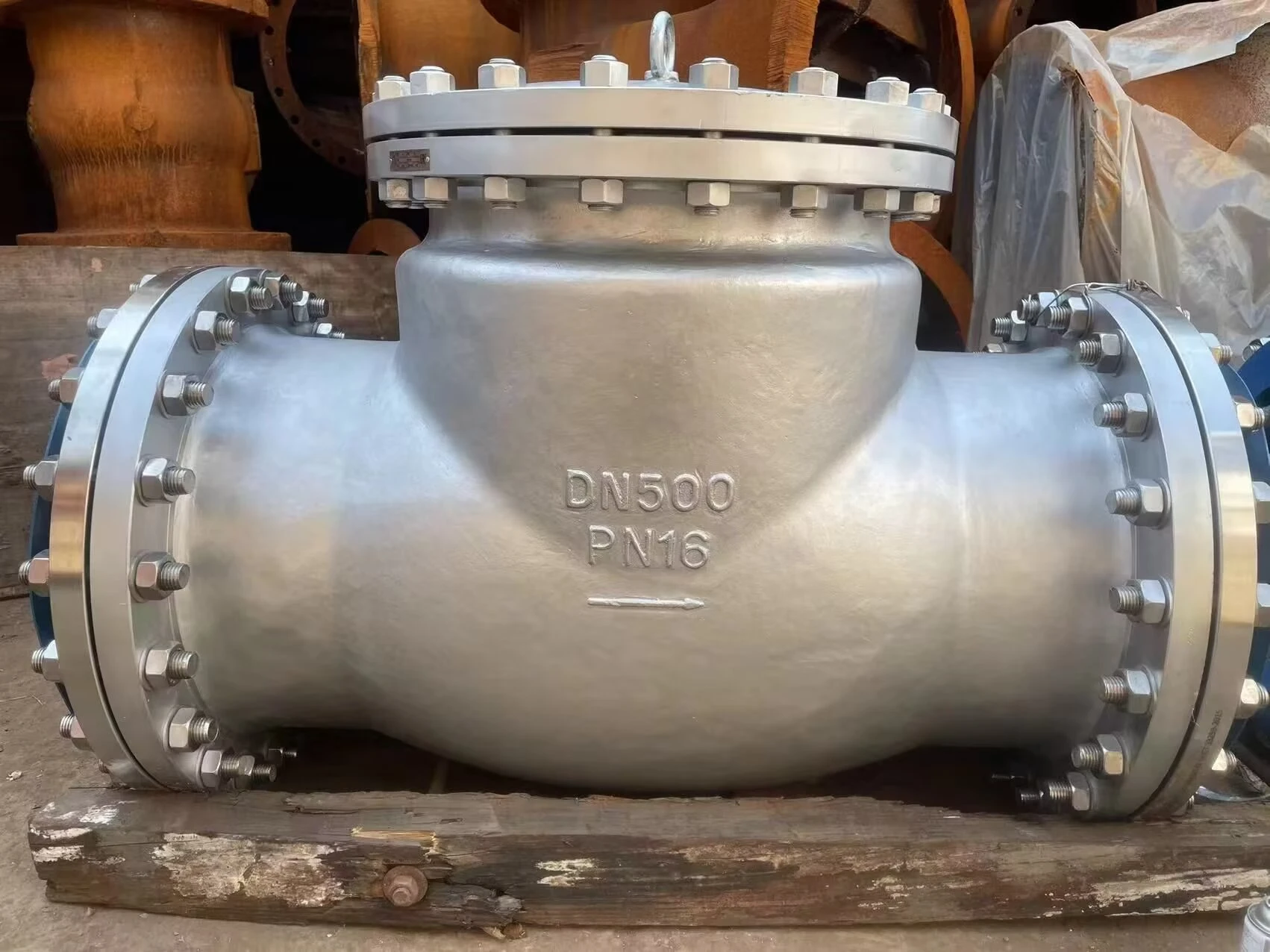
Introduction
Flat Face Flanges are a fundamental component in piping systems across numerous industries, including chemical processing, oil & gas, water treatment, and power generation. Positioned within the interconnectivity chain, they provide a reliable and structurally sound method for joining pipes, valves, pumps, and other equipment. Characterized by a flat mating surface, these flanges are primarily used with flat-faced mating flanges or equipment. Core performance characteristics center around maintaining a leak-proof seal under specified pressure and temperature conditions while resisting corrosion and mechanical stress. Their compatibility with a wide range of materials and sizes contributes to their ubiquitous application. The selection of the appropriate flat face flange depends on crucial factors such as pressure class, material compatibility with the transported fluid, and adherence to relevant industry standards. Improper selection or installation can lead to catastrophic failures, highlighting the need for detailed engineering analysis and rigorous quality control.
Material Science & Manufacturing
Flat face flanges are manufactured from a variety of materials, each selected based on application requirements. Carbon steel (ASTM A105) is the most common due to its cost-effectiveness and strength, suitable for general service applications. Stainless steels (304/304L, 316/316L) offer superior corrosion resistance, vital in handling corrosive fluids or operating in harsh environments. Alloy steels (A182 F51, F53) are employed in high-temperature, high-pressure systems. Material properties are critical. Carbon steel exhibits a yield strength around 250 MPa and tensile strength of 400 MPa. Stainless steel 304/304L boasts a yield strength of approximately 205 MPa and a tensile strength of 550 MPa. The manufacturing process typically begins with forging or casting of the flange body. Forging imparts higher strength and grain structure refinement. Following forming, the flange undergoes machining to achieve precise dimensions and a smooth mating surface. Critical parameters include surface roughness (Ra < 1.6 μm) to ensure sealing effectiveness and dimensional accuracy within +/- 0.13 mm. Welding (SMAW, GTAW, GMAW) is frequently used to attach the flange to the piping system. Welding parameters, such as heat input and filler metal composition, must be carefully controlled to prevent weld defects like porosity, cracking, and incomplete fusion. Post-weld heat treatment (PWHT) is often necessary to relieve residual stresses and improve the mechanical properties of the weld joint. Non-destructive testing (NDT) methods like Radiographic Testing (RT), Ultrasonic Testing (UT), and Liquid Penetrant Testing (PT) are routinely applied to verify weld quality and material integrity.
Performance & Engineering
The performance of a flat face flange is dictated by its ability to withstand internal pressure, external loads, and temperature fluctuations without deformation or failure. Force analysis considers hoop stress (σh = PD/2t, where P is pressure, D is inner diameter, and t is wall thickness), longitudinal stress, and bending stress. Finite Element Analysis (FEA) is frequently utilized to model stress distribution under various loading conditions and optimize flange geometry. Environmental resistance is paramount. Corrosion, particularly galvanic corrosion when dissimilar metals are coupled, must be mitigated through material selection, coatings (epoxy, PTFE), and cathodic protection. Bolt preload is a crucial parameter; insufficient preload can lead to gasket failure, while excessive preload can cause bolt yielding or flange distortion. The bolting material, typically ASTM A193 Grade B7, must be compatible with the flange material and operating temperature. Compliance requirements are stringent. ASME B16.5 governs flange dimensions and pressure-temperature ratings. ANSI/API 600 outlines requirements for flanges used in valve applications. Leak testing (pneumatic or hydrostatic) is conducted to verify the integrity of the bolted connection. Thermal expansion and contraction of piping systems must be accounted for to prevent stresses on the flange and connected equipment. Proper alignment during installation is critical; misalignment can induce bending moments and compromise the seal.
Technical Specifications
| Parameter | Carbon Steel (A105) | Stainless Steel (304/304L) | Stainless Steel (316/316L) | Alloy Steel (A182 F51) |
|---|---|---|---|---|
| Pressure Rating (PSI) | Up to 2000 | Up to 2000 | Up to 2000 | Up to 3000 |
| Temperature Range (°C) | -29 to 370 | -196 to 425 | -196 to 450 | -50 to 400 |
| Yield Strength (MPa) | 250 | 205 | 205 | 345 |
| Tensile Strength (MPa) | 400 | 550 | 550 | 483 |
| Corrosion Resistance | Limited | Good | Excellent | Good (with specific alloying) |
| Typical Applications | Water, Oil, Gas | Chemical Processing, Food & Beverage | Marine, Pharmaceutical | High-Temperature, High-Pressure |
Failure Mode & Maintenance
Flat face flanges are susceptible to several failure modes. Corrosion is a primary concern, leading to pitting, crevice corrosion, and ultimately, through-wall penetration. Fatigue cracking can occur under cyclic loading conditions, particularly around bolt holes and at the flange face. Gasket failure is common, often resulting from improper bolt torque, gasket material degradation, or flange surface imperfections. Bolted joint loosening can occur due to vibration, thermal cycling, or creep. Over-tightening of bolts can lead to yielding or thread stripping. Failure analysis often involves visual inspection, non-destructive testing (UT, PT, RT), and metallurgical examination to determine the root cause. Preventative maintenance is critical. Regular inspection for corrosion, cracks, and bolt tightness is essential. Torque wrenches should be used to ensure proper bolt preload. Gaskets should be replaced periodically based on service conditions and manufacturer recommendations. Protective coatings should be maintained to prevent corrosion. Lubrication of bolt threads can prevent galling and facilitate disassembly. Proper flange alignment during installation and periodic realignment if necessary are vital. Periodic bolt tension checks utilizing ultrasonic bolt load measurement can detect preload loss before catastrophic failure occurs.
Industry FAQ
Q: What is the difference between a Raised Face and Flat Face flange, and when should each be used?
A: Raised Face flanges have a raised lip around the bolting circle, creating a narrower contact area with the mating flange. This concentrates the gasket pressure. They are typically used with other Raised Face flanges. Flat Face flanges, as discussed, have a flat surface and are best suited for mating with flat-faced equipment (pumps, valves) or other Flat Face flanges. Using a Raised Face flange against a Flat Face mating surface can lead to inadequate sealing and potential leakage due to the uneven contact.
Q: How does temperature affect the bolt preload in a flanged joint?
A: Temperature changes cause thermal expansion or contraction of the flange and connected piping. This can alter the bolt preload. Heating the joint typically reduces preload due to the expansion of the flange. Cooling the joint can increase preload. It's essential to account for these temperature effects during installation and periodically re-torque the bolts, particularly in applications with significant temperature fluctuations, to maintain optimal sealing performance.
Q: What are the key considerations when selecting a gasket material for a flat face flange?
A: Gasket material selection depends on the fluid being conveyed, operating temperature, and pressure. Materials like non-asbestos fiber, PTFE, and compressed fiber gaskets are commonly used. The gasket must be chemically compatible with the fluid to prevent degradation. Temperature limitations must be considered; higher temperatures require more robust gasket materials. The gasket’s compressibility and resilience are important for achieving a tight seal. Full-face gaskets are often preferred with flat face flanges to provide a larger sealing area and compensate for surface imperfections.
Q: What is the significance of flange facing and how should it be inspected?
A: Flange facing refers to the surface finish of the mating surface. A smooth, flat surface is crucial for achieving a leak-proof seal. Flange facing should be inspected visually for scratches, dents, or corrosion. Surface roughness should be measured using a surface profilometer to ensure it meets specified limits (typically Ra < 1.6 μm). Any imperfections can compromise the gasket’s ability to seal effectively.
Q: What are the potential consequences of using the wrong flange pressure class for a given application?
A: Using a flange with an insufficient pressure class for the operating pressure can lead to catastrophic failure. The flange may deform, crack, or even rupture, resulting in a release of the contained fluid and potential injury. It's crucial to select a flange with a pressure rating that exceeds the maximum operating pressure of the system by a suitable safety margin. Always refer to the applicable standards (e.g., ASME B16.5) for pressure-temperature ratings.
Conclusion
Flat face flanges represent a critical joining technology in numerous industrial applications. Their performance relies heavily on careful material selection, precise manufacturing processes, and adherence to established engineering principles. Understanding the potential failure modes – corrosion, fatigue, and gasket failure – is paramount for ensuring long-term reliability and safety. Proper maintenance practices, including regular inspection, torque verification, and gasket replacement, are essential for preventing unforeseen downtime and costly repairs.
Looking forward, advancements in non-destructive testing techniques and the development of more corrosion-resistant materials will further enhance the performance and lifespan of flat face flanges. The integration of digital technologies, such as IoT sensors for monitoring bolt preload and temperature, will enable proactive maintenance and predictive failure analysis. Ultimately, a thorough understanding of the technical intricacies surrounding flat face flange design, installation, and maintenance remains the cornerstone of safe and efficient operations.
-
Rubber Flanges Performance Analysis
-
Square Flanges Material Science Manufacturing
-
Hubbed Flange Performance Analysis
-
Flat Face Flange Performance Analysis
-
Ball Valve Flange Performance Analysis
-
flat face flanges Performance Analysis
-
Flat Faced Flange Performance Analysis
-
3 in flange Performance Analysis
-
2in flange Performance Analysis
-
Flat Faced Flanges Performance Analysis
-
megalug flange Performance and Engineering
-
Plate Flange Performance Analysis
-
Reducing Flange Performance Analysis
-
Sealing Flange Performance Analysis
-
Turbo Flanges Performance Analysis
 Afrikaans
 Albanian
 Amharic
 Arabic
 Armenian
 Azerbaijani
 Basque
 Belarusian
 Bengali
 Bosnian
 Bulgarian
 Catalan
 Cebuano
 Corsican
 Croatian
 Czech
Czech
 Danish
 Dutch
Dutch
 Esperanto
 Estonian
 Finnish
 French
 Frisian
 Galician
 Georgian
 German
 Greek
Greek
 Gujarati
 Haitian Creole
 Hausa
Hawaiian
Hausa
Hawaiian
 Hebrew
 Hindi
Hindi
 Miao
Miao
 Hungarian
 Icelandic
 Igbo
Igbo
 Indonesian
 Irish
Irish
 Italian
 Japanese
 Javanese
Kannada
Javanese
Kannada
 Kazakh
 Khmer
Khmer
 Rwandese
 Korean
 Kurdish
 Kyrgyz
 Lao
Lao
 Latin
Latin
 Latvian
 Lithuanian
 Luxembourgish
 Macedonian
 Malgashi
 Malay
Malay
 Malayalam
 Maltese
 Maori
Maori
 Marathi
 Mongolian
 Myanmar
 Nepali
 Norwegian
 Norwegian
 Occitan
 Pashto
 Persian
 Polish
 Portuguese
Punjabi
Portuguese
Punjabi
 Romanian
 Russian
 Samoan
 Scottish Gaelic
 Serbian
 Sesotho
 Shona
Shona
 Sindhi
 Sinhala
 Slovak
 Slovenian
 Somali
 Spanish
 Sundanese
 Swahili
 Swedish
Tagalog
Swedish
Tagalog
 Tajik
Tajik
 Tamil
Tamil
 Tatar
Tatar
 Telugu
 Thai
Thai
 Turkish
 Turkmen
 Ukrainian
 Urdu
Urdu
 Uighur
 Uzbek
Uzbek
 Vietnamese
 Welsh
Welsh
 Bantu
Bantu
 Yiddish
 Yoruba
 Zulu
Zulu
 English