




Rubber Flanges Performance Analysis
Introduction
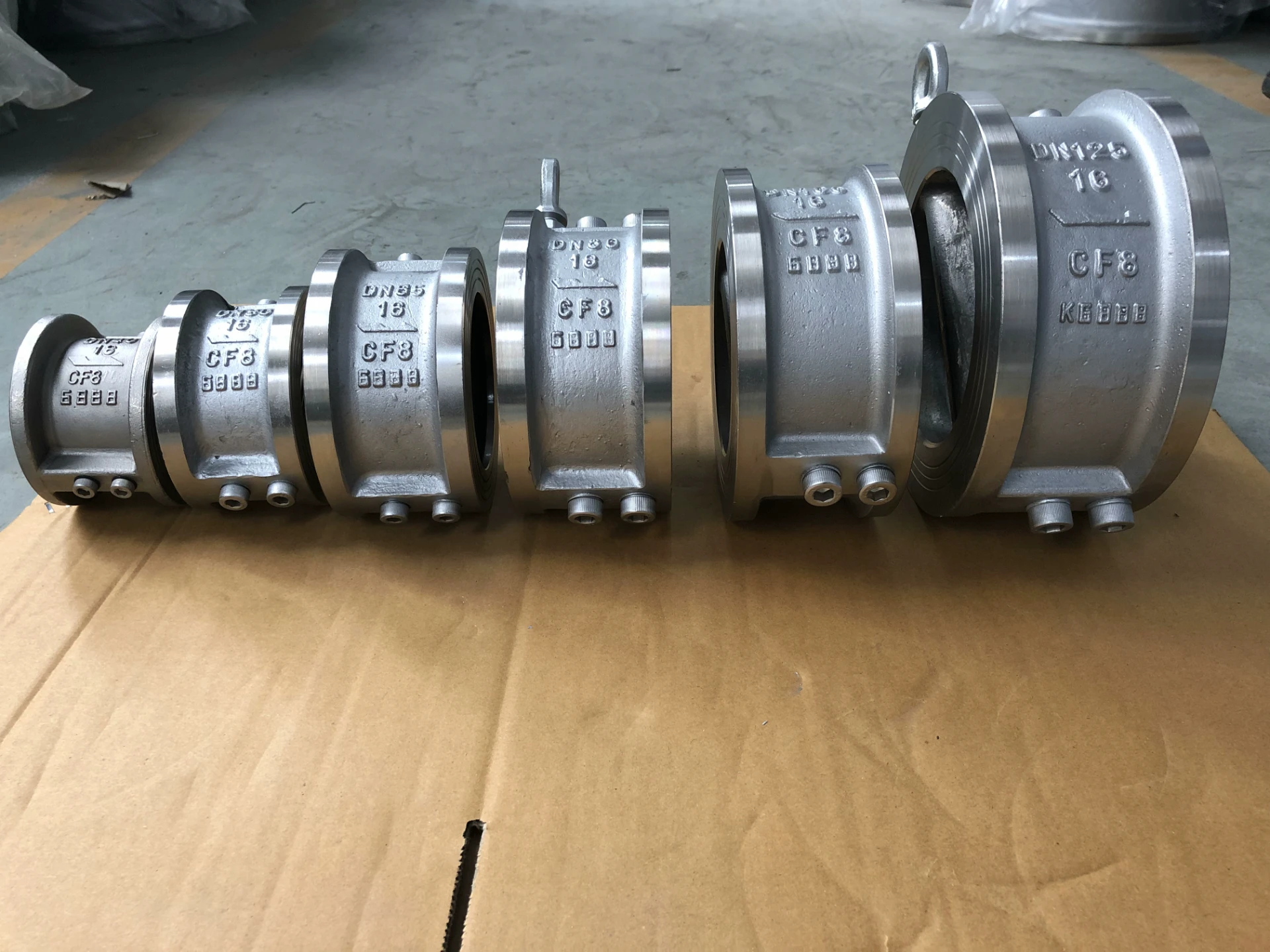
Rubber flanges are critical components in piping systems, serving as the connecting interface between pipe sections, valves, pumps, and other equipment. They function to transmit fluid or gas pressure while simultaneously providing a reliable seal. Unlike welded or metallic flanges, rubber flanges incorporate elastomeric materials – typically natural rubber (NR), styrene-butadiene rubber (SBR), nitrile rubber (NBR), ethylene propylene diene monomer (EPDM), or chloroprene rubber (CR) – offering advantages in vibration dampening, noise reduction, and accommodating thermal expansion/contraction. Their position within the industrial chain is pivotal, particularly in applications where corrosion resistance, flexibility, and leak-proof performance are paramount, notably in water treatment, chemical processing, and marine environments. Core performance characteristics include pressure rating, temperature resistance, chemical compatibility, and elongation at break, defining their suitability for diverse industrial applications. The selection of the appropriate rubber compound is crucial and directly impacts the flange's long-term operational integrity.
Material Science & Manufacturing
The primary materials constituting rubber flanges are elastomers and reinforcing agents. Elastomers, providing flexibility and sealing capability, are selected based on fluid compatibility and operational temperatures. Natural Rubber (NR) offers high tensile strength and resilience, ideal for general-purpose applications, but exhibits poor resistance to oils and ozone. Styrene-Butadiene Rubber (SBR) provides good abrasion resistance and is cost-effective, suitable for water and dilute chemical exposure. Nitrile Rubber (NBR) demonstrates exceptional oil resistance, making it vital in fuel and hydraulic systems. EPDM excels in outdoor applications with its resistance to weathering, ozone, and heat. Chloroprene Rubber (CR) exhibits good resistance to oil, chemicals, and flame. Reinforcing fillers like carbon black, silica, and clay are incorporated to enhance tensile strength, tear resistance, and abrasion resistance.
Manufacturing typically involves compression molding, transfer molding, or injection molding. Compression molding, common for larger flanges, utilizes heat and pressure to conform the rubber compound into a mold cavity. Transfer molding is suited for intricate designs, where the rubber is transferred through a gate into the mold. Injection molding allows for high-volume production with precise dimensions. Critical parameters during manufacturing include compound mixing ratios (to ensure homogeneity), curing time and temperature (to achieve optimal cross-linking density and mechanical properties), and mold pressure (to eliminate voids and ensure dimensional accuracy). Post-curing, flanges undergo trimming, inspection for defects (visual and non-destructive testing such as ultrasonic inspection), and surface treatment if required. The rubber-to-metal bonding process is critical, commonly achieved through adhesive bonding or mechanical interlocking, ensuring a robust interface capable of withstanding operational stresses. Quality control adheres to standards like ISO 9001, ensuring traceability and consistency in production.
Performance & Engineering
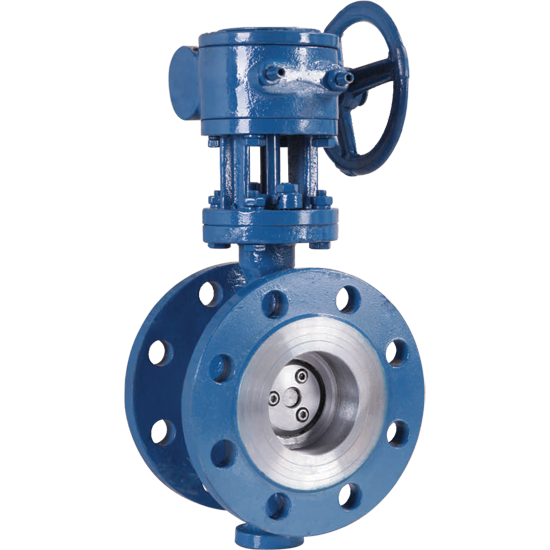
The performance of rubber flanges is fundamentally governed by their ability to withstand internal pressure, axial load, and external forces. Force analysis considers hoop stress due to internal pressure, bending moments from pipe misalignment, and shear stresses at the rubber-metal interface. Finite Element Analysis (FEA) is commonly employed to model stress distributions and optimize flange geometry. Environmental resistance is also paramount. Prolonged exposure to UV radiation, ozone, and extreme temperatures can cause degradation, leading to cracking and loss of sealing effectiveness. Chemical compatibility dictates the elastomer selection; exposure to incompatible substances can cause swelling, softening, or dissolution of the rubber. Compliance requirements depend on the application. For potable water systems, flanges must comply with NSF/ANSI 61, ensuring they do not leach harmful contaminants. In pressure vessel applications, adherence to ASME B31.3 is crucial. Furthermore, the elongation at break and tensile strength of the rubber compound directly impact its ability to accommodate pipe movement due to thermal expansion or vibration. Proper flange selection necessitates a thorough understanding of the operating conditions, including pressure, temperature, fluid composition, and potential for external loads.
Technical Specifications
| Parameter | Unit | NBR (Typical) | EPDM (Typical) |
|---|---|---|---|
| Maximum Operating Pressure | MPa | 1.0 | 0.8 |
| Operating Temperature Range | °C | -40 to 120 | -50 to 150 |
| Tensile Strength | MPa | 15 | 12 |
| Elongation at Break | % | 300 | 400 |
| Hardness (Shore A) | - | 60 | 65 |
| Oil Resistance | Rating (1-5, 5=Excellent) | 5 | 2 |
Failure Mode & Maintenance
Rubber flanges are susceptible to several failure modes. Fatigue cracking, often initiated at the rubber-metal interface, results from cyclical loading and can lead to complete flange failure. Chemical degradation occurs when the elastomer is exposed to incompatible fluids, causing swelling, softening, and loss of mechanical properties. Ozone cracking is prevalent in outdoor applications, particularly with NR and SBR, leading to surface cracks and eventual rupture. Thermal degradation, caused by prolonged exposure to high temperatures, results in hardening and embrittlement of the rubber. Bond failure between the rubber and metal components can occur due to inadequate adhesive bonding or corrosion at the interface. Delamination results from insufficient adhesion, especially in harsh environments.
Preventive maintenance is crucial for maximizing flange lifespan. Regular visual inspections should be conducted to identify cracks, swelling, or signs of deterioration. Periodic torque checks ensure proper bolt tension, maintaining the seal integrity. Lubrication of bolts prevents corrosion and facilitates future removal. For applications involving aggressive chemicals, periodic replacement of the flange based on manufacturer recommendations and operational conditions is essential. When storing rubber flanges, they should be kept in a cool, dry, dark environment away from ozone sources and direct sunlight. In case of detected failure, immediate replacement is recommended, avoiding temporary repairs that compromise system integrity. Record keeping of inspections and maintenance activities ensures a proactive approach to flange management.
Industry FAQ
Q: What is the impact of fluid velocity on rubber flange performance?
A: High fluid velocity can induce erosion of the rubber material, particularly at the inner diameter of the flange. It also increases the risk of water hammer, creating pressure surges that exceed the flange’s pressure rating and leading to premature failure. Proper sizing of the piping system and incorporating flow control devices are crucial to mitigate these effects.
Q: How does the choice of bolt material affect the longevity of a rubber flange assembly?
A: Galvanic corrosion can occur when dissimilar metals (e.g., carbon steel bolts and stainless steel flange) are in contact in the presence of an electrolyte. Selecting compatible bolt materials or using insulating washers prevents this corrosion, ensuring reliable bolting and preventing flange leakage.
Q: What are the considerations when selecting a rubber flange for a vacuum application?
A: Vacuum applications present unique challenges. The flange must be able to withstand the inward pressure and maintain a tight seal without collapsing. The rubber compound must exhibit low gas permeability to prevent leaks. Reinforcement rings are often incorporated into the flange design to provide additional structural support.
Q: What is the significance of flange facing finish?
A: The flange facing finish—typically raised face (RF), flat face (FF), or ring type joint (RTJ)—is critical for achieving a leak-proof seal. A smooth, consistent facing ensures uniform contact between the flanges, minimizing stress concentrations and maximizing sealing effectiveness. Improper facing can result in leaks and flange distortion.
Q: What testing methods are used to verify the quality of rubber flanges?
A: Common testing methods include hydrostatic testing (to verify pressure rating), tensile testing (to determine mechanical properties), hardness testing (to assess rubber compound consistency), and chemical resistance testing (to evaluate compatibility with specific fluids). Non-destructive testing methods, such as ultrasonic inspection, can detect internal flaws without damaging the flange.
Conclusion
Rubber flanges represent a vital component in numerous industrial applications, offering a unique combination of flexibility, corrosion resistance, and sealing performance. Their selection, however, demands a comprehensive understanding of material science, manufacturing processes, and operational requirements. Careful consideration must be given to fluid compatibility, temperature range, pressure rating, and potential environmental factors. The longevity and reliability of these components are directly linked to proper material selection, meticulous manufacturing control, and a proactive maintenance strategy.
Future advancements in rubber flange technology will likely focus on developing novel elastomer compounds with enhanced chemical resistance and temperature stability. Improvements in rubber-to-metal bonding techniques will further enhance structural integrity and prevent bond failure. The increasing adoption of predictive maintenance strategies, utilizing sensor technology to monitor flange performance in real-time, will enable timely interventions and minimize downtime. A holistic approach, integrating advanced materials, robust manufacturing, and intelligent monitoring, is key to optimizing the performance and extending the service life of rubber flanges.
-
Rubber Flanges Performance Analysis
-
Square Flanges Material Science Manufacturing
-
Hubbed Flange Performance Analysis
-
Flat Face Flange Performance Analysis
-
Ball Valve Flange Performance Analysis
-
flat face flanges Performance Analysis
-
Flat Faced Flange Performance Analysis
-
3 in flange Performance Analysis
-
2in flange Performance Analysis
-
Flat Faced Flanges Performance Analysis
-
megalug flange Performance and Engineering
-
Plate Flange Performance Analysis
-
Reducing Flange Performance Analysis
-
Sealing Flange Performance Analysis
-
Turbo Flanges Performance Analysis
 Afrikaans
 Albanian
 Amharic
 Arabic
 Armenian
 Azerbaijani
 Basque
 Belarusian
 Bengali
 Bosnian
 Bulgarian
 Catalan
 Cebuano
 Corsican
 Croatian
 Czech
Czech
 Danish
 Dutch
Dutch
 Esperanto
 Estonian
 Finnish
 French
 Frisian
 Galician
 Georgian
 German
 Greek
Greek
 Gujarati
 Haitian Creole
 Hausa
Hawaiian
Hausa
Hawaiian
 Hebrew
 Hindi
Hindi
 Miao
Miao
 Hungarian
 Icelandic
 Igbo
Igbo
 Indonesian
 Irish
Irish
 Italian
 Japanese
 Javanese
Kannada
Javanese
Kannada
 Kazakh
 Khmer
Khmer
 Rwandese
 Korean
 Kurdish
 Kyrgyz
 Lao
Lao
 Latin
Latin
 Latvian
 Lithuanian
 Luxembourgish
 Macedonian
 Malgashi
 Malay
Malay
 Malayalam
 Maltese
 Maori
Maori
 Marathi
 Mongolian
 Myanmar
 Nepali
 Norwegian
 Norwegian
 Occitan
 Pashto
 Persian
 Polish
 Portuguese
Punjabi
Portuguese
Punjabi
 Romanian
 Russian
 Samoan
 Scottish Gaelic
 Serbian
 Sesotho
 Shona
Shona
 Sindhi
 Sinhala
 Slovak
 Slovenian
 Somali
 Spanish
 Sundanese
 Swahili
 Swedish
Tagalog
Swedish
Tagalog
 Tajik
Tajik
 Tamil
Tamil
 Tatar
Tatar
 Telugu
 Thai
Thai
 Turkish
 Turkmen
 Ukrainian
 Urdu
Urdu
 Uighur
 Uzbek
Uzbek
 Vietnamese
 Welsh
Welsh
 Bantu
Bantu
 Yiddish
 Yoruba
 Zulu
Zulu
 English