




Square Flanges Material Science Manufacturing
Introduction
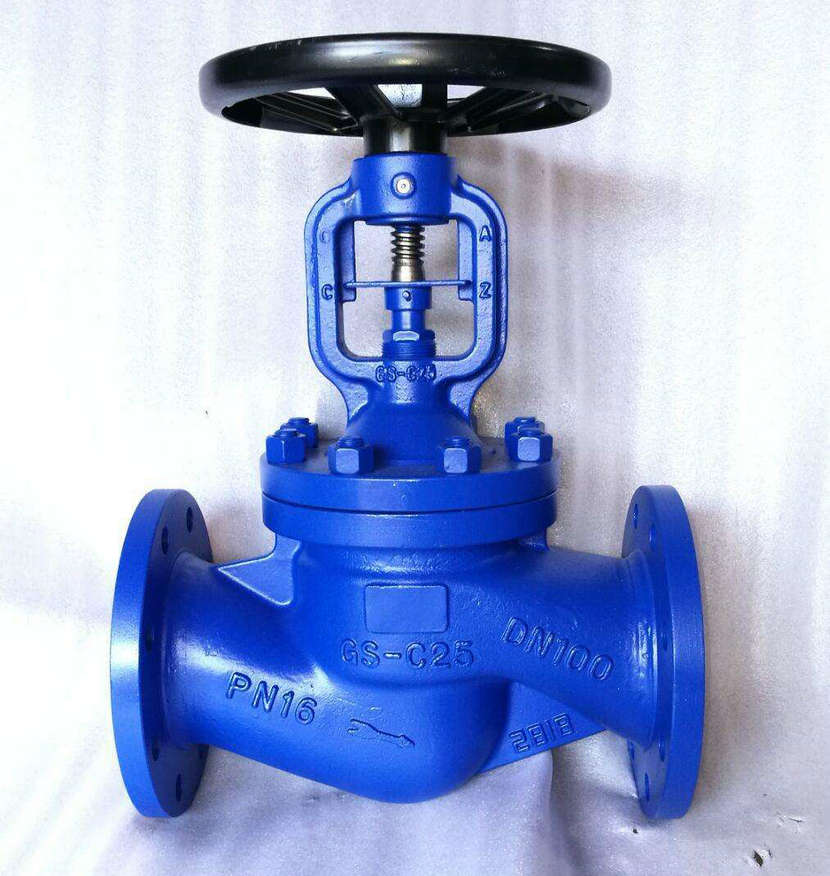
Square flanges are a critical component in piping systems, serving as the connecting interface between sections of pipe, valves, pumps, and other equipment. Unlike circular flanges, square flanges offer advantages in certain applications, particularly where space constraints exist or where a more secure, anti-rotation connection is required. They are commonly found in industrial processing, HVAC systems, and general plumbing, fabricated from a variety of materials to suit differing pressure, temperature, and chemical compatibility requirements. Their technical position within the industry chain is as a foundational element in fluid transfer infrastructure, dictating system integrity and operational efficiency. Core performance characteristics revolve around maintaining a leak-proof seal under specified operating conditions, resisting corrosion, and withstanding mechanical stresses induced by pipe weight, thermal expansion, and fluid flow.
Material Science & Manufacturing
The material selection for square flanges is paramount, dictated by the service environment and fluid being conveyed. Common materials include carbon steel (ASTM A105, A516 Grade 70), stainless steel (304/304L, 316/316L), alloy steels (e.g., chromium-molybdenum alloys for high-temperature service), and in corrosive environments, specialized alloys like Hastelloy or Inconel. Carbon steel flanges are cost-effective for general applications but susceptible to corrosion. Stainless steels offer superior corrosion resistance but at a higher cost. Manufacturing typically involves forging, casting, or plate cutting followed by machining. Forged flanges exhibit higher strength due to grain flow alignment induced during the forging process. Casting is suitable for complex geometries but may require additional heat treatment to refine the microstructure and eliminate porosity. Plate-cut flanges are fabricated from flat plate stock and welded into shape. Key manufacturing parameters include precise dimensional control (bore diameter, flange face flatness, bolt hole positioning), weld quality (for welded flanges – ensuring full penetration and minimal porosity), and surface finish (to optimize gasket sealing). Heat treatment processes, such as annealing or normalizing, are employed to relieve residual stresses and improve ductility. Non-destructive testing (NDT), including radiographic inspection (RT), ultrasonic testing (UT), and liquid penetrant examination (PT), are crucial for verifying material integrity and weld quality.
Performance & Engineering
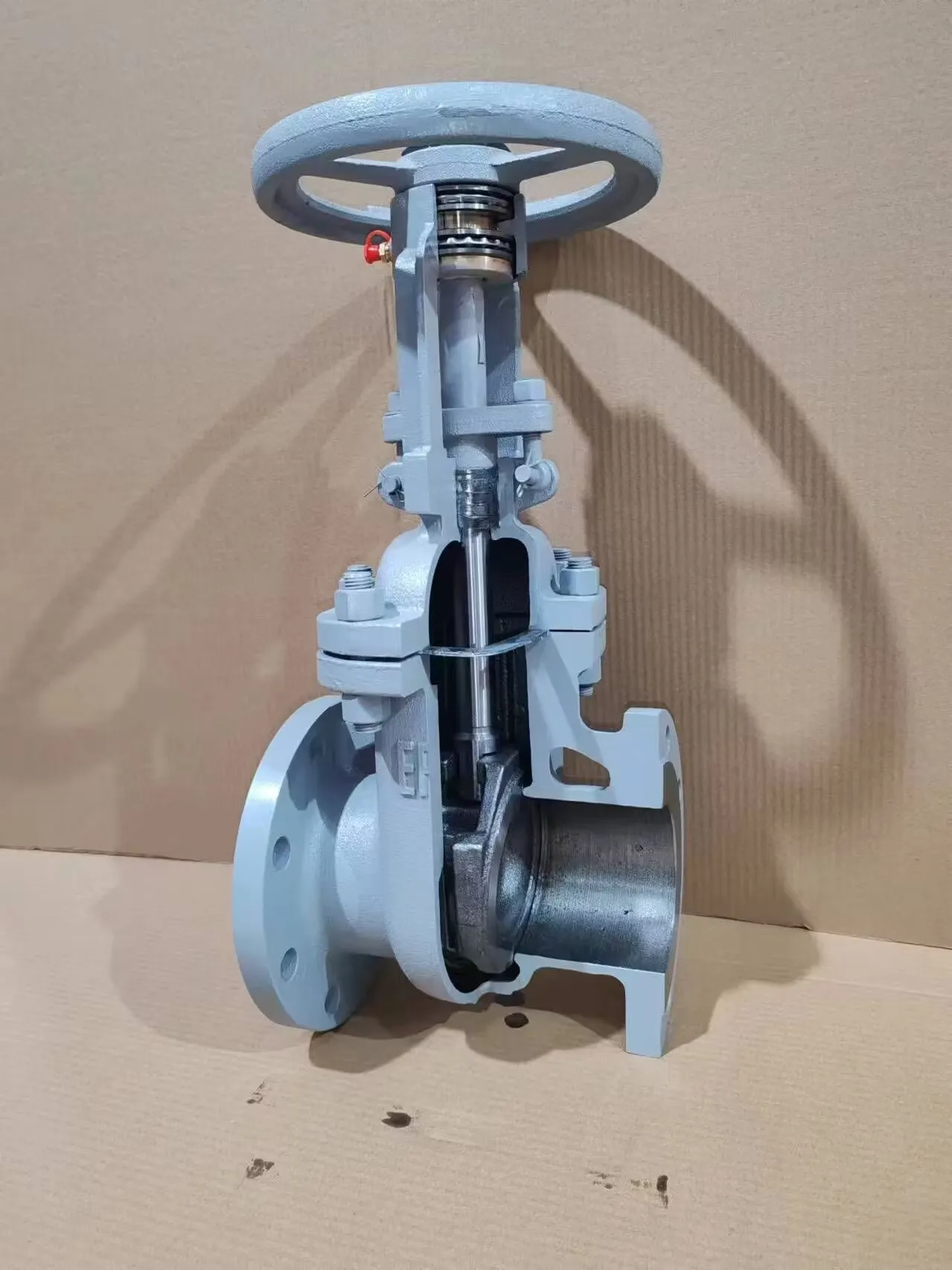
Square flange performance is assessed through rigorous engineering analysis, focusing on pressure containment, stress distribution, and sealing effectiveness. Force analysis considers internal pressure loading, bolt preload, thermal stresses arising from temperature gradients, and external loads from pipe weight and vibration. The flange’s ability to withstand these forces without yielding or experiencing plastic deformation is critical. Finite Element Analysis (FEA) is routinely used to model stress concentrations around bolt holes and the flange face. Gasket selection is integral to performance; materials like compressed non-asbestos fiber, PTFE, or metallic gaskets are chosen based on fluid compatibility, temperature range, and pressure requirements. Bolt tightening procedures, adhering to industry standards like ASME PCC-1, are essential to achieving the specified bolt preload, ensuring adequate gasket compression. Environmental resistance is another crucial factor. Corrosion resistance is enhanced through material selection and the application of protective coatings (e.g., epoxy coatings, galvanizing). Thermal expansion and contraction necessitate careful consideration, particularly in systems with significant temperature variations. Expansion joints and flexible connectors may be required to mitigate stresses. Compliance requirements vary by region and application. Pressure Equipment Directive (PED) in Europe, ASME Boiler and Pressure Vessel Code in North America, and similar standards in other jurisdictions dictate design, fabrication, and inspection criteria. Leak testing, using air or hydrostatic pressure, is performed to verify the integrity of the flange joint.
Technical Specifications
| Parameter | Unit | ASTM A105 Carbon Steel | 304/304L Stainless Steel |
|---|---|---|---|
| Nominal Pipe Size | inches | 1/2 - 24 | 1/2 - 24 |
| Pressure Rating | psi | Up to 2000 | Up to 6000 |
| Tensile Strength | MPa | 400-550 | 517-724 |
| Yield Strength | MPa | 250-345 | 205-276 |
| Elongation | % | 18-23 | 30-50 |
| Corrosion Rate (in Seawater) | mm/year | 0.05-0.1 | <0.01 |
Failure Mode & Maintenance
Square flanges are susceptible to several failure modes. Corrosion is a primary concern, particularly in harsh environments, leading to pitting, crevice corrosion, or uniform metal loss. Fatigue cracking can occur under cyclic loading, initiating at stress concentrations around bolt holes or weld defects. Bolt failure, due to over-tightening, corrosion, or material fatigue, can compromise the seal. Gasket failure, arising from improper installation, material degradation, or exceeding temperature/pressure limits, results in leakage. Weld defects (porosity, incomplete fusion) in welded flanges can initiate cracks under stress. Maintenance protocols include regular visual inspection for corrosion, cracks, and leaks. Bolt torque verification and re-tightening, according to manufacturer’s recommendations, are crucial. Gasket replacement should be performed periodically or whenever leakage is detected. Protective coatings should be inspected and repaired as needed. For critical applications, Non-Destructive Testing (NDT) such as ultrasonic thickness testing (UTT) can be employed to monitor wall thickness and detect corrosion. In the event of a flange failure, a root cause analysis (RCA) should be conducted to identify the underlying cause and prevent recurrence. This analysis may involve metallurgical examination of the failed component.
Industry FAQ
Q: What is the advantage of using a square flange over a circular flange in a high-pressure application?
A: While circular flanges generally handle higher pressures due to their inherent geometry, square flanges offer a more positive location and resistance to rotational movement, especially important in applications where precise alignment and anti-rotation features are critical. Proper bolting and gasket selection are essential to achieve equivalent performance to a circular flange for a given pressure rating.
Q: How does temperature affect the bolt preload in a flanged joint?
A: Temperature fluctuations induce thermal expansion and contraction, which directly impact bolt preload. Increasing temperature typically reduces preload, while decreasing temperature increases it. This can lead to gasket compression changes and potential leakage. Careful consideration of thermal expansion coefficients and appropriate bolt materials are necessary.
Q: What are the common causes of gasket failure in square flanged joints?
A: Common causes include improper gasket selection (incompatibility with the fluid or temperature), incorrect installation (over-compression or under-compression), flange surface imperfections (roughness, damage), and exceeding the gasket's pressure and temperature ratings. Chemical attack and degradation of the gasket material also contribute to failure.
Q: What NDT methods are recommended for inspecting welded square flanges?
A: Radiographic testing (RT) and ultrasonic testing (UT) are commonly employed to detect weld defects such as porosity, cracks, and incomplete fusion. Liquid penetrant examination (PT) can identify surface cracks. Magnetic particle inspection (MPI) is also suitable for detecting surface and near-surface flaws in ferromagnetic materials.
Q: How do different materials compare in terms of corrosion resistance for square flanges used in a chemical processing plant?
A: Carbon steel offers the least corrosion resistance and requires protective coatings. Stainless steel (304/304L) provides good resistance to many chemicals but is susceptible to chloride pitting. Alloy steels and higher grades of stainless steel (316/316L) offer improved corrosion resistance in more aggressive environments. Specialized alloys like Hastelloy or Inconel are required for highly corrosive fluids. Material selection must be based on a thorough chemical compatibility assessment.
Conclusion
Square flanges represent a robust and versatile solution for connecting piping systems, particularly where anti-rotation security and space constraints are paramount. Their performance relies heavily on meticulous material selection, precise manufacturing control, and adherence to industry standards for installation and maintenance. Understanding the potential failure modes – encompassing corrosion, fatigue, and gasket issues – is essential for ensuring long-term system integrity.
Future developments may focus on advanced materials with enhanced corrosion resistance, optimized flange designs through FEA to minimize stress concentrations, and the integration of smart sensors for real-time monitoring of bolt preload and leakage detection. Continued adherence to rigorous quality control procedures and proactive maintenance strategies will remain critical to maximizing the lifespan and reliability of square flange connections in demanding industrial applications.
-
Rubber Flanges Performance Analysis
-
Square Flanges Material Science Manufacturing
-
Hubbed Flange Performance Analysis
-
Flat Face Flange Performance Analysis
-
Ball Valve Flange Performance Analysis
-
flat face flanges Performance Analysis
-
Flat Faced Flange Performance Analysis
-
3 in flange Performance Analysis
-
2in flange Performance Analysis
-
Flat Faced Flanges Performance Analysis
-
megalug flange Performance and Engineering
-
Plate Flange Performance Analysis
-
Reducing Flange Performance Analysis
-
Sealing Flange Performance Analysis
-
Turbo Flanges Performance Analysis
 Afrikaans
 Albanian
 Amharic
 Arabic
 Armenian
 Azerbaijani
 Basque
 Belarusian
 Bengali
 Bosnian
 Bulgarian
 Catalan
 Cebuano
 Corsican
 Croatian
 Czech
Czech
 Danish
 Dutch
Dutch
 Esperanto
 Estonian
 Finnish
 French
 Frisian
 Galician
 Georgian
 German
 Greek
Greek
 Gujarati
 Haitian Creole
 Hausa
Hawaiian
Hausa
Hawaiian
 Hebrew
 Hindi
Hindi
 Miao
Miao
 Hungarian
 Icelandic
 Igbo
Igbo
 Indonesian
 Irish
Irish
 Italian
 Japanese
 Javanese
Kannada
Javanese
Kannada
 Kazakh
 Khmer
Khmer
 Rwandese
 Korean
 Kurdish
 Kyrgyz
 Lao
Lao
 Latin
Latin
 Latvian
 Lithuanian
 Luxembourgish
 Macedonian
 Malgashi
 Malay
Malay
 Malayalam
 Maltese
 Maori
Maori
 Marathi
 Mongolian
 Myanmar
 Nepali
 Norwegian
 Norwegian
 Occitan
 Pashto
 Persian
 Polish
 Portuguese
Punjabi
Portuguese
Punjabi
 Romanian
 Russian
 Samoan
 Scottish Gaelic
 Serbian
 Sesotho
 Shona
Shona
 Sindhi
 Sinhala
 Slovak
 Slovenian
 Somali
 Spanish
 Sundanese
 Swahili
 Swedish
Tagalog
Swedish
Tagalog
 Tajik
Tajik
 Tamil
Tamil
 Tatar
Tatar
 Telugu
 Thai
Thai
 Turkish
 Turkmen
 Ukrainian
 Urdu
Urdu
 Uighur
 Uzbek
Uzbek
 Vietnamese
 Welsh
Welsh
 Bantu
Bantu
 Yiddish
 Yoruba
 Zulu
Zulu
 English