




3 in flange Performance Analysis
Introduction
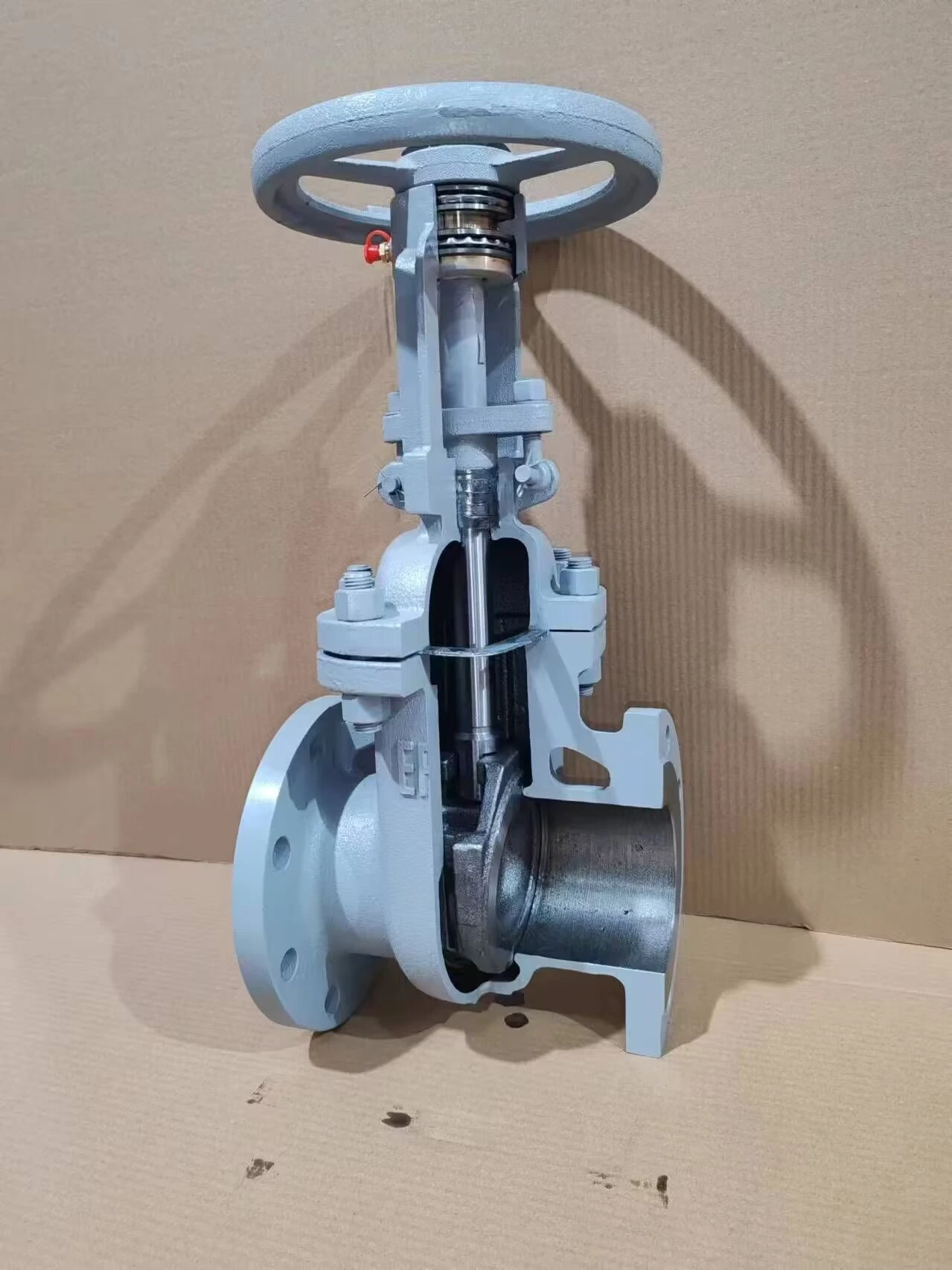
A 3-inch flange is a mechanical component used to connect pipes, valves, pumps, and other equipment in piping systems. Flanges are primarily employed in applications requiring frequent assembly and disassembly for maintenance, inspection, or repair. Within the broader landscape of fluid transfer and process systems, flanges act as crucial interfaces ensuring leak-proof connections capable of withstanding significant pressure and temperature variations. Their importance extends across numerous industries including oil & gas, chemical processing, power generation, water treatment, and HVAC. Core performance characteristics of a 3-inch flange center around its pressure rating, material compatibility with the conveyed fluid, dimensional accuracy to ensure a proper seal, and adherence to relevant industry standards. The selection of the appropriate flange type (weld neck, slip-on, blind, threaded, etc.) is critical to system integrity and operational safety. A fundamental pain point in flange selection is ensuring corrosion resistance tailored to the specific fluid composition and environmental conditions, thereby mitigating the risk of catastrophic failure and costly downtime.
Material Science & Manufacturing
3-inch flanges are commonly manufactured from carbon steel (ASTM A105, SA-516 Grade 70), stainless steel (304/304L, 316/316L), alloy steel (A182 F22, F91), and occasionally ductile iron. Carbon steel offers cost-effectiveness and high tensile strength but is susceptible to corrosion. Stainless steels provide superior corrosion resistance, particularly 316/316L with its molybdenum content, which enhances resistance to chloride pitting. Alloy steels are utilized for high-temperature, high-pressure applications. Material selection hinges on the process fluid's chemical composition, temperature, and pressure.
Manufacturing processes typically involve forging, casting, or plate cutting followed by machining. Forged flanges offer enhanced mechanical properties due to grain flow optimization during the forging process. Casting provides cost advantages for large-diameter flanges and complex geometries. Plate cutting, frequently utilizing CNC machines, is suitable for smaller production runs and custom designs. Key parameter control during manufacturing includes precise machining tolerances for the sealing surface to ensure a leak-proof connection, heat treatment to achieve desired hardness and ductility, and non-destructive testing (NDT) like ultrasonic testing (UT) and radiography (RT) to detect internal flaws. Welding procedures, especially for weld neck flanges, are governed by ASME Section IX, demanding qualified welders and rigorous inspection protocols. Surface finish is also critical; a smooth surface minimizes turbulence and prevents corrosion initiation points. Chemical composition verification is performed through methods such as Positive Material Identification (PMI).
Performance & Engineering
The performance of a 3-inch flange is fundamentally governed by its ability to withstand internal pressure, external loads, and thermal stresses. Force analysis involves calculating hoop stress (generated by internal pressure), longitudinal stress, and bending moments. Flange bolting is critical; bolt size, material, and torque values are determined using calculations based on ASME B16.5. Gasket selection also significantly impacts performance, with materials like non-asbestos fiber, PTFE, and metallic gaskets offering varying degrees of chemical resistance and sealing capability. Environmental resistance considerations include corrosion (uniform, pitting, crevice, galvanic), erosion, and temperature fluctuations.
Compliance requirements dictate adherence to industry standards such as ASME B16.5 (flange dimensions and pressure-temperature ratings), ASME Section VIII Div 1 (pressure vessel design), and API 6A (wellhead and Christmas tree equipment). Finite Element Analysis (FEA) is frequently employed to model flange behavior under various loading conditions, optimizing design parameters and predicting stress concentrations. The design must account for thermal expansion and contraction to prevent bolt loosening or flange distortion. For critical applications, fatigue analysis is performed to assess the flange's longevity under cyclical loading. Proper alignment of connecting pipes is essential to minimize stress on the flange and prevent premature failure.
Technical Specifications
| Parameter | Unit | ASTM A105 Carbon Steel | 304/304L Stainless Steel |
|---|---|---|---|
| Nominal Diameter | inches | 3 | 3 |
| Pressure Rating | psi | Up to 2000 | Up to 1500 |
| Temperature Range | °F | -20 to 650 | -325 to 850 |
| Material | - | Carbon Steel | 304/304L Stainless Steel |
| Tensile Strength | psi | 70,000 | 75,000 |
| Yield Strength | psi | 36,000 | 30,000 |
Failure Mode & Maintenance
Common failure modes for 3-inch flanges include corrosion-induced pitting and cracking, bolt failure due to fatigue or over-torqueing, gasket failure leading to leakage, and flange face damage from improper tightening or misalignment. Fatigue cracking typically initiates at stress concentration points, such as bolt holes or weld toes. Crevice corrosion can occur in stagnant areas between the flange and the mating surface. Degradation of the gasket material can result in loss of sealing effectiveness. Oxidation at high temperatures can lead to material thinning and loss of mechanical properties.
Preventative maintenance involves regular visual inspections for corrosion, cracks, and bolt looseness. Torque verification of bolts using calibrated torque wrenches is crucial. Periodic gasket replacement is recommended based on the process fluid and operating conditions. Non-destructive testing (NDT) such as liquid penetrant testing (PT) and magnetic particle testing (MT) can detect surface cracks. For corroded flanges, abrasive blasting and protective coating application can extend service life. In cases of severe damage, flange replacement is necessary. Proper lubrication of bolts prevents galling and facilitates future disassembly. Maintaining accurate records of maintenance activities and inspection results is essential for proactive failure prevention.
Industry FAQ
Q: What is the primary difference between a weld neck flange and a slip-on flange, and when would each be preferred?
A: A weld neck flange has a neck that is welded to the pipe, providing a stronger, more fatigue-resistant connection, particularly suitable for high-pressure and high-temperature applications. The weld neck reduces stress concentration. A slip-on flange simply slides over the pipe and is then welded in place; it's less expensive and easier to install but offers lower fatigue resistance and is generally used for lower-pressure, less critical applications.
Q: How does the material of a flange impact its resistance to different types of corrosion?
A: Carbon steel is susceptible to uniform corrosion and rust. Stainless steels, particularly 316/316L, offer excellent resistance to pitting, crevice, and general corrosion due to the chromium and molybdenum content. Alloy steels are designed for specific corrosive environments, such as those containing hydrogen sulfide. Proper material selection is paramount based on the process fluid's chemical composition.
Q: What are the key considerations when selecting a gasket for a 3-inch flange?
A: Key considerations include the process fluid’s chemical compatibility, temperature, pressure, and the flange surface finish. Common gasket materials include non-asbestos fiber (for general applications), PTFE (for corrosive fluids), and metallic gaskets (for high-temperature and high-pressure applications). Gasket thickness and bolt load also influence sealing effectiveness.
Q: What is the significance of flange facing (RF, FF, RTF), and how does it affect sealing?
A: Raised Face (RF) is the most common facing, where a raised lip creates a narrow contact area for the gasket. Flat Face (FF) is used with flat-faced mating flanges and provides a wider sealing area. Ring Type Joint (RTF) uses a metal ring gasket seated in a groove. Proper matching of flange facings is crucial for achieving a leak-proof seal.
Q: What NDT methods are commonly used to inspect 3-inch flanges during manufacturing and in-service?
A: Common NDT methods include Visual Testing (VT) for surface defects, Liquid Penetrant Testing (PT) for detecting surface cracks, Magnetic Particle Testing (MT) for detecting surface and near-surface flaws in ferromagnetic materials, Ultrasonic Testing (UT) for detecting internal flaws, and Radiographic Testing (RT) for comprehensive internal inspection.
Conclusion
The 3-inch flange serves as a fundamental component in numerous industrial applications, demanding careful consideration of material selection, manufacturing processes, and performance requirements. Its efficacy hinges on a robust understanding of stress analysis, corrosion mechanisms, and adherence to stringent industry standards. A failure to adequately address these factors can lead to catastrophic consequences, including leaks, system downtime, and potential safety hazards.
Future trends will likely focus on advanced materials, such as duplex stainless steels and nickel alloys, to enhance corrosion resistance and high-temperature performance. The integration of digital technologies, including predictive maintenance algorithms based on sensor data and machine learning, will enable proactive identification of potential failure points. Furthermore, the development of more efficient and reliable gasket materials will continue to improve sealing performance and reduce leakage rates, contributing to enhanced operational efficiency and environmental sustainability.
-
flat face flanges Performance Analysis
-
Flat Faced Flange Performance Analysis
-
3 in flange Performance Analysis
-
2in flange Performance Analysis
-
Flat Faced Flanges Performance Analysis
-
megalug flange Performance and Engineering
-
Plate Flange Performance Analysis
-
Reducing Flange Performance Analysis
-
Sealing Flange Performance Analysis
-
Turbo Flanges Performance Analysis
-
Screwed Flange Performance Analysis
-
Screwed Flanges Performance Analysis
-
Screw Flanges Performance Analysis
-
weld neck flanges Performance Analysis
-
welding neck flange Material Science Manufacturing
 Afrikaans
 Albanian
 Amharic
 Arabic
 Armenian
 Azerbaijani
 Basque
 Belarusian
 Bengali
 Bosnian
 Bulgarian
 Catalan
 Cebuano
 Corsican
 Croatian
 Czech
Czech
 Danish
 Dutch
Dutch
 Esperanto
 Estonian
 Finnish
 French
 Frisian
 Galician
 Georgian
 German
 Greek
Greek
 Gujarati
 Haitian Creole
 Hausa
Hawaiian
Hausa
Hawaiian
 Hebrew
 Hindi
Hindi
 Miao
Miao
 Hungarian
 Icelandic
 Igbo
Igbo
 Indonesian
 Irish
Irish
 Italian
 Japanese
 Javanese
Kannada
Javanese
Kannada
 Kazakh
 Khmer
Khmer
 Rwandese
 Korean
 Kurdish
 Kyrgyz
 Lao
Lao
 Latin
Latin
 Latvian
 Lithuanian
 Luxembourgish
 Macedonian
 Malgashi
 Malay
Malay
 Malayalam
 Maltese
 Maori
Maori
 Marathi
 Mongolian
 Myanmar
 Nepali
 Norwegian
 Norwegian
 Occitan
 Pashto
 Persian
 Polish
 Portuguese
Punjabi
Portuguese
Punjabi
 Romanian
 Russian
 Samoan
 Scottish Gaelic
 Serbian
 Sesotho
 Shona
Shona
 Sindhi
 Sinhala
 Slovak
 Slovenian
 Somali
 Spanish
 Sundanese
 Swahili
 Swedish
Tagalog
Swedish
Tagalog
 Tajik
Tajik
 Tamil
Tamil
 Tatar
Tatar
 Telugu
 Thai
Thai
 Turkish
 Turkmen
 Ukrainian
 Urdu
Urdu
 Uighur
 Uzbek
Uzbek
 Vietnamese
 Welsh
Welsh
 Bantu
Bantu
 Yiddish
 Yoruba
 Zulu
Zulu
 English