




Ball Valve Flange Performance Analysis
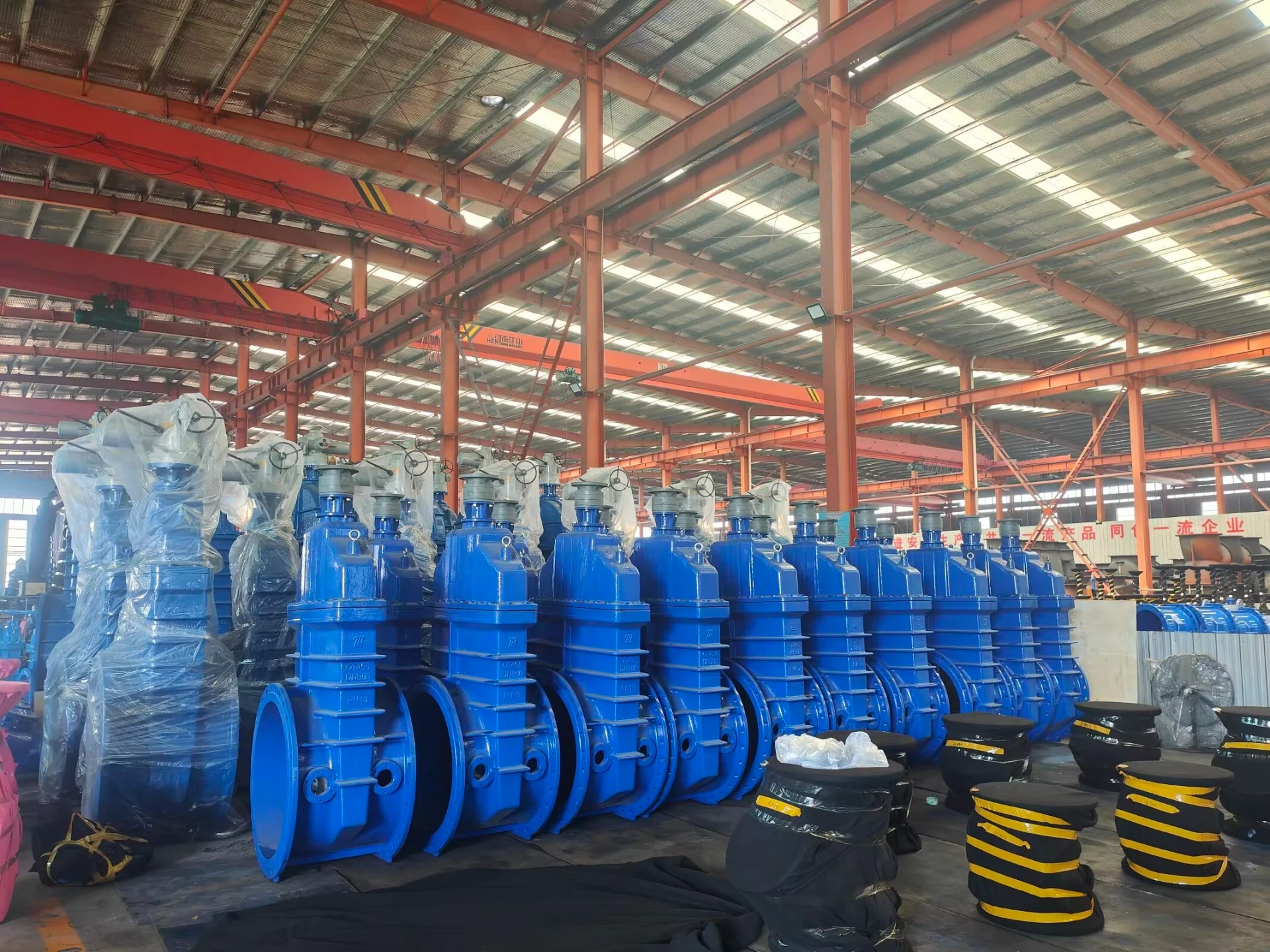
Introduction
Ball valve flanges are critical components in piping systems, providing a robust and reliable connection point for ball valves to pipelines. Functioning as an intermediary between the valve body and the piping infrastructure, they facilitate leak-proof integration crucial for fluid and gas transport across diverse industries, including oil and gas, chemical processing, water treatment, and power generation. Their significance lies in their ability to withstand high pressures and temperatures while ensuring system integrity. The selection of appropriate flange material, pressure rating, and facing type is paramount to ensuring long-term operational performance and safety. A critical pain point in the industry involves ensuring flange compatibility with both the valve and the piping material to avoid galvanic corrosion and premature failure. Understanding the nuances of flange design, material science, and installation procedures is therefore essential for engineers and procurement professionals.
Material Science & Manufacturing
Ball valve flanges are commonly manufactured from carbon steel (ASTM A105), stainless steel (304/316 – ASTM A182 F304/F316), alloy steel (A182 F11), and occasionally ductile iron. Carbon steel offers cost-effectiveness for lower-pressure, non-corrosive applications. Stainless steels provide superior corrosion resistance, vital in chemical and marine environments. Alloy steels are used for high-temperature and high-pressure services, offering enhanced strength and creep resistance. Ductile iron is employed in water and wastewater systems due to its good corrosion resistance and tensile strength. Manufacturing processes primarily involve forging or casting. Forging yields higher strength and grain structure homogeneity, particularly beneficial for high-pressure applications. Casting is more economical for large-diameter flanges. Following forging or casting, flanges undergo machining to precise dimensional tolerances. Critical parameters during machining include surface finish, flatness, and perpendicularity. Welding procedures, if applicable (e.g., for weld-neck flanges), must adhere to stringent quality control standards like ASME Section IX to ensure weld integrity and prevent defects such as porosity, slag inclusions, and undercut. Post-machining, flanges receive surface treatments like painting, galvanizing, or passivation to enhance corrosion protection and aesthetic appeal. The material's microstructure is heavily influenced by the cooling rate during solidification, directly impacting its mechanical properties and susceptibility to corrosion.
Performance & Engineering
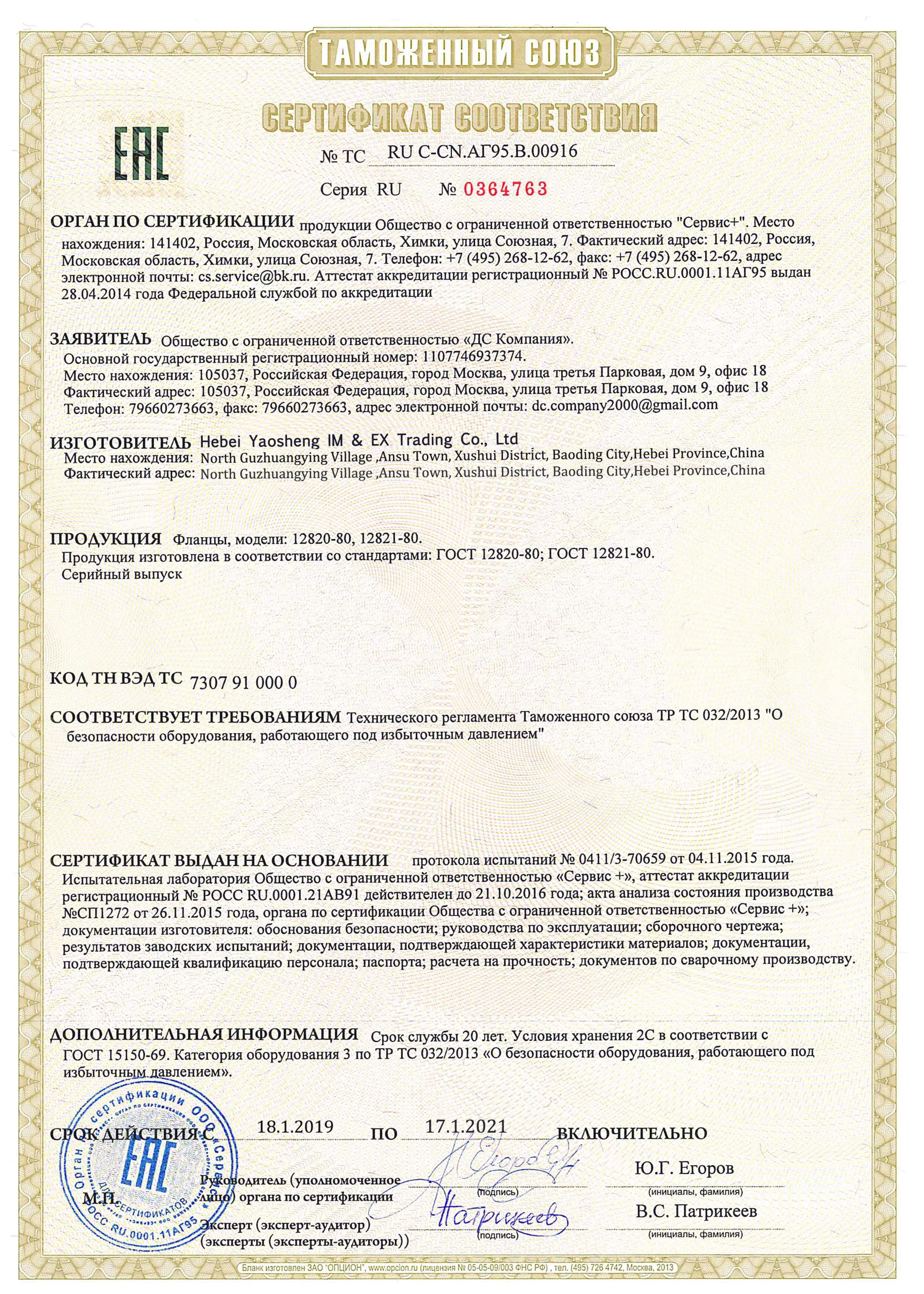
The performance of ball valve flanges is fundamentally governed by their ability to maintain a pressure-tight seal under varying operating conditions. Force analysis focuses on bolt loads, gasket stress, and flange deformation under internal pressure. Bolt tightening torque is critical; insufficient torque leads to leakage, while excessive torque can cause bolt yielding or flange distortion. Gasket selection is equally important. Common gasket materials include non-asbestos fiber, PTFE, and metallic gaskets, each suited for specific temperature, pressure, and fluid compatibility requirements. Environmental resistance is paramount, particularly in harsh environments. Factors like temperature cycling, exposure to corrosive media, and UV radiation can degrade flange materials and gasket integrity. Compliance with industry standards, such as ASME B16.5 (for flange dimensions and ratings) and API 605 (for large diameter flanges), is essential. Finite element analysis (FEA) is frequently employed in the design phase to optimize flange geometry and material selection, minimizing stress concentrations and maximizing load-bearing capacity. Proper flange alignment during installation is crucial to prevent uneven stress distribution and potential leakage. Hydrostatic testing is standard practice to verify the integrity of the flanged joint before commissioning.
Technical Specifications
| Parameter | Carbon Steel (A105) | Stainless Steel (316) | Alloy Steel (A182 F11) | Ductile Iron (ASTM A536 65-45-12) |
|---|---|---|---|---|
| Pressure Rating (PSI) | Up to 2500 | Up to 3600 | Up to 2500 | Up to 300 |
| Temperature Range (°F) | -20 to 450 | -325 to 650 | -50 to 800 | -20 to 300 |
| Tensile Strength (PSI) | 74,000 | 75,000 | 85,000 | 60,000 |
| Yield Strength (PSI) | 36,000 | 30,000 | 35,000 | 30,000 |
| Corrosion Resistance | Low | Excellent | Good | Good |
| Typical Applications | Water, Oil | Chemical Processing, Marine | High-Temperature Services | Water & Wastewater |
Failure Mode & Maintenance
Common failure modes for ball valve flanges include bolt failure (due to loosening, corrosion, or overloading), gasket failure (resulting from thermal cycling, chemical attack, or improper compression), flange cracking (caused by fatigue, stress corrosion cracking, or material defects), and corrosion (leading to material loss and leakage). Fatigue cracking is particularly prevalent in cyclic service applications. Stress corrosion cracking (SCC) can occur in stainless steels exposed to chloride-containing environments. Proper maintenance is crucial to mitigate these failures. This includes regular bolt tightening torque checks, gasket inspection and replacement, visual inspection for corrosion or cracks, and non-destructive testing (NDT) methods like ultrasonic testing or radiography for critical applications. Preventative maintenance programs should incorporate lubricant application to bolt threads to prevent galling and facilitate future disassembly. In the event of a leak, immediate shutdown and inspection are necessary to identify the root cause and implement corrective actions. Replacing corroded or damaged flanges is essential to maintain system integrity. Proper storage of flanges is also critical to prevent surface corrosion and maintain material properties.
Industry FAQ
Q: What is the significance of flange facing types (e.g., Raised Face, Flat Face, Ring Type Joint)?
A: Flange facing types determine the sealing mechanism and compatibility with different gasket materials. Raised Face (RF) is the most common, creating a narrow sealing surface. Flat Face (FF) is used for lower-pressure applications and cast iron flanges. Ring Type Joint (RTJ) utilizes a metallic ring compressed between flange faces for high-pressure, high-temperature service. Incorrect facing selection can lead to leakage or gasket failure.
Q: How does galvanic corrosion impact flanged joints, and what mitigation strategies are recommended?
A: Galvanic corrosion occurs when dissimilar metals are in contact in the presence of an electrolyte. Using dissimilar flange and bolt materials (e.g., carbon steel flange with stainless steel bolts) can create a galvanic cell, accelerating corrosion of the less noble metal. Mitigation strategies include using compatible materials, applying coatings, using insulating gaskets, or employing sacrificial anodes.
Q: What are the key considerations when selecting a gasket material for a specific application?
A: Key considerations include fluid compatibility, temperature, pressure, and the flange facing type. PTFE is versatile but has limited pressure capacity. Non-asbestos fiber is economical for general applications. Metallic gaskets are suitable for high-temperature, high-pressure service. Gasket thickness and hardness also influence performance.
Q: What are the limitations of using standard flanges for cryogenic applications?
A: Standard carbon steel flanges become brittle at cryogenic temperatures, increasing the risk of fracture. Special low-temperature carbon steel or stainless steel flanges designed for cryogenic service are required. Gasket selection is also critical, as many materials lose their flexibility at low temperatures.
Q: What is the role of flange bolt preload in ensuring a leak-tight seal?
A: Flange bolt preload is the initial tension applied to the bolts during assembly. Proper preload creates sufficient compression on the gasket, ensuring a tight seal. Insufficient preload can lead to leakage, while excessive preload can damage the flange or gasket. Torque wrenches or ultrasonic bolt tensioners are used to achieve accurate preload.
Conclusion
Ball valve flanges represent a fundamental connection element in piping systems, demanding careful consideration of material selection, manufacturing quality, and installation practices. Their performance directly impacts system reliability and safety. Understanding the interplay between material properties, stress analysis, and environmental factors is crucial for preventing premature failure and ensuring long-term operational integrity.
Future trends in ball valve flange technology focus on advanced materials (e.g., duplex stainless steels, superalloys) for enhanced corrosion resistance and high-temperature capabilities, as well as the development of innovative gasket designs for improved sealing performance. Continued adherence to industry standards and best practices in maintenance will remain paramount for maximizing the lifespan and reliability of these critical components.
-
Rubber Flanges Performance Analysis
-
Square Flanges Material Science Manufacturing
-
Hubbed Flange Performance Analysis
-
Flat Face Flange Performance Analysis
-
Ball Valve Flange Performance Analysis
-
flat face flanges Performance Analysis
-
Flat Faced Flange Performance Analysis
-
3 in flange Performance Analysis
-
2in flange Performance Analysis
-
Flat Faced Flanges Performance Analysis
-
megalug flange Performance and Engineering
-
Plate Flange Performance Analysis
-
Reducing Flange Performance Analysis
-
Sealing Flange Performance Analysis
-
Turbo Flanges Performance Analysis
 Afrikaans
 Albanian
 Amharic
 Arabic
 Armenian
 Azerbaijani
 Basque
 Belarusian
 Bengali
 Bosnian
 Bulgarian
 Catalan
 Cebuano
 Corsican
 Croatian
 Czech
Czech
 Danish
 Dutch
Dutch
 Esperanto
 Estonian
 Finnish
 French
 Frisian
 Galician
 Georgian
 German
 Greek
Greek
 Gujarati
 Haitian Creole
 Hausa
Hawaiian
Hausa
Hawaiian
 Hebrew
 Hindi
Hindi
 Miao
Miao
 Hungarian
 Icelandic
 Igbo
Igbo
 Indonesian
 Irish
Irish
 Italian
 Japanese
 Javanese
Kannada
Javanese
Kannada
 Kazakh
 Khmer
Khmer
 Rwandese
 Korean
 Kurdish
 Kyrgyz
 Lao
Lao
 Latin
Latin
 Latvian
 Lithuanian
 Luxembourgish
 Macedonian
 Malgashi
 Malay
Malay
 Malayalam
 Maltese
 Maori
Maori
 Marathi
 Mongolian
 Myanmar
 Nepali
 Norwegian
 Norwegian
 Occitan
 Pashto
 Persian
 Polish
 Portuguese
Punjabi
Portuguese
Punjabi
 Romanian
 Russian
 Samoan
 Scottish Gaelic
 Serbian
 Sesotho
 Shona
Shona
 Sindhi
 Sinhala
 Slovak
 Slovenian
 Somali
 Spanish
 Sundanese
 Swahili
 Swedish
Tagalog
Swedish
Tagalog
 Tajik
Tajik
 Tamil
Tamil
 Tatar
Tatar
 Telugu
 Thai
Thai
 Turkish
 Turkmen
 Ukrainian
 Urdu
Urdu
 Uighur
 Uzbek
Uzbek
 Vietnamese
 Welsh
Welsh
 Bantu
Bantu
 Yiddish
 Yoruba
 Zulu
Zulu
 English