




gate valve flange Performance Analysis

Introduction
Gate valve flanges are critical components in piping systems, serving as the interface between the gate valve and the connecting pipeline. They facilitate the secure mounting and sealing of gate valves, ensuring the integrity of fluid or gas transport across diverse industrial applications. Functionally, a gate valve flange is a disc-shaped component with bolt holes arranged around its perimeter, allowing for a robust mechanical connection. Their primary role is to distribute the clamping force evenly, preventing leaks and maintaining system pressure. The selection of appropriate flange materials and dimensions is paramount, dictated by process fluid characteristics (corrosivity, temperature, pressure), and adhering to relevant industry standards. The industry faces consistent challenges regarding flange gasket selection for varying service conditions, bolting torque specification to prevent gasket failure or flange damage, and ensuring dimensional accuracy to maintain a leak-tight seal. Performance is judged by pressure containment capability, resistance to corrosion, and long-term reliability, impacting overall plant safety and operational efficiency.
Material Science & Manufacturing
Gate valve flanges are manufactured from a range of materials, the choice dictated by the service environment. Carbon steel (ASTM A105) is common for non-corrosive applications, offering high strength and cost-effectiveness. Stainless steel (304/316 – ASTM A182) provides superior corrosion resistance, vital in chemical processing and marine environments. Alloy steels (e.g., A182 F22) are used for high-temperature, high-pressure applications. Ductile iron (ASTM A536) offers good strength and ductility. Material properties impacting performance include tensile strength, yield strength, elongation, hardness, and corrosion resistance (measured by pitting resistance equivalent number - PREN for stainless steels).
The manufacturing process typically begins with material sourcing and cutting to rough dimensions. For steel flanges, forging is common, providing enhanced grain structure and strength compared to casting. The forging process involves heating the material and shaping it under pressure. Following forging, flanges undergo machining, including facing, drilling bolt holes, and achieving precise dimensional tolerances. Critical parameters controlled during machining include hole diameter, flange face flatness, and concentricity. Welding may be employed for fabricating larger or more complex flange designs, requiring qualified welding procedures and non-destructive testing (NDT) like radiographic testing (RT) or ultrasonic testing (UT) to ensure weld integrity. Surface treatments, such as galvanizing or painting, are applied to enhance corrosion resistance and aesthetic appearance. Heat treatment processes, like annealing or normalizing, are used to relieve internal stresses and improve material properties.
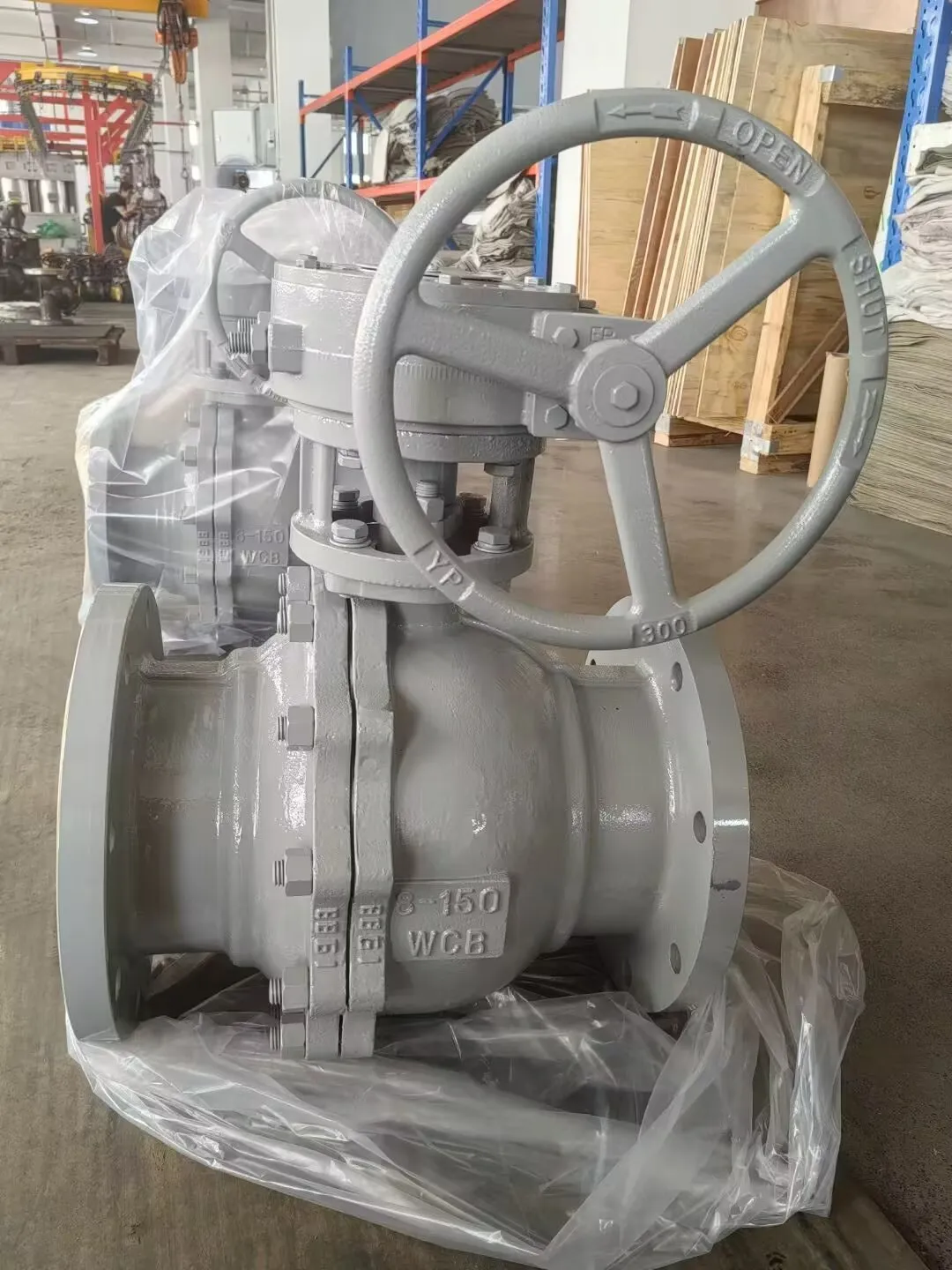
Performance & Engineering
The performance of gate valve flanges is critically linked to their ability to withstand internal pressure and external loads. Force analysis considers hoop stress (resulting from internal pressure) and bending stress (from external loads like pipe weight). Flange design calculations adhere to standards like ASME B16.5, determining the minimum required flange thickness and bolt circle diameter. Gasket selection is vital; materials like compressed non-asbestos fiber (CNAF), PTFE, and metallic gaskets are chosen based on fluid compatibility, temperature range, and pressure rating. Proper bolt preload is essential to achieve gasket sealing and prevent flange separation.
Environmental resistance is a significant consideration. Corrosion can occur due to exposure to corrosive fluids, atmospheric conditions, or electrochemical effects. Material selection, protective coatings, and cathodic protection (in marine environments) mitigate corrosion. Temperature fluctuations induce thermal stress, which must be accounted for in the design. Cyclic loading (pressure variations) can lead to fatigue failure, requiring careful material selection and stress analysis. Compliance requirements include adherence to pressure vessel codes (ASME Section VIII, Div. 1), safety standards (OSHA), and environmental regulations regarding fugitive emissions. Finite element analysis (FEA) is often employed to simulate stress distribution and optimize flange designs for specific applications.
Technical Specifications
| Parameter | Unit | ASTM A105 Carbon Steel | ASTM A182 F316 Stainless Steel |
|---|---|---|---|
| Pressure Rating | PSI | Up to 2000 | Up to 5000 |
| Temperature Range | °F | -20 to 800 | -325 to 850 |
| Material | - | Carbon Steel | 316 Stainless Steel |
| Tensile Strength | MPa | 585 - 758 | 517 - 724 |
| Yield Strength | MPa | 310 - 483 | 276 - 552 |
| Corrosion Resistance | - | Limited | Excellent |
Failure Mode & Maintenance
Common failure modes of gate valve flanges include gasket failure (leading to leaks), bolt failure (due to over-torqueing or corrosion), flange cracking (resulting from fatigue or stress corrosion cracking), and flange face distortion (compromising sealing). Gasket failure can be attributed to improper gasket selection, insufficient bolt preload, or thermal cycling. Bolt failure typically arises from exceeding the bolt’s tensile strength or experiencing corrosion in the bolt holes. Flange cracking is often initiated at stress concentrators, such as bolt holes or weld defects. Corrosion can lead to pitting and crevice corrosion, weakening the flange material.
Preventive maintenance is crucial. Regular bolt tightening (using calibrated torque wrenches) is essential to maintain gasket compression. Visual inspections should be conducted to detect signs of corrosion, cracks, or distortion. Gaskets should be replaced periodically, based on service conditions and manufacturer recommendations. Non-destructive testing (NDT) methods like dye penetrant testing (DPT) or magnetic particle testing (MPT) can identify surface cracks. Lubrication of bolt threads prevents galling and facilitates tightening/loosening. When replacing flanges, ensure proper alignment with the piping system to avoid inducing stress. Consider using anti-seize compounds on bolt threads to prevent corrosion.
Industry FAQ
Q: What is the optimal bolt tightening procedure for a 150# gate valve flange in a high-vibration environment?
A: For high-vibration environments, a staged bolt tightening procedure is recommended. Initially, all bolts should be snugged down hand-tight. Then, a star pattern tightening sequence should be followed, increasing the torque in small increments (e.g., 25% of final torque) until reaching the specified torque value. Using a calibrated torque wrench is essential. Consider using lock washers or thread-locking compounds to prevent bolt loosening due to vibration. Regular bolt checks (monthly) are also advisable.
Q: How do I select the correct gasket material for a gate valve flange exposed to concentrated sulfuric acid?
A: Concentrated sulfuric acid is highly corrosive. PTFE (Teflon) gaskets are generally recommended due to their excellent chemical resistance to sulfuric acid. However, ensure the PTFE is reinforced with glass fiber or other materials to enhance its mechanical strength. Avoid using gaskets containing elastomers or metallic components that can be readily attacked by sulfuric acid.
Q: What are the common causes of flange face leakage, even after proper bolt tightening?
A: Several factors can cause flange face leakage. These include: a damaged flange face (scratches, pitting, or distortion), improper gasket seating (due to debris or uneven flange surfaces), incorrect gasket selection (incompatible with the process fluid or temperature), and insufficient bolt preload. Conduct a thorough visual inspection of the flange faces and gasket before re-tightening.
Q: What is the significance of flange facing types (e.g., Raised Face, Flat Face)?
A: Flange facing types dictate the surface finish and contact area between the flanges. Raised Face (RF) provides a narrow, raised sealing surface, suitable for higher pressures. Flat Face (FF) offers a wider sealing surface, often used with flat-faced valves or for lower-pressure applications. The facing types must be compatible between mating flanges to ensure a proper seal.
Q: How does temperature cycling affect gate valve flange performance and longevity?
A: Temperature cycling induces thermal stress in flanges due to differential expansion and contraction. Repeated cycles can lead to fatigue cracking, gasket creep, and bolt loosening. Material selection plays a crucial role; materials with low coefficients of thermal expansion are preferred. Proper gasket selection (considering temperature range and thermal stability) and regular bolt checks are essential to mitigate the effects of temperature cycling.
Conclusion
Gate valve flanges are indispensable components in maintaining the integrity and safety of fluid transfer systems. Their proper selection, installation, and maintenance are paramount for preventing leaks, ensuring operational reliability, and minimizing downtime. Understanding the interplay between material science, manufacturing processes, performance characteristics, and potential failure modes is essential for engineers and procurement professionals.
Future advancements in flange technology will likely focus on the development of improved gasket materials with enhanced chemical resistance and sealing capabilities, the implementation of advanced NDT techniques for early detection of defects, and the adoption of predictive maintenance strategies based on sensor data and machine learning algorithms. Prioritizing these areas will contribute to a more robust and sustainable industrial infrastructure.
-
flanged butterfly valves Performance Analysis
-
flanged gate valves Performance Analysis
-
Flanges for butterfly valves Material Analysis
-
gate valve flange Performance Analysis
-
2 inch flange Performance Analysis
-
3 inch flange Performance Analysis
-
Aluminum Flange Material Performance
-
Ring Joint Flange Performance Analysis
-
Square Flange Performance Analysis
-
Ring Joint Flanges Performance Analysis
-
Rubber Flanges Performance Analysis
-
Square Flanges Material Science Manufacturing
-
Hubbed Flange Performance Analysis
-
Flat Face Flange Performance Analysis
-
Ball Valve Flange Performance Analysis
 Afrikaans
 Albanian
 Amharic
 Arabic
 Armenian
 Azerbaijani
 Basque
 Belarusian
 Bengali
 Bosnian
 Bulgarian
 Catalan
 Cebuano
 Corsican
 Croatian
 Czech
Czech
 Danish
 Dutch
Dutch
 Esperanto
 Estonian
 Finnish
 French
 Frisian
 Galician
 Georgian
 German
 Greek
Greek
 Gujarati
 Haitian Creole
 Hausa
Hawaiian
Hausa
Hawaiian
 Hebrew
 Hindi
Hindi
 Miao
Miao
 Hungarian
 Icelandic
 Igbo
Igbo
 Indonesian
 Irish
Irish
 Italian
 Japanese
 Javanese
Kannada
Javanese
Kannada
 Kazakh
 Khmer
Khmer
 Rwandese
 Korean
 Kurdish
 Kyrgyz
 Lao
Lao
 Latin
Latin
 Latvian
 Lithuanian
 Luxembourgish
 Macedonian
 Malgashi
 Malay
Malay
 Malayalam
 Maltese
 Maori
Maori
 Marathi
 Mongolian
 Myanmar
 Nepali
 Norwegian
 Norwegian
 Occitan
 Pashto
 Persian
 Polish
 Portuguese
Punjabi
Portuguese
Punjabi
 Romanian
 Russian
 Samoan
 Scottish Gaelic
 Serbian
 Sesotho
 Shona
Shona
 Sindhi
 Sinhala
 Slovak
 Slovenian
 Somali
 Spanish
 Sundanese
 Swahili
 Swedish
Tagalog
Swedish
Tagalog
 Tajik
Tajik
 Tamil
Tamil
 Tatar
Tatar
 Telugu
 Thai
Thai
 Turkish
 Turkmen
 Ukrainian
 Urdu
Urdu
 Uighur
 Uzbek
Uzbek
 Vietnamese
 Welsh
Welsh
 Bantu
Bantu
 Yiddish
 Yoruba
 Zulu
Zulu
 English