




Ring Joint Flanges Performance Analysis

Introduction
Ring Joint Flanges (RJFs) are critical components in piping systems designed for high-pressure and high-temperature applications, predominantly within the oil & gas, petrochemical, and power generation industries. Unlike conventional flange designs relying on bolt-hole gaskets, RJFs utilize a metallic ring gasket seated within a machined groove on the flange face. This design provides a superior sealing capability, especially crucial in environments where leakage is unacceptable due to safety, environmental regulations, or economic considerations. The technical positioning of RJFs resides between standard weld-neck or slip-on flanges and more specialized, expensive connections like integral flanges. Their core performance characteristics – pressure containment, thermal cycling resistance, and minimized leakage – position them as a reliable and cost-effective solution for demanding service conditions. A significant pain point addressed by RJFs is the mitigation of flange movement and gasket creep under fluctuating pressures and temperatures, which are common occurrences in process industries.
Material Science & Manufacturing
RJFs are typically manufactured from carbon steel (ASTM A105, A36), alloy steel (ASTM A182 F22, F91), stainless steel (ASTM A182 F304, F316), and occasionally duplex stainless steels (ASTM A928). The selection of material is dictated by the operating temperature, pressure, and the corrosivity of the conveyed fluid. The ring gaskets themselves are commonly made from soft iron, low carbon steel, or stainless steel, with variations including oval and octagonal cross-sections dependent on pressure class. Manufacturing involves several key processes. Flange blanks are initially forged or cast. Critical machining operations include the facing of the flange to create the ring groove, ensuring dimensional accuracy and surface finish to prevent gasket damage. Groove dimensions (R, b, h) are strictly controlled according to API 6AF or ASME B16.20 standards. Welding processes, if employed for overlay cladding or fabrication of larger flanges, must adhere to ASME Section IX, ensuring complete penetration and absence of defects. Heat treatment is applied to relieve stress and achieve the required mechanical properties. Parameter control during machining is paramount, specifically maintaining concentricity between the bore and the ring groove, and controlling the groove angle to ensure proper gasket seating. Chemical compatibility between the flange material, gasket material, and the process fluid is essential to prevent galvanic corrosion or stress corrosion cracking.
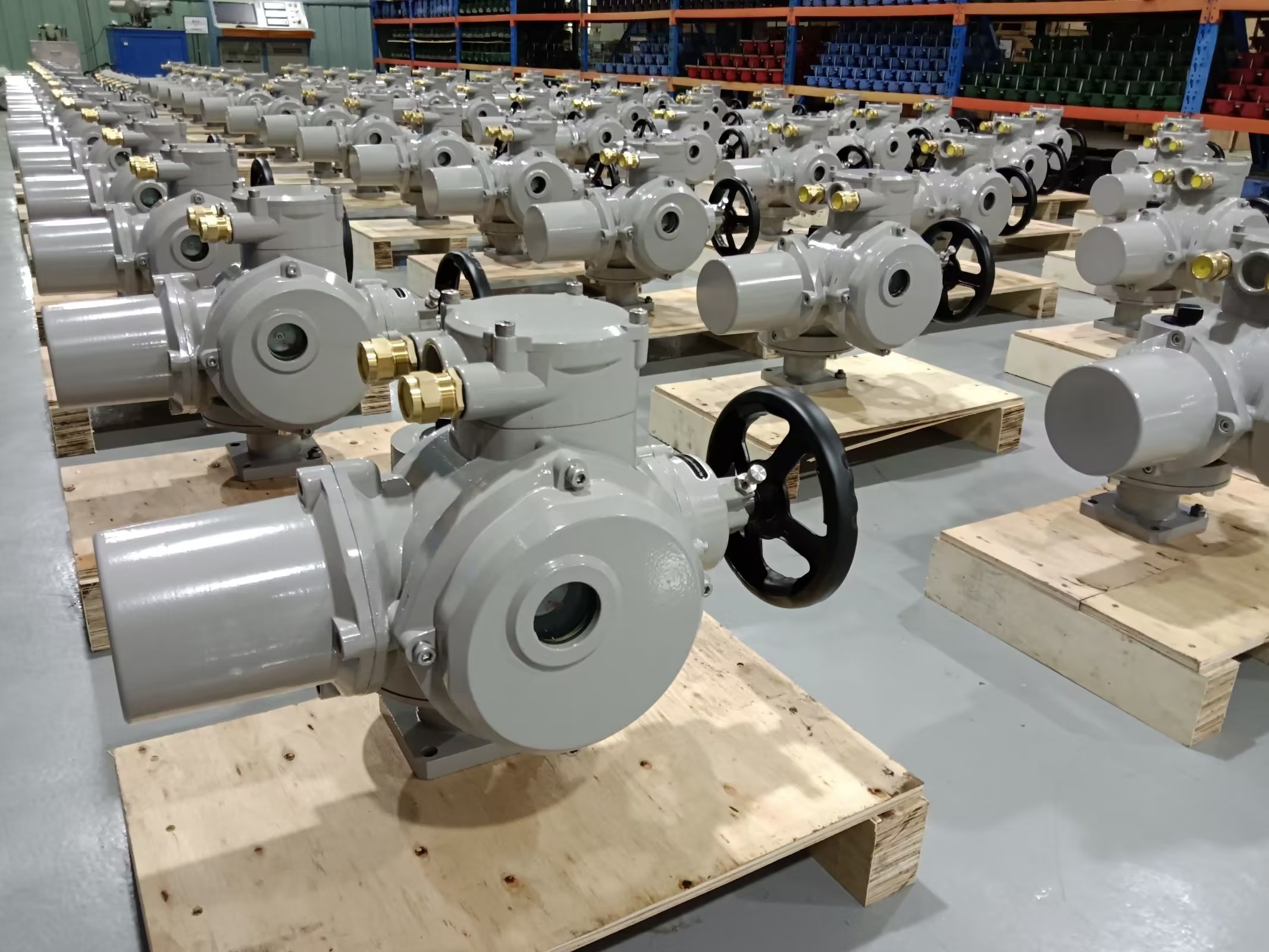
Performance & Engineering
The performance of RJFs is heavily reliant on accurate stress analysis and proper gasket selection. Bolt load distribution across the flange face is crucial to maintaining gasket compression and preventing leakage. Finite element analysis (FEA) is frequently employed to model the stress distribution under various loading conditions, including internal pressure, external loads, and thermal expansion. Environmental resistance is another key consideration. Elevated temperatures can lead to creep deformation of the flange and gasket, potentially compromising the seal. Low temperatures can cause embrittlement of the materials. Corrosion resistance is addressed through material selection and potentially the application of protective coatings. Compliance requirements are dictated by industry-specific standards such as API 6A for wellhead and Christmas tree applications, ASME B31.3 for process piping, and various national and international pressure vessel codes. Functional implementation requires careful attention to flange facing parallelism and groove cleanliness. Proper bolt tightening procedures, using calibrated torque wrenches, are essential to achieve the design gasket load. Flange deflection during installation and operation must be minimized to prevent distortion of the sealing surface and subsequent leakage.
Technical Specifications
| Pressure Class (PSI) | Material Specification | Groove Type | Bolt Circle Diameter (Inches) |
|---|---|---|---|
| Up to 5000 | ASTM A105 Carbon Steel | R-Type (Oval/Octagonal) | 12.00 |
| Up to 10,000 | ASTM A182 F304 Stainless Steel | RX-Type (Modified Oval) | 18.00 |
| Up to 15,000 | ASTM A182 F22 Alloy Steel | BX-Type (Octagonal) | 24.00 |
| Up to 20,000 | ASTM A928 Duplex Stainless Steel | BX-Type (Octagonal) | 30.00 |
| Up to 30,000 | ASTM A182 F91 Alloy Steel | RX-Type (Modified Oval) | 36.00 |
| Up to 50,000 | ASTM A182 F91 Alloy Steel | BX-Type (Octagonal) | 48.00 |
Failure Mode & Maintenance
Common failure modes for RJFs include gasket failure (extrusion, blow-out, or creep relaxation), flange face damage (pitting, erosion, or distortion), and bolt failure (fatigue cracking or thread stripping). Gasket extrusion occurs when the gasket material is forced into the clearance between the flange and the bolt circle, leading to leakage. Flange face damage can be caused by erosion from high-velocity fluids, corrosion from aggressive chemicals, or mechanical damage during handling. Bolt failure is typically a result of cyclic loading or improper tightening. Fatigue cracking initiates at stress concentration points, such as thread roots. Maintenance includes regular visual inspection for signs of leakage, corrosion, or damage. Bolt tightening should be verified periodically using a calibrated torque wrench. Gasket replacement is necessary when leakage is detected or during scheduled maintenance shutdowns. Flange faces should be inspected for damage and re-machined if necessary. Preventative maintenance programs should include proper lubrication of bolts to prevent galling and corrosion, and implementation of a bolt tightening procedure that ensures consistent and accurate gasket loading. In instances of severe corrosion, consider upgrading to a more corrosion-resistant alloy or applying a protective coating.
Industry FAQ
Q: What is the primary advantage of a Ring Joint Flange over a standard flanged connection with a conventional gasket?
A: The primary advantage lies in its superior sealing capability at high pressures and temperatures. The metallic ring gasket, compressed within a machined groove, provides a more reliable and leak-tight seal compared to conventional gaskets, which are prone to creep relaxation and blowout under severe conditions. RJFs also exhibit better resistance to thermal cycling.
Q: How does groove type (R, RX, BX) affect the pressure rating of a Ring Joint Flange?
A: Groove type dictates the gasket seating stress and the flange’s ability to contain internal pressure. R-type grooves are suitable for lower pressure applications, while RX-type grooves offer improved performance at intermediate pressures. BX-type grooves are designed for the highest pressure ratings, providing a more secure gasket seat and resisting extrusion.
Q: What are the critical considerations when selecting a gasket material for a Ring Joint Flange?
A: Gasket material selection depends on the process fluid's corrosivity, temperature, and pressure. Soft iron is commonly used for general applications, while stainless steel is preferred for corrosive environments. The gasket material must be softer than the flange material to ensure proper seating and sealing. Compatibility with the process fluid is paramount to prevent corrosion or degradation.
Q: What are the consequences of improper bolt tightening on a Ring Joint Flange?
A: Improper bolt tightening can lead to insufficient gasket compression, resulting in leakage. Over-tightening can distort the flange face and damage the gasket. Under-tightening can allow the gasket to move and extrude. Following a prescribed bolt tightening sequence and using calibrated torque wrenches is crucial for achieving the correct gasket load.
Q: What inspection procedures are recommended for Ring Joint Flanges during a plant turnaround?
A: Inspection procedures should include visual inspection for corrosion, damage, and distortion of the flange face and groove. Bolts should be inspected for thread damage and proper torque. Gaskets should be inspected for signs of degradation or extrusion. Non-destructive testing methods, such as dye penetrant inspection, can be used to detect surface cracks.
Conclusion
Ring Joint Flanges represent a robust and reliable connection solution for critical, high-pressure, and high-temperature applications. Their design, predicated on metallic sealing within a precisely machined groove, provides superior performance compared to conventional flanged joints, particularly in demanding process environments. The material selection, manufacturing precision, and adherence to established industry standards are all critical factors influencing their long-term integrity and operational safety.
Looking forward, advancements in materials science, particularly the development of new alloys with enhanced corrosion resistance and creep strength, will continue to improve the performance and lifespan of RJFs. Furthermore, the integration of digital technologies, such as predictive maintenance algorithms based on sensor data, will enable proactive identification of potential failure modes, minimizing downtime and maximizing operational efficiency. Continued focus on precise manufacturing techniques and stringent quality control procedures remains essential for ensuring the reliable performance of these critical components.
-
3 inch flange Performance Analysis
-
Aluminum Flange Material Performance
-
Ring Joint Flange Performance Analysis
-
Square Flange Performance Analysis
-
Ring Joint Flanges Performance Analysis
-
Rubber Flanges Performance Analysis
-
Square Flanges Material Science Manufacturing
-
Hubbed Flange Performance Analysis
-
Flat Face Flange Performance Analysis
-
Ball Valve Flange Performance Analysis
-
flat face flanges Performance Analysis
-
Flat Faced Flange Performance Analysis
-
3 in flange Performance Analysis
-
2in flange Performance Analysis
-
Flat Faced Flanges Performance Analysis
 Afrikaans
 Albanian
 Amharic
 Arabic
 Armenian
 Azerbaijani
 Basque
 Belarusian
 Bengali
 Bosnian
 Bulgarian
 Catalan
 Cebuano
 Corsican
 Croatian
 Czech
Czech
 Danish
 Dutch
Dutch
 Esperanto
 Estonian
 Finnish
 French
 Frisian
 Galician
 Georgian
 German
 Greek
Greek
 Gujarati
 Haitian Creole
 Hausa
Hawaiian
Hausa
Hawaiian
 Hebrew
 Hindi
Hindi
 Miao
Miao
 Hungarian
 Icelandic
 Igbo
Igbo
 Indonesian
 Irish
Irish
 Italian
 Japanese
 Javanese
Kannada
Javanese
Kannada
 Kazakh
 Khmer
Khmer
 Rwandese
 Korean
 Kurdish
 Kyrgyz
 Lao
Lao
 Latin
Latin
 Latvian
 Lithuanian
 Luxembourgish
 Macedonian
 Malgashi
 Malay
Malay
 Malayalam
 Maltese
 Maori
Maori
 Marathi
 Mongolian
 Myanmar
 Nepali
 Norwegian
 Norwegian
 Occitan
 Pashto
 Persian
 Polish
 Portuguese
Punjabi
Portuguese
Punjabi
 Romanian
 Russian
 Samoan
 Scottish Gaelic
 Serbian
 Sesotho
 Shona
Shona
 Sindhi
 Sinhala
 Slovak
 Slovenian
 Somali
 Spanish
 Sundanese
 Swahili
 Swedish
Tagalog
Swedish
Tagalog
 Tajik
Tajik
 Tamil
Tamil
 Tatar
Tatar
 Telugu
 Thai
Thai
 Turkish
 Turkmen
 Ukrainian
 Urdu
Urdu
 Uighur
 Uzbek
Uzbek
 Vietnamese
 Welsh
Welsh
 Bantu
Bantu
 Yiddish
 Yoruba
 Zulu
Zulu
 English