




china 3000 psi ball valve Performance Analysis
Introduction
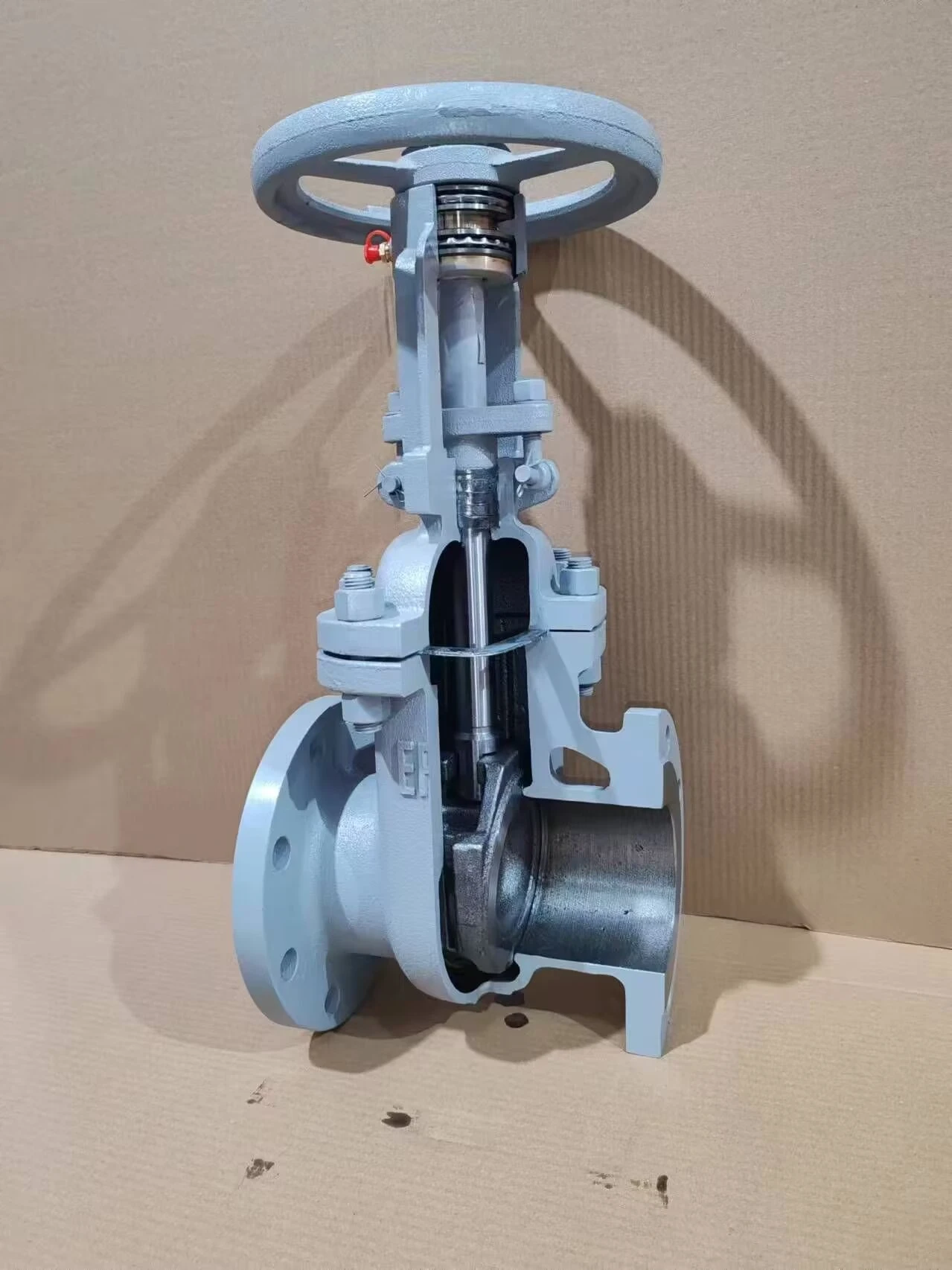
A 3000 psi ball valve is a quarter-turn valve used to isolate or control flow in high-pressure piping systems. Manufactured extensively in China, these valves are critical components in industries including oil and gas, chemical processing, power generation, and water treatment. They function by utilizing a spherical closure mechanism (the 'ball') with a bore through it. Rotating the ball 90 degrees aligns the bore with the flow path, permitting fluid passage. The 3000 psi pressure rating indicates the maximum pressure the valve can withstand safely. These valves are favored for their quick operation, reliable sealing, and relatively low pressure drop compared to other valve types. This guide provides an in-depth analysis of the material science, manufacturing processes, performance characteristics, potential failure modes, and relevant industry standards pertaining to China-manufactured 3000 psi ball valves.
Material Science & Manufacturing
The core components of a 3000 psi ball valve dictate its performance and longevity. The ball itself is commonly constructed from stainless steel alloys such as 316, F304, or 17-4 PH, selected for their corrosion resistance and high strength. The valve body is typically forged from carbon steel (A105), alloy steel, or stainless steel, chosen based on the fluid being controlled and the operating environment. Seals are crucial; materials like PTFE (Teflon), RPTFE, PEEK, or reinforced elastomers are used for their chemical inertness and sealing capabilities. The valve seat, crucial for leak-tight closure, can be made of the same material as the ball or a compatible, harder alloy.
Manufacturing involves several key steps. Forging is used to create the valve body, providing superior grain structure and strength compared to casting. Precision machining is then employed to create the valve bore, ball housing, and end connections. The ball itself is manufactured through a cold forming or machining process, followed by heat treatment to achieve the required hardness. Critical parameters during manufacturing include surface finish of the ball and seat – a rough surface can lead to premature wear and leakage. Welding, if used for end connections, requires strict adherence to ASME Section IX standards to ensure weld integrity and prevent cracking. Hydrostatic testing, conducted at pressures exceeding the rated 3000 psi, is mandatory to verify the valve's structural integrity and leak tightness before shipment. Quality control checks throughout the process, including non-destructive testing (NDT) methods like liquid penetrant inspection and ultrasonic testing, are essential.
Performance & Engineering
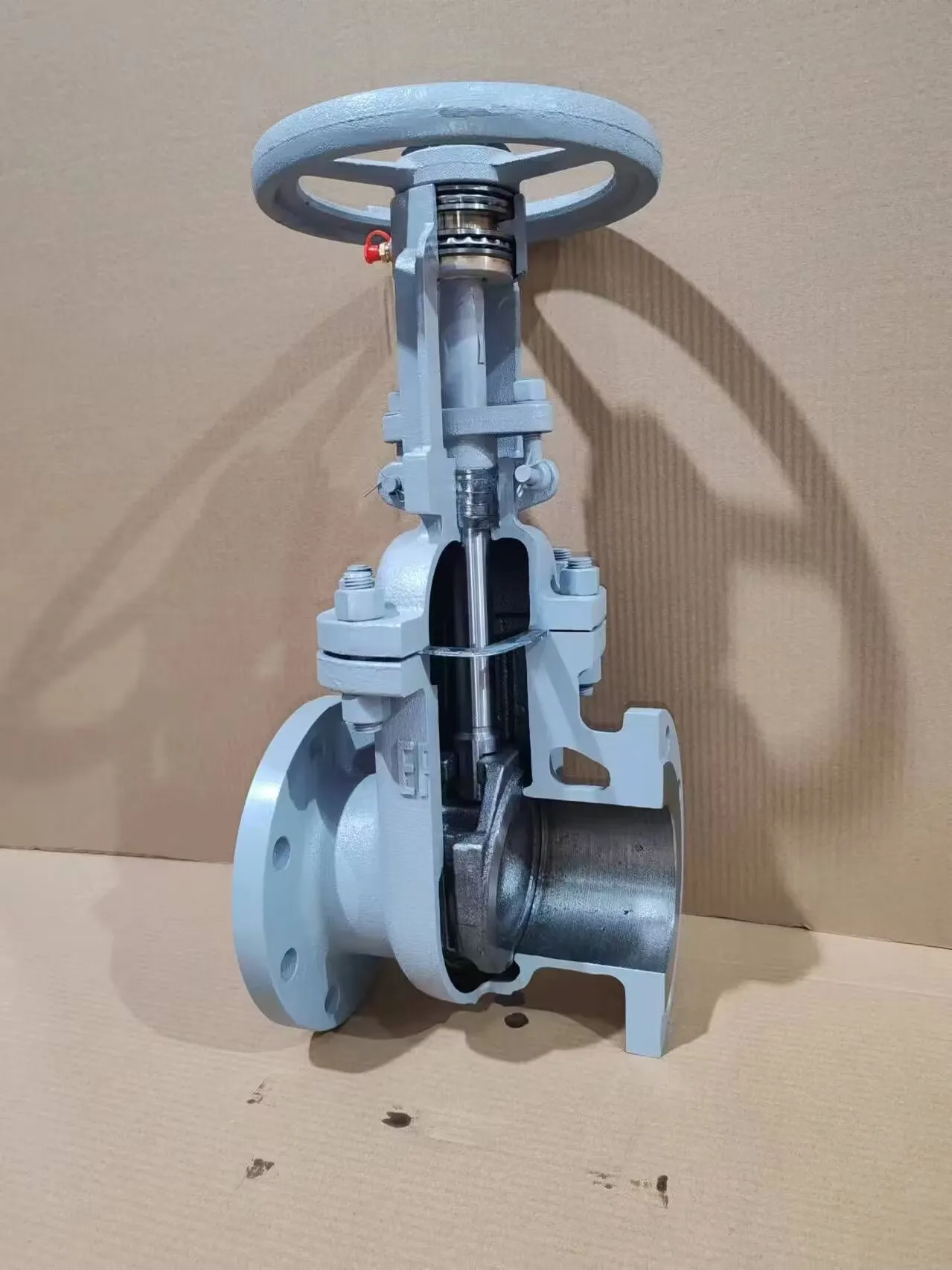
The performance of a 3000 psi ball valve hinges on its ability to withstand high pressure, provide leak-tight sealing, and operate reliably over extended periods. Force analysis is critical, particularly at the stem-ball interface and within the seat area. High pressure creates significant forces that must be accommodated by the valve’s design and material selection. The torque required to operate the valve is determined by factors like fluid viscosity, pressure drop, and seal friction. Engineers must calculate these forces to select an appropriate actuator (manual, pneumatic, or electric).
Environmental resistance is a key consideration. Exposure to corrosive fluids, high temperatures, or extreme weather conditions can degrade valve materials. Material compatibility charts must be consulted to ensure the valve is suitable for the intended application. Compliance requirements, such as those outlined in API 6D and ASME B16.34, specify performance criteria and testing procedures. Furthermore, the valve’s design must address fugitive emissions, minimizing leakage of hazardous fluids. Functional implementation involves proper installation, ensuring correct orientation and adequate support for the valve’s weight. Regular inspection and maintenance, as detailed in Section 5, are vital to maintain performance and prevent failures.
Technical Specifications
| Parameter | Specification | Testing Standard | Typical Material |
|---|---|---|---|
| Maximum Pressure | 3000 psi (207 bar) | API 598 | Forged Carbon Steel (A105) / Stainless Steel (316) |
| Temperature Range | -29°C to 121°C (-20°F to 250°F) | API 6D | Varies with seal material (PTFE, RPTFE) |
| Port Size | 1/2" to 4" (DN15 to DN100) | ASME B16.37 | Carbon Steel / Stainless Steel |
| End Connection | Threaded (NPT, BSPT), Flanged (ASME B16.5) | ASME B1.20.1 | Valve Body Material |
| Seat Material | PTFE, RPTFE, PEEK | ASTM D3418 | PTFE/RPTFE/PEEK |
| Actuation Type | Manual, Gear Operated, Pneumatic, Electric | ISA 75.08.01 | Dependent on Actuator |
Failure Mode & Maintenance
3000 psi ball valves, despite their robustness, are susceptible to several failure modes. Fatigue cracking can occur in the valve body or ball due to repeated stress cycles at high pressures. Seat erosion and damage are common, particularly when handling fluids containing abrasive particles, leading to leakage. Corrosion, both general and localized (pitting, crevice corrosion), can weaken valve components. Another prevalent issue is seal failure, caused by temperature extremes, chemical attack, or wear. Cavitation, induced by rapid pressure drops, can erode the ball and seat.
Preventative maintenance is crucial. Regular inspection of the valve body for cracks and corrosion is essential. Seat inspection and replacement should be performed periodically, based on the fluid being handled and the operating conditions. Lubrication of the stem and actuator is vital to reduce friction and ensure smooth operation. Proper alignment during installation prevents undue stress on the valve. If leakage is detected, immediate investigation and repair are necessary. For severe failures, complete valve replacement may be required. Record-keeping of maintenance activities helps track valve performance and predict potential failures. Proper storage is also key; valves should be stored in a dry, protected environment to prevent corrosion.
Industry FAQ
Q: What is the primary difference between a forged and cast 3000 psi ball valve body and how does it impact reliability?
A: Forged valve bodies exhibit superior grain flow compared to cast bodies, leading to increased strength, impact resistance, and overall reliability. The forging process aligns the material’s crystalline structure, minimizing the risk of crack propagation under high pressure. Cast bodies, while often more cost-effective, are more prone to porosity and internal flaws that can compromise structural integrity over time. For 3000 psi applications, forged bodies are strongly recommended.
Q: What are the key considerations when selecting a seat material for a 3000 psi ball valve handling hydrogen sulfide (H2S)?
A: Hydrogen sulfide is a highly corrosive gas. Standard PTFE seats are susceptible to permeation and degradation in the presence of H2S. RPTFE (Reinforced PTFE) offers improved resistance but may still require frequent replacement. PEEK is a more robust option, providing excellent chemical resistance and mechanical strength. However, the specific H2S concentration, temperature, and pressure must be considered when making the final material selection. Consulting a materials compatibility chart is crucial.
Q: How does the surface finish of the ball and seat affect the leakage rate of the valve?
A: The surface finish is paramount. A rough surface finish creates microscopic gaps between the ball and seat, allowing fluid to leak through. Higher surface finish (lower Ra value) ensures a tighter seal. Typically, a Ra value of 16 μin or less is desired for critical sealing applications. Polishing and lapping processes are used to achieve these finishes. Regular inspection of the ball and seat for scratches or wear is essential to maintain low leakage rates.
Q: What non-destructive testing (NDT) methods are commonly used to verify the integrity of a 3000 psi ball valve during manufacturing?
A: Liquid Penetrant Inspection (LPI) is used to detect surface cracks and flaws in the valve body and ball. Radiographic Testing (RT), or X-ray inspection, can identify internal defects such as porosity or inclusions in castings or welds. Ultrasonic Testing (UT) is employed to assess the thickness of the valve body and detect subsurface flaws. Magnetic Particle Inspection (MPI) is suitable for detecting surface and near-surface cracks in ferromagnetic materials.
Q: What are the implications of exceeding the maximum allowable torque when operating a 3000 psi ball valve?
A: Exceeding the maximum allowable torque can damage the valve stem, actuator, or even the ball itself. It can also lead to deformation of the valve body and compromise the seal. Repeatedly over-torquing the valve can accelerate wear and tear, reducing its lifespan and increasing the risk of failure. Always adhere to the manufacturer's recommended torque specifications and use a calibrated torque wrench.
Conclusion
China-manufactured 3000 psi ball valves represent a critical component in numerous high-pressure industrial applications. Their effectiveness relies heavily on meticulous material selection, precise manufacturing processes, and adherence to stringent quality control standards. Understanding the material properties, potential failure modes, and proper maintenance procedures is essential for ensuring long-term reliability and preventing costly downtime. The integration of robust testing protocols like hydrostatic testing and NDT methods are crucial aspects of a high-quality valve.
Future trends in this sector will likely focus on further advancements in material science, such as the development of even more corrosion-resistant alloys and improved sealing materials. Automation in manufacturing will continue to enhance precision and reduce production costs. Furthermore, a growing emphasis on environmental sustainability will drive the development of low-emission ball valves and eco-friendly manufacturing practices. Maintaining a focus on industry standards and continuous improvement will be paramount to meeting the evolving demands of the industrial sector.
-
Top Reasons to Choose a Stainless Steel Flange Check Valve for Industrial Applications
-
Flange Square Performance Analysis
-
flanged butterfly valve Performance Analysis
-
flanged gate valve Material Science Manufacturing
-
Pinion Flange Performance Analysis
-
Precision flange Performance Analysis
-
Stub End Flange Performance Analysis
-
Turbo Exhaust Flange Material Analysis
-
Shaft collar flange Performance Analysis
-
butterfly valve flanged Performance Analysis
-
flange butterfly valves Performance Engineering
-
flanged butterfly valves Performance Analysis
-
flanged gate valves Performance Analysis
-
Flanges for butterfly valves Material Analysis
-
gate valve flange Performance Analysis
 Afrikaans
 Albanian
 Amharic
 Arabic
 Armenian
 Azerbaijani
 Basque
 Belarusian
 Bengali
 Bosnian
 Bulgarian
 Catalan
 Cebuano
 Corsican
 Croatian
 Czech
Czech
 Danish
 Dutch
Dutch
 Esperanto
 Estonian
 Finnish
 French
 Frisian
 Galician
 Georgian
 German
 Greek
Greek
 Gujarati
 Haitian Creole
 Hausa
Hawaiian
Hausa
Hawaiian
 Hebrew
 Hindi
Hindi
 Miao
Miao
 Hungarian
 Icelandic
 Igbo
Igbo
 Indonesian
 Irish
Irish
 Italian
 Japanese
 Javanese
Kannada
Javanese
Kannada
 Kazakh
 Khmer
Khmer
 Rwandese
 Korean
 Kurdish
 Kyrgyz
 Lao
Lao
 Latin
Latin
 Latvian
 Lithuanian
 Luxembourgish
 Macedonian
 Malgashi
 Malay
Malay
 Malayalam
 Maltese
 Maori
Maori
 Marathi
 Mongolian
 Myanmar
 Nepali
 Norwegian
 Norwegian
 Occitan
 Pashto
 Persian
 Polish
 Portuguese
Punjabi
Portuguese
Punjabi
 Romanian
 Russian
 Samoan
 Scottish Gaelic
 Serbian
 Sesotho
 Shona
Shona
 Sindhi
 Sinhala
 Slovak
 Slovenian
 Somali
 Spanish
 Sundanese
 Swahili
 Swedish
Tagalog
Swedish
Tagalog
 Tajik
Tajik
 Tamil
Tamil
 Tatar
Tatar
 Telugu
 Thai
Thai
 Turkish
 Turkmen
 Ukrainian
 Urdu
Urdu
 Uighur
 Uzbek
Uzbek
 Vietnamese
 Welsh
Welsh
 Bantu
Bantu
 Yiddish
 Yoruba
 Zulu
Zulu
 English