




Flange Square Performance Analysis
Introduction
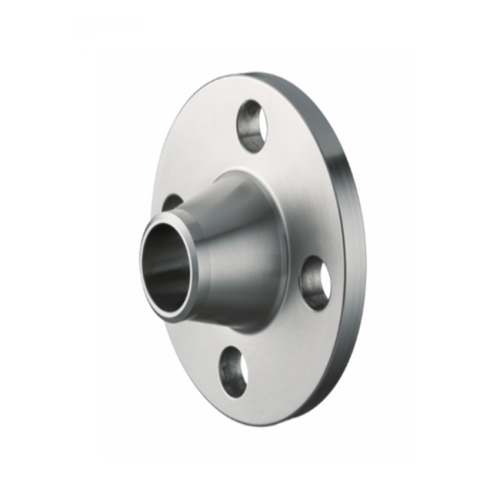
Flange squares, also known as square flanges or weld-neck flanges with a square profile, are a critical component in piping systems across diverse industries including oil & gas, chemical processing, power generation, and water treatment. Positioned within the industry chain as a joining element between pipe sections, valves, pumps, and other equipment, they facilitate robust and leak-proof connections. Their primary function is to distribute stress evenly and prevent concentration at the weld neck. Core performance characteristics include pressure containment capability, resistance to corrosion, and the ability to withstand thermal expansion and contraction. The selection of a flange square is dictated by factors such as operating pressure, temperature, fluid compatibility, and applicable industry standards. A key pain point for procurement engineers is balancing material grade with long-term cost of ownership, especially considering potential corrosion or erosion issues within specific process environments. Ensuring proper welding procedures and nondestructive testing are equally vital to maintain structural integrity and prevent catastrophic failures.
Material Science & Manufacturing
Flange squares are commonly manufactured from carbon steel (ASTM A105, A516 Grade 70), stainless steel (304/304L, 316/316L), alloy steel (A182 F22, F91), and occasionally duplex stainless steels or nickel alloys depending on the application's severity. Carbon steel provides cost-effectiveness for moderate temperature and pressure applications. Stainless steel offers superior corrosion resistance, vital in chemical processing and marine environments. Alloy steels are employed in high-temperature, high-pressure services. The manufacturing process typically begins with forging or casting. Forging, offering superior grain structure and mechanical properties, involves shaping a heated billet of metal under compressive forces. Casting utilizes molten metal poured into a mold. Following forging or casting, the flange square undergoes machining to achieve precise dimensions and surface finishes. Welding is a critical secondary process, primarily used to attach the flange to the pipe. Welding parameter control—including heat input, welding speed, and shielding gas composition—is paramount to prevent weld defects such as porosity, cracking, and incomplete fusion. Post-weld heat treatment (PWHT) is often required to relieve residual stresses and improve ductility. Nondestructive testing (NDT), including radiographic testing (RT), ultrasonic testing (UT), and dye penetrant testing (PT), is employed to verify weld quality. Material traceability is crucial, requiring adherence to material test reports (MTRs) confirming chemical composition and mechanical properties.
Performance & Engineering
The performance of a flange square is fundamentally governed by its ability to withstand internal pressure, external loads, and cyclical stresses. Force analysis considers hoop stress, longitudinal stress, and bending moments induced by thermal expansion and contraction. Finite element analysis (FEA) is frequently employed to model complex stress distributions, particularly in critical applications. Environmental resistance is a key engineering consideration. Corrosion, erosion, and oxidation can significantly degrade the flange's integrity over time. Material selection is critical to mitigate these effects. For example, in seawater applications, duplex stainless steels or nickel alloys are preferred due to their superior chloride pitting resistance. Compliance requirements are stringent, often dictated by industry standards such as ASME B16.5 (for flanges and flanged fittings) and API 6A (for wellhead and Christmas tree equipment). Proper gasket selection is equally important to ensure a leak-tight seal. Gasket materials must be chemically compatible with the process fluid and capable of withstanding the operating temperature and pressure. Bolting also plays a crucial role, requiring appropriate bolt material, size, and tightening torque to achieve the required clamping force. Regular inspection and maintenance are essential to detect signs of corrosion, erosion, or bolt loosening. Thermal stress analysis is vital, especially when connecting dissimilar materials with differing coefficients of thermal expansion.
Technical Specifications
| Parameter | ASTM A105 Carbon Steel | 304/304L Stainless Steel | A182 F22 Alloy Steel | Unit |
|---|---|---|---|---|
| Tensile Strength | 400 MPa min. | 517 MPa min. | 483 MPa min. | MPa |
| Yield Strength | 250 MPa min. | 205 MPa min. | 241 MPa min. | MPa |
| Elongation | 20% min. | 30% min. | 18% min. | % |
| Hardness | 115 BHN max. | 95 BHN max. | 150 BHN max. | BHN |
| Corrosion Rate (in 1M HCl) | 5 mm/year (approx.) | 0.1 mm/year (approx.) | 1 mm/year (approx.) | mm/year |
| Maximum Operating Temperature | 200°C | 425°C | 450°C | °C |
Failure Mode & Maintenance
Flange squares are susceptible to several failure modes. Fatigue cracking, particularly around the weld neck, is common in cyclically loaded systems. Corrosion, including general corrosion, pitting corrosion, and stress corrosion cracking, can degrade the flange material, leading to leaks or catastrophic failure. Erosion, caused by abrasive particles in the process fluid, can also damage the flange surface. Bolt failure, resulting from excessive loads or corrosion, can compromise the clamping force and lead to leaks. Gasket failure, due to material degradation or improper installation, can also result in leakage. Delamination can occur in composite flange designs if bonding fails. Maintenance procedures include regular visual inspections for signs of corrosion, erosion, or cracking. Torque checks on bolts should be performed periodically to ensure adequate clamping force. Non-destructive testing (NDT), such as ultrasonic testing (UT) and radiographic testing (RT), can be used to detect internal defects. Preventive maintenance, including the application of protective coatings and the replacement of worn gaskets, can extend the flange’s service life. In the event of a detected defect, the flange should be removed from service and either repaired or replaced. Detailed record-keeping of inspection and maintenance activities is vital for tracking flange performance and identifying potential issues.
Industry FAQ
Q: What is the primary difference between a weld neck flange square and a slip-on flange square, and when would you specify one over the other?
A: Weld neck flange squares are welded to the pipe using a full penetration weld, providing a stronger, more reliable joint ideal for high-pressure, high-temperature applications. This design minimizes stress concentration. Slip-on flange squares simply slip over the pipe and are fillet welded, making them easier to install but offering lower strength and suitability for lower-pressure systems. The choice depends on the severity of the service conditions and the required level of structural integrity.
Q: How does the material selection for a flange square impact its resistance to chloride stress corrosion cracking (SCC)?
A: Chloride SCC is a significant concern in marine and chemical processing environments. Austenitic stainless steels (304/304L) are susceptible to SCC in chloride-containing environments. Therefore, duplex stainless steels or higher-alloyed stainless steels (316/316L, Alloy 2205) are often preferred, offering significantly improved resistance. Careful consideration of the chloride concentration and temperature is crucial when selecting the appropriate material.
Q: What are the critical considerations when specifying the bolt material for a flange square connection?
A: Bolt material must be compatible with both the flange material and the process fluid. ASTM A193 Grade B7 bolts are commonly used for carbon steel flanges, while ASTM A286 bolts are often specified for higher-temperature applications. For stainless steel flanges, A403 bolts are typical. Corrosion resistance is also paramount, particularly in harsh environments. The appropriate bolt size and tightening torque must be calculated based on the flange pressure rating and gasket type.
Q: What is the role of post-weld heat treatment (PWHT) in maintaining the integrity of a welded flange square?
A: PWHT is crucial for relieving residual stresses induced during the welding process. These residual stresses can contribute to stress corrosion cracking and fatigue failure. PWHT improves the ductility and toughness of the weld metal, enhancing its resistance to cracking. The specific PWHT parameters (temperature, holding time) are dictated by the material grade and welding procedure.
Q: What nondestructive testing (NDT) methods are commonly employed to verify the quality of a flange square weld?
A: Radiographic testing (RT) is widely used to detect internal weld defects such as porosity and cracking. Ultrasonic testing (UT) provides a more sensitive method for detecting subsurface flaws. Dye penetrant testing (PT) is employed to detect surface cracks. Magnetic particle testing (MT) can also be used for surface and near-surface flaw detection, particularly in ferromagnetic materials. Liquid penetrant testing (LT) is also a common method to detect surface flaws.
Conclusion
The selection, manufacturing, and maintenance of flange squares are critical to the reliable operation of piping systems across numerous industries. Understanding the material science principles governing corrosion resistance, the intricacies of welding procedures, and the potential failure modes is essential for procurement engineers and maintenance personnel alike. Proper material selection, meticulous welding techniques, and regular inspection regimes are all paramount to ensure long-term structural integrity and prevent costly downtime.
Future trends in flange square technology are focused on the development of advanced materials, such as high-alloy stainless steels and composite materials, offering enhanced corrosion resistance and reduced weight. The integration of digital technologies, including predictive maintenance algorithms and remote monitoring systems, will further optimize flange performance and minimize the risk of failure. Ultimately, a proactive and technically informed approach to flange management is vital for maintaining safety, efficiency, and cost-effectiveness.
-
Top Reasons to Choose a Stainless Steel Flange Check Valve for Industrial Applications
-
Flange Square Performance Analysis
-
flanged butterfly valve Performance Analysis
-
flanged gate valve Material Science Manufacturing
-
Pinion Flange Performance Analysis
-
Precision flange Performance Analysis
-
Stub End Flange Performance Analysis
-
Turbo Exhaust Flange Material Analysis
-
Shaft collar flange Performance Analysis
-
butterfly valve flanged Performance Analysis
-
flange butterfly valves Performance Engineering
-
flanged butterfly valves Performance Analysis
-
flanged gate valves Performance Analysis
-
Flanges for butterfly valves Material Analysis
-
gate valve flange Performance Analysis
 Afrikaans
 Albanian
 Amharic
 Arabic
 Armenian
 Azerbaijani
 Basque
 Belarusian
 Bengali
 Bosnian
 Bulgarian
 Catalan
 Cebuano
 Corsican
 Croatian
 Czech
Czech
 Danish
 Dutch
Dutch
 Esperanto
 Estonian
 Finnish
 French
 Frisian
 Galician
 Georgian
 German
 Greek
Greek
 Gujarati
 Haitian Creole
 Hausa
Hawaiian
Hausa
Hawaiian
 Hebrew
 Hindi
Hindi
 Miao
Miao
 Hungarian
 Icelandic
 Igbo
Igbo
 Indonesian
 Irish
Irish
 Italian
 Japanese
 Javanese
Kannada
Javanese
Kannada
 Kazakh
 Khmer
Khmer
 Rwandese
 Korean
 Kurdish
 Kyrgyz
 Lao
Lao
 Latin
Latin
 Latvian
 Lithuanian
 Luxembourgish
 Macedonian
 Malgashi
 Malay
Malay
 Malayalam
 Maltese
 Maori
Maori
 Marathi
 Mongolian
 Myanmar
 Nepali
 Norwegian
 Norwegian
 Occitan
 Pashto
 Persian
 Polish
 Portuguese
Punjabi
Portuguese
Punjabi
 Romanian
 Russian
 Samoan
 Scottish Gaelic
 Serbian
 Sesotho
 Shona
Shona
 Sindhi
 Sinhala
 Slovak
 Slovenian
 Somali
 Spanish
 Sundanese
 Swahili
 Swedish
Tagalog
Swedish
Tagalog
 Tajik
Tajik
 Tamil
Tamil
 Tatar
Tatar
 Telugu
 Thai
Thai
 Turkish
 Turkmen
 Ukrainian
 Urdu
Urdu
 Uighur
 Uzbek
Uzbek
 Vietnamese
 Welsh
Welsh
 Bantu
Bantu
 Yiddish
 Yoruba
 Zulu
Zulu
 English