




flanged gate valve Material Science Manufacturing

Introduction
Flanged gate valves are a critical component in fluid handling systems across numerous industries, including oil and gas, water treatment, and chemical processing. They function as isolation valves, controlling the flow of liquids, gases, or slurries by utilizing a gate mechanism that slides into and out of the flow path. Positioned within the industry chain between pipeline infrastructure and process equipment, their primary role is to provide a fully open bore for unrestricted flow when open and a tight seal when closed. Core performance characteristics revolve around leak tightness, pressure retention capability, and durability under various operating conditions. Industry pain points frequently involve valve failure leading to process downtime, fugitive emissions requiring costly remediation, and maintaining compliance with increasingly stringent environmental regulations. Effective selection and maintenance of flanged gate valves directly impact operational efficiency, safety, and environmental sustainability.
Material Science & Manufacturing
The body of a flanged gate valve is typically constructed from cast iron (ASTM A126 Class B), ductile iron (ASTM A536 65-45-12), carbon steel (ASTM A216 WCB, A352 LCC), stainless steel (ASTM A351 CF8, CF8M, CF3, CF3M), or alloy steels depending on the fluid handled and operating pressures. Each material presents unique characteristics. Cast iron offers cost-effectiveness but limited corrosion resistance. Ductile iron enhances strength and ductility compared to cast iron. Carbon steel provides good strength and weldability but is susceptible to corrosion. Stainless steel excels in corrosion resistance, critical for handling corrosive fluids. Alloy steels are employed for high-temperature and high-pressure applications. The gate itself is commonly made from bronze, stainless steel, or ductile iron, chosen for its wear resistance and ability to create a tight seal. Seats are typically made from resilient materials like EPDM, PTFE, or NBR. The manufacturing process begins with pattern making for casting, followed by sand casting or investment casting. Flanges are typically welded onto the valve body according to ASME B16.5 standards. Critical parameters during manufacturing include precise machining of the gate and seat surfaces to achieve leak-tight closure, proper heat treatment to optimize material properties, and rigorous quality control checks, including hydrostatic testing (API 598) and non-destructive examination (NDE) such as radiography and ultrasonic testing to detect flaws. Welding procedures must be qualified to ensure structural integrity and prevent weld defects like porosity or cracking.
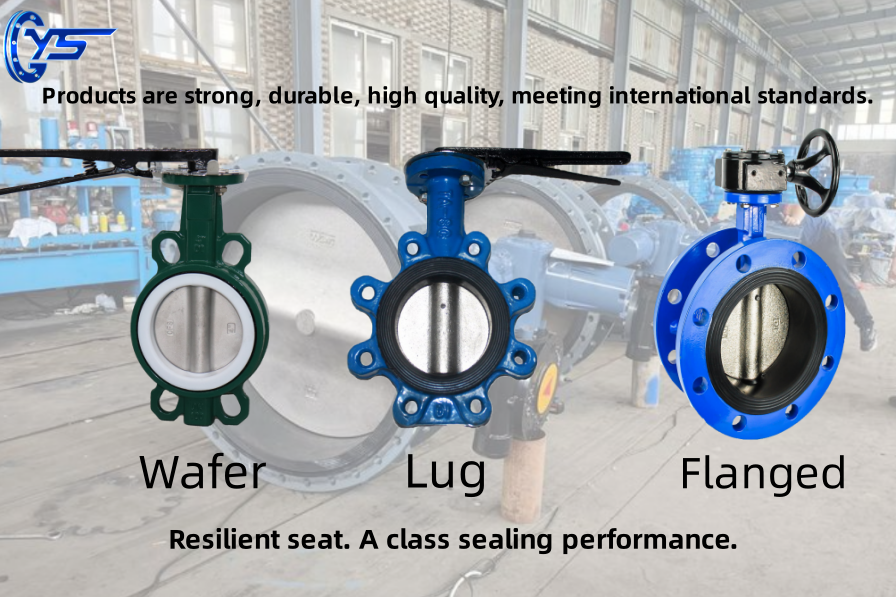
Performance & Engineering
Flanged gate valve performance is heavily governed by force analysis related to flow pressure and the closing mechanism. The force required to fully close the gate increases with pressure and valve size. Engineering designs must account for this force to ensure proper actuator selection and prevent valve binding. Environmental resistance is crucial, particularly concerning corrosion, erosion, and temperature extremes. Coatings like epoxy or specialized polymers are applied to the valve body and internal components to protect against corrosive fluids. The valve’s pressure-temperature rating is determined based on ASME B16.34 standards, dictating maximum allowable working pressure (MAWP) at various temperatures. Compliance requirements are dictated by industry-specific regulations. For instance, oil and gas applications demand API 6D and API 600 compliance, ensuring safety and reliability. The functional implementation of a flanged gate valve relies on its ability to achieve bubble-tight shutoff. Seat design plays a critical role, with options including wedge gate valves (solid wedge, split wedge, parallel sided wedge) and parallel seat gate valves. Wedge gate valves offer improved sealing characteristics, while parallel seat gate valves provide lower flow restriction when fully open. Actuation methods, including manual handwheels, gear operators, pneumatic actuators, and electric actuators, are selected based on application requirements and torque demands.
Technical Specifications
| Parameter | Unit | ASTM A126 Class B (Cast Iron) | ASTM A216 WCB (Carbon Steel) |
|---|---|---|---|
| Maximum Operating Pressure | psi | 125 | 740 |
| Temperature Range | °F | -20 to 300 | -20 to 800 |
| Valve Size Range | inches | 2 - 48 | 2 - 72 |
| Seat Leakage (Class VI) | ml/min/in | 0.1 | 0.1 |
| Actuator Type | - | Manual, Gear, Pneumatic, Electric | Manual, Gear, Pneumatic, Electric |
| Flange Standard | - | ASME B16.5 | ASME B16.5 |
Failure Mode & Maintenance
Flanged gate valves are susceptible to several failure modes. Fatigue cracking can occur in the valve body due to cyclical pressure fluctuations, particularly in carbon steel valves. Corrosion, both internal and external, is a common cause of failure, especially in corrosive environments. Erosion can damage the gate and seat surfaces due to high-velocity flow containing abrasive particles. Seat deformation or damage leads to leakage. Gate sticking or binding prevents full closure or opening. Oxidation, particularly at elevated temperatures, can weaken the valve materials. Maintenance is crucial to prevent these failures. Regular inspection should include visual checks for corrosion, leakage, and damage. Lubrication of the stem and gate threads is essential to prevent sticking. Periodic testing of the valve’s seat leakage using a seat test kit is recommended. Replacement of worn or damaged seals, gaskets, and packing is necessary to maintain leak-tight operation. For valves exposed to corrosive fluids, protective coatings should be reapplied periodically. Hydrostatic testing should be performed at intervals defined by the operating conditions and regulatory requirements. Proper documentation of maintenance activities is crucial for tracking valve performance and identifying potential issues before they lead to catastrophic failure. Preventative maintenance programs, including scheduled inspections and component replacements, significantly extend valve lifespan and reduce downtime.
Industry FAQ
Q: What are the key differences between a wedge gate valve and a parallel seat gate valve, and when would you choose one over the other?
A: Wedge gate valves, with their tapered gate, generally offer superior sealing performance, making them ideal for applications requiring bubble-tight shutoff, particularly with fluids prone to solidification or containing particulates. However, they typically have higher flow restriction. Parallel seat gate valves, with their parallel-sided gate, provide lower flow restriction when fully open, but may exhibit slight leakage. They are best suited for applications where minimal pressure drop is critical and complete shutoff is not paramount.
Q: How does the material selection impact the longevity of a flanged gate valve in a seawater application?
A: Seawater is highly corrosive due to its high chloride content. Carbon steel is unsuitable without extensive corrosion protection. Duplex stainless steel (e.g., ASTM A928) or super austenitic stainless steels are preferred due to their superior corrosion resistance in chloride-rich environments. Coatings like epoxy or specialized marine coatings can provide additional protection. The seat material should also be resistant to seawater attack, with options including PTFE or specific elastomeric compounds.
Q: What is the significance of API 6D certification for flanged gate valves?
A: API 6D certification demonstrates that the valve has met stringent quality and performance requirements established by the American Petroleum Institute. It covers design, manufacturing, and testing procedures, ensuring the valve is suitable for use in demanding oil and gas applications. Certification provides assurance of reliability, safety, and adherence to industry standards.
Q: What considerations are important when selecting an actuator for a large-diameter flanged gate valve?
A: For large-diameter valves, actuator selection is critical due to the significant torque required for operation. Factors to consider include the valve’s pressure rating, fluid type, operating temperature, and desired speed of operation. Gear operators are often used for manual operation, while pneumatic or electric actuators are preferred for remote control or automated systems. The actuator must be sized to provide sufficient torque to overcome the valve’s frictional resistance and fluid pressure.
Q: What preventative maintenance procedures can minimize the risk of fugitive emissions from a flanged gate valve?
A: Fugitive emissions can be minimized through regular inspection and maintenance of valve packing, gaskets, and flange connections. Proper torqueing of flange bolts is essential to maintain a tight seal. Packing should be replaced when it shows signs of wear or degradation. Leak detection surveys using methods like ultrasonic leak detection can identify and address potential emission sources promptly. Using low-emission packing materials can also reduce fugitive emissions.
Conclusion
Flanged gate valves remain a fundamental component in fluid handling systems, offering reliable isolation when properly selected, installed, and maintained. The selection process is highly dependent on the application, demanding careful consideration of materials, pressure-temperature ratings, and compliance standards. A thorough understanding of potential failure modes, coupled with a robust preventative maintenance program, is paramount to ensuring long-term operational integrity and minimizing downtime.
As industries increasingly prioritize sustainability and environmental responsibility, minimizing fugitive emissions and optimizing valve lifespan become critical objectives. Continued advancements in materials science, coating technologies, and valve designs will further enhance the performance and reliability of flanged gate valves, contributing to safer and more efficient industrial processes. Proactive engagement with industry standards and best practices is essential for maintaining a competitive edge and mitigating operational risks.
-
Top Reasons to Choose a Stainless Steel Flange Check Valve for Industrial Applications
-
Flange Square Performance Analysis
-
flanged butterfly valve Performance Analysis
-
flanged gate valve Material Science Manufacturing
-
Pinion Flange Performance Analysis
-
Precision flange Performance Analysis
-
Stub End Flange Performance Analysis
-
Turbo Exhaust Flange Material Analysis
-
Shaft collar flange Performance Analysis
-
butterfly valve flanged Performance Analysis
-
flange butterfly valves Performance Engineering
-
flanged butterfly valves Performance Analysis
-
flanged gate valves Performance Analysis
-
Flanges for butterfly valves Material Analysis
-
gate valve flange Performance Analysis
 Afrikaans
 Albanian
 Amharic
 Arabic
 Armenian
 Azerbaijani
 Basque
 Belarusian
 Bengali
 Bosnian
 Bulgarian
 Catalan
 Cebuano
 Corsican
 Croatian
 Czech
Czech
 Danish
 Dutch
Dutch
 Esperanto
 Estonian
 Finnish
 French
 Frisian
 Galician
 Georgian
 German
 Greek
Greek
 Gujarati
 Haitian Creole
 Hausa
Hawaiian
Hausa
Hawaiian
 Hebrew
 Hindi
Hindi
 Miao
Miao
 Hungarian
 Icelandic
 Igbo
Igbo
 Indonesian
 Irish
Irish
 Italian
 Japanese
 Javanese
Kannada
Javanese
Kannada
 Kazakh
 Khmer
Khmer
 Rwandese
 Korean
 Kurdish
 Kyrgyz
 Lao
Lao
 Latin
Latin
 Latvian
 Lithuanian
 Luxembourgish
 Macedonian
 Malgashi
 Malay
Malay
 Malayalam
 Maltese
 Maori
Maori
 Marathi
 Mongolian
 Myanmar
 Nepali
 Norwegian
 Norwegian
 Occitan
 Pashto
 Persian
 Polish
 Portuguese
Punjabi
Portuguese
Punjabi
 Romanian
 Russian
 Samoan
 Scottish Gaelic
 Serbian
 Sesotho
 Shona
Shona
 Sindhi
 Sinhala
 Slovak
 Slovenian
 Somali
 Spanish
 Sundanese
 Swahili
 Swedish
Tagalog
Swedish
Tagalog
 Tajik
Tajik
 Tamil
Tamil
 Tatar
Tatar
 Telugu
 Thai
Thai
 Turkish
 Turkmen
 Ukrainian
 Urdu
Urdu
 Uighur
 Uzbek
Uzbek
 Vietnamese
 Welsh
Welsh
 Bantu
Bantu
 Yiddish
 Yoruba
 Zulu
Zulu
 English