




china back pressure control valve Performance Analysis
Introduction
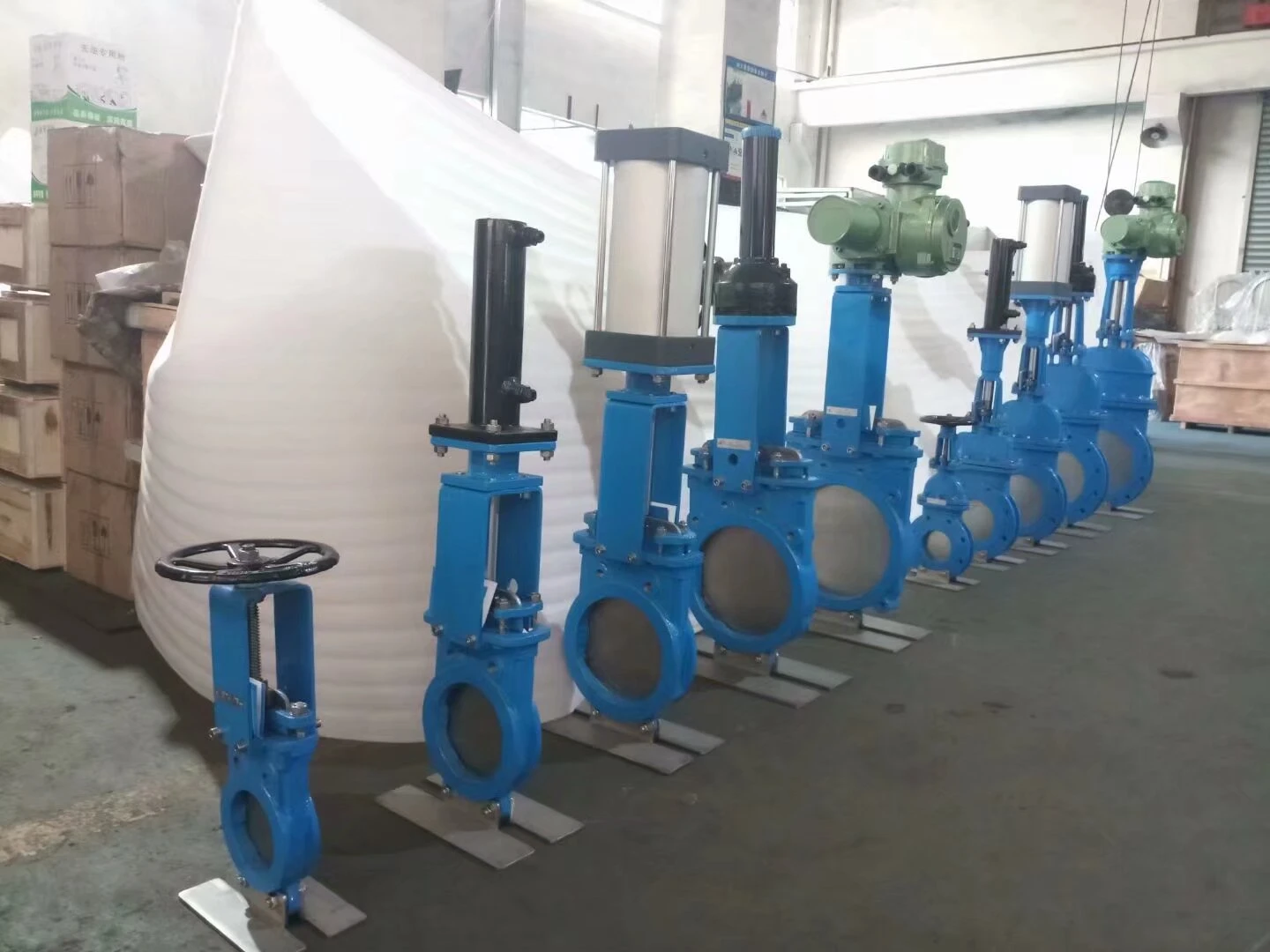
China back pressure control valves are critical components in industrial fluid systems, engineered to maintain a desired upstream pressure regardless of downstream fluctuations. Positioned within the broader valve industry, these valves fall under the category of pressure regulating valves, distinct from simpler on/off valves and flow control valves. Their primary function is process stability and equipment protection, particularly in applications sensitive to pressure variations such as chemical processing, oil & gas refining, and power generation. Core performance indicators include precise pressure regulation, responsiveness to load changes, sealing integrity, and resistance to process fluid corrosion and erosion. A key pain point for industry users is achieving consistent and reliable performance under demanding operating conditions, specifically regarding material compatibility and responsiveness to rapidly changing system dynamics. Maintaining tight pressure control prevents process upsets, ensures product quality, and safeguards expensive downstream equipment.
Material Science & Manufacturing
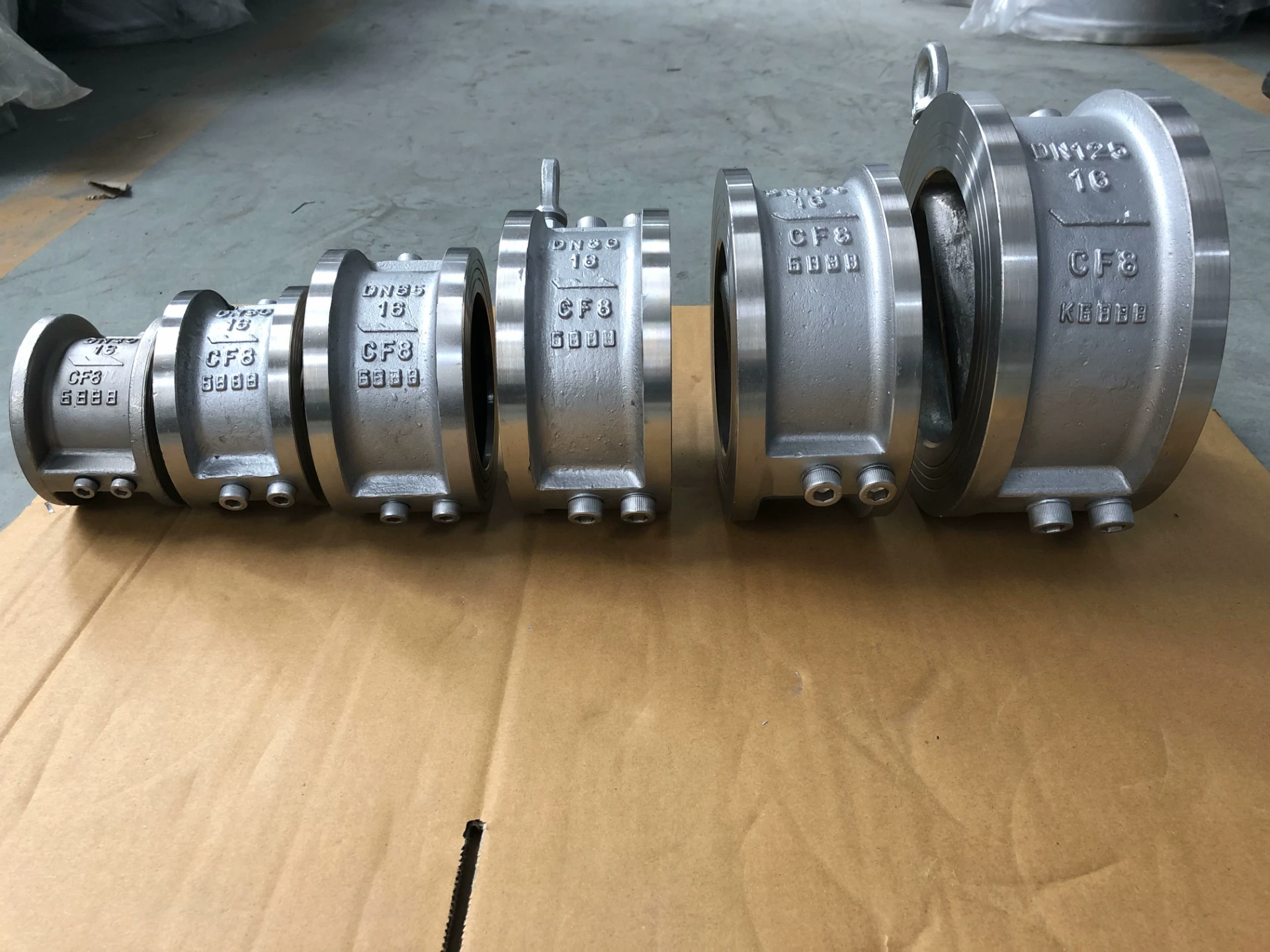
The body construction of a China back pressure control valve commonly utilizes carbon steel (ASTM A105, A350), stainless steel (304, 316, Duplex), or alloy steel (e.g., F11) based on the process fluid’s chemical compatibility and temperature requirements. Carbon steel offers cost-effectiveness for non-corrosive applications, while stainless steels provide enhanced corrosion resistance. Alloy steels are employed for high-temperature and high-pressure environments. Internal components, including the disc, seat, and stem, are frequently manufactured from hardened alloys like 410 or 17-4 PH stainless steel for wear resistance. The diaphragm, critical for sensing and responding to pressure changes, is typically made from materials such as PTFE, Viton, or EPDM, selected for their chemical inertness and flexibility. Manufacturing processes involve investment casting or forging for the valve body, followed by CNC machining for precise dimensional accuracy. The valve seat is often achieved through specialized welding techniques (e.g., tungsten inert gas welding – TIG) to ensure a leak-tight seal. Diaphragm attachment requires controlled vulcanization or mechanical clamping to maintain integrity. Critical parameter control includes maintaining tight tolerances on the orifice diameter, seat flatness, and diaphragm thickness, directly affecting pressure regulation accuracy and responsiveness. Surface finishing is crucial; polished surfaces minimize friction and improve flow characteristics. Non-destructive testing (NDT), including radiography and liquid penetrant inspection, is vital to detect casting flaws or weld defects.
Performance & Engineering
Back pressure control valves function by balancing the force exerted by the process fluid against a spring and diaphragm assembly. The spring's pre-load determines the setpoint pressure. As upstream pressure increases beyond the setpoint, the valve modulates to restrict flow, maintaining the desired pressure. Engineering analysis focuses on force balance calculations, accounting for diaphragm area, spring rate, and fluid dynamic forces. Environmental resistance is a primary concern. Valves operating in corrosive environments require careful material selection and protective coatings. Temperature fluctuations impact spring rates and diaphragm material properties, demanding compensation mechanisms. Compliance requirements, such as those outlined in ASME Section VIII, Division 1, for pressure vessel design, dictate minimum wall thicknesses and material strengths. Furthermore, valves intended for hazardous locations must meet ATEX or IECEx standards for explosion protection. Flutter and chatter, caused by rapid valve oscillation, can lead to premature wear and system instability. Proper valve sizing, damping mechanisms (such as orifice restrictors), and optimized control algorithms are critical for mitigating these issues. Hydrostatic testing is performed to verify the valve's pressure containment capability. Flow coefficient (Cv) and pressure drop characteristics are crucial performance parameters determined through rigorous testing.
Technical Specifications
| Parameter | Unit | Typical Value (Carbon Steel) | Typical Value (316 Stainless Steel) |
|---|---|---|---|
| Maximum Allowable Pressure (MAP) | psi | 2500 | 2000 |
| Temperature Range | °F | -20 to 450 | -20 to 600 |
| Cv (Flow Coefficient) | gpm | 2 - 100 | 2 - 100 |
| Orifice Diameter | inch | 0.5 - 4 | 0.5 - 4 |
| Connection Type | - | Threaded, Flanged, Welded | Threaded, Flanged, Welded |
| Diaphragm Material | - | PTFE, Viton, EPDM | PTFE, Viton, EPDM |
Failure Mode & Maintenance
Common failure modes for China back pressure control valves include diaphragm failure (due to fatigue, chemical attack, or temperature extremes), seat erosion (caused by abrasive particles in the fluid), spring fatigue (leading to setpoint drift), and body corrosion (resulting in leakage). Fatigue cracking in the valve body can occur under cyclic pressure loading. Delamination of coatings (if applied) can expose the underlying metal to corrosion. Oxidation of internal components can impede valve operation. Maintenance solutions involve periodic inspection of the diaphragm for cracks or swelling, replacement of worn seats, spring recalibration or replacement, and thorough cleaning to remove debris. Regular lubrication of moving parts (stem, hinge points) is essential. Corrosion prevention strategies include applying protective coatings (e.g., epoxy, PTFE lining) and implementing cathodic protection. Preventive maintenance schedules should be based on operating conditions and fluid properties. Leak testing using helium or nitrogen is recommended to detect small leaks. Failure analysis, including metallographic examination of failed components, can identify root causes and prevent recurrence. Proper storage is also crucial; valves should be stored in a dry, protected environment to prevent corrosion.
Industry FAQ
Q: What is the impact of upstream pressure fluctuations on valve performance?
A: Significant upstream pressure fluctuations can cause valve chatter and accelerated diaphragm fatigue. Properly sized valves with appropriate damping mechanisms, such as orifice restrictors, mitigate this effect. Implementing a fast-acting control system can also help to stabilize the valve operation.
Q: How do I select the appropriate diaphragm material for a specific application?
A: Diaphragm material selection is crucial. PTFE offers broad chemical resistance but limited temperature capability. Viton provides excellent resistance to oils and fuels. EPDM is suitable for water and steam applications. Consult chemical compatibility charts and consider the operating temperature and pressure.
Q: What are the key considerations for valve sizing?
A: Accurate valve sizing requires knowing the flow rate, upstream and downstream pressures, and fluid properties. Undersized valves cause excessive pressure drop and cavitation. Oversized valves can oscillate and provide poor control. Utilize industry-standard sizing equations and software tools.
Q: How often should the valve be inspected and maintained?
A: The inspection and maintenance frequency depends on operating conditions and fluid properties. A minimum of annual inspections is recommended. Critical applications may require more frequent checks. Monitor valve performance for signs of degradation, such as leakage or setpoint drift.
Q: What is the significance of the valve’s Cv value?
A: The Cv value (flow coefficient) indicates the valve's capacity to pass a specific fluid at a specific pressure drop. A higher Cv value signifies a larger flow capacity. It's crucial for proper valve sizing to match the process requirements.
Conclusion
China back pressure control valves represent a critical component in maintaining process stability and protecting downstream equipment across diverse industrial applications. Their effectiveness hinges on careful material selection, precision manufacturing, and meticulous engineering analysis. Understanding the potential failure modes and implementing a robust preventative maintenance program are paramount for ensuring long-term reliability and minimizing downtime.
Future advancements in back pressure control valve technology are likely to focus on smart valve designs incorporating real-time monitoring, predictive maintenance capabilities, and enhanced control algorithms. Integration with IIoT (Industrial Internet of Things) platforms will enable remote diagnostics and optimization of valve performance, further enhancing process efficiency and safety.
-
Top Reasons to Choose a Stainless Steel Flange Check Valve for Industrial Applications
-
24vdc solenoid valve Performance Analysis
-
24vdc solenoid valves Performance Analysis
-
solenoid valves 24vdc Performance Analysis
-
solenoid valve 24 vdc Performance Analysis
-
24v dc solenoid valve Performance Analysis
-
circle seal check valve Performance Engineering
-
circle seal check valves Performance Analysis
-
cryogenic check valve Performance Analysis
-
3 swing check valve Performance Analysis
-
4 wafer check valve Performance Analysis
-
6 wafer check valve Performance Analysis
-
cryogenic check valves Performance Analysis
-
soft seated check valve Performance Analysis
-
3/4 check valve Performance Analysis
 Afrikaans
 Albanian
 Amharic
 Arabic
 Armenian
 Azerbaijani
 Basque
 Belarusian
 Bengali
 Bosnian
 Bulgarian
 Catalan
 Cebuano
 Corsican
 Croatian
 Czech
Czech
 Danish
 Dutch
Dutch
 Esperanto
 Estonian
 Finnish
 French
 Frisian
 Galician
 Georgian
 German
 Greek
Greek
 Gujarati
 Haitian Creole
 Hausa
Hawaiian
Hausa
Hawaiian
 Hebrew
 Hindi
Hindi
 Miao
Miao
 Hungarian
 Icelandic
 Igbo
Igbo
 Indonesian
 Irish
Irish
 Italian
 Japanese
 Javanese
Kannada
Javanese
Kannada
 Kazakh
 Khmer
Khmer
 Rwandese
 Korean
 Kurdish
 Kyrgyz
 Lao
Lao
 Latin
Latin
 Latvian
 Lithuanian
 Luxembourgish
 Macedonian
 Malgashi
 Malay
Malay
 Malayalam
 Maltese
 Maori
Maori
 Marathi
 Mongolian
 Myanmar
 Nepali
 Norwegian
 Norwegian
 Occitan
 Pashto
 Persian
 Polish
 Portuguese
Punjabi
Portuguese
Punjabi
 Romanian
 Russian
 Samoan
 Scottish Gaelic
 Serbian
 Sesotho
 Shona
Shona
 Sindhi
 Sinhala
 Slovak
 Slovenian
 Somali
 Spanish
 Sundanese
 Swahili
 Swedish
Tagalog
Swedish
Tagalog
 Tajik
Tajik
 Tamil
Tamil
 Tatar
Tatar
 Telugu
 Thai
Thai
 Turkish
 Turkmen
 Ukrainian
 Urdu
Urdu
 Uighur
 Uzbek
Uzbek
 Vietnamese
 Welsh
Welsh
 Bantu
Bantu
 Yiddish
 Yoruba
 Zulu
Zulu
 English