




china double block and bleed needle valve Performance Engineering

Introduction
The Double Block and Bleed (DB&B) needle valve is a critical flow control component primarily utilized in demanding process applications within the petrochemical, oil & gas, and pharmaceutical industries. Functionally, it offers a redundant isolation mechanism. This is achieved via two independent sealing elements – typically two needle valves arranged in series – coupled with a bleed port between these seals. This configuration allows for safe maintenance, testing, or repair of downstream equipment without complete process shutdown and ensures zero leakage to atmosphere. DB&B needle valves mitigate the risks associated with fugitive emissions and provide a high level of process safety. Their robust construction, precision machining, and stringent quality control make them vital for handling corrosive fluids, high pressures, and critical process conditions. China’s manufacturing capabilities have positioned it as a significant supplier of these valves, increasingly meeting international standards in material selection and fabrication. Core performance metrics center around leak tightness (measured in ppm), pressure rating, material compatibility, and operational longevity. They represent a refined alternative to traditional block valves when absolute isolation and verification of that isolation are paramount.
Material Science & Manufacturing
The core materials employed in DB&B needle valve construction are dictated by the application’s fluid compatibility and operating conditions. Body materials commonly include 316/316L stainless steel, Alloy 20, Hastelloy C-276, and Monel 400, chosen for their resistance to corrosion from aggressive media. Valve seats and stems frequently utilize materials like PTFE (Teflon), PEEK, or reinforced PTFE blends to ensure leak-tight sealing and low friction. Springs are typically manufactured from Inconel X-718 for high-temperature stability and corrosion resistance. Manufacturing processes begin with precision investment casting or forging of the valve body, followed by rigorous machining to achieve tight tolerances and smooth surface finishes. Needle and seat pairings undergo lapping processes to ensure perfect mating and minimal leakage. The bleed port is created using deep-hole drilling, demanding precise control to avoid compromising body integrity. Welding, where applicable, utilizes techniques like Gas Tungsten Arc Welding (GTAW) with subsequent radiographic inspection to confirm weld quality and absence of defects. Critical parameters include material traceability, heat treatment protocols (for hardening and stress relieving), surface roughness control (Ra values are crucial for sealing), and dimensional accuracy measured via coordinate measuring machines (CMM). Quality control at each stage, aligned with ISO 9001 standards, is essential to guarantee consistent performance and reliability. Threading conforms to NPT, BSP, or other specified standards. Surface treatments like passivation are applied to stainless steel components to enhance corrosion resistance.
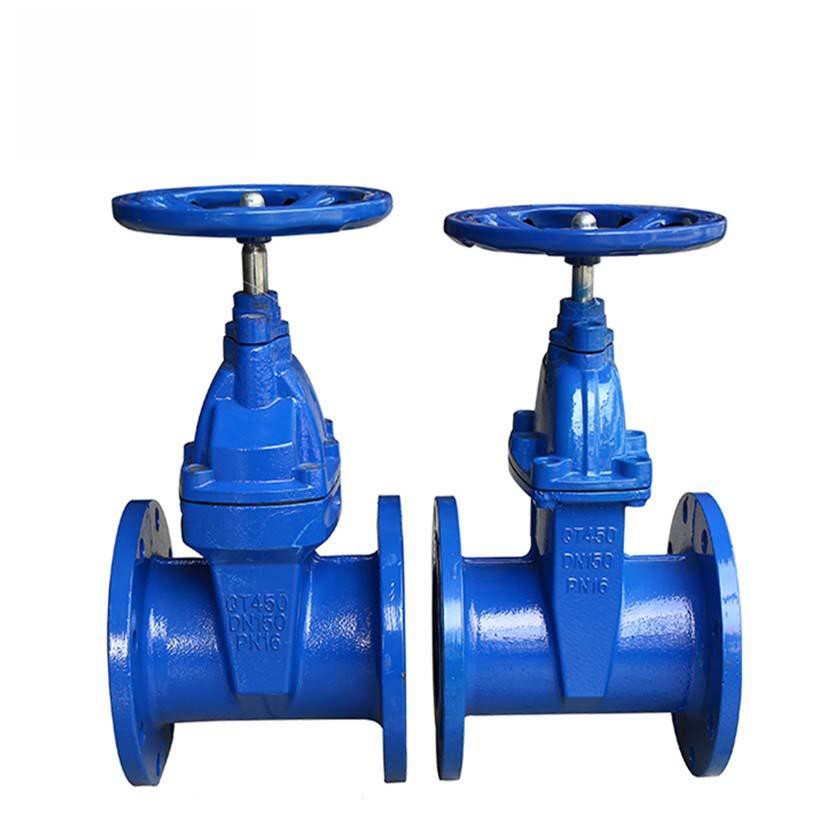
Performance & Engineering
The performance of a DB&B needle valve hinges on its ability to provide complete and verifiable isolation. Force analysis focuses on the stem thrust required to maintain seal integrity under high pressure and the torque necessary for smooth operation. The valve’s design must account for thermal expansion and contraction of materials to prevent binding or leakage. Environmental resistance is paramount; materials must withstand temperature fluctuations, exposure to corrosive atmospheres, and potential for erosion from particulate matter in the fluid stream. Compliance requirements are heavily influenced by industry standards such as ASME B31.3 (Process Piping), PED (Pressure Equipment Directive) for European markets, and API 598 (Valve Inspection and Testing). Functional implementation involves careful consideration of the valve’s position within the process piping system. Proper support is required to prevent undue stress on the valve body. Leak testing is a critical aspect of quality assurance, utilizing helium leak testing to detect leakage rates as low as 1 x 10⁻⁶ SCCM (Standard Cubic Centimeters per Minute). The bleed port allows for confirmation of isolation via a pressure gauge or analytical instrument. Cavitation and flashing, if present in the process fluid, must be considered during valve selection to prevent erosion damage. The valve’s Cv (flow coefficient) must be appropriately sized to accommodate the required flow rate without excessive pressure drop.
Technical Specifications
| Parameter | Specification Range | Testing Standard | Material Options |
|---|---|---|---|
| Pressure Rating (PSI) | Up to 10,000 PSI | API 598 | 316/316L SS, Alloy 20, Hastelloy C-276 |
| Temperature Range (°F) | -328°F to 850°F (-199°C to 454°C) | ASTM E831 | Dependent on body/seal materials |
| Leakage Rate (SCCM) | ≤ 0.1 SCCM (typical, Helium Leak Test) | ASTM E775 | PTFE, PEEK, Reinforced PTFE |
| Connection Type | NPT, BSP, Socket Weld, Butt Weld | ASME B1.20.1 | Varies by application |
| Body Material | 316/316L Stainless Steel, Alloy 20, Hastelloy C-276, Monel 400 | ASTM A240 | Selected based on fluid compatibility |
| Seat Material | PTFE, PEEK, Reinforced PTFE | ASTM D5748 | Chosen for temperature and chemical resistance |
Failure Mode & Maintenance
Common failure modes for DB&B needle valves include seat erosion due to particulate matter, stem packing failure leading to leakage, stem bending or breakage from excessive force, and body corrosion. Fatigue cracking can occur in the body under cyclic loading conditions. Delamination of PTFE seats can result in increased leakage rates. Oxidation of metal components at high temperatures can lead to material degradation. Failure analysis often reveals issues related to improper material selection for the application, insufficient lubrication, or exceeding the valve’s pressure/temperature limits. Maintenance procedures involve regular inspection of the stem packing for signs of leakage, periodic lubrication of the stem threads, and replacement of worn seats or packing. Non-destructive testing (NDT) methods like liquid penetrant inspection can identify surface cracks. In cases of severe corrosion, complete valve replacement may be necessary. Proper installation, including adequate support and alignment within the piping system, is crucial for preventing premature failure. Following a preventative maintenance schedule and maintaining detailed records of inspections and repairs can significantly extend valve life and ensure continued process safety. Regular operation of the bleed valve is vital to confirm isolation and prevent buildup of debris between the seals.
Industry FAQ
Q: What is the primary benefit of a DB&B valve over a single block valve in a hazardous application?
A: The DB&B configuration provides a significantly higher level of safety. A single block valve failure can result in process fluid release. With a DB&B valve, even if the first valve fails, the second valve remains closed, and the bleed port allows for verification of complete isolation, preventing hazardous releases.
Q: What materials are best suited for handling highly corrosive fluids like hydrofluoric acid?
A: For extremely corrosive fluids like hydrofluoric acid, Hastelloy C-276 or Monel 400 are typically recommended for the valve body and wetted parts. The seat material should be a high-purity PTFE or a specialized fluoropolymer blend that exhibits excellent chemical resistance.
Q: What is the typical leakage rate achievable with a properly installed and maintained DB&B valve?
A: A properly installed and maintained DB&B valve, tested using a helium leak test, can achieve leakage rates as low as 0.1 SCCM or even lower. This is critical for applications where fugitive emissions are a concern.
Q: How important is the proper sizing of the bleed port?
A: The bleed port size is crucial. Too small, and it restricts the flow needed to verify isolation or relieve trapped pressure. Too large, and it can compromise the valve’s overall pressure rating. Sizing calculations should be performed based on the process conditions and valve specifications.
Q: What certifications should I look for when sourcing DB&B valves from Chinese manufacturers?
A: Look for manufacturers with ISO 9001 certification to ensure quality management systems are in place. Additional certifications like PED (for European markets) and API Q1 are also highly desirable. Material test reports (MTRs) confirming material traceability are essential.
Conclusion
The china double block and bleed needle valve represents a sophisticated and essential component for process industries prioritizing safety and reliability. Its multi-layered sealing mechanism, coupled with robust material selection and stringent manufacturing processes, provides unparalleled isolation capabilities. Understanding the material science, performance characteristics, and potential failure modes is critical for ensuring optimal valve selection, installation, and maintenance.
As process complexity increases and environmental regulations become more stringent, the demand for high-performance DB&B valves will continue to grow. Manufacturers in China are increasingly capable of meeting these demands through continuous investment in technology and quality control. Future developments will likely focus on improved seat materials, automated testing procedures, and the integration of smart monitoring technologies to provide real-time valve status and predictive maintenance capabilities.
-
Top Reasons to Choose a Stainless Steel Flange Check Valve for Industrial Applications
-
Flange Square Performance Analysis
-
flanged butterfly valve Performance Analysis
-
flanged gate valve Material Science Manufacturing
-
Pinion Flange Performance Analysis
-
Precision flange Performance Analysis
-
Stub End Flange Performance Analysis
-
Turbo Exhaust Flange Material Analysis
-
Shaft collar flange Performance Analysis
-
butterfly valve flanged Performance Analysis
-
flange butterfly valves Performance Engineering
-
flanged butterfly valves Performance Analysis
-
flanged gate valves Performance Analysis
-
Flanges for butterfly valves Material Analysis
-
gate valve flange Performance Analysis
 Afrikaans
 Albanian
 Amharic
 Arabic
 Armenian
 Azerbaijani
 Basque
 Belarusian
 Bengali
 Bosnian
 Bulgarian
 Catalan
 Cebuano
 Corsican
 Croatian
 Czech
Czech
 Danish
 Dutch
Dutch
 Esperanto
 Estonian
 Finnish
 French
 Frisian
 Galician
 Georgian
 German
 Greek
Greek
 Gujarati
 Haitian Creole
 Hausa
Hawaiian
Hausa
Hawaiian
 Hebrew
 Hindi
Hindi
 Miao
Miao
 Hungarian
 Icelandic
 Igbo
Igbo
 Indonesian
 Irish
Irish
 Italian
 Japanese
 Javanese
Kannada
Javanese
Kannada
 Kazakh
 Khmer
Khmer
 Rwandese
 Korean
 Kurdish
 Kyrgyz
 Lao
Lao
 Latin
Latin
 Latvian
 Lithuanian
 Luxembourgish
 Macedonian
 Malgashi
 Malay
Malay
 Malayalam
 Maltese
 Maori
Maori
 Marathi
 Mongolian
 Myanmar
 Nepali
 Norwegian
 Norwegian
 Occitan
 Pashto
 Persian
 Polish
 Portuguese
Punjabi
Portuguese
Punjabi
 Romanian
 Russian
 Samoan
 Scottish Gaelic
 Serbian
 Sesotho
 Shona
Shona
 Sindhi
 Sinhala
 Slovak
 Slovenian
 Somali
 Spanish
 Sundanese
 Swahili
 Swedish
Tagalog
Swedish
Tagalog
 Tajik
Tajik
 Tamil
Tamil
 Tatar
Tatar
 Telugu
 Thai
Thai
 Turkish
 Turkmen
 Ukrainian
 Urdu
Urdu
 Uighur
 Uzbek
Uzbek
 Vietnamese
 Welsh
Welsh
 Bantu
Bantu
 Yiddish
 Yoruba
 Zulu
Zulu
 English