




china double flanged butterfly valve Performance Engineering
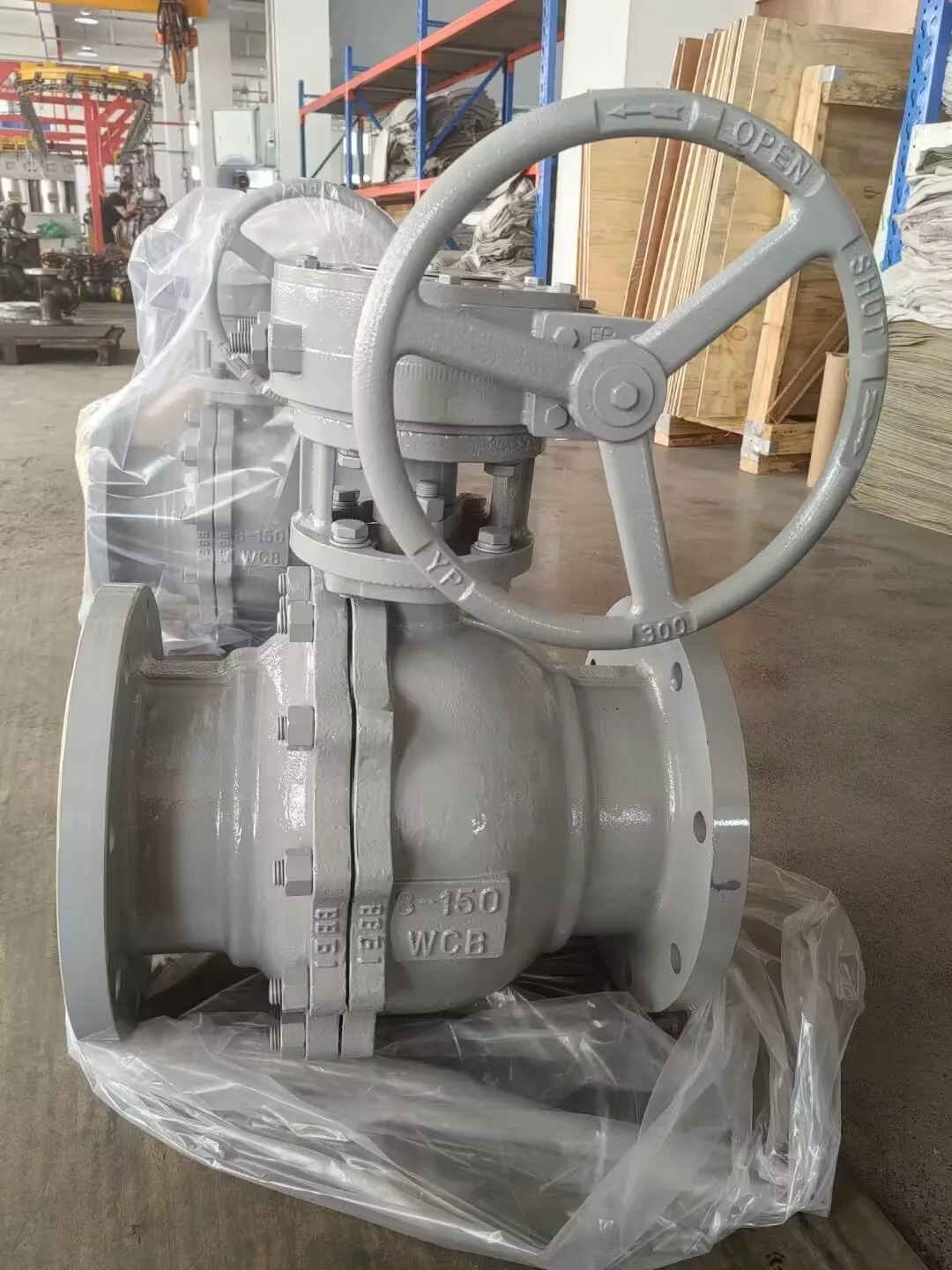
Introduction
The China Double Flanged Butterfly Valve is a crucial component in fluid handling systems across diverse industries, including water treatment, chemical processing, power generation, and oil & gas. Characterized by its bi-directional flow capability and relatively compact design, it offers an efficient and cost-effective solution for regulating and isolating fluid flow. Positioned between pipeline sections using bolted flanges, it provides a secure and leak-proof connection. Core performance characteristics include tight shut-off, minimal pressure drop when fully open, and robust construction capable of withstanding significant operational stresses. Unlike gate valves, butterfly valves offer faster operational speed; unlike ball valves, they often provide superior throttling control in larger diameter pipelines. The ‘China’ designation references the predominant manufacturing origin, known for competitive pricing and increasing quality control standards.
Material Science & Manufacturing
The body of a China Double Flanged Butterfly Valve is commonly constructed from ductile iron (QT450-10) due to its excellent strength, ductility, and corrosion resistance. Stainless steel (304, 316, or duplex grades) is employed for applications requiring higher chemical resistance or operating temperatures. Disc materials typically mirror the body material, with options for PTFE, EPDM, or NBR lining to enhance sealing performance and compatibility with various fluids. Flange materials are generally carbon steel (ASTM A105) or stainless steel. Manufacturing begins with casting or forging the valve body. The disc is precision-machined to ensure accurate flow control and minimal leakage. A critical step is the application of the seat material, often achieved through vulcanization or adhesive bonding. The stem, connecting the disc to the operator (handwheel, gearbox, or actuator), requires precise alignment and smooth surface finish for reliable operation. Key parameter control during manufacturing includes dimensional accuracy (verified through Coordinate Measuring Machines - CMMs), material composition verification (using spectroscopic analysis), and hydrostatic testing to confirm pressure integrity. Surface treatment, such as epoxy coating, is commonly applied to prevent external corrosion. Welding processes, when used for flange attachment or component fabrication, must adhere to ASME Section IX standards for qualified welders and procedures.
Performance & Engineering
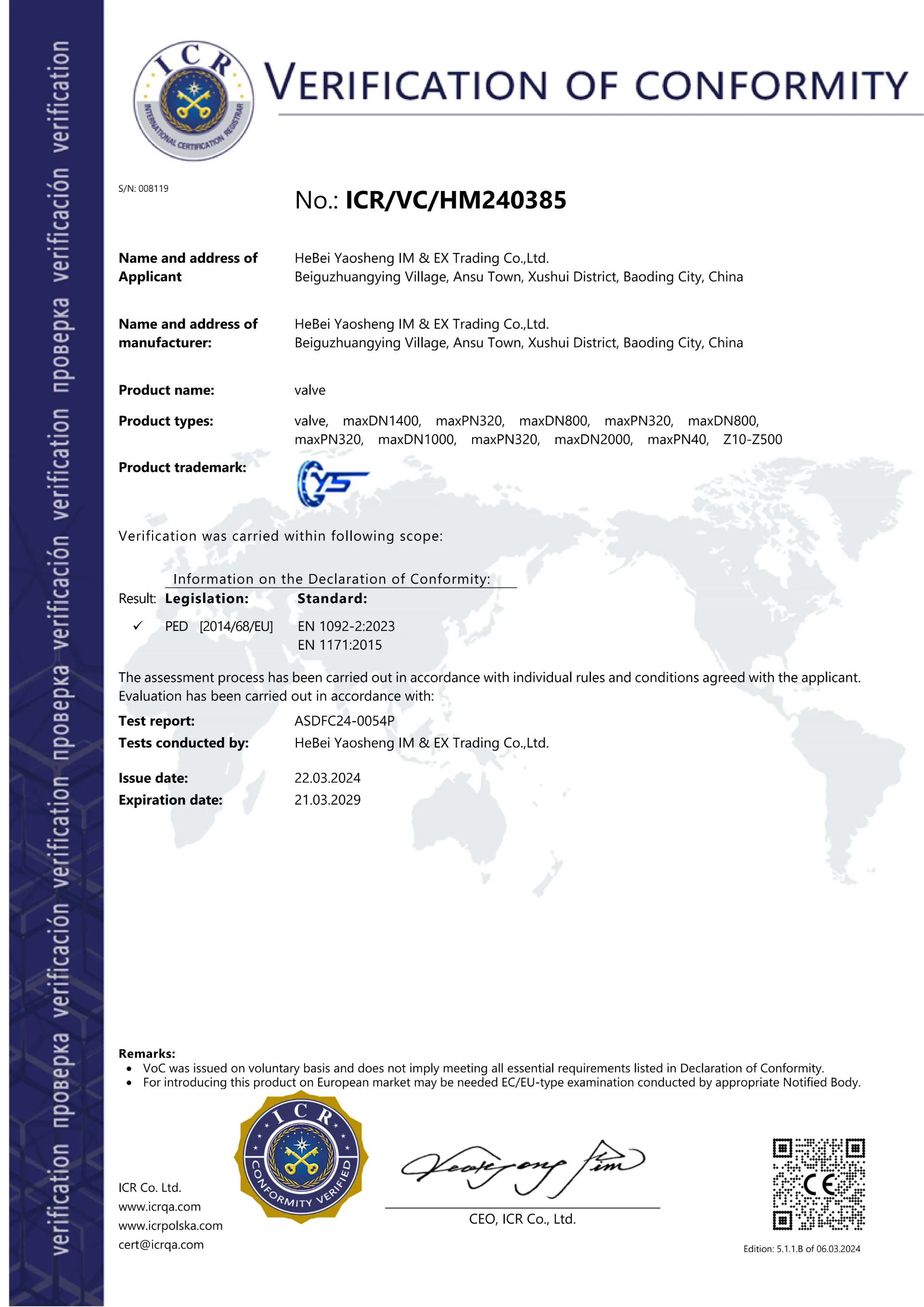
Performance of a double flanged butterfly valve is heavily influenced by torque requirements, which are determined by fluid properties (density, viscosity), pressure differential, and valve size. Force analysis is crucial to ensure the stem and disc can withstand these torques without deformation or failure. Environmental resistance is a key consideration; prolonged exposure to UV radiation, extreme temperatures, or corrosive atmospheres can degrade the seat material and compromise sealing. Compliance requirements vary by industry and region, but generally include pressure vessel directives (PED) and standards like API 609 for butterfly valves. Functional implementation involves careful selection of the actuator type (manual, pneumatic, electric, hydraulic) based on application needs. Pneumatic actuators offer rapid response times, while electric actuators provide precise control. Proper sizing of the valve is paramount to minimize pressure loss and prevent cavitation, a phenomenon that can cause significant erosion damage to the disc and body. The connection type (flanged) necessitates precise alignment during installation to avoid stresses on the valve body and flanges. Finite Element Analysis (FEA) is often used during the design phase to optimize the valve’s structural integrity and predict its performance under various operating conditions. Leakage class is a critical performance parameter, typically specified in accordance with ANSI/FCI 70-2 or EN 1759-1.
Technical Specifications
| Parameter | DN50 (2 inch) | DN100 (4 inch) | DN150 (6 inch) | DN200 (8 inch) |
|---|---|---|---|---|
| Maximum Pressure (PN) | 16 Bar | 10 Bar | 6 Bar | 4 Bar |
| Temperature Range | -10°C to 120°C | -10°C to 120°C | -10°C to 80°C | -10°C to 80°C |
| Valve Seat Material | EPDM | EPDM/PTFE | PTFE | PTFE |
| Body Material | Ductile Iron QT450-10 | Ductile Iron QT450-10 | Ductile Iron QT450-10 | Carbon Steel |
| Flange Standard | JB/T 79.1-1999 | JB/T 79.1-1999 | ASME B16.42 | ASME B16.42 |
| Leakage Rate | 0.1 ml/min/m | 0.05 ml/min/m | 0.01 ml/min/m | 0.01 ml/min/m |
Failure Mode & Maintenance
Common failure modes in China Double Flanged Butterfly Valves include seat erosion (caused by abrasive particles in the fluid stream), disc corrosion (especially in aggressive chemical environments), stem seal leakage (resulting from wear or degradation of packing materials), and flange bolt loosening (due to vibration or thermal cycling). Fatigue cracking can occur in the disc or body under cyclic loading. Delamination of the seat lining is another potential issue, leading to increased leakage. Oxidation of metal components can contribute to corrosion. Regular maintenance is crucial to prevent these failures. This includes periodic inspection of the stem seal and replacement of packing as needed. Torque checks on flange bolts should be performed to ensure proper clamping force. Visual inspection for signs of corrosion or erosion is essential. Preventive maintenance schedules should be established based on operating conditions and fluid characteristics. In the event of a leak, the valve should be shut down immediately and the seat inspected. Replacement of worn components is often necessary to restore proper functionality. Non-destructive testing (NDT) methods, such as ultrasonic testing or radiographic testing, can be used to detect internal flaws in the valve body or disc. Proper lubrication of the stem and bearings is also important to ensure smooth operation.
Industry FAQ
Q: What is the primary advantage of a double flanged butterfly valve over a gate valve in terms of operational speed?
A: Butterfly valves offer significantly faster operational speed compared to gate valves. Gate valves rely on lifting a gate out of the flow path, a process that takes considerable time, especially in larger diameters. Butterfly valves, conversely, rotate a disc, enabling quicker opening and closing cycles. This rapid response is critical in applications requiring frequent valve actuation, such as process control systems.
Q: What material selection considerations are crucial when handling highly corrosive fluids?
A: When handling highly corrosive fluids, the primary consideration is material compatibility. Ductile iron bodies are generally not suitable for strong acids or bases. Stainless steel (316 or duplex grades) is often preferred, along with PTFE or other chemically resistant seat materials. Careful evaluation of the fluid's chemical composition and operating temperature is essential to avoid corrosion-induced failure.
Q: How does valve sizing impact overall system efficiency and prevent cavitation?
A: Incorrect valve sizing can lead to significant energy losses and premature valve failure. An undersized valve creates excessive pressure drop, increasing pump load and potentially causing cavitation. An oversized valve provides poor throttling control. Proper sizing requires accurate determination of flow rate, fluid properties, and pressure differential, utilizing appropriate sizing equations and consulting manufacturer’s data.
Q: What are the key differences between EPDM and PTFE seat materials in terms of temperature and chemical resistance?
A: EPDM offers good elasticity and resistance to water, steam, and dilute acids. However, its temperature range is limited (typically -50°C to 150°C) and it’s not suitable for strong solvents or hydrocarbons. PTFE exhibits excellent chemical resistance to virtually all chemicals and a wider temperature range (-200°C to 260°C), but it has lower elasticity and can be more prone to creep under high loads.
Q: What role does non-destructive testing (NDT) play in ensuring the long-term reliability of a butterfly valve?
A: NDT methods, such as ultrasonic testing (UT) and radiographic testing (RT), are crucial for detecting internal flaws (cracks, voids, inclusions) that may not be visible through visual inspection. UT uses sound waves to identify subsurface defects, while RT uses X-rays to create an image of the valve's internal structure. Regular NDT inspections can help identify potential failure points before they lead to catastrophic failures, enhancing overall system reliability.
Conclusion
The China Double Flanged Butterfly Valve represents a versatile and cost-effective solution for fluid control across numerous industrial applications. Its performance is inextricably linked to careful material selection, precise manufacturing processes, and adherence to stringent quality control standards. Understanding the potential failure modes and implementing a robust preventative maintenance program are essential to maximizing its service life and ensuring reliable operation.
Future advancements in butterfly valve technology are likely to focus on improved sealing materials, optimized disc designs for reduced pressure drop, and the integration of smart sensors for remote monitoring and predictive maintenance. As industries increasingly prioritize efficiency and sustainability, the demand for high-performance, durable, and environmentally responsible butterfly valves will continue to grow.
-
Top Reasons to Choose a Stainless Steel Flange Check Valve for Industrial Applications
-
24vdc solenoid valve Performance Analysis
-
24vdc solenoid valves Performance Analysis
-
solenoid valves 24vdc Performance Analysis
-
solenoid valve 24 vdc Performance Analysis
-
24v dc solenoid valve Performance Analysis
-
circle seal check valve Performance Engineering
-
circle seal check valves Performance Analysis
-
cryogenic check valve Performance Analysis
-
3 swing check valve Performance Analysis
-
4 wafer check valve Performance Analysis
-
6 wafer check valve Performance Analysis
-
cryogenic check valves Performance Analysis
-
soft seated check valve Performance Analysis
-
3/4 check valve Performance Analysis
 Afrikaans
 Albanian
 Amharic
 Arabic
 Armenian
 Azerbaijani
 Basque
 Belarusian
 Bengali
 Bosnian
 Bulgarian
 Catalan
 Cebuano
 Corsican
 Croatian
 Czech
Czech
 Danish
 Dutch
Dutch
 Esperanto
 Estonian
 Finnish
 French
 Frisian
 Galician
 Georgian
 German
 Greek
Greek
 Gujarati
 Haitian Creole
 Hausa
Hawaiian
Hausa
Hawaiian
 Hebrew
 Hindi
Hindi
 Miao
Miao
 Hungarian
 Icelandic
 Igbo
Igbo
 Indonesian
 Irish
Irish
 Italian
 Japanese
 Javanese
Kannada
Javanese
Kannada
 Kazakh
 Khmer
Khmer
 Rwandese
 Korean
 Kurdish
 Kyrgyz
 Lao
Lao
 Latin
Latin
 Latvian
 Lithuanian
 Luxembourgish
 Macedonian
 Malgashi
 Malay
Malay
 Malayalam
 Maltese
 Maori
Maori
 Marathi
 Mongolian
 Myanmar
 Nepali
 Norwegian
 Norwegian
 Occitan
 Pashto
 Persian
 Polish
 Portuguese
Punjabi
Portuguese
Punjabi
 Romanian
 Russian
 Samoan
 Scottish Gaelic
 Serbian
 Sesotho
 Shona
Shona
 Sindhi
 Sinhala
 Slovak
 Slovenian
 Somali
 Spanish
 Sundanese
 Swahili
 Swedish
Tagalog
Swedish
Tagalog
 Tajik
Tajik
 Tamil
Tamil
 Tatar
Tatar
 Telugu
 Thai
Thai
 Turkish
 Turkmen
 Ukrainian
 Urdu
Urdu
 Uighur
 Uzbek
Uzbek
 Vietnamese
 Welsh
Welsh
 Bantu
Bantu
 Yiddish
 Yoruba
 Zulu
Zulu
 English