




china flanges for butterfly valves Material Performance
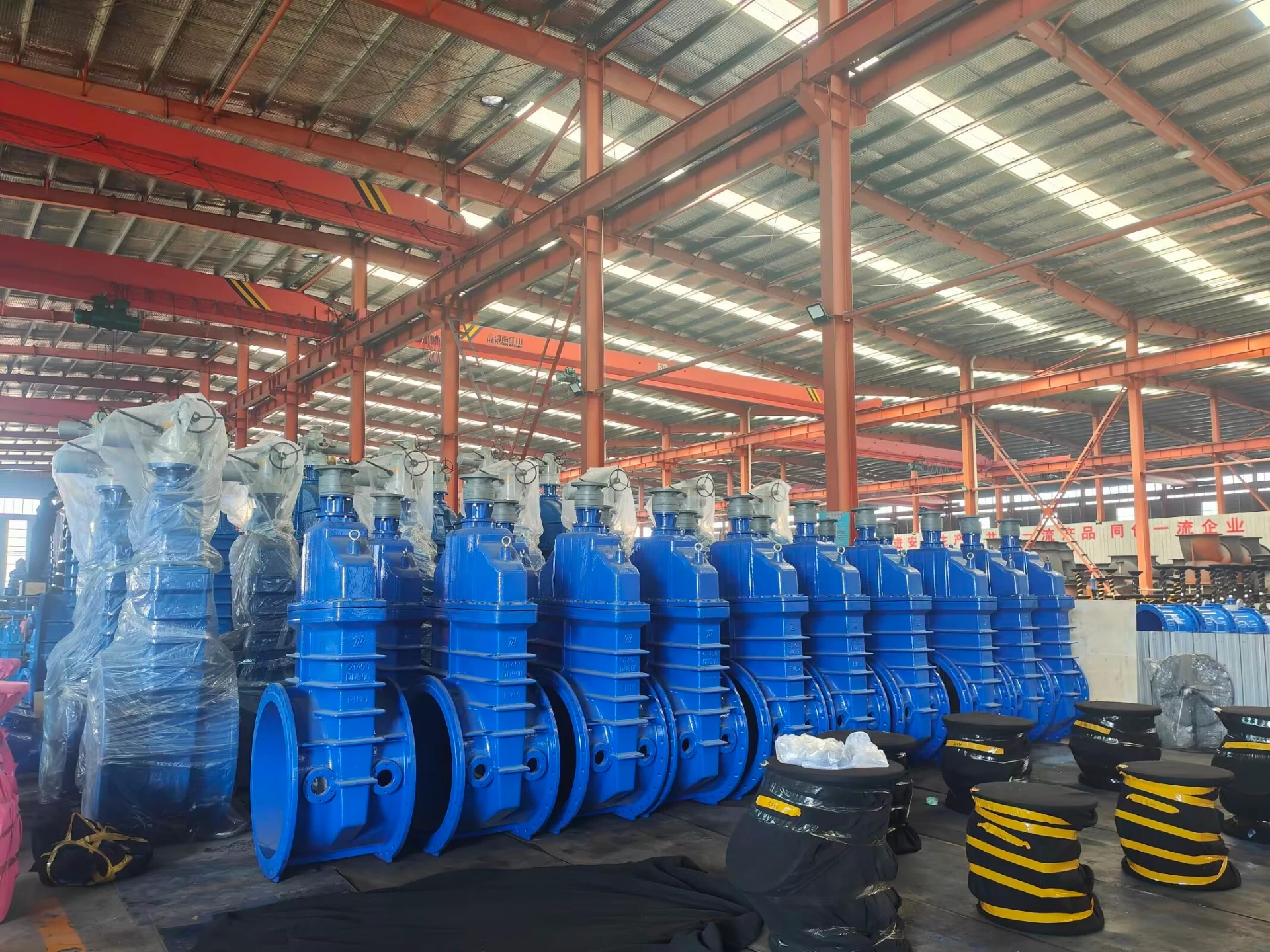
Introduction
China flanges for butterfly valves represent a critical component in fluid handling systems across numerous industries, including water treatment, chemical processing, power generation, and HVAC. Functioning as the connecting interface between the butterfly valve and the piping system, these flanges ensure leak-proof sealing and structural integrity under varying operational pressures and temperatures. The manufacturing landscape in China has become a significant global supplier of these flanges, leveraging cost-effective production and increasingly stringent quality control measures. This guide provides a detailed technical overview of these flanges, covering material science, manufacturing processes, performance characteristics, failure modes, and relevant industry standards. A key industry pain point centers around ensuring long-term corrosion resistance in aggressive fluid environments and maintaining dimensional accuracy to prevent valve malfunction and system leaks. Material selection and precise machining are therefore paramount considerations.
Material Science & Manufacturing
China flanges for butterfly valves are typically manufactured from carbon steel (ASTM A105, equivalent to GB/T 1220), stainless steel (304/304L, 316/316L – ASTM A182 F304/F304L, F316/F316L; GB/T 1220), or alloy steel (ASTM A182 F11, F22). Carbon steel provides cost-effectiveness for non-corrosive applications, however its susceptibility to corrosion necessitates protective coatings like epoxy or galvanization. Stainless steels, particularly 316/316L, offer superior corrosion resistance due to the addition of molybdenum, making them ideal for chemical processing and marine environments. Alloy steels are employed in high-temperature and high-pressure applications. Manufacturing commences with raw material sourcing, followed by forging or casting to create the flange blank. Critical parameters include the chemical composition verification of the raw material via spectroscopic analysis (e.g., Optical Emission Spectrometry - OES) to ensure adherence to specified standards. The flange blank undergoes machining – turning, milling, and drilling – to achieve precise dimensions and flatness. Welding processes, such as Shielded Metal Arc Welding (SMAW) or Gas Tungsten Arc Welding (GTAW), are often used for hub reinforcement or for fabricating larger flange sizes. Post-weld heat treatment (PWHT) is crucial for stress relief and to restore the material's mechanical properties. Non-destructive testing (NDT), including radiographic testing (RT), ultrasonic testing (UT), and dye penetrant inspection (DPI), are conducted to detect any internal or surface defects. Finally, surface finishing, including sandblasting and painting, provides further corrosion protection and aesthetic appeal. Dimensional accuracy is maintained via the use of Coordinate Measuring Machines (CMMs).
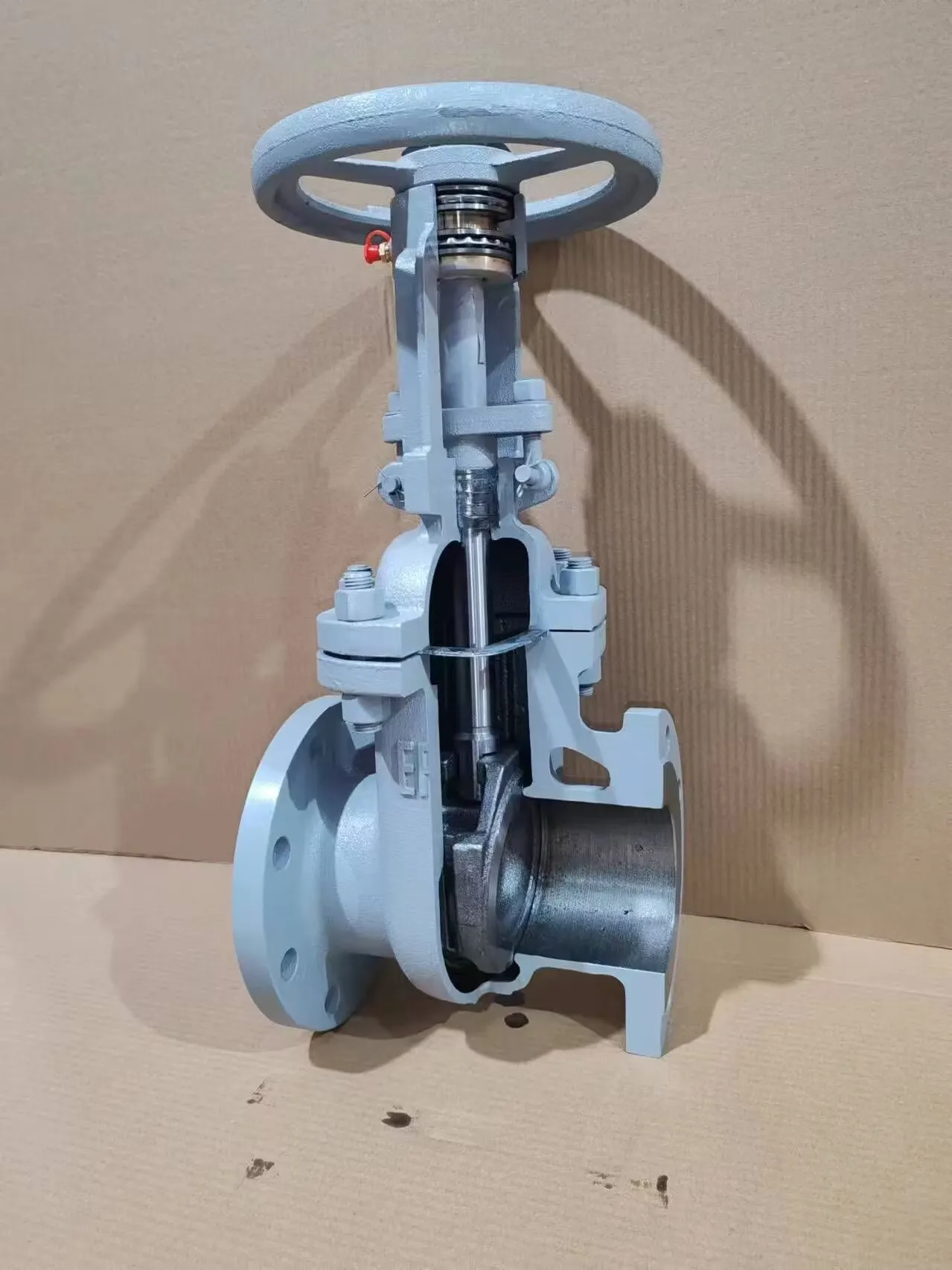
Performance & Engineering
The performance of China flanges for butterfly valves is governed by several key engineering considerations. Firstly, pressure-temperature ratings, defined by standards like ASME B16.5 or EN 1092-1, dictate the maximum allowable operating conditions. Flange face types (Raised Face, Flat Face, Ring Type Joint) impact sealing efficiency; Raised Face is common for moderate pressure applications, while Ring Type Joints are used for high-pressure, high-temperature services. Bolt circle diameter and bolt hole size are critical for ensuring proper clamping force and preventing leaks. Force analysis considers the tensile stress on the bolts and the compressive stress on the gasket. Finite Element Analysis (FEA) is frequently employed to simulate stress distribution under varying load conditions. Environmental resistance involves evaluating the flange's ability to withstand corrosion, erosion, and temperature fluctuations. Cathodic protection may be necessary in highly corrosive environments. Compliance requirements mandate adherence to relevant industry standards and regulations, including those related to material traceability, pressure vessel safety, and environmental protection. Leakage tests, typically utilizing pneumatic or hydrostatic pressure, are performed to verify the flange's sealing integrity. The material’s yield strength and tensile strength are crucial parameters as they determine the flange’s ability to withstand operational loads without permanent deformation or fracture.
Technical Specifications
| Parameter | ASTM A105 Carbon Steel | ASTM A182 F304/304L Stainless Steel | ASTM A182 F316/316L Stainless Steel | EN 1092-1 DN100, PN16 |
|---|---|---|---|---|
| Material | Carbon Steel | 304/304L Stainless Steel | 316/316L Stainless Steel | Carbon Steel/Stainless Steel (specified by order) |
| Pressure Rating (PN) | Up to PN100 | Up to PN100 | Up to PN100 | Up to PN16 |
| Temperature Range (°C) | -20 to 370 | -196 to 425 | -196 to 450 | -20 to 120 |
| Face Type | Raised Face (RF) / Flat Face (FF) | Raised Face (RF) / Flat Face (FF) | Raised Face (RF) / Flat Face (FF) | Raised Face (RF) / Flat Face (FF) |
| Bolt Hole Diameter (mm) | 18-24 (dependent on flange size) | 18-24 (dependent on flange size) | 18-24 (dependent on flange size) | 18-24 (dependent on flange size) |
| Surface Roughness (Ra, μm) | ≤3.2 | ≤1.6 | ≤1.6 | ≤3.2 |
Failure Mode & Maintenance
China flanges for butterfly valves are susceptible to several failure modes. Corrosion, particularly pitting corrosion and crevice corrosion, is a common issue in aggressive environments, leading to material loss and eventual leakage. Bolted joint failure can occur due to bolt loosening, bolt fatigue (from cyclic loading), or gasket degradation. Fatigue cracking can initiate at stress concentration points, such as bolt holes or weld toes, and propagate under cyclic loading. Erosion, caused by abrasive particles in the fluid stream, can damage the flange surface, leading to material thinning. Thermal cycling can induce thermal stresses, leading to flange distortion or cracking. To mitigate these failures, regular inspection is crucial. Visual inspection should check for signs of corrosion, cracking, or deformation. Bolt torque verification ensures proper clamping force. Gasket replacement should be performed periodically to maintain sealing integrity. Non-destructive testing (NDT) methods, such as ultrasonic testing (UT) and radiographic testing (RT), can detect internal flaws. Protective coatings should be reapplied as needed to prevent corrosion. Maintenance schedules should be tailored to the specific operating environment and fluid characteristics. For stainless steel flanges, passivation treatments can enhance corrosion resistance. Proper lubrication of bolts prevents galling and facilitates future disassembly.
Industry FAQ
Q: What is the primary difference between ASTM A105 and ASTM A182 F304 flanges in terms of corrosion resistance?
A: ASTM A105 carbon steel flanges lack inherent corrosion resistance and require protective coatings. ASTM A182 F304 stainless steel flanges possess significantly higher corrosion resistance due to their chromium content (typically 18-20%), forming a passive chromium oxide layer. F304 is suitable for many general-purpose applications, while more aggressive environments may necessitate F316 with its added molybdenum content.
Q: How does the flange face type impact the sealing performance?
A: Raised Face (RF) flanges provide a tighter seal for moderate pressures by creating a contact area between the raised faces. Flat Face (FF) flanges are typically used for mating with flat-faced valves or for lower-pressure applications. Ring Type Joint (RTJ) flanges, with their metal-to-metal contact, are designed for very high pressures and temperatures.
Q: What is the importance of post-weld heat treatment (PWHT)?
A: PWHT relieves residual stresses induced during welding, improving the flange's ductility and resistance to stress corrosion cracking. It also restores the material's original mechanical properties, enhancing its overall strength and toughness.
Q: What NDT methods are commonly used for flange inspection?
A: Common NDT methods include Radiographic Testing (RT) for detecting internal flaws, Ultrasonic Testing (UT) for flaw detection and material thickness measurement, Dye Penetrant Inspection (DPI) for detecting surface cracks, and Magnetic Particle Inspection (MPI) for detecting surface and near-surface flaws in ferromagnetic materials.
Q: What are the typical causes of bolt failure in flanged connections?
A: Bolt failure can result from several factors, including insufficient bolt torque, bolt fatigue due to cyclic loading, corrosion of the bolts, improper bolt material selection, and gasket failure leading to increased bolt stress.
Conclusion
China flanges for butterfly valves are integral components in numerous industrial applications, demanding meticulous attention to material selection, manufacturing processes, and quality control. Stainless steel flanges, particularly those conforming to ASTM A182 F316/316L standards, provide superior corrosion resistance in demanding environments, while carbon steel flanges offer cost-effective solutions for less aggressive applications. Proper maintenance, including regular inspection, bolt torque verification, and gasket replacement, is critical for ensuring long-term reliability and preventing catastrophic failures.
The continued advancement of manufacturing techniques and materials science in China promises to further enhance the performance and durability of these flanges, making them increasingly competitive in the global market. Focus on adopting advanced NDT methodologies, implementing robust quality management systems, and adherence to international standards will be key to sustaining this growth and ensuring customer satisfaction. Ultimately, understanding the interplay between material properties, engineering principles, and operating conditions is paramount for optimizing the performance and longevity of China-manufactured butterfly valve flanges.
-
Top Reasons to Choose a Stainless Steel Flange Check Valve for Industrial Applications
-
24vdc solenoid valve Performance Analysis
-
24vdc solenoid valves Performance Analysis
-
solenoid valves 24vdc Performance Analysis
-
solenoid valve 24 vdc Performance Analysis
-
24v dc solenoid valve Performance Analysis
-
circle seal check valve Performance Engineering
-
circle seal check valves Performance Analysis
-
cryogenic check valve Performance Analysis
-
3 swing check valve Performance Analysis
-
4 wafer check valve Performance Analysis
-
6 wafer check valve Performance Analysis
-
cryogenic check valves Performance Analysis
-
soft seated check valve Performance Analysis
-
3/4 check valve Performance Analysis
 Afrikaans
 Albanian
 Amharic
 Arabic
 Armenian
 Azerbaijani
 Basque
 Belarusian
 Bengali
 Bosnian
 Bulgarian
 Catalan
 Cebuano
 Corsican
 Croatian
 Czech
Czech
 Danish
 Dutch
Dutch
 Esperanto
 Estonian
 Finnish
 French
 Frisian
 Galician
 Georgian
 German
 Greek
Greek
 Gujarati
 Haitian Creole
 Hausa
Hawaiian
Hausa
Hawaiian
 Hebrew
 Hindi
Hindi
 Miao
Miao
 Hungarian
 Icelandic
 Igbo
Igbo
 Indonesian
 Irish
Irish
 Italian
 Japanese
 Javanese
Kannada
Javanese
Kannada
 Kazakh
 Khmer
Khmer
 Rwandese
 Korean
 Kurdish
 Kyrgyz
 Lao
Lao
 Latin
Latin
 Latvian
 Lithuanian
 Luxembourgish
 Macedonian
 Malgashi
 Malay
Malay
 Malayalam
 Maltese
 Maori
Maori
 Marathi
 Mongolian
 Myanmar
 Nepali
 Norwegian
 Norwegian
 Occitan
 Pashto
 Persian
 Polish
 Portuguese
Punjabi
Portuguese
Punjabi
 Romanian
 Russian
 Samoan
 Scottish Gaelic
 Serbian
 Sesotho
 Shona
Shona
 Sindhi
 Sinhala
 Slovak
 Slovenian
 Somali
 Spanish
 Sundanese
 Swahili
 Swedish
Tagalog
Swedish
Tagalog
 Tajik
Tajik
 Tamil
Tamil
 Tatar
Tatar
 Telugu
 Thai
Thai
 Turkish
 Turkmen
 Ukrainian
 Urdu
Urdu
 Uighur
 Uzbek
Uzbek
 Vietnamese
 Welsh
Welsh
 Bantu
Bantu
 Yiddish
 Yoruba
 Zulu
Zulu
 English