




china float needle valve Performance Analysis

Introduction
The china float needle valve is a precision flow control device primarily utilized in liquid and gaseous applications demanding accurate regulation. Positioned within the broader valve industry, it represents a specialized subset offering high sensitivity and repeatability. Unlike gate valves or ball valves designed for on/off service, the float needle valve modulates flow based on the position of a buoyant float responding to fluid level changes. This makes it crucial in applications such as carburetors, level controllers, and dispensing systems. Core performance characteristics center around maintaining consistent flow rates despite pressure fluctuations and ensuring precise fluid delivery, contributing significantly to process efficiency and safety. Its increasing prominence in automated systems necessitates a comprehensive understanding of its materials, manufacturing, performance limitations, and maintenance protocols.
Material Science & Manufacturing
Float needle valves are commonly constructed from materials exhibiting excellent corrosion resistance and machinability. The valve body is frequently manufactured from brass (C36000, C46400) due to its affordability, ease of fabrication, and inherent resistance to water-based fluids. Stainless steel (304, 316) is employed in more demanding applications requiring resistance to aggressive chemicals or higher temperatures. The float itself is typically made from a hollow, lightweight material such as polypropylene (PP) or polytetrafluoroethylene (PTFE), selected for their buoyancy and chemical inertness. The needle, responsible for the precise flow restriction, is hardened steel, often coated with a wear-resistant material like tungsten carbide to minimize erosion.
Manufacturing processes vary based on production volume and material. Low-volume production often utilizes CNC machining for both the body and needle, allowing for tight tolerances and customization. High-volume production employs investment casting for the body, followed by precision grinding and polishing. The float is typically manufactured using injection molding. Critical parameter control during manufacturing involves maintaining concentricity between the needle and seat (typically within 0.002 inches), ensuring a smooth surface finish on the needle to minimize friction, and accurately calibrating the float's buoyancy. Post-manufacturing, rigorous quality control testing includes leak testing under pressure, flow rate verification, and dimensional inspection. The sealing material, often Viton or EPDM, undergoes compression set testing to ensure long-term seal integrity.
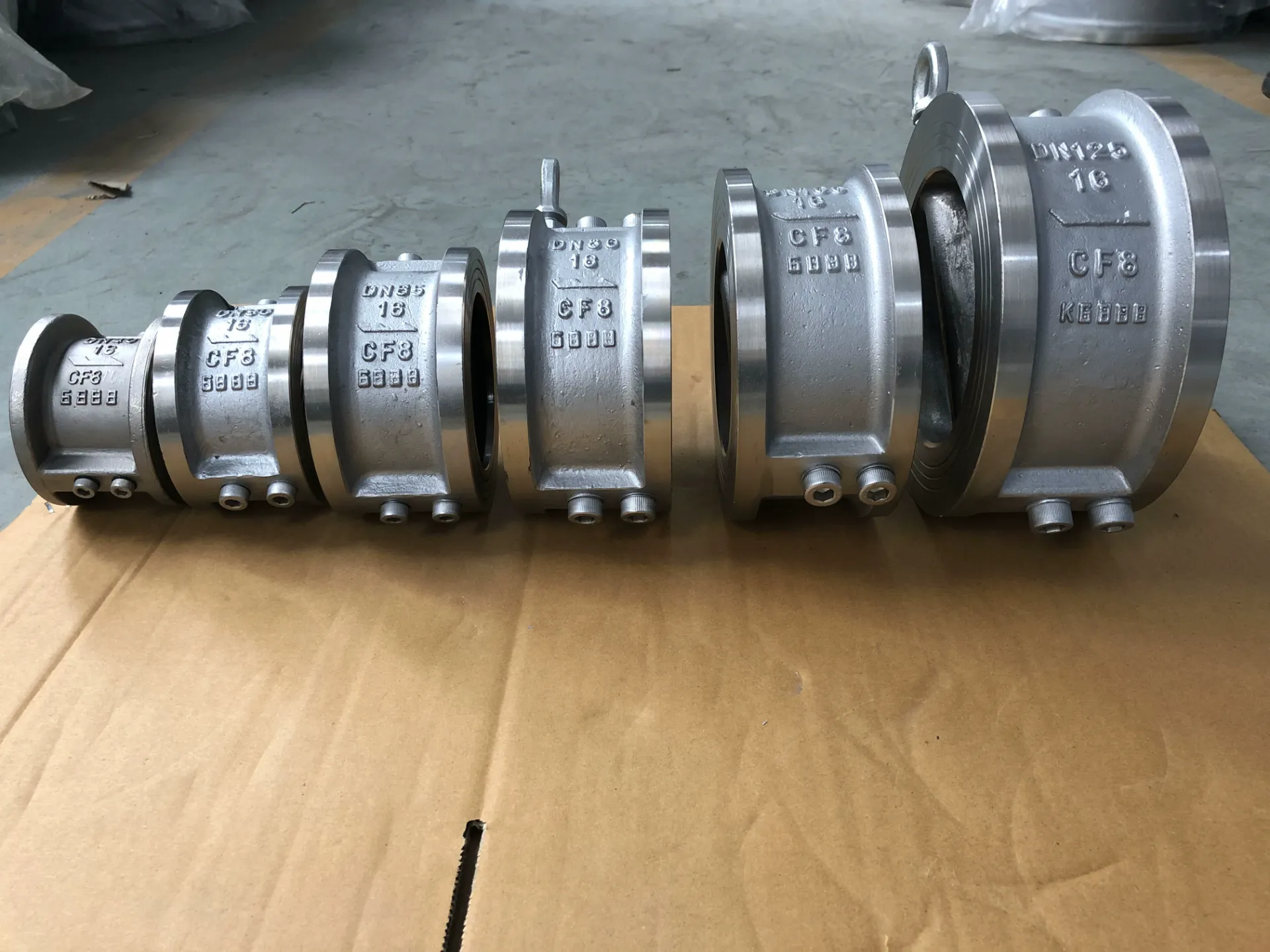
Performance & Engineering
The performance of a float needle valve is fundamentally governed by Bernoulli's principle and Archimedes' principle. As fluid flows through the restricted orifice created by the needle and seat, a pressure drop occurs, directly proportional to the square of the flow rate. The float, partially submerged in the fluid, experiences an upward buoyant force equal to the weight of the fluid displaced. This force opposes the downward force exerted by the float's weight and any attached linkages. Engineering considerations include the valve's flow coefficient (Cv), which quantifies the relationship between flow rate and pressure drop, and the hysteresis of the float's response, representing the difference in fluid level at which the valve begins to open and close.
Environmental resistance is a crucial performance factor. Exposure to extreme temperatures can affect the mechanical properties of the materials, leading to dimensional changes and potential seal failure. Chemical compatibility must be carefully considered; certain fluids can degrade the float material or corrode the valve body. Compliance requirements, such as those outlined in NSF/ANSI 61 for potable water systems or ATEX directives for hazardous environments, dictate material selection and design features. Functional implementation often involves integrating the valve with a feedback control system, utilizing sensors to monitor fluid level and adjust the valve position accordingly to maintain a desired setpoint. Force analysis on the float and needle assembly is critical to ensure stability and prevent chattering or oscillations.
Technical Specifications
| Parameter | Unit | Typical Value (Brass Body, PP Float) | Typical Value (SS316 Body, PTFE Float) |
|---|---|---|---|
| Maximum Pressure | PSI | 150 | 300 |
| Flow Coefficient (Cv) | - | 0.1 - 0.5 | 0.2 - 0.7 |
| Operating Temperature Range | °F | 32 - 212 | -4 - 392 |
| Connection Type | - | NPT, BSPT | NPT, BSPT |
| Orifice Size | inch | 1/8", 1/4", 3/8" | 1/8", 1/4", 3/8" |
| Float Material | - | Polypropylene (PP) | Polytetrafluoroethylene (PTFE) |
Failure Mode & Maintenance
Common failure modes in float needle valves include needle erosion due to high flow velocities or abrasive fluids, leading to increased leakage. Seat damage caused by particulate contamination or improper closing force can also result in leakage. Degradation of the float material (e.g., cracking of PP due to UV exposure or chemical attack) can disrupt buoyancy and lead to erratic flow control. Fatigue cracking of the valve body, particularly in brass models subjected to repeated pressure cycling, represents a more catastrophic failure. Oxidation and corrosion of metallic components can impede valve operation.
Preventative maintenance involves regular inspection for leaks, visual assessment of the float for damage, and cleaning of the valve body to remove debris. Periodic replacement of the needle and seat is recommended, especially in critical applications. Lubrication of the needle with a compatible lubricant (e.g., silicone grease) reduces friction and wear. For stainless steel valves, passivation treatment can restore corrosion resistance. If the valve is used in a dirty environment, installing an upstream filter is crucial to prevent particulate contamination. Failure analysis should focus on identifying the root cause of the failure (e.g., erosion, corrosion, material degradation) to implement corrective actions and prevent recurrence. A log of maintenance activities should be maintained to track valve performance and identify potential issues before they escalate.
Industry FAQ
Q: What is the impact of fluid viscosity on the performance of a float needle valve?
A: Increased fluid viscosity raises flow resistance, reducing the valve’s flow coefficient (Cv) and potentially affecting its responsiveness. Higher viscosity fluids require a larger orifice size or a valve designed to accommodate higher pressure drops to maintain the desired flow rate. Calibration may also be required to compensate for the change in fluid characteristics.
Q: How do I select the appropriate float material for a specific application?
A: Float material selection hinges on chemical compatibility with the fluid and the operating temperature. Polypropylene is suitable for many aqueous solutions, but PTFE is preferable for aggressive chemicals and higher temperatures. Consider the density of the fluid; a float material with lower density offers greater buoyancy, potentially improving sensitivity.
Q: What are the typical failure mechanisms associated with brass valve bodies?
A: Brass valve bodies are susceptible to dezincification, a form of corrosion where zinc is selectively leached from the alloy, weakening the material. Stress corrosion cracking can also occur under sustained tensile stress in corrosive environments. Regular inspection and potentially applying a protective coating can mitigate these risks.
Q: What level of precision is achievable with a float needle valve in terms of flow rate control?
A: Precision depends on factors such as valve size, needle finish, and float stability. Generally, a well-maintained float needle valve can achieve flow rate control within ±1-5% of the setpoint. Higher precision requires careful calibration and a stable operating environment.
Q: What are the advantages of using a stainless steel float needle valve over a brass counterpart?
A: Stainless steel offers superior corrosion resistance, making it ideal for aggressive chemical environments. It also exhibits higher strength and temperature resistance compared to brass. While more expensive, stainless steel valves provide a longer service life and reduced maintenance costs in demanding applications.
Conclusion
The china float needle valve represents a critical component in numerous fluid control applications, offering precise regulation and reliable performance. Its effectiveness is intrinsically linked to careful material selection, precision manufacturing, and a thorough understanding of the underlying engineering principles governing its operation. Recognizing potential failure modes and implementing proactive maintenance strategies are essential for maximizing valve lifespan and ensuring process integrity.
Future advancements in float needle valve technology are likely to focus on the integration of smart sensors and actuators, enabling remote monitoring and control. The development of new materials with improved corrosion resistance and wear properties will further enhance valve durability. Furthermore, advancements in computational fluid dynamics (CFD) modeling will allow for optimized valve designs tailored to specific application requirements, leading to increased efficiency and performance.
-
Top Reasons to Choose a Stainless Steel Flange Check Valve for Industrial Applications
-
Flange Square Performance Analysis
-
flanged butterfly valve Performance Analysis
-
flanged gate valve Material Science Manufacturing
-
Pinion Flange Performance Analysis
-
Precision flange Performance Analysis
-
Stub End Flange Performance Analysis
-
Turbo Exhaust Flange Material Analysis
-
Shaft collar flange Performance Analysis
-
butterfly valve flanged Performance Analysis
-
flange butterfly valves Performance Engineering
-
flanged butterfly valves Performance Analysis
-
flanged gate valves Performance Analysis
-
Flanges for butterfly valves Material Analysis
-
gate valve flange Performance Analysis
 Afrikaans
 Albanian
 Amharic
 Arabic
 Armenian
 Azerbaijani
 Basque
 Belarusian
 Bengali
 Bosnian
 Bulgarian
 Catalan
 Cebuano
 Corsican
 Croatian
 Czech
Czech
 Danish
 Dutch
Dutch
 Esperanto
 Estonian
 Finnish
 French
 Frisian
 Galician
 Georgian
 German
 Greek
Greek
 Gujarati
 Haitian Creole
 Hausa
Hawaiian
Hausa
Hawaiian
 Hebrew
 Hindi
Hindi
 Miao
Miao
 Hungarian
 Icelandic
 Igbo
Igbo
 Indonesian
 Irish
Irish
 Italian
 Japanese
 Javanese
Kannada
Javanese
Kannada
 Kazakh
 Khmer
Khmer
 Rwandese
 Korean
 Kurdish
 Kyrgyz
 Lao
Lao
 Latin
Latin
 Latvian
 Lithuanian
 Luxembourgish
 Macedonian
 Malgashi
 Malay
Malay
 Malayalam
 Maltese
 Maori
Maori
 Marathi
 Mongolian
 Myanmar
 Nepali
 Norwegian
 Norwegian
 Occitan
 Pashto
 Persian
 Polish
 Portuguese
Punjabi
Portuguese
Punjabi
 Romanian
 Russian
 Samoan
 Scottish Gaelic
 Serbian
 Sesotho
 Shona
Shona
 Sindhi
 Sinhala
 Slovak
 Slovenian
 Somali
 Spanish
 Sundanese
 Swahili
 Swedish
Tagalog
Swedish
Tagalog
 Tajik
Tajik
 Tamil
Tamil
 Tatar
Tatar
 Telugu
 Thai
Thai
 Turkish
 Turkmen
 Ukrainian
 Urdu
Urdu
 Uighur
 Uzbek
Uzbek
 Vietnamese
 Welsh
Welsh
 Bantu
Bantu
 Yiddish
 Yoruba
 Zulu
Zulu
 English