




china gate valve flanged Performance Analysis
Introduction
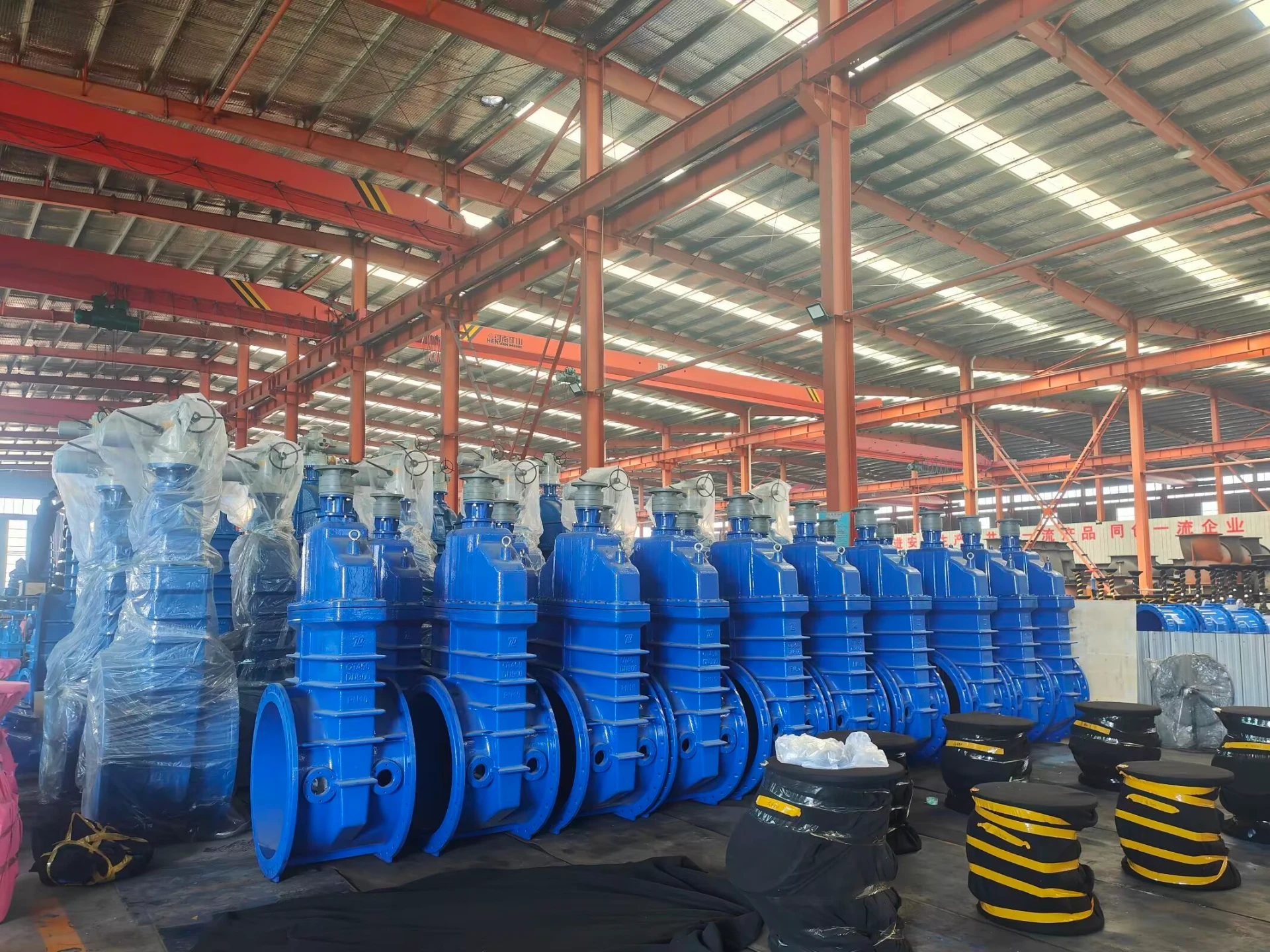
China flanged gate valves are unidirectional, isolating valves crucial in numerous industrial applications, particularly within water treatment, petrochemical, and oil & gas sectors. Positioned as a foundational component in pipeline systems, they regulate flow by employing a gate – typically a flat disc – that slides perpendicularly to the fluid stream. Unlike other valve types like ball or butterfly valves, gate valves offer minimal obstruction to flow when fully open, resulting in low pressure drop. These valves are categorized by their connection type (flanged), material of construction (cast iron, carbon steel, stainless steel, etc.), pressure rating, and actuation method (manual, gear-operated, pneumatic, or electric). A key distinguishing factor of Chinese-manufactured gate valves lies in their cost-effectiveness alongside increasing adherence to international quality standards. Performance is critically defined by leak tightness, seat integrity, and operability under varying temperature and pressure conditions. The manufacturing landscape in China has evolved, moving from primarily serving domestic needs to becoming a significant exporter to global markets. Understanding their construction, material properties, and operational limitations is paramount to ensure safe and reliable fluid handling.
Material Science & Manufacturing
The core materials for a China flanged gate valve include the body (typically cast iron, carbon steel – ASTM A216 WCB, or stainless steel – 304, 316), the gate (bronze, stainless steel, or ductile iron), the stem (stainless steel – 304, 316), and the seat (Nitrile rubber (NBR), EPDM, PTFE). Cast iron bodies, while cost-effective, are susceptible to corrosion and require protective coatings (epoxy resin). Carbon steel offers higher strength and temperature resistance but also necessitates corrosion protection, commonly achieved through internal epoxy lining. Stainless steel provides superior corrosion resistance, especially in aggressive environments. Gate material selection impacts erosion resistance; bronze gates are suitable for non-corrosive fluids, while stainless steel gates are preferred for harsher applications. Manufacturing begins with pattern making for the body casting. Molding, pouring, and subsequent machining are critical steps. Gate valves are often manufactured utilizing a vertical turning center and horizontal machining center. The stem undergoes precise threading for actuator connection. Seat materials are often applied using a vulcanization process, ensuring a secure and leak-proof seal. Flange surfaces are machined to conform to ANSI or DIN standards for dimensional accuracy. Non-destructive testing (NDT), including radiographic testing (RT) and ultrasonic testing (UT), is essential for weld integrity and detecting material flaws. Parameter control during casting (temperature, cooling rate) is crucial to minimize porosity and ensure structural integrity. Surface treatments, like painting, galvanizing, or epoxy coating, enhance corrosion resistance.
Performance & Engineering
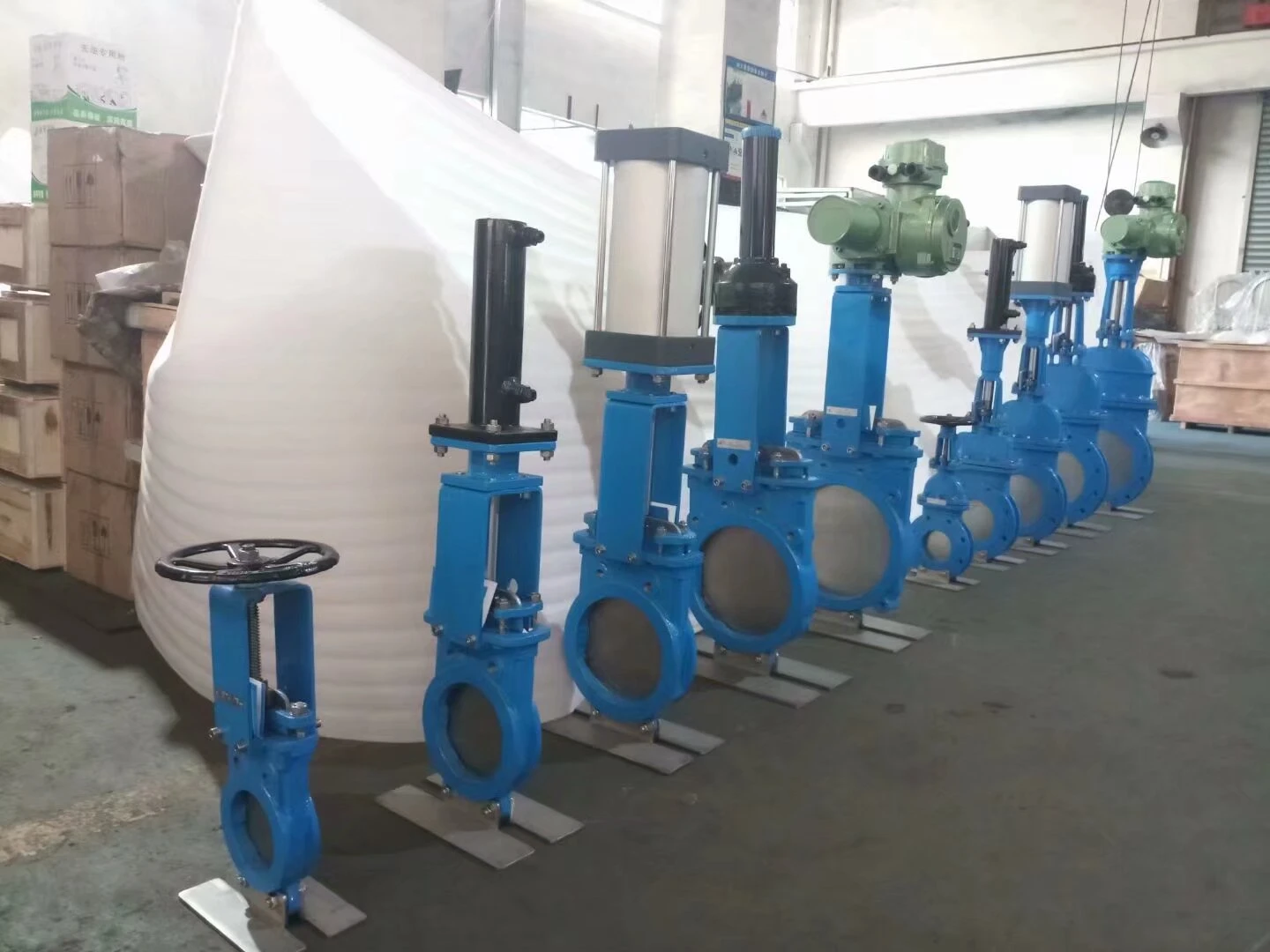
Performance analysis of flanged gate valves centers around pressure-temperature ratings, leakage control, and flow characteristics. The valve body must withstand the system's maximum operating pressure, often dictated by ASME B16.34 or EN 1092 standards. Pressure testing (hydrostatic and pneumatic) verifies structural integrity. Leakage is classified into seating classes (ANSI/FCI 70-2 – Class I-VI) defining permissible leakage rates. The stem packing design is critical for preventing stem leakage, employing materials like graphite or PTFE packing rings. Flow coefficient (Cv) dictates the valve's capacity to pass fluid; a higher Cv value indicates lower flow resistance. Force analysis during operation considers stem torque, actuator force, and seat loading. Environmental resistance necessitates material selection appropriate for the operating temperature, pH, and chemical composition of the fluid. Gate valves are susceptible to water hammer, particularly during rapid closure. Damping mechanisms or slow-closure actuators are employed to mitigate this phenomenon. Compliance requirements include adherence to PED (Pressure Equipment Directive) for European markets and API 600 for general valve standards. Finite Element Analysis (FEA) is increasingly utilized in design to optimize stress distribution and predict valve behavior under extreme conditions. Proper installation, ensuring correct alignment with the pipeline, is vital to prevent undue stress on the valve body and flanges.
Technical Specifications
| Parameter | Unit | ASTM A216 WCB (Carbon Steel) | ASTM A351 Grade CF8 (Stainless Steel 304) |
|---|---|---|---|
| Maximum Operating Pressure | PSI | 200 | 300 |
| Temperature Range | °F | -20 to 450 | -328 to 650 |
| Connection Standard | - | ANSI B16.5 | ANSI B16.5 |
| Seat Material Options | - | NBR, EPDM, PTFE | NBR, EPDM, PTFE |
| Actuation Type | - | Manual, Gear Operated, Pneumatic, Electric | Manual, Gear Operated, Pneumatic, Electric |
| Gate Material | - | Bronze Alloy C83600, Stainless Steel 304 | Stainless Steel 304, 316 |
Failure Mode & Maintenance
Common failure modes in China flanged gate valves include seat erosion (due to particulate matter in the fluid), stem leakage (caused by packing gland failure), gate sticking (due to corrosion or debris), and body cracking (resulting from excessive pressure or thermal stress). Cavitation, arising from pressure drop, can accelerate erosion. Corrosion, particularly in carbon steel valves, can lead to body weakening and eventual failure. Fatigue cracking can occur in the stem or disc due to cyclic loading. Regular inspection of the stem packing, seat, and body is crucial. Preventative maintenance includes periodic lubrication of the stem threads, tightening of flange bolts to specified torque values, and replacement of worn packing. Seat grinding or replacement is necessary when leakage exceeds acceptable limits. Non-destructive testing (NDT) should be performed periodically to identify cracks or flaws. For valves operating in corrosive environments, protective coatings should be inspected and reapplied as needed. Proper storage is essential; valves should be stored in a dry, protected environment to prevent corrosion. A detailed maintenance log should be maintained, documenting all inspections, repairs, and replacements. In the event of a body crack, the valve must be replaced immediately. Root cause analysis is vital when failures occur to prevent recurrence. Proper water quality and filtration can significantly reduce seat erosion.
Industry FAQ
Q: What is the typical lead time for a large-volume order of flanged gate valves from Chinese manufacturers?
A: Lead times vary significantly based on the valve size, material, quantity, and current factory workload. Generally, a standard order of 100-500 valves can have a lead time of 4-8 weeks. Larger orders (over 1000 valves) may require 12-20 weeks, especially for specialized materials like duplex stainless steel. Pre-order material procurement can sometimes expedite the process.
Q: How do Chinese manufacturers ensure compliance with international standards like API 600 and EN 1092?
A: Reputable Chinese manufacturers typically obtain certifications from third-party inspection agencies (e.g., SGS, TUV) to verify compliance with international standards. They implement quality control systems (ISO 9001) and perform rigorous testing, including hydrostatic testing, pneumatic testing, and NDT, to ensure adherence to specifications. Material certificates are also provided to confirm material traceability.
Q: What are the common challenges encountered when sourcing flanged gate valves from China?
A: Challenges can include language barriers, quality control discrepancies, potential for counterfeit materials, and logistical complexities. Careful vendor selection, thorough quality audits, and clear communication are essential to mitigate these risks. Utilizing a reputable sourcing agent can also provide valuable assistance.
Q: What types of coatings are typically used to protect carbon steel gate valve bodies from corrosion?
A: Epoxy coatings are the most common and cost-effective option for corrosion protection of carbon steel valve bodies. Other coatings include polyurethane, fusion-bonded epoxy (FBE), and galvanizing. The choice of coating depends on the severity of the corrosive environment and the desired lifespan of the valve.
Q: What are the key differences between wedge gate valves and parallel slide gate valves, and which is more common in Chinese manufacturing?
A: Wedge gate valves utilize a wedge-shaped disc that seals against angled seats, providing tighter shut-off. Parallel slide gate valves employ a flat disc that slides parallel to the seats. Wedge gate valves are more common in Chinese manufacturing due to their simpler design and lower manufacturing cost. However, parallel slide gate valves are preferred for applications requiring minimal pressure drop and frequent operation.
Conclusion
China flanged gate valves represent a crucial component in fluid handling systems across diverse industries. Their effectiveness relies heavily on careful material selection, precise manufacturing processes, and adherence to rigorous quality control standards. The increasing emphasis on international compliance by Chinese manufacturers, coupled with competitive pricing, makes them a viable option for global procurement.
Future developments in this sector will likely focus on advanced materials (e.g., super duplex stainless steel) for enhanced corrosion resistance, smarter valve designs incorporating IoT sensors for predictive maintenance, and more sustainable manufacturing processes minimizing environmental impact. A thorough understanding of the potential failure modes and implementing a robust maintenance program are essential to ensure the long-term reliability and safety of these valves.
-
Top Reasons to Choose a Stainless Steel Flange Check Valve for Industrial Applications
-
Flange Square Performance Analysis
-
flanged butterfly valve Performance Analysis
-
flanged gate valve Material Science Manufacturing
-
Pinion Flange Performance Analysis
-
Precision flange Performance Analysis
-
Stub End Flange Performance Analysis
-
Turbo Exhaust Flange Material Analysis
-
Shaft collar flange Performance Analysis
-
butterfly valve flanged Performance Analysis
-
flange butterfly valves Performance Engineering
-
flanged butterfly valves Performance Analysis
-
flanged gate valves Performance Analysis
-
Flanges for butterfly valves Material Analysis
-
gate valve flange Performance Analysis
 Afrikaans
 Albanian
 Amharic
 Arabic
 Armenian
 Azerbaijani
 Basque
 Belarusian
 Bengali
 Bosnian
 Bulgarian
 Catalan
 Cebuano
 Corsican
 Croatian
 Czech
Czech
 Danish
 Dutch
Dutch
 Esperanto
 Estonian
 Finnish
 French
 Frisian
 Galician
 Georgian
 German
 Greek
Greek
 Gujarati
 Haitian Creole
 Hausa
Hawaiian
Hausa
Hawaiian
 Hebrew
 Hindi
Hindi
 Miao
Miao
 Hungarian
 Icelandic
 Igbo
Igbo
 Indonesian
 Irish
Irish
 Italian
 Japanese
 Javanese
Kannada
Javanese
Kannada
 Kazakh
 Khmer
Khmer
 Rwandese
 Korean
 Kurdish
 Kyrgyz
 Lao
Lao
 Latin
Latin
 Latvian
 Lithuanian
 Luxembourgish
 Macedonian
 Malgashi
 Malay
Malay
 Malayalam
 Maltese
 Maori
Maori
 Marathi
 Mongolian
 Myanmar
 Nepali
 Norwegian
 Norwegian
 Occitan
 Pashto
 Persian
 Polish
 Portuguese
Punjabi
Portuguese
Punjabi
 Romanian
 Russian
 Samoan
 Scottish Gaelic
 Serbian
 Sesotho
 Shona
Shona
 Sindhi
 Sinhala
 Slovak
 Slovenian
 Somali
 Spanish
 Sundanese
 Swahili
 Swedish
Tagalog
Swedish
Tagalog
 Tajik
Tajik
 Tamil
Tamil
 Tatar
Tatar
 Telugu
 Thai
Thai
 Turkish
 Turkmen
 Ukrainian
 Urdu
Urdu
 Uighur
 Uzbek
Uzbek
 Vietnamese
 Welsh
Welsh
 Bantu
Bantu
 Yiddish
 Yoruba
 Zulu
Zulu
 English