




china manual butterfly valves Performance Engineering
Introduction
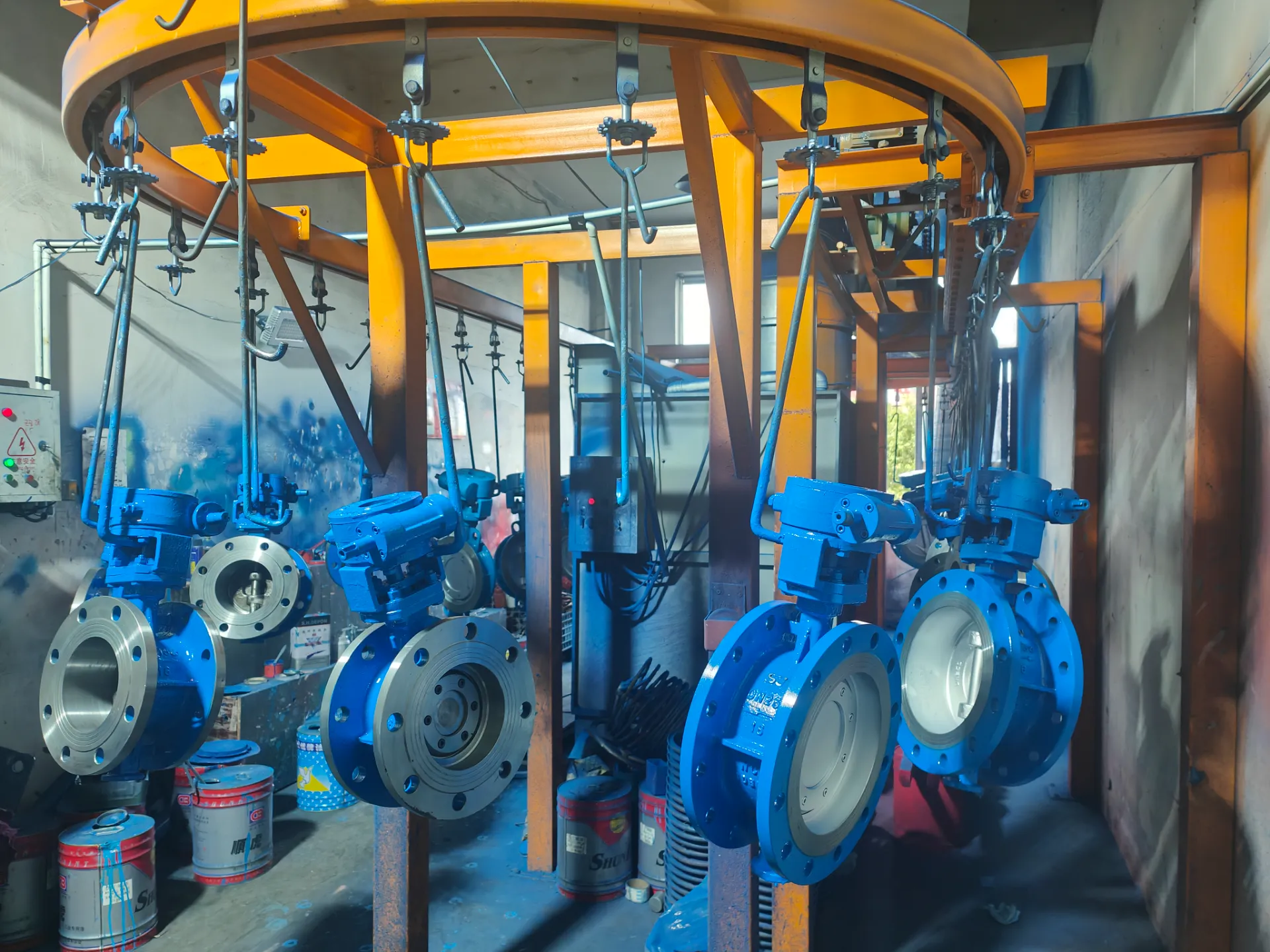
China manual butterfly valves are quarter-turn rotational motion valves used to isolate or throttle flow. Positioned within industrial process systems, they offer a cost-effective solution for large-diameter pipelines, particularly in applications where tight shutoff is not critical. These valves are characterized by a disc rotating within a concentric or eccentric body, and are widely deployed in water treatment, HVAC, fire protection, and chemical processing. Their prevalence stems from their lightweight design, relatively low pressure drop, and ease of operation. The industry landscape features a spectrum of manufacturers, with Chinese production dominating the lower-to-mid range cost segments due to competitive labor and material costs. Performance is generally dictated by the body material, disc material, and seat material employed, directly impacting chemical compatibility, temperature range, and achievable leak rates. A core challenge for end-users lies in verifying the consistency of manufacturing quality across various Chinese suppliers, and ensuring adherence to relevant international standards.
Material Science & Manufacturing
The construction of china manual butterfly valves typically utilizes several key materials. Valve bodies are commonly cast iron (ASTM A126 Class B), ductile iron (ASTM A536 65-45-12), stainless steel (304/316 – ASTM A351), or carbon steel (ASTM A216 WCB). Cast iron offers a cost-effective solution for low-pressure, non-corrosive applications, but is susceptible to corrosion. Ductile iron provides improved strength and ductility compared to cast iron. Stainless steel provides superior corrosion resistance, essential for chemical handling. Carbon steel is often used for high-temperature applications. The valve disc is generally manufactured from the same material as the body, or from materials like brass or PTFE for specialized applications. The valve seat, critical for sealing, is often made of reinforced PTFE, EPDM, or nitrile rubber (NBR). Manufacturing processes include sand casting for bodies, machining for disc preparation, and rubber injection molding for seats. Welding processes (SMAW, GTAW) are frequently used for joining components. Critical parameters during casting include mold temperature, cooling rate, and alloy composition control to ensure proper microstructure and minimize porosity. Parameter control during rubber injection molding involves precise temperature and pressure regulation to achieve consistent seat dimensions and material properties. Surface treatments like epoxy coating are applied to cast iron bodies to enhance corrosion resistance. Quality control at each manufacturing stage is vital, including non-destructive testing (NDT) like radiographic inspection and ultrasonic testing to detect internal flaws.
Performance & Engineering
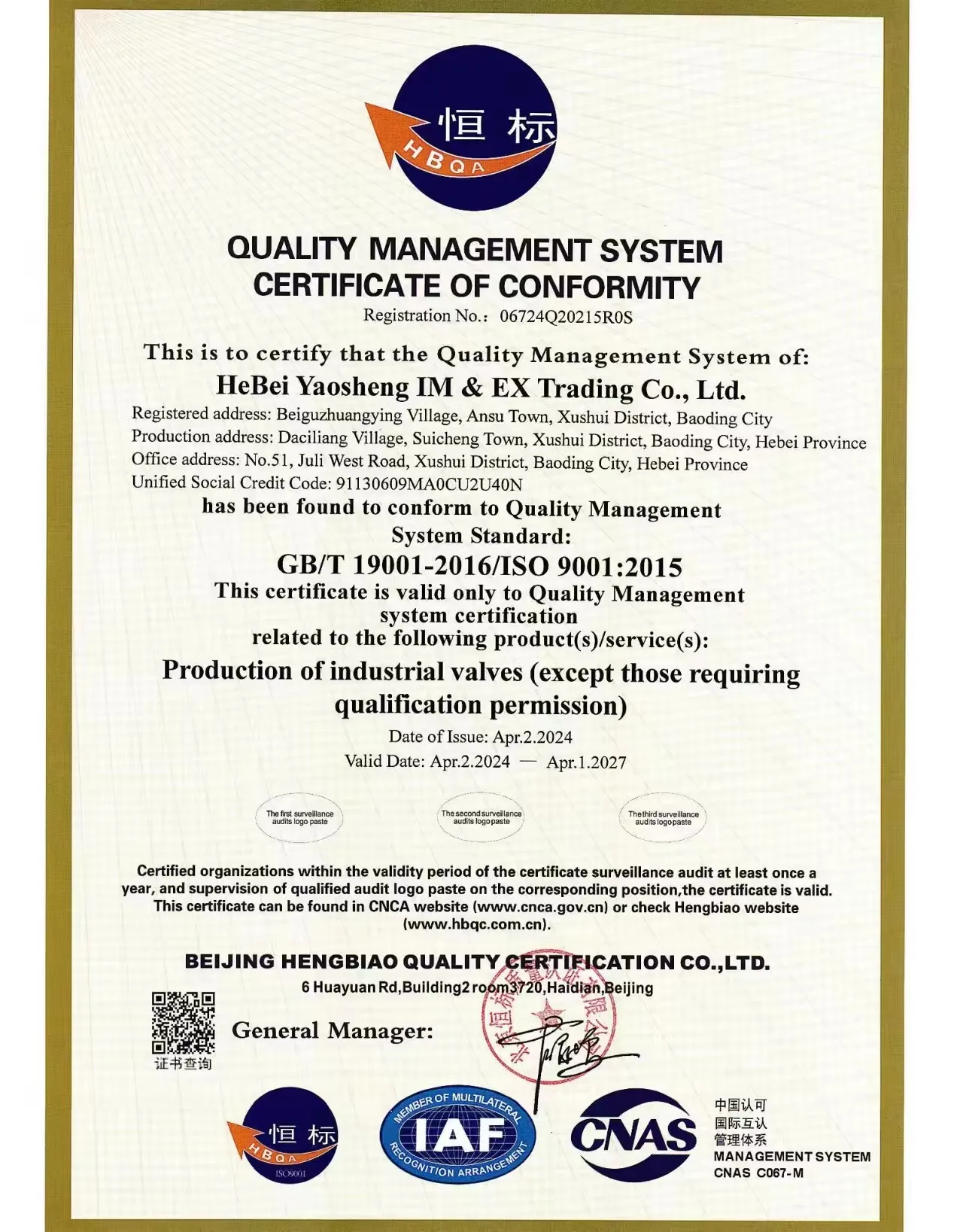
The performance of a manual butterfly valve is governed by several engineering principles. Torque requirements to actuate the valve depend on the fluid density, pressure drop across the valve, valve diameter, and seat design. Larger valves and higher differential pressures require greater torque. The Kv/Cv factor, representing flow capacity, is a crucial parameter for system design, dictating the valve’s ability to handle specific flow rates without excessive pressure loss. Environmental resistance is a primary concern; valves operating in corrosive environments must utilize corrosion-resistant materials like stainless steel or incorporate protective coatings. Compliance requirements vary by application and region. For potable water systems, valves must comply with NSF/ANSI 61 standards. Fire protection systems require UL 216 and FM approvals. Hazardous area applications demand ATEX or IECEx certification. Finite Element Analysis (FEA) is utilized during the design phase to optimize valve body geometry and minimize stress concentrations under pressure. Fatigue analysis is crucial for determining the valve's lifespan under cyclic loading conditions. Leakage class is often specified (e.g., ANSI Class VI for tight shutoff), impacting seat material selection and manufacturing precision. A key design consideration is cavitation prevention, particularly in high-velocity flow applications. This is achieved by selecting appropriate valve trim and minimizing pressure drops.
Technical Specifications
| Parameter | Cast Iron Body | Ductile Iron Body | 304 Stainless Steel Body | EPDM Seat |
|---|---|---|---|---|
| Maximum Pressure (PSI) | 150 | 250 | 300 | Temperature Range (°C) |
| Temperature Range (°C) | -10 to 80 | -20 to 120 | -60 to 200 | -50 to 150 |
| Connection Type | Flanged, Wafer | Flanged, Wafer | Flanged, Wafer | Hardness (Shore A) |
| Actuation Type | Manual (Gear Operated) | Manual (Gear Operated) | Manual (Gear Operated) | 70 ± 5 |
| Leakage Class (ANSI) | Class III | Class IV | Class VI | Tensile Strength (MPa) |
| Body Material Standard | ASTM A126 Class B | ASTM A536 65-45-12 | ASTM A351 | 10 |
Failure Mode & Maintenance
China manual butterfly valves are susceptible to several failure modes. Corrosion is a common issue with cast iron bodies, leading to body wall thinning and eventual leakage. Seat erosion or degradation due to chemical attack or abrasive particles in the fluid stream results in increased leakage rates. Fatigue cracking can occur in the valve stem or disc due to cyclic operation, particularly under high loads. Stem packing failure leads to leakage around the stem. Disk binding can occur due to debris accumulation or improper lubrication, hindering valve operation. Failure analysis techniques include visual inspection, dye penetrant testing, and metallurgical analysis. Preventative maintenance includes regular lubrication of the stem and gear operator, inspection of the seat for wear or damage, and verification of stem packing integrity. For corrosion issues, protective coatings or material upgrades (e.g., ductile iron or stainless steel) are recommended. If seat leakage is detected, the seat should be replaced. In cases of fatigue cracking, the entire valve should be replaced. Periodic torque testing can identify potential binding issues. A well-defined maintenance schedule, based on operating conditions and fluid characteristics, is crucial for maximizing valve lifespan and minimizing downtime.
Industry FAQ
Q: What is the typical lifespan of a cast iron butterfly valve in a clean water application?
A: A properly maintained cast iron butterfly valve in a clean water application typically has a lifespan of 10-15 years. However, this can be significantly reduced by aggressive water chemistry or infrequent maintenance. Regular inspection for corrosion and timely application of protective coatings are essential for extending the lifespan.
Q: What are the advantages of a ductile iron body over a cast iron body?
A: Ductile iron offers significantly higher strength and ductility compared to cast iron, making it less susceptible to cracking and impact damage. It also exhibits improved corrosion resistance. This makes ductile iron a better choice for applications with higher pressures or more challenging operating conditions.
Q: How do I determine the appropriate valve size for a given flow rate?
A: Valve sizing requires calculating the required Kv/Cv factor based on the fluid properties (density, viscosity), pressure drop, and desired flow rate. This calculation utilizes established fluid dynamics equations and can be aided by valve sizing software or vendor charts. It's crucial to account for potential future flow rate increases when selecting the valve size.
Q: What is the significance of the leakage class rating?
A: The leakage class rating (e.g., ANSI Class III, Class IV, Class VI) defines the maximum allowable leakage rate across the valve seat when fully closed. Higher leakage classes (e.g., Class VI) require tighter sealing and are crucial for applications where zero leakage is critical, such as hazardous fluid handling.
Q: What certifications should I look for when purchasing a butterfly valve for a potable water system?
A: For potable water systems, the valve should be certified to NSF/ANSI 61 standards. This certification ensures that the valve materials do not leach harmful contaminants into the water supply. Additional certifications, such as AWWA C596, may also be relevant depending on the specific application.
Conclusion
China manual butterfly valves represent a versatile and cost-effective solution for a wide range of industrial flow control applications. Careful material selection, coupled with adherence to established manufacturing and quality control processes, is critical to ensure long-term reliability and performance. Understanding the potential failure modes and implementing a proactive maintenance program are essential for maximizing valve lifespan and minimizing downtime.
The competitive landscape of Chinese manufacturers necessitates rigorous due diligence by end-users, focusing on verifying compliance with relevant international standards and conducting thorough quality inspections. Future trends are likely to include increased adoption of automation and smart valve technologies, further enhancing valve performance and reducing operating costs.
-
Top Reasons to Choose a Stainless Steel Flange Check Valve for Industrial Applications
-
Flange Square Performance Analysis
-
flanged butterfly valve Performance Analysis
-
flanged gate valve Material Science Manufacturing
-
Pinion Flange Performance Analysis
-
Precision flange Performance Analysis
-
Stub End Flange Performance Analysis
-
Turbo Exhaust Flange Material Analysis
-
Shaft collar flange Performance Analysis
-
butterfly valve flanged Performance Analysis
-
flange butterfly valves Performance Engineering
-
flanged butterfly valves Performance Analysis
-
flanged gate valves Performance Analysis
-
Flanges for butterfly valves Material Analysis
-
gate valve flange Performance Analysis
 Afrikaans
 Albanian
 Amharic
 Arabic
 Armenian
 Azerbaijani
 Basque
 Belarusian
 Bengali
 Bosnian
 Bulgarian
 Catalan
 Cebuano
 Corsican
 Croatian
 Czech
Czech
 Danish
 Dutch
Dutch
 Esperanto
 Estonian
 Finnish
 French
 Frisian
 Galician
 Georgian
 German
 Greek
Greek
 Gujarati
 Haitian Creole
 Hausa
Hawaiian
Hausa
Hawaiian
 Hebrew
 Hindi
Hindi
 Miao
Miao
 Hungarian
 Icelandic
 Igbo
Igbo
 Indonesian
 Irish
Irish
 Italian
 Japanese
 Javanese
Kannada
Javanese
Kannada
 Kazakh
 Khmer
Khmer
 Rwandese
 Korean
 Kurdish
 Kyrgyz
 Lao
Lao
 Latin
Latin
 Latvian
 Lithuanian
 Luxembourgish
 Macedonian
 Malgashi
 Malay
Malay
 Malayalam
 Maltese
 Maori
Maori
 Marathi
 Mongolian
 Myanmar
 Nepali
 Norwegian
 Norwegian
 Occitan
 Pashto
 Persian
 Polish
 Portuguese
Punjabi
Portuguese
Punjabi
 Romanian
 Russian
 Samoan
 Scottish Gaelic
 Serbian
 Sesotho
 Shona
Shona
 Sindhi
 Sinhala
 Slovak
 Slovenian
 Somali
 Spanish
 Sundanese
 Swahili
 Swedish
Tagalog
Swedish
Tagalog
 Tajik
Tajik
 Tamil
Tamil
 Tatar
Tatar
 Telugu
 Thai
Thai
 Turkish
 Turkmen
 Ukrainian
 Urdu
Urdu
 Uighur
 Uzbek
Uzbek
 Vietnamese
 Welsh
Welsh
 Bantu
Bantu
 Yiddish
 Yoruba
 Zulu
Zulu
 English