




china pressure seal globe valve Performance Analysis
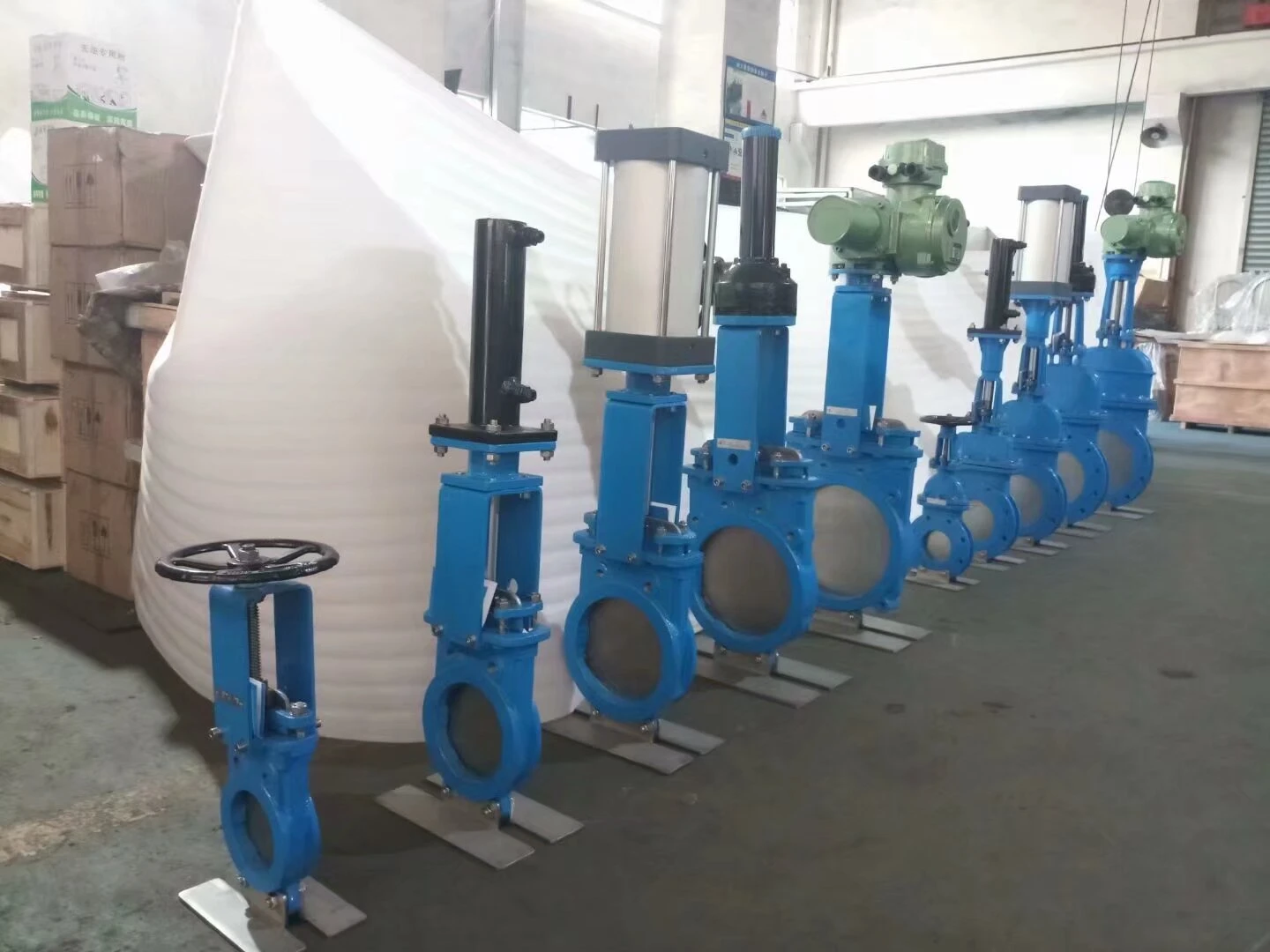
Introduction
The pressure seal globe valve is a critical component in industrial fluid systems, designed for throttling and isolation services in high-pressure and high-temperature applications. Unlike conventional globe valves which rely on packing glands to create a seal around the stem, pressure seal globe valves utilize a self-energizing sealing mechanism achieved through body-bonnet pressure balance. This design minimizes fugitive emissions and offers reliable performance in demanding conditions. Positioned within the fluid control segment of the industrial chain, these valves are integral to processes across oil & gas, petrochemical, power generation, and chemical processing. Their core performance attributes center around minimizing pressure drop, providing tight shut-off, and maintaining operational integrity in extreme environments. A key industry pain point is ensuring long-term sealing integrity under fluctuating temperature and pressure cycles, and minimizing the risk of catastrophic failure due to seal degradation.
Material Science & Manufacturing
The body of a pressure seal globe valve is typically constructed from alloy steels, such as ASTM A182 F11 (Cr-Mo steel) or A182 F22 (Cr-Mo-V steel), selected for their high strength, corrosion resistance, and creep resistance at elevated temperatures. The bonnet is similarly constructed from matching alloy steel to ensure thermal compatibility and prevent distortion under pressure. The disc and seat, responsible for the primary shut-off, are often forged from alloys like Inconel or Stellite, chosen for their exceptional hardness and resistance to erosion and corrosion. Manufacturing involves several critical steps. Forging is used to create the body and bonnet blanks, followed by precision machining to achieve tight tolerances. The critical sealing surfaces are meticulously ground and lapped to ensure a perfect seal. Welding, typically using submerged arc welding (SAW) or gas tungsten arc welding (GTAW) with controlled heat input, is employed to join components. Key parameter control focuses on maintaining dimensional accuracy during machining, ensuring proper heat treatment to achieve desired material properties (hardness, tensile strength, yield strength), and rigorously inspecting weld quality through non-destructive testing (NDT) methods like radiography and ultrasonic testing. Chemical compatibility is paramount; materials must resist degradation from the process fluid. For instance, valves handling sour gas require materials compliant with NACE MR0175/ISO 15156.
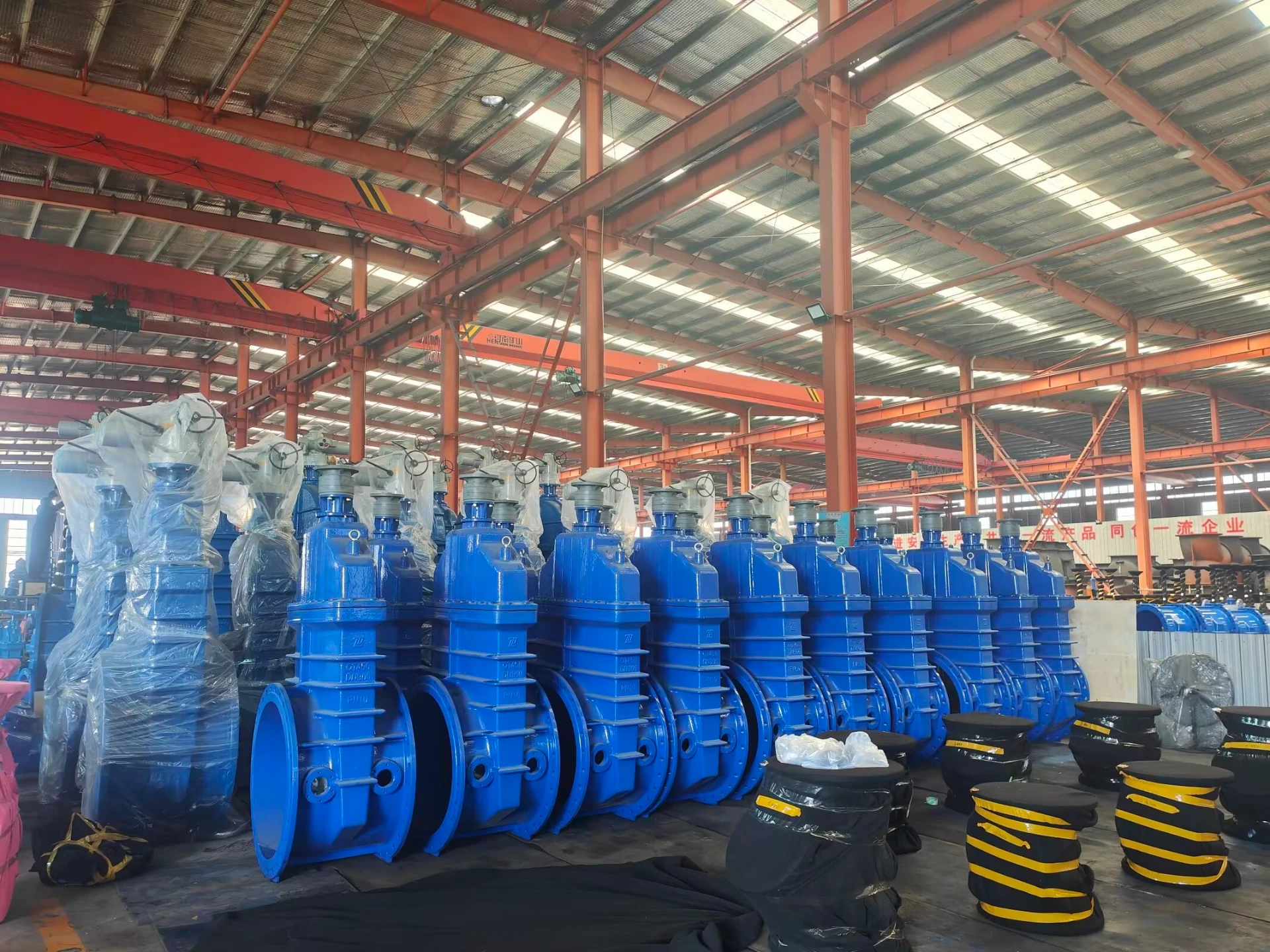
Performance & Engineering
Pressure seal globe valve performance is heavily governed by hydrodynamic forces and thermal stresses. The valve experiences significant force from the fluid pressure acting on the disc and seat. Engineering calculations must account for these forces to ensure structural integrity. Finite element analysis (FEA) is often employed to model stress distribution and predict deformation under various operating conditions. The self-energizing sealing mechanism relies on the differential pressure between the process fluid and the bonnet cavity. As process pressure increases, it compresses the bonnet against the body, enhancing the seal. Environmental resistance is crucial; valves are designed to withstand temperature variations, corrosive atmospheres, and potential erosion from solid particles in the fluid stream. Compliance requirements include API 600 (Steel Gate Valves – Bolted Bonnet, Flanged and Butt Welding End) and ASME Section VIII Division 1 (Rules for Construction of Pressure Vessels and Piping). Functional implementation necessitates precise flow control; the valve’s disc design and port geometry influence pressure drop and flow characteristics. The bonnet design, with its pressure-balancing features, is central to maintaining sealing efficiency and preventing bonnet lift under high pressure.
Technical Specifications
| Parameter | Unit | Typical Value | Standard Compliance |
|---|---|---|---|
| Maximum Allowable Pressure | psi | Up to 10,000 | ASME B16.34 |
| Temperature Range | °F | -450 to 1200 | API 600 |
| Valve Size | inches | 2 to 48 | ANSI/ASME B16.10 |
| Body Material | - | A182 F11, A182 F22 | ASTM A182 |
| Seat Material | - | Inconel, Stellite | ASTM B676, ASTM A480 |
| Connection Type | - | Flanged (RF, RTJ) | ANSI/ASME B16.5 |
Failure Mode & Maintenance
Common failure modes in pressure seal globe valves include seat erosion, disc distortion, bonnet gasket failure (although minimized by the pressure seal design), and body cracking due to fatigue or corrosion. Seat erosion occurs due to high-velocity flow or the presence of abrasive particles in the fluid. Disc distortion can result from thermal stresses or excessive pressure differentials. Body cracking typically initiates at areas of high stress concentration, such as weld joints or around nozzle connections. Failure analysis often reveals that improper operation, exceeding pressure limits, or inadequate maintenance contribute to these failures. Regular inspection of the seat and disc for wear and erosion is crucial. Periodic leak testing should be conducted to verify sealing integrity. Bolts should be checked for proper tension, and the bonnet should be inspected for signs of distortion. Preventive maintenance includes lubrication of the stem and disc, and replacing worn or damaged components. When replacing parts, it's critical to use materials that meet or exceed the original specifications to maintain performance and reliability. Avoidance of thermal cycling and surge pressure events is recommended to mitigate fatigue cracking.
Industry FAQ
Q: What are the key advantages of a pressure seal globe valve over a conventional globe valve in high-pressure applications?
A: The primary advantage lies in the self-energizing sealing mechanism. Conventional globe valves rely on packing glands, which can be prone to leakage under high pressure and temperature fluctuations. Pressure seal valves utilize body-bonnet pressure balance to compress the sealing surfaces, providing a tighter and more reliable seal, minimizing fugitive emissions, and improving safety.
Q: How does material selection impact the longevity of a pressure seal globe valve in a corrosive environment?
A: Material selection is paramount. The body, bonnet, disc, and seat materials must be resistant to the specific corrosive agents present in the process fluid. Alloy steels like A182 F11 or F22 offer good general corrosion resistance, while alloys like Inconel and Stellite are preferred for highly corrosive applications. Failure to choose compatible materials will lead to accelerated corrosion and premature valve failure.
Q: What are the typical inspection requirements for pressure seal globe valves during scheduled plant shutdowns?
A: Typical inspections include visual examination for external damage, leak testing of the seat and bonnet, verification of bolt tension, and non-destructive testing (NDT) of critical weld joints. Internal inspection of the seat and disc may also be necessary to assess wear and erosion. Detailed records of all inspections should be maintained.
Q: What is the significance of NACE MR0175/ISO 15156 compliance for pressure seal globe valves used in sour gas service?
A: NACE MR0175/ISO 15156 specifies material requirements for components used in sour gas service (containing hydrogen sulfide). Compliance ensures that the valve materials are resistant to sulfide stress cracking (SSC), a potentially catastrophic failure mechanism. Using non-compliant materials in sour gas applications can lead to sudden and unexpected valve failure.
Q: What maintenance practices are recommended to prevent bonnet lift in a pressure seal globe valve?
A: Bonnet lift is minimized by the pressure seal design itself. However, regular inspection of the bonnet flange surface for damage or distortion is important. Ensuring proper bolt tension and avoiding excessive thermal cycling can also help prevent bonnet lift. Correct installation and adherence to manufacturer’s operating guidelines are critical.
Conclusion
The pressure seal globe valve stands as a robust and reliable solution for demanding fluid control applications, particularly those involving high pressure and temperature. Its inherent design, leveraging a self-energizing sealing mechanism, mitigates the limitations of conventional globe valves in extreme environments. Successful implementation relies on meticulous material selection, precise manufacturing controls, and adherence to stringent industry standards.
Continued advancements in materials science and sealing technology will further enhance the performance and longevity of these valves. Focusing on proactive maintenance strategies, including regular inspection and component replacement, is critical to ensuring continued operational integrity and preventing catastrophic failures. The long-term viability of these valves hinges on a holistic approach that integrates engineering expertise, meticulous quality control, and a commitment to best practices.
-
Top Reasons to Choose a Stainless Steel Flange Check Valve for Industrial Applications
-
Flange Square Performance Analysis
-
flanged butterfly valve Performance Analysis
-
flanged gate valve Material Science Manufacturing
-
Pinion Flange Performance Analysis
-
Precision flange Performance Analysis
-
Stub End Flange Performance Analysis
-
Turbo Exhaust Flange Material Analysis
-
Shaft collar flange Performance Analysis
-
butterfly valve flanged Performance Analysis
-
flange butterfly valves Performance Engineering
-
flanged butterfly valves Performance Analysis
-
flanged gate valves Performance Analysis
-
Flanges for butterfly valves Material Analysis
-
gate valve flange Performance Analysis
 Afrikaans
 Albanian
 Amharic
 Arabic
 Armenian
 Azerbaijani
 Basque
 Belarusian
 Bengali
 Bosnian
 Bulgarian
 Catalan
 Cebuano
 Corsican
 Croatian
 Czech
Czech
 Danish
 Dutch
Dutch
 Esperanto
 Estonian
 Finnish
 French
 Frisian
 Galician
 Georgian
 German
 Greek
Greek
 Gujarati
 Haitian Creole
 Hausa
Hawaiian
Hausa
Hawaiian
 Hebrew
 Hindi
Hindi
 Miao
Miao
 Hungarian
 Icelandic
 Igbo
Igbo
 Indonesian
 Irish
Irish
 Italian
 Japanese
 Javanese
Kannada
Javanese
Kannada
 Kazakh
 Khmer
Khmer
 Rwandese
 Korean
 Kurdish
 Kyrgyz
 Lao
Lao
 Latin
Latin
 Latvian
 Lithuanian
 Luxembourgish
 Macedonian
 Malgashi
 Malay
Malay
 Malayalam
 Maltese
 Maori
Maori
 Marathi
 Mongolian
 Myanmar
 Nepali
 Norwegian
 Norwegian
 Occitan
 Pashto
 Persian
 Polish
 Portuguese
Punjabi
Portuguese
Punjabi
 Romanian
 Russian
 Samoan
 Scottish Gaelic
 Serbian
 Sesotho
 Shona
Shona
 Sindhi
 Sinhala
 Slovak
 Slovenian
 Somali
 Spanish
 Sundanese
 Swahili
 Swedish
Tagalog
Swedish
Tagalog
 Tajik
Tajik
 Tamil
Tamil
 Tatar
Tatar
 Telugu
 Thai
Thai
 Turkish
 Turkmen
 Ukrainian
 Urdu
Urdu
 Uighur
 Uzbek
Uzbek
 Vietnamese
 Welsh
Welsh
 Bantu
Bantu
 Yiddish
 Yoruba
 Zulu
Zulu
 English