




china stainless steel butterfly valve Performance Analysis
Introduction
Stainless steel butterfly valves represent a critical component in fluid handling systems across diverse industries, including chemical processing, water treatment, food & beverage, and power generation. Manufactured in China, these valves are increasingly favored due to their cost-effectiveness combined with increasingly stringent quality control. This guide provides an in-depth technical analysis of China-manufactured stainless steel butterfly valves, encompassing material science, manufacturing processes, performance characteristics, potential failure modes, and relevant industry standards. The core functionality relies on a rotating disc controlling fluid flow, offering advantages like lightweight construction, rapid operation, and relatively low pressure drop when fully open. Their position within the industry chain is as a final control element, directly impacting process efficiency and safety. Key performance metrics include sealing efficiency, flow coefficient (Cv), and the valve's ability to withstand varying temperatures and pressures without leakage or degradation.
Material Science & Manufacturing
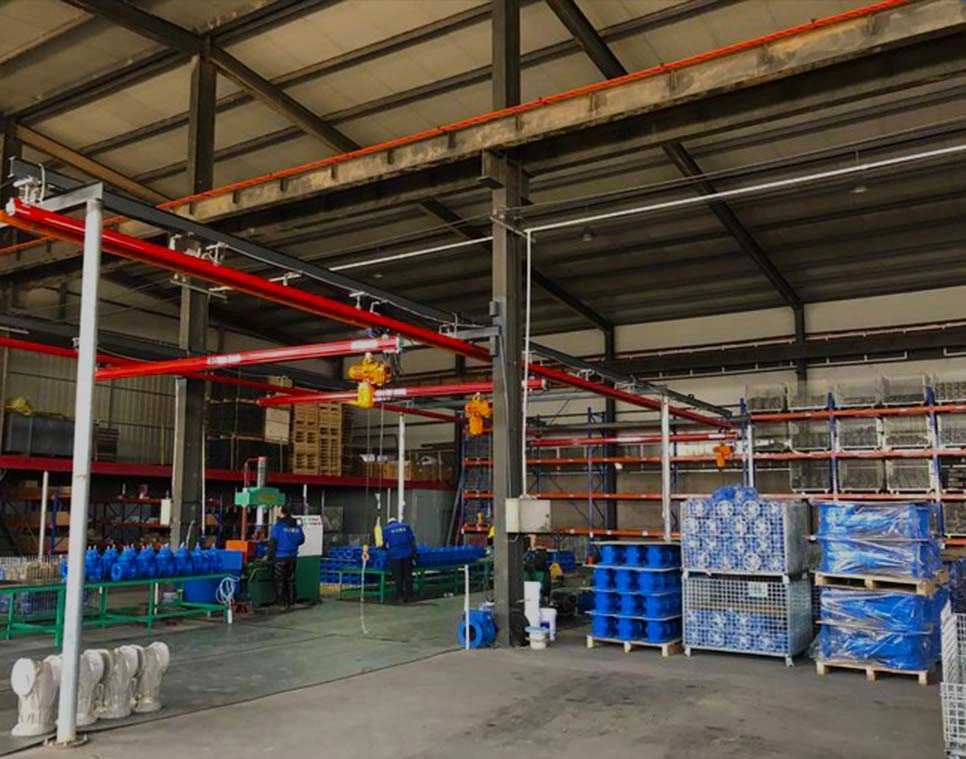
The primary material for these valves is typically 304 or 316 stainless steel, selected for their corrosion resistance and mechanical properties. 304 stainless steel, containing approximately 18% chromium and 8% nickel, provides excellent resistance to a broad range of corrosive media. 316 stainless steel, with the addition of molybdenum (2-3%), enhances resistance to chloride corrosion, making it suitable for marine environments and applications involving saline solutions. The disc is often manufactured from the same stainless steel grade as the body. Seat materials vary – PTFE (Teflon) is common for general-purpose applications due to its low friction and chemical inertness. EPDM and Viton are used for specific fluid compatibility requirements, offering resistance to various chemicals and temperature ranges. The manufacturing process commonly involves investment casting for the valve body, ensuring dimensional accuracy and minimizing material waste. The disc is typically machined from stainless steel plate, followed by precise grinding to achieve a smooth sealing surface. Welding is a crucial step, utilizing techniques like TIG (Tungsten Inert Gas) welding to create robust and corrosion-resistant joints. Parameter control during welding is critical: precise control of welding current, voltage, and shielding gas flow are essential to prevent oxidation and ensure complete fusion. Post-weld heat treatment (PWHT) is often employed to relieve residual stresses and improve the material's ductility, preventing stress corrosion cracking. Surface finishing, including polishing and passivation, further enhances corrosion resistance by removing surface contaminants and forming a protective chromium oxide layer.
Performance & Engineering
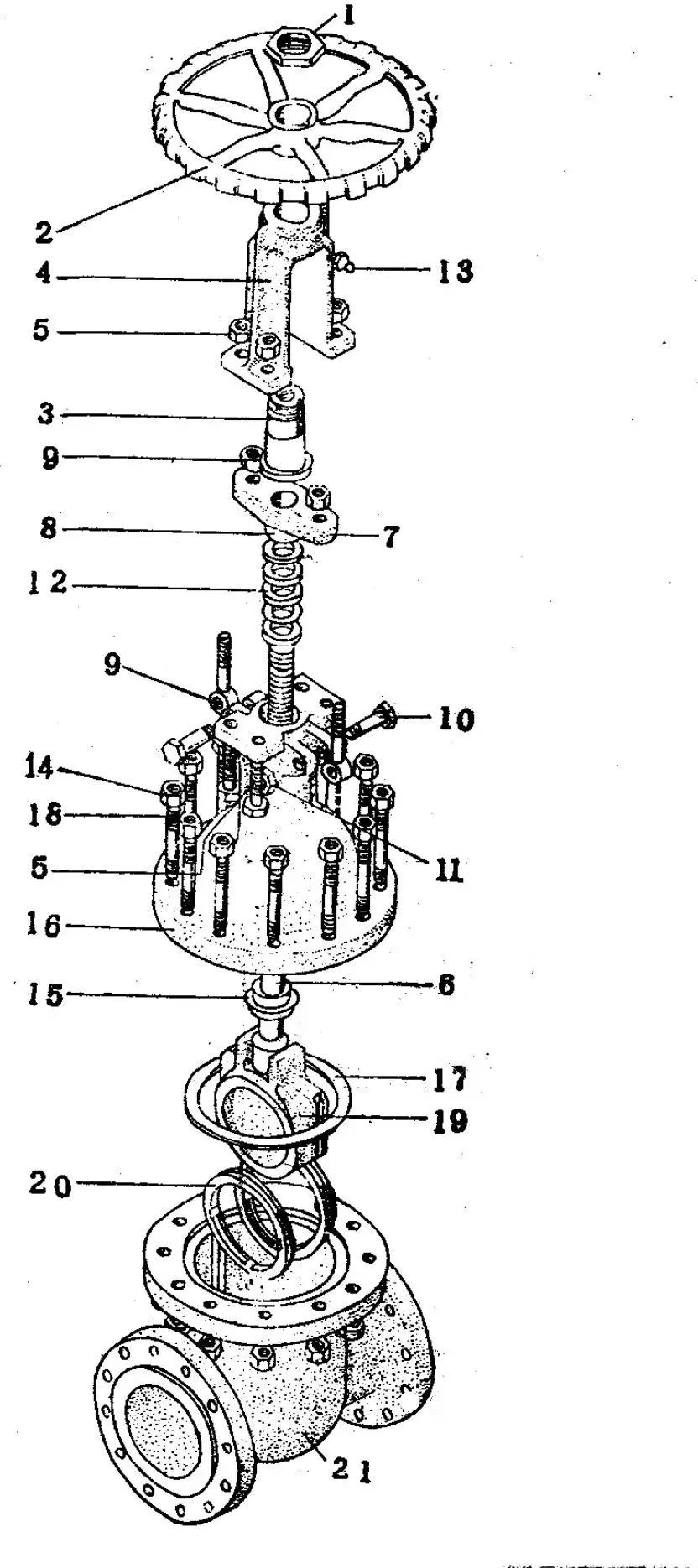
The performance of a stainless steel butterfly valve is fundamentally governed by hydrodynamic principles and material stress analysis. The flow coefficient (Cv) dictates the valve's capacity to pass fluid at a given pressure drop. Cv is influenced by valve size, disc geometry, and the degree of disc opening. Accurate Cv values are crucial for proper system sizing and control. Torque requirements, the force needed to rotate the disc, are dependent on factors like fluid density, pressure, and disc diameter. Valve actuators – pneumatic, electric, or manual – must be adequately sized to provide sufficient torque for reliable operation. Environmental resistance is a key concern. Temperature fluctuations induce thermal expansion and contraction, potentially causing leakage if the valve is not properly designed and installed. Exposure to corrosive media necessitates careful material selection and, in some cases, the application of protective coatings. Compliance with industry standards, such as ISO 5208 (for design and testing) and API 598 (for pressure testing), is essential. Force analysis during valve operation identifies potential stress concentrations in critical areas, such as the disc-seat interface and the stem-disc connection. Finite element analysis (FEA) is routinely used to optimize valve designs and ensure structural integrity under various loading conditions. The seat’s resilience and compression set are critical for maintaining a leak-tight seal over extended periods.
Technical Specifications
| Parameter | Unit | 304 Stainless Steel | 316 Stainless Steel |
|---|---|---|---|
| Body Material | - | 304/CF8 | 316/CF8M |
| Disc Material | - | 304/CF8 | 316/CF8M |
| Seat Material | - | PTFE, EPDM, Viton | PTFE, EPDM, Viton |
| Pressure Rating | PSI | Up to 280 | Up to 280 |
| Temperature Range | °F | -20 to 450 | -20 to 500 |
| Connection Type | - | Wafer, Lug, Flange | Wafer, Lug, Flange |
Failure Mode & Maintenance
Common failure modes in stainless steel butterfly valves include seat erosion and degradation, disc corrosion, stem leakage, and actuator failure. Seat erosion can occur due to abrasive particles in the fluid stream, leading to leakage. PTFE seats are particularly susceptible to creep and deformation under high temperatures and pressures. Disc corrosion, while mitigated by the stainless steel material, can occur in highly corrosive environments, particularly at weld joints. Stem leakage is often caused by wear of the stem packing or O-rings. Actuator failure can result from power loss, mechanical damage, or corrosion of internal components. Preventative maintenance is crucial. Regular inspection of the seat for wear and damage is recommended, along with periodic replacement as needed. Lubrication of the stem and actuator components reduces friction and prevents corrosion. Non-destructive testing (NDT) methods, such as liquid penetrant inspection and ultrasonic testing, can detect cracks and other defects in the valve body and disc. For seized valves, applying penetrating oil and gentle mechanical force can often free them. If corrosion is detected, localized repair or replacement of the affected component is necessary. Proper storage conditions, protecting the valve from moisture and corrosive environments, can significantly extend its service life. Regular cycling of the valve, even when not in service, helps to prevent the seat from becoming stuck to the disc.
Industry FAQ
Q: What are the key differences between wafer and lug-style butterfly valves, and which is preferable for high-pressure applications?
A: Wafer-style valves are lighter and more compact, relying on the system's flange bolting for sealing. Lug-style valves have their own integrated lugs, allowing for mounting between flanges without requiring flange bolting – making them easier to install and maintain. For high-pressure applications, lug-style valves are generally preferred due to their increased structural rigidity and ability to withstand higher loads. The lugs distribute the pressure more evenly, minimizing the risk of leakage or deformation.
Q: How does the choice of seat material impact the valve's performance and longevity in different chemical environments?
A: Seat material is crucial. PTFE offers broad chemical compatibility but has limitations in high-temperature applications and can exhibit creep. EPDM is excellent for water and mild chemical environments, but not suitable for oils or strong solvents. Viton provides superior resistance to oils, fuels, and many aggressive chemicals, but is generally more expensive. Selecting the incorrect seat material can lead to rapid degradation, leakage, and premature valve failure.
Q: What is the significance of the valve's ‘Cv’ value, and how is it used in system design?
A: The Cv value quantifies the valve's capacity to flow a specific fluid at a given pressure drop. It's a critical parameter for accurate system sizing. Engineers use Cv to calculate the required valve size to achieve the desired flow rate and pressure in a system. Underestimating the Cv leads to flow restriction, while overestimating can result in unstable control.
Q: What corrosion prevention measures are typically employed in the manufacturing of stainless steel butterfly valves intended for seawater applications?
A: For seawater applications, 316 stainless steel is standard due to its molybdenum content, providing enhanced chloride resistance. In addition, meticulous passivation is critical to create a robust chromium oxide layer. Welding procedures must adhere to stringent standards to prevent sensitization and pitting corrosion. Electropolishing can further improve corrosion resistance by removing surface imperfections. Specialized coatings, such as epoxy or polyurethane, can be applied for added protection in highly corrosive environments.
Q: What are the implications of exceeding the valve's specified temperature or pressure limits?
A: Exceeding temperature limits can lead to seat degradation, loss of elasticity, and eventual leakage. It can also weaken the valve body material. Exceeding pressure limits can cause deformation of the disc and body, potentially leading to catastrophic failure. Both scenarios can compromise the valve's sealing integrity and pose a significant safety hazard. Always adhere to the manufacturer’s specified operating limits.
Conclusion
China-manufactured stainless steel butterfly valves offer a compelling combination of performance, cost-effectiveness, and availability. Understanding the nuances of material science, manufacturing processes, and potential failure modes is paramount to selecting the appropriate valve for a given application. Proper maintenance, adhering to industry standards, and diligent inspection are essential for maximizing the valve's lifespan and ensuring reliable operation.
Future developments will likely focus on advanced materials, such as duplex stainless steels and superalloys, to further enhance corrosion resistance and high-temperature performance. Integration of smart technologies, including sensors for monitoring valve position and performance, will enable predictive maintenance and optimize system efficiency. Continued emphasis on quality control and adherence to international standards will solidify China's position as a leading manufacturer of high-quality butterfly valves.
-
Top Reasons to Choose a Stainless Steel Flange Check Valve for Industrial Applications
-
Flange Square Performance Analysis
-
flanged butterfly valve Performance Analysis
-
flanged gate valve Material Science Manufacturing
-
Pinion Flange Performance Analysis
-
Precision flange Performance Analysis
-
Stub End Flange Performance Analysis
-
Turbo Exhaust Flange Material Analysis
-
Shaft collar flange Performance Analysis
-
butterfly valve flanged Performance Analysis
-
flange butterfly valves Performance Engineering
-
flanged butterfly valves Performance Analysis
-
flanged gate valves Performance Analysis
-
Flanges for butterfly valves Material Analysis
-
gate valve flange Performance Analysis
 Afrikaans
 Albanian
 Amharic
 Arabic
 Armenian
 Azerbaijani
 Basque
 Belarusian
 Bengali
 Bosnian
 Bulgarian
 Catalan
 Cebuano
 Corsican
 Croatian
 Czech
Czech
 Danish
 Dutch
Dutch
 Esperanto
 Estonian
 Finnish
 French
 Frisian
 Galician
 Georgian
 German
 Greek
Greek
 Gujarati
 Haitian Creole
 Hausa
Hawaiian
Hausa
Hawaiian
 Hebrew
 Hindi
Hindi
 Miao
Miao
 Hungarian
 Icelandic
 Igbo
Igbo
 Indonesian
 Irish
Irish
 Italian
 Japanese
 Javanese
Kannada
Javanese
Kannada
 Kazakh
 Khmer
Khmer
 Rwandese
 Korean
 Kurdish
 Kyrgyz
 Lao
Lao
 Latin
Latin
 Latvian
 Lithuanian
 Luxembourgish
 Macedonian
 Malgashi
 Malay
Malay
 Malayalam
 Maltese
 Maori
Maori
 Marathi
 Mongolian
 Myanmar
 Nepali
 Norwegian
 Norwegian
 Occitan
 Pashto
 Persian
 Polish
 Portuguese
Punjabi
Portuguese
Punjabi
 Romanian
 Russian
 Samoan
 Scottish Gaelic
 Serbian
 Sesotho
 Shona
Shona
 Sindhi
 Sinhala
 Slovak
 Slovenian
 Somali
 Spanish
 Sundanese
 Swahili
 Swedish
Tagalog
Swedish
Tagalog
 Tajik
Tajik
 Tamil
Tamil
 Tatar
Tatar
 Telugu
 Thai
Thai
 Turkish
 Turkmen
 Ukrainian
 Urdu
Urdu
 Uighur
 Uzbek
Uzbek
 Vietnamese
 Welsh
Welsh
 Bantu
Bantu
 Yiddish
 Yoruba
 Zulu
Zulu
 English