




china wafer butterfly valve Performance Analysis
Introduction
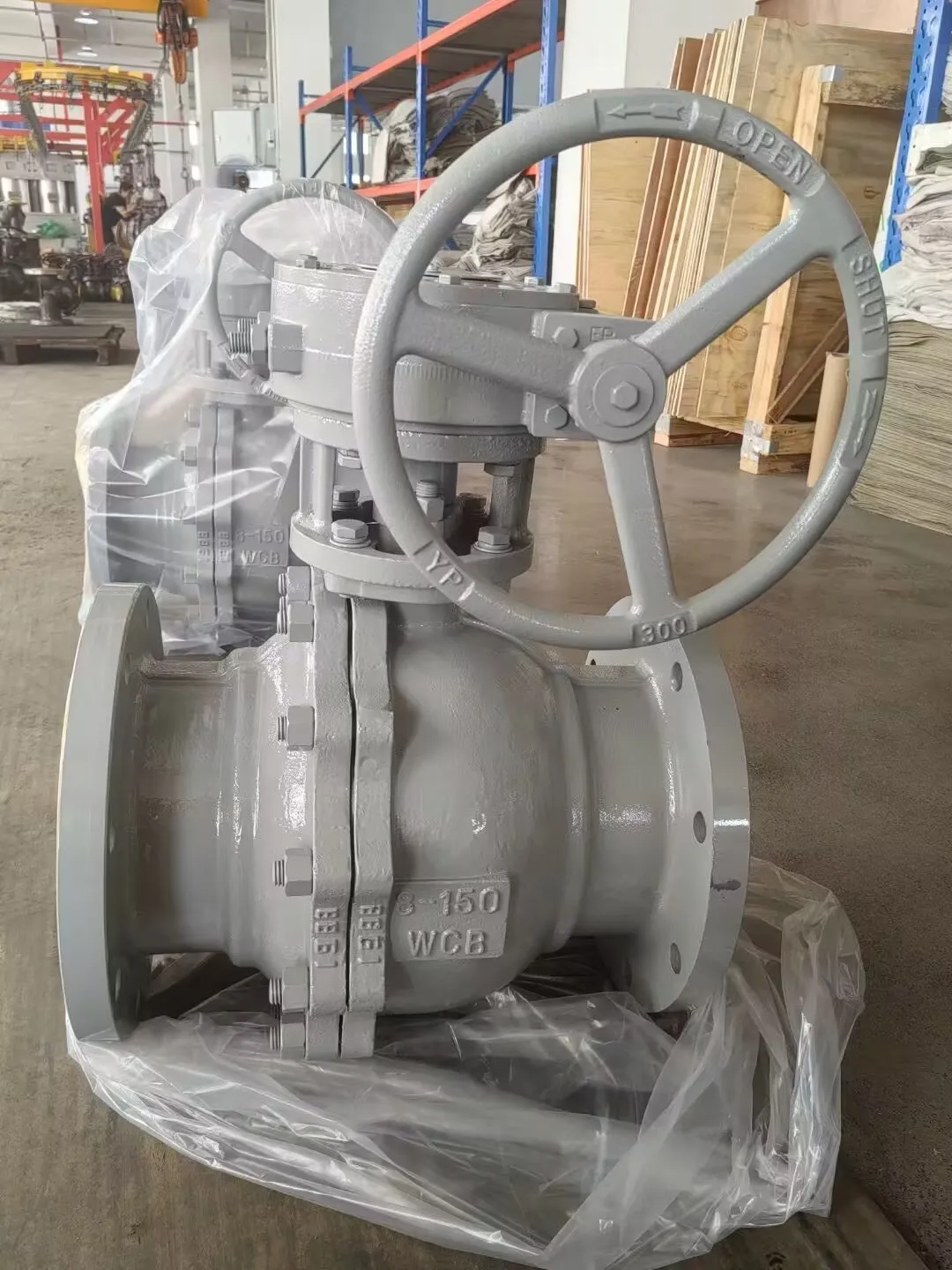
The china wafer butterfly valve is a quarter-turn rotational motion valve used to regulate or isolate flow within a pipeline. Positioned between flanges utilizing a wafer design – meaning it fits between raised face flanges – it provides a cost-effective and lightweight solution for large-diameter pipeline applications. Unlike other butterfly valve configurations, wafer types require flange bolts to secure the valve to the pipeline, relying on the pipeline flanges for structural support. Its key position in the industry chain lies in process industries, water treatment facilities, HVAC systems, and fire protection, offering an alternative to gate, globe, and ball valves, particularly where rapid operation and tight shut-off are required. Core performance characteristics are defined by its flow coefficient (Cv), pressure rating, sealing capability (achieved via resilient or metal seats), and operational torque requirements. The increasing adoption of automated actuator packages contributes to growing demand.
Material Science & Manufacturing
Wafer butterfly valves are commonly constructed from ductile iron (QT450-10), stainless steel (304, 316, 316L), and carbon steel (ASTM A53 Grade A). Ductile iron provides excellent corrosion resistance and cost-effectiveness for water applications. Stainless steel offers superior resistance to corrosive fluids and is frequently used in chemical processing. Carbon steel is employed in less aggressive environments and offers high strength. The disc, crucial for flow control, often utilizes materials similar to the body, sometimes with specialized coatings like PTFE or rubber linings to enhance sealing and reduce friction. Manufacturing typically involves investment casting or sand casting for the body, followed by precision machining to ensure dimensional accuracy and smooth bore surface finish. The disc is produced via forging or machining, then undergoes heat treatment to achieve desired mechanical properties. Seat materials, typically EPDM, PTFE, or metal-to-metal, are molded or machined to precise tolerances. Key parameter control focuses on wall thickness uniformity, surface roughness (Ra values typically below 1.6 μm), and concentricity of the disc within the bore. Welding procedures (SMAW, GTAW) employed during fabrication are governed by ASME Section IX, ensuring weld integrity and minimizing porosity. Surface treatment, such as epoxy coating, is applied to protect against corrosion.
Performance & Engineering
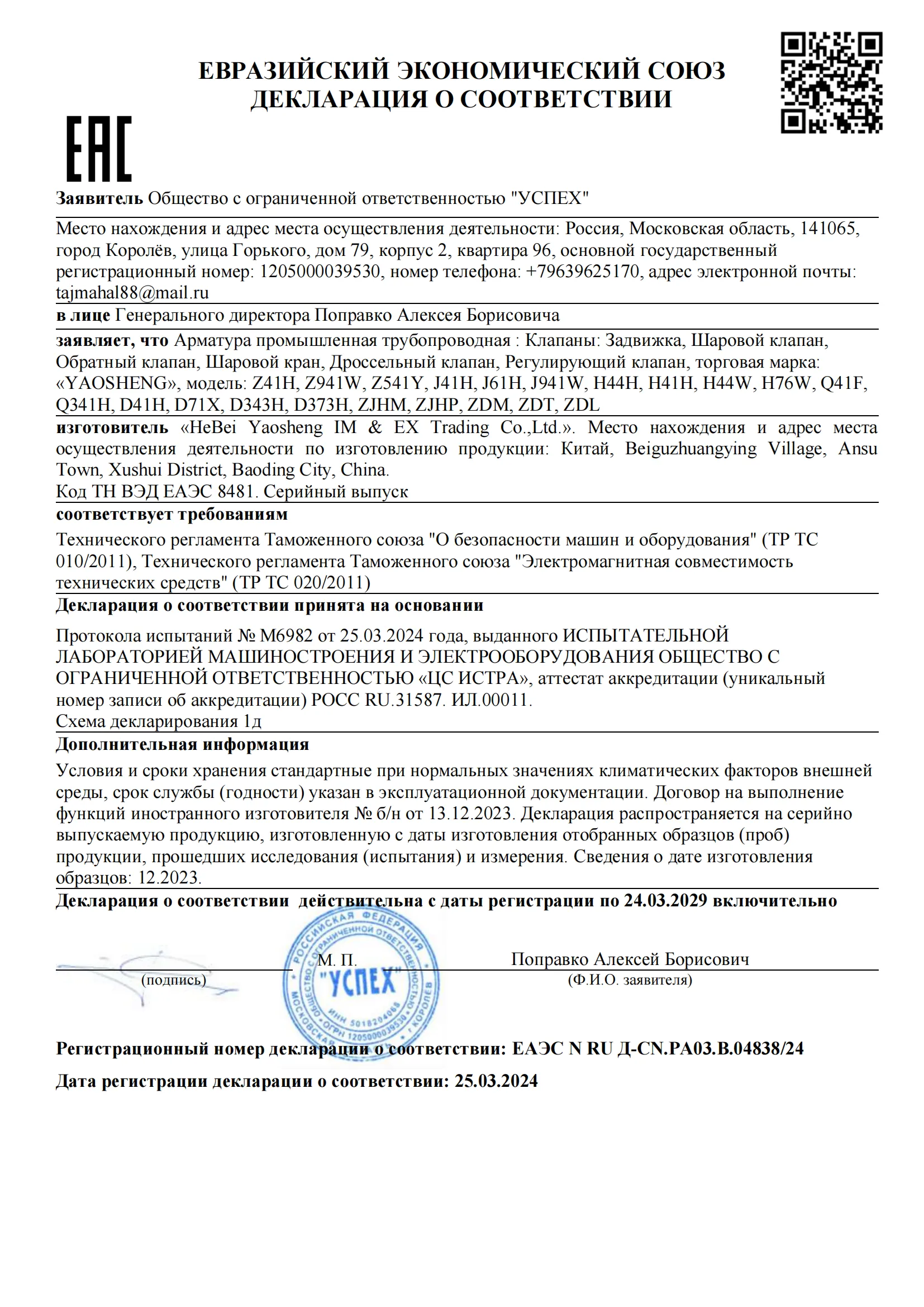
Performance is fundamentally governed by fluid dynamics and mechanical stress analysis. The torque required to operate the valve is directly proportional to the pressure drop across the disc and the disc’s area. Engineers utilize computational fluid dynamics (CFD) to optimize disc profiles and minimize pressure loss. Finite element analysis (FEA) is critical for evaluating stress distribution within the body and disc under various pressure and temperature conditions, preventing catastrophic failure. Environmental resistance is a key consideration. Valves exposed to outdoor conditions require robust sealing to prevent ingress of moisture and contaminants. Material selection is crucial for mitigating galvanic corrosion in dissimilar metal environments. Compliance requirements often dictate specific testing protocols, including hydrostatic shell testing (per API 598) and seat leakage testing (per ANSI Class VI). Functional implementation relies on the proper selection of actuators – pneumatic, electric, or hydraulic – based on torque requirements, speed of operation, and control system integration. Proper valve sizing, considering flow rate, pressure drop, and fluid characteristics, is essential for optimal performance and longevity. Flow coefficient (Cv) calculations are performed according to ISA 75.01.
Technical Specifications
| Parameter | Unit | Typical Value (Ductile Iron) | Typical Value (SS316) |
|---|---|---|---|
| Maximum Operating Pressure | PSI | 250 | 360 |
| Temperature Range | °F | -20 to 230 | -40 to 450 |
| Cv (Coefficient of Flow) | - | 200-1000 (dependent on size) | 200-1000 (dependent on size) |
| Seat Leakage (Class VI) | Bubble/min | ≤0.1 | ≤0.1 |
| Actuator Torque (Pneumatic) | Nm | 50-300 | 50-300 |
| Body Material | - | QT450-10 Ductile Iron | ASTM A351 CF8M Stainless Steel |
Failure Mode & Maintenance
Common failure modes include seat degradation (cracking, swelling, erosion), disc corrosion, actuator malfunction, and stem leakage. Seat degradation is often caused by improper seating, abrasive particles in the fluid stream, or chemical attack from the fluid. Disc corrosion can occur due to inadequate material selection or coating failure. Actuator failures typically involve air supply issues, solenoid valve malfunction, or mechanical wear within the actuator itself. Stem leakage is frequently attributable to packing gland wear or damage to the stem surface. Fatigue cracking can occur in the disc under cyclical loading, particularly in high-pressure applications. Maintenance involves regular inspection of the seat, disc, and actuator for signs of wear or damage. Periodic lubrication of the stem and actuator components is essential. Seat replacement is recommended when leakage exceeds acceptable limits. Corrosion prevention strategies include proper coating selection, cathodic protection (in specific environments), and regular cleaning. Preventative maintenance schedules should be established based on operating conditions and fluid characteristics. Failure analysis should be conducted on failed components to determine root causes and implement corrective actions. Non-destructive testing (NDT) methods, such as ultrasonic testing (UT) and liquid penetrant inspection (LPI), can identify subsurface cracks and surface defects.
Industry FAQ
Q: What are the primary advantages of wafer butterfly valves over lug butterfly valves in terms of installation and cost?
A: Wafer butterfly valves are typically more cost-effective than lug butterfly valves because they require the pipeline flanges to provide structural support, reducing the valve's material requirements. Installation is generally simpler as they are inserted between flanges; however, they necessitate flange bolts to be removed for valve removal, unlike lug valves which can be removed without disturbing the pipeline. The cost saving on the valve itself can be significant, especially in larger diameters.
Q: How does the choice of seat material impact the temperature and chemical compatibility of the valve?
A: Seat material selection is paramount. EPDM offers good temperature resistance (typically -50°C to 150°C) and compatibility with water and many chemicals, but is not suitable for hydrocarbons. PTFE provides broader chemical resistance and a wider temperature range (-200°C to 260°C), but has lower mechanical strength. Metal seats are used for high-temperature applications and offer excellent durability but may not provide a tight seal with certain fluids.
Q: What factors should be considered when selecting an actuator for a china wafer butterfly valve?
A: Actuator selection depends on the required torque, speed of operation, control signal (pneumatic, electric, hydraulic), and environmental conditions. Torque calculations must account for fluid pressure, disc size, and seat friction. Fail-safe requirements (fail-to-open or fail-to-close) dictate the actuator type. Electric actuators offer precise control and are suitable for remote operation; pneumatic actuators are faster and more cost-effective for basic on/off control.
Q: What is the significance of the ‘Class VI’ seat leakage standard, and how is it tested?
A: ANSI/FCI 70-2 Class VI is a stringent seat leakage standard, representing a bubble-tight shutoff. It specifies a maximum permissible leakage rate of 0.1 bubbles per minute per inch of valve seat perimeter when tested with air at a specified pressure. Testing involves pressurizing the valve seat with air, immersing it in water, and visually inspecting for bubble formation.
Q: What are the key considerations for preventing corrosion in stainless steel wafer butterfly valves used in seawater applications?
A: Seawater is highly corrosive due to chloride ions. Selecting a higher grade of stainless steel (e.g., 316L with molybdenum) is crucial. Consideration should be given to galvanic corrosion if the valve is connected to dissimilar metals – using dielectric unions or coatings to isolate the materials. Regular inspection and cleaning to remove marine growth and salt deposits are also essential preventative measures.
Conclusion
The china wafer butterfly valve represents a versatile and cost-effective flow control solution for a broad range of industrial applications. Successful implementation requires a thorough understanding of material science, fluid dynamics, and mechanical engineering principles. Proper selection of materials, actuator type, and seat material, coupled with diligent maintenance practices, ensures reliable performance and longevity.
Future trends point towards increased adoption of smart valve technologies incorporating sensors and wireless communication for remote monitoring and predictive maintenance. The pursuit of lighter-weight materials and improved sealing mechanisms will further enhance the efficiency and reliability of these valves, solidifying their position as a critical component in modern process control systems.
-
Top Reasons to Choose a Stainless Steel Flange Check Valve for Industrial Applications
-
Flange Square Performance Analysis
-
flanged butterfly valve Performance Analysis
-
flanged gate valve Material Science Manufacturing
-
Pinion Flange Performance Analysis
-
Precision flange Performance Analysis
-
Stub End Flange Performance Analysis
-
Turbo Exhaust Flange Material Analysis
-
Shaft collar flange Performance Analysis
-
butterfly valve flanged Performance Analysis
-
flange butterfly valves Performance Engineering
-
flanged butterfly valves Performance Analysis
-
flanged gate valves Performance Analysis
-
Flanges for butterfly valves Material Analysis
-
gate valve flange Performance Analysis
 Afrikaans
 Albanian
 Amharic
 Arabic
 Armenian
 Azerbaijani
 Basque
 Belarusian
 Bengali
 Bosnian
 Bulgarian
 Catalan
 Cebuano
 Corsican
 Croatian
 Czech
Czech
 Danish
 Dutch
Dutch
 Esperanto
 Estonian
 Finnish
 French
 Frisian
 Galician
 Georgian
 German
 Greek
Greek
 Gujarati
 Haitian Creole
 Hausa
Hawaiian
Hausa
Hawaiian
 Hebrew
 Hindi
Hindi
 Miao
Miao
 Hungarian
 Icelandic
 Igbo
Igbo
 Indonesian
 Irish
Irish
 Italian
 Japanese
 Javanese
Kannada
Javanese
Kannada
 Kazakh
 Khmer
Khmer
 Rwandese
 Korean
 Kurdish
 Kyrgyz
 Lao
Lao
 Latin
Latin
 Latvian
 Lithuanian
 Luxembourgish
 Macedonian
 Malgashi
 Malay
Malay
 Malayalam
 Maltese
 Maori
Maori
 Marathi
 Mongolian
 Myanmar
 Nepali
 Norwegian
 Norwegian
 Occitan
 Pashto
 Persian
 Polish
 Portuguese
Punjabi
Portuguese
Punjabi
 Romanian
 Russian
 Samoan
 Scottish Gaelic
 Serbian
 Sesotho
 Shona
Shona
 Sindhi
 Sinhala
 Slovak
 Slovenian
 Somali
 Spanish
 Sundanese
 Swahili
 Swedish
Tagalog
Swedish
Tagalog
 Tajik
Tajik
 Tamil
Tamil
 Tatar
Tatar
 Telugu
 Thai
Thai
 Turkish
 Turkmen
 Ukrainian
 Urdu
Urdu
 Uighur
 Uzbek
Uzbek
 Vietnamese
 Welsh
Welsh
 Bantu
Bantu
 Yiddish
 Yoruba
 Zulu
Zulu
 English