




Valve Pipe Fitting Performance Analysis
Introduction
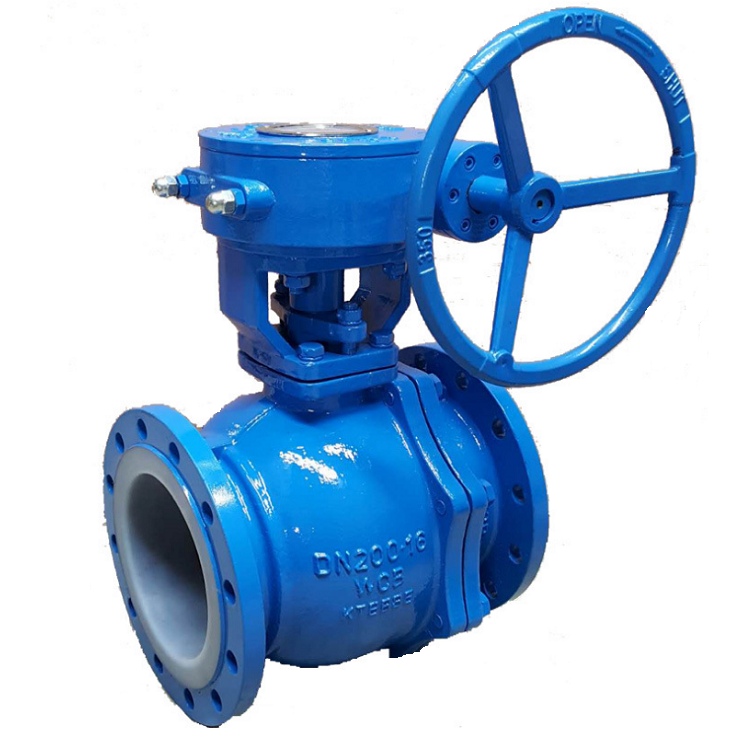
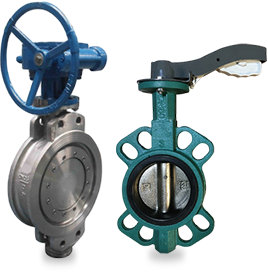
Valve pipe fittings are critical components in fluid handling systems across numerous industries, including oil & gas, chemical processing, power generation, and water treatment. These fittings facilitate the connection of valves to pipelines, enabling flow control, isolation, and direction. They are not merely mechanical connectors; their performance directly impacts system efficiency, safety, and reliability. The technical position of valve pipe fittings lies at the intersection of materials science, precision engineering, and stringent regulatory compliance. Core performance characteristics revolve around pressure containment, leak tightness, corrosion resistance, and mechanical strength under dynamic loading. Selecting the appropriate fitting requires a deep understanding of the fluid being conveyed, operating temperature and pressure, and applicable industry standards. Failure to do so can lead to catastrophic system failures and significant economic losses. The range of fittings encompasses threaded, socket-welded, butt-welded, and flanged connections, each suited for specific applications and operational parameters.
Material Science & Manufacturing
Valve pipe fittings are commonly manufactured from carbon steel (ASTM A105, A53), stainless steel (304/304L, 316/316L), alloy steel (A182 F304, F316), and occasionally, specialized materials like duplex stainless steel or nickel alloys depending on the service conditions. Carbon steel provides high strength and cost-effectiveness but is susceptible to corrosion. Stainless steels offer superior corrosion resistance, particularly 316/316L, which contains molybdenum for enhanced resistance to chloride pitting. Alloy steels are chosen for high-temperature and high-pressure applications, possessing increased creep resistance. The manufacturing process varies based on the fitting type. Forged fittings undergo a forging process followed by machining to achieve precise dimensions. Seamless fittings are produced through extrusion, offering higher strength and reliability compared to welded fittings. Welded fittings are fabricated by welding together steel plates or pipes, requiring rigorous quality control to ensure weld integrity. Threaded fittings are created through machining threads onto the fitting body. Key parameters during manufacturing include material composition verification, heat treatment to achieve desired mechanical properties (yield strength, tensile strength, elongation), non-destructive testing (NDT) such as radiography and ultrasonic testing to detect defects, and dimensional accuracy to ensure proper fit and sealing. Surface finish is also critical, influencing corrosion resistance and flow characteristics. Chemical compatibility between the fitting material and the conveyed fluid is paramount; improper material selection can lead to galvanic corrosion or material degradation.
Performance & Engineering
Performance of valve pipe fittings is dictated by several engineering principles. Pressure-temperature ratings, based on ASME B31.3 or EN 13480, define the maximum allowable operating conditions. Force analysis, including internal pressure stress, bending moment due to weight or external loads, and thermal expansion stresses, are crucial for determining fitting integrity. Finite element analysis (FEA) is frequently used to model stress distribution and identify potential failure points. Environmental resistance is a key consideration; exposure to corrosive media, high temperatures, and UV radiation can degrade the fitting material. Coatings, such as epoxy or PTFE, are applied to enhance corrosion resistance. Compliance requirements are often mandated by industry-specific regulations. For example, NACE MR0175/ISO 15156 governs material selection for sour service applications (H2S containing fluids). Functional implementation requires careful consideration of the connection type. Threaded connections require proper sealant application and torque control to achieve leak tightness. Welded connections require qualified welders and adherence to welding procedures (WPS) to ensure weld quality. Flanged connections necessitate correct gasket selection and bolt tightening procedures to maintain sealing integrity. Fatigue analysis is critical for fittings subjected to cyclic loading, predicting the number of cycles to failure. Leak testing, utilizing methods like hydrostatic testing or pneumatic testing, verifies the fitting's ability to contain pressure without leakage.
Technical Specifications
| Material | Pressure Rating (psi) | Temperature Range (°C) | Connection Type |
|---|---|---|---|
| Carbon Steel (A105) | Up to 6000 | -29 to 371 | Threaded, Socket Weld, Butt Weld |
| Stainless Steel (304/304L) | Up to 5000 | -196 to 427 | Threaded, Socket Weld, Butt Weld, Flanged |
| Stainless Steel (316/316L) | Up to 5000 | -196 to 427 | Threaded, Socket Weld, Butt Weld, Flanged |
| Alloy Steel (A182 F304) | Up to 4500 | -196 to 816 | Butt Weld, Flanged |
| Duplex Stainless Steel (UNS S31803) | Up to 6500 | -196 to 316 | Butt Weld, Flanged |
| Nickel Alloy (Inconel 625) | Up to 7500 | -196 to 927 | Butt Weld, Flanged |
Failure Mode & Maintenance
Valve pipe fitting failures manifest in several ways. Fatigue cracking can occur in fittings subjected to cyclic pressure or vibration, initiated by stress concentrations at thread roots or weld joints. Corrosion, particularly pitting corrosion in chloride-containing environments, weakens the fitting material leading to leaks. Erosion, caused by high-velocity fluid flow, gradually removes material, reducing wall thickness and integrity. Creep, at elevated temperatures, causes slow deformation and eventual rupture. Galvanic corrosion, resulting from dissimilar metal contact in the presence of an electrolyte, accelerates corrosion of the less noble metal. Delamination, in welded fittings, indicates poor weld quality and lack of fusion. Maintenance involves regular visual inspections for signs of corrosion, erosion, or cracking. Non-destructive testing (NDT) such as liquid penetrant testing (PT) and magnetic particle testing (MT) can detect surface cracks. Ultrasonic testing (UT) assesses wall thickness and detects internal flaws. Periodic torque checks on threaded connections ensure proper sealing. Replacement of fittings exhibiting signs of degradation is essential. Preventive maintenance programs, including corrosion inhibitors and protective coatings, can extend fitting lifespan. Proper installation practices, including correct material selection, welding procedures, and torque specifications, are critical for preventing premature failure.
Industry FAQ
Q: What are the key differences between threaded and welded fittings in terms of long-term reliability?
A: Welded fittings generally offer superior long-term reliability compared to threaded fittings. Welded joints, when properly executed, create a homogeneous connection with minimal stress concentrations. Threaded fittings, while easier to install, are more susceptible to leaks due to thread damage, improper sealant application, or loosening over time. Welded fittings eliminate the thread interface, reducing the risk of corrosion initiation and fatigue cracking. However, welding requires skilled technicians and strict quality control.
Q: How does material selection impact the resistance to sour gas corrosion (H2S)?
A: Sour gas corrosion is a severe form of corrosion caused by the presence of hydrogen sulfide (H2S). Carbon steel is highly susceptible to sulfide stress cracking (SSC). Materials conforming to NACE MR0175/ISO 15156, such as low alloy steels and stainless steels with specific compositions, are required for sour service applications. These materials possess enhanced resistance to SSC and hydrogen embrittlement.
Q: What is the significance of hydrostatic testing, and what acceptance criteria are typically used?
A: Hydrostatic testing is a crucial quality control process used to verify the pressure integrity of pipe fittings. The fitting is pressurized with a liquid (typically water) to a specified test pressure, typically 1.5 times the design pressure, and held for a predetermined duration. Acceptance criteria typically involve visual inspection for leaks and a pressure drop test; a pressure drop exceeding a predefined limit indicates a failure.
Q: What are the implications of using dissimilar metals in a piping system, and how can galvanic corrosion be mitigated?
A: Using dissimilar metals introduces the risk of galvanic corrosion. The more active metal (anode) corrodes preferentially in the presence of an electrolyte. Mitigation strategies include using dielectric unions to isolate dissimilar metals, applying protective coatings, selecting materials with similar electrochemical potentials, and using sacrificial anodes to protect the more critical metal.
Q: What role does heat treatment play in the manufacturing of forged fittings, and what properties are improved?
A: Heat treatment is essential in the manufacturing of forged fittings to improve their mechanical properties. Processes like normalizing, annealing, and quenching & tempering are used to refine the grain structure, increase yield strength, tensile strength, and ductility, and relieve residual stresses introduced during forging. Proper heat treatment ensures the fitting can withstand the stresses encountered during operation.
Conclusion
Valve pipe fittings are indispensable components in fluid handling systems, demanding careful consideration of material science, manufacturing processes, and engineering principles. The selection of the appropriate fitting hinges on a thorough understanding of the application’s operating conditions, fluid compatibility, and relevant industry standards. Ensuring long-term reliability necessitates adherence to stringent quality control measures throughout the manufacturing process and implementation of effective preventative maintenance programs.
Future advancements in fitting technology will likely focus on developing novel materials with enhanced corrosion resistance and mechanical properties, implementing advanced manufacturing techniques such as additive manufacturing (3D printing) to create complex geometries, and incorporating smart sensing technologies for real-time monitoring of fitting performance and early detection of potential failures. A continued emphasis on standardization and regulatory compliance will remain crucial for ensuring the safety and efficiency of fluid handling systems worldwide.
-
Top Reasons to Choose a Stainless Steel Flange Check Valve for Industrial Applications
-
24vdc solenoid valve Performance Analysis
-
24vdc solenoid valves Performance Analysis
-
solenoid valves 24vdc Performance Analysis
-
solenoid valve 24 vdc Performance Analysis
-
24v dc solenoid valve Performance Analysis
-
circle seal check valve Performance Engineering
-
circle seal check valves Performance Analysis
-
cryogenic check valve Performance Analysis
-
3 swing check valve Performance Analysis
-
4 wafer check valve Performance Analysis
-
6 wafer check valve Performance Analysis
-
cryogenic check valves Performance Analysis
-
soft seated check valve Performance Analysis
-
3/4 check valve Performance Analysis
 Afrikaans
 Albanian
 Amharic
 Arabic
 Armenian
 Azerbaijani
 Basque
 Belarusian
 Bengali
 Bosnian
 Bulgarian
 Catalan
 Cebuano
 Corsican
 Croatian
 Czech
Czech
 Danish
 Dutch
Dutch
 Esperanto
 Estonian
 Finnish
 French
 Frisian
 Galician
 Georgian
 German
 Greek
Greek
 Gujarati
 Haitian Creole
 Hausa
Hawaiian
Hausa
Hawaiian
 Hebrew
 Hindi
Hindi
 Miao
Miao
 Hungarian
 Icelandic
 Igbo
Igbo
 Indonesian
 Irish
Irish
 Italian
 Japanese
 Javanese
Kannada
Javanese
Kannada
 Kazakh
 Khmer
Khmer
 Rwandese
 Korean
 Kurdish
 Kyrgyz
 Lao
Lao
 Latin
Latin
 Latvian
 Lithuanian
 Luxembourgish
 Macedonian
 Malgashi
 Malay
Malay
 Malayalam
 Maltese
 Maori
Maori
 Marathi
 Mongolian
 Myanmar
 Nepali
 Norwegian
 Norwegian
 Occitan
 Pashto
 Persian
 Polish
 Portuguese
Punjabi
Portuguese
Punjabi
 Romanian
 Russian
 Samoan
 Scottish Gaelic
 Serbian
 Sesotho
 Shona
Shona
 Sindhi
 Sinhala
 Slovak
 Slovenian
 Somali
 Spanish
 Sundanese
 Swahili
 Swedish
Tagalog
Swedish
Tagalog
 Tajik
Tajik
 Tamil
Tamil
 Tatar
Tatar
 Telugu
 Thai
Thai
 Turkish
 Turkmen
 Ukrainian
 Urdu
Urdu
 Uighur
 Uzbek
Uzbek
 Vietnamese
 Welsh
Welsh
 Bantu
Bantu
 Yiddish
 Yoruba
 Zulu
Zulu
 English