




pressure release valve Performance Analysis
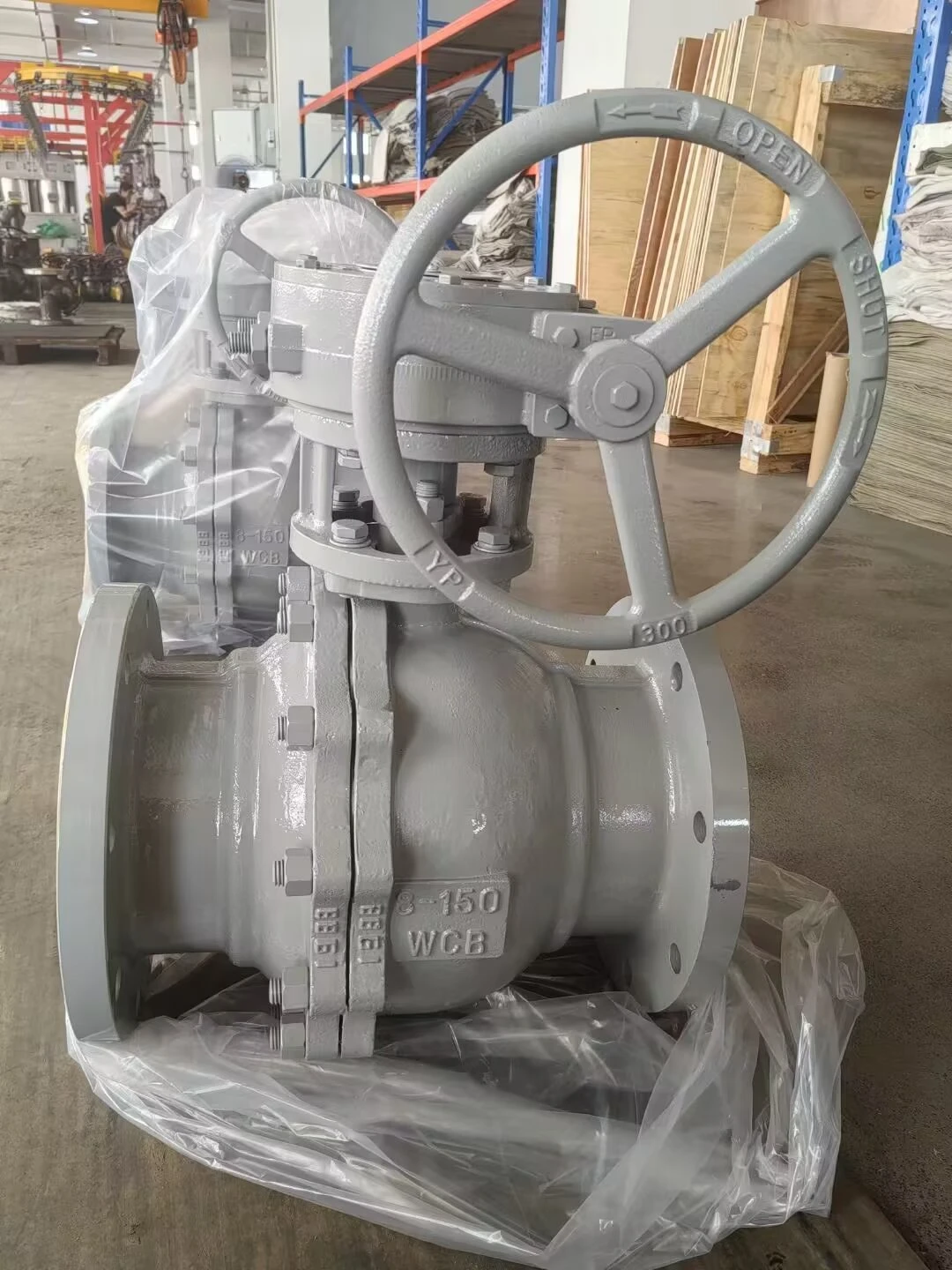
Introduction
Pressure release valves (PRVs) are critical safety components in industrial process systems designed to protect equipment and personnel from overpressure events. Positioned within the industry chain downstream of pressure vessels, pipelines, and other pressurized systems, their function is to automatically discharge fluids when a predetermined pressure threshold is exceeded. PRVs are distinct from relief valves and safety valves, though these terms are often used interchangeably. Relief valves typically handle lower overpressure scenarios and may gradually open, while safety valves are designed for rapid, full-opening discharge. A PRV’s core performance relies on its set pressure accuracy, discharge capacity, and ability to reseat effectively after an overpressure event, preventing continued fluid loss and ensuring system integrity. The selection and implementation of a PRV directly impacts operational safety, compliance with regulatory standards, and the longevity of expensive process equipment.
Material Science & Manufacturing
The construction of PRVs demands materials capable of withstanding corrosive process fluids, extreme temperatures, and high mechanical stresses. Common materials include carbon steel (ASTM A105, A350), stainless steel (304, 316, Duplex), alloy steels (e.g., Hastelloy, Inconel), and polymeric materials like PTFE or PEEK for seals and seats. The choice depends on the specific application and fluid compatibility. Manufacturing processes vary based on valve size and type. Smaller PRVs are often produced through investment casting or forging, followed by precision machining of critical components like the nozzle, disc, and spring seat. Larger valves may utilize welding techniques (SMAW, GTAW, SAW) for body construction, requiring strict adherence to welding codes (ASME Section IX). Spring manufacturing employs high-tensile wire (typically music wire or stainless steel) and precise coiling to achieve the required spring rate and fatigue life. Critical parameters include surface finish (Ra values on sealing surfaces), material hardness (verified through Rockwell or Vickers testing), and non-destructive testing (NDT) – including radiography, ultrasonic testing, and liquid penetrant inspection – to detect internal flaws. The quality of the valve seat material and its interface with the disc is paramount to leak-tight shutoff. Heat treatment processes like annealing and tempering are employed to optimize material properties and relieve residual stresses from manufacturing.
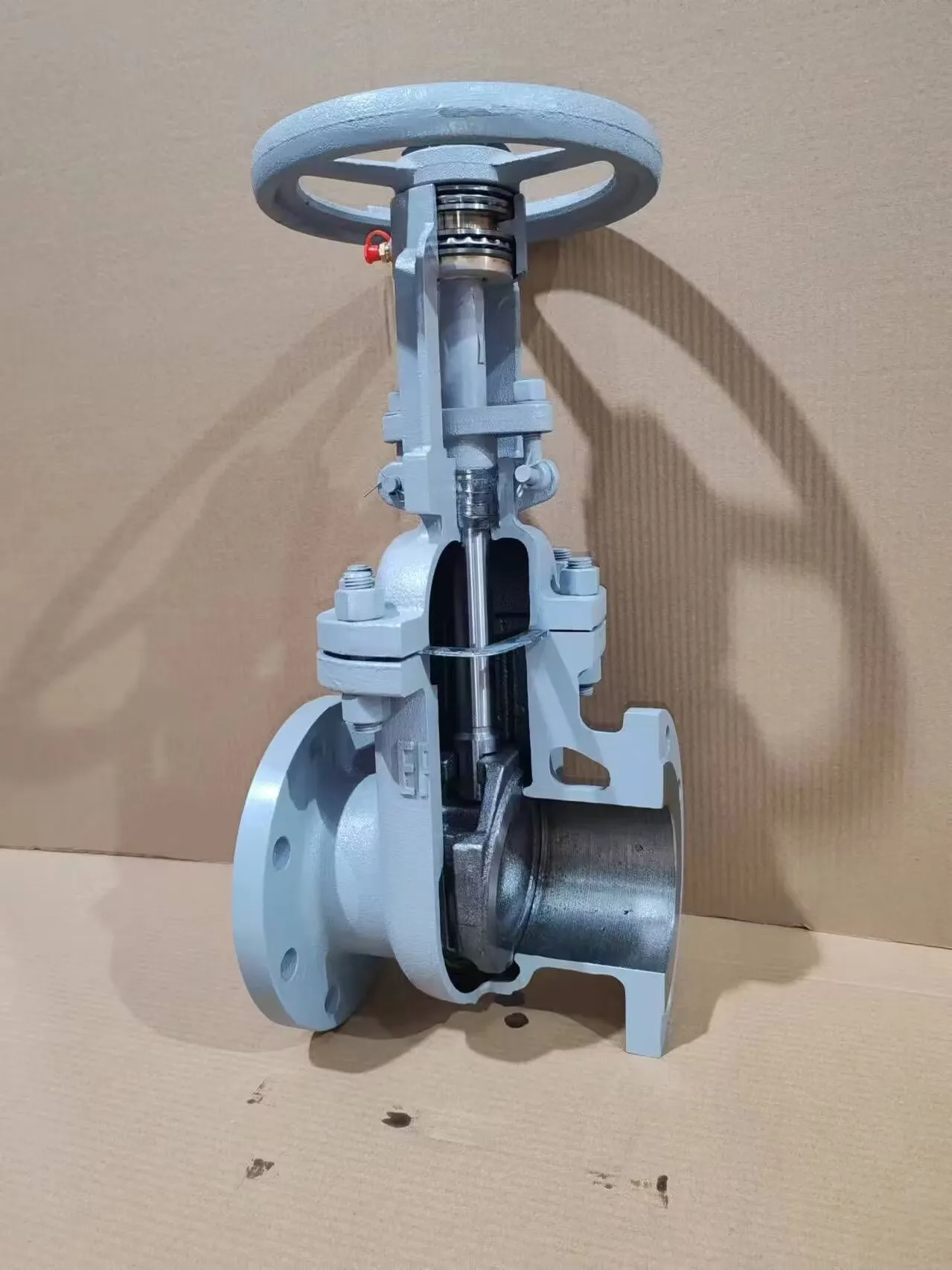
Performance & Engineering
The performance of a PRV is fundamentally governed by fluid dynamics and mechanical engineering principles. Force analysis involves calculating the lifting force generated by the process fluid pressure acting on the disc, opposing the spring force. The set pressure is determined by the spring rate and the effective area of the disc. Discharge capacity, quantified as a volumetric flow rate, is calculated using equations based on the valve’s orifice size, pressure drop, and fluid properties (density, viscosity, compressibility factor). Environmental resistance is a crucial consideration; PRVs exposed to extreme temperatures require materials with appropriate thermal expansion coefficients and seals resistant to thermal degradation. Corrosion resistance is addressed through material selection and potentially the application of protective coatings. Compliance requirements include adherence to ASME Section VIII Division 1 (for pressure vessels and piping), API 520/521 (for relief system design and sizing), and PED (Pressure Equipment Directive) for European markets. Functional implementation relies on accurate sizing to handle anticipated overpressure scenarios, proper installation to avoid pressure drop and back pressure effects, and regular testing (lift tests) to verify operability. Backpressure, exerted on the downstream side of the valve, can significantly impact set pressure and discharge capacity, necessitating careful consideration during system design.
Technical Specifications
| Parameter | Unit | Typical Value (Carbon Steel) | Typical Value (316 Stainless Steel) |
|---|---|---|---|
| Maximum Allowable Working Pressure (MAWP) | psi | 5000 | 4000 |
| Set Pressure Range | psi | 100-4500 | 100-3000 |
| Orifice Size | inches | 1/2 - 4 | 1/2 - 3 |
| Connection Type | - | Flanged, Screwed, Welded | Flanged, Screwed, Welded |
| Temperature Range | °F | -20 to 450 | -20 to 600 |
| Discharge Coefficient (Cd) | - | 0.6 – 0.8 | 0.6 – 0.8 |
Failure Mode & Maintenance
Common failure modes for PRVs include seat leakage (due to erosion, corrosion, or foreign particle entrapment), spring fatigue (leading to reduced set pressure accuracy), disc sticking (caused by corrosion or buildup of process fluids), and body cracking (resulting from thermal cycling or excessive stress). Failure analysis often reveals that improper sizing, corrosive fluids, or inadequate maintenance contribute significantly to premature failure. Fatigue cracking in the spring can occur due to repeated lifting and reseating cycles. Delamination of polymeric seals can occur due to chemical attack or thermal degradation. Oxidation of metal components in high-temperature environments can lead to loss of material and reduced functionality. Maintenance involves periodic inspection for corrosion, erosion, and damage. Regular lift tests (conducted quarterly or annually, depending on criticality) are crucial to verify operability and set pressure accuracy. Preventive maintenance includes lubricating moving parts, replacing seals, and recalibrating the spring. Thorough documentation of maintenance activities is essential for tracking valve performance and identifying potential issues. When replacing components, it’s vital to use OEM-approved parts to ensure compatibility and maintain the valve’s original performance characteristics.
Industry FAQ
Q: What is the difference between a conventional and balanced bellows PRV, and when should each be used?
A: Conventional PRVs vent directly to atmosphere, potentially exposing the spring and other internal components to corrosive process fluids. Balanced bellows PRVs utilize a sealed bellows system to isolate the spring and stem from the process fluid, significantly extending valve life in corrosive environments. Balanced bellows valves are preferred for critical applications involving toxic, corrosive, or high-purity fluids, while conventional valves are suitable for less demanding applications.
Q: How does back pressure affect the performance of a PRV?
A: Back pressure, the pressure on the outlet side of the valve, can either positively or negatively impact PRV performance. Superimposed back pressure can reduce the valve’s lifting force, potentially requiring a higher set pressure. Excessive back pressure can also cause valve chatter and seat damage. PRVs are often categorized based on their back pressure sensitivity, and proper sizing and selection are crucial to account for anticipated back pressure conditions.
Q: What are the key considerations when sizing a PRV?
A: Accurate sizing requires determining the required relief rate, which is the maximum amount of fluid that could be discharged during an overpressure event. This calculation involves considering the potential causes of overpressure (e.g., fire, runaway reaction, control failure), the volume of the protected equipment, and the heating rate. Sizing calculations must adhere to API 520/521 standards.
Q: What is the recommended frequency for lift tests?
A: The recommended frequency for lift tests depends on the criticality of the application and the valve’s service environment. For critical applications involving hazardous fluids or high-pressure systems, quarterly lift tests are often recommended. For less critical applications, annual lift tests may suffice. Documentation of lift test results is essential for maintaining a reliable safety system.
Q: What materials are best suited for PRVs handling hydrogen sulfide (H2S)?
A: H2S is a highly corrosive gas. Materials such as 316 stainless steel, Duplex stainless steel, and Alloy 20 are commonly used for PRVs handling H2S. The specific material selection should be based on the H2S concentration, temperature, and pressure. Consideration should also be given to the use of corrosion inhibitors and proper venting to minimize H2S exposure.
Conclusion
Pressure release valves represent a critical, often underestimated, component in ensuring the safe and reliable operation of industrial processes. Their proper selection, installation, and maintenance are paramount to preventing catastrophic equipment failure, protecting personnel, and maintaining regulatory compliance. The material science underpinning PRV construction directly influences their resistance to corrosive environments and temperature extremes, while precise manufacturing techniques guarantee accurate performance and long-term durability.
Future trends in PRV technology are focused on intelligent valve designs incorporating remote monitoring capabilities, predictive maintenance algorithms, and self-diagnostic features. These advancements will enable proactive identification of potential issues, minimizing downtime and optimizing system safety. As industrial processes become increasingly complex and demanding, the role of the PRV will continue to evolve, demanding continuous innovation and a commitment to best practices in design, manufacturing, and maintenance.
-
Top Reasons to Choose a Stainless Steel Flange Check Valve for Industrial Applications
-
24vdc solenoid valve Performance Analysis
-
24vdc solenoid valves Performance Analysis
-
solenoid valves 24vdc Performance Analysis
-
solenoid valve 24 vdc Performance Analysis
-
24v dc solenoid valve Performance Analysis
-
circle seal check valve Performance Engineering
-
circle seal check valves Performance Analysis
-
cryogenic check valve Performance Analysis
-
3 swing check valve Performance Analysis
-
4 wafer check valve Performance Analysis
-
6 wafer check valve Performance Analysis
-
cryogenic check valves Performance Analysis
-
soft seated check valve Performance Analysis
-
3/4 check valve Performance Analysis
 Afrikaans
 Albanian
 Amharic
 Arabic
 Armenian
 Azerbaijani
 Basque
 Belarusian
 Bengali
 Bosnian
 Bulgarian
 Catalan
 Cebuano
 Corsican
 Croatian
 Czech
Czech
 Danish
 Dutch
Dutch
 Esperanto
 Estonian
 Finnish
 French
 Frisian
 Galician
 Georgian
 German
 Greek
Greek
 Gujarati
 Haitian Creole
 Hausa
Hawaiian
Hausa
Hawaiian
 Hebrew
 Hindi
Hindi
 Miao
Miao
 Hungarian
 Icelandic
 Igbo
Igbo
 Indonesian
 Irish
Irish
 Italian
 Japanese
 Javanese
Kannada
Javanese
Kannada
 Kazakh
 Khmer
Khmer
 Rwandese
 Korean
 Kurdish
 Kyrgyz
 Lao
Lao
 Latin
Latin
 Latvian
 Lithuanian
 Luxembourgish
 Macedonian
 Malgashi
 Malay
Malay
 Malayalam
 Maltese
 Maori
Maori
 Marathi
 Mongolian
 Myanmar
 Nepali
 Norwegian
 Norwegian
 Occitan
 Pashto
 Persian
 Polish
 Portuguese
Punjabi
Portuguese
Punjabi
 Romanian
 Russian
 Samoan
 Scottish Gaelic
 Serbian
 Sesotho
 Shona
Shona
 Sindhi
 Sinhala
 Slovak
 Slovenian
 Somali
 Spanish
 Sundanese
 Swahili
 Swedish
Tagalog
Swedish
Tagalog
 Tajik
Tajik
 Tamil
Tamil
 Tatar
Tatar
 Telugu
 Thai
Thai
 Turkish
 Turkmen
 Ukrainian
 Urdu
Urdu
 Uighur
 Uzbek
Uzbek
 Vietnamese
 Welsh
Welsh
 Bantu
Bantu
 Yiddish
 Yoruba
 Zulu
Zulu
 English