




Water control valve Performance Engineering
Introduction
Water control valves are essential components in fluid management systems, regulating the flow of water within industrial, commercial, and residential applications. Positioned within the broader industrial valve landscape – encompassing gate valves, globe valves, ball valves, butterfly valves, and check valves – water control valves distinguish themselves through their precise modulation capabilities and suitability for varying pressure and flow rate requirements. Their function extends beyond simple on/off control, facilitating dynamic adjustments critical for process optimization, pressure regulation, and system protection. Core performance characteristics include flow coefficient (Cv), pressure drop, sealing integrity, and responsiveness. This guide provides a comprehensive technical overview of water control valves, encompassing material science, manufacturing processes, performance engineering, failure modes, and relevant industry standards. The primary industry pain points addressed include valve cavitation, erosion, water hammer, and ensuring compliance with potable water regulations.
Material Science & Manufacturing
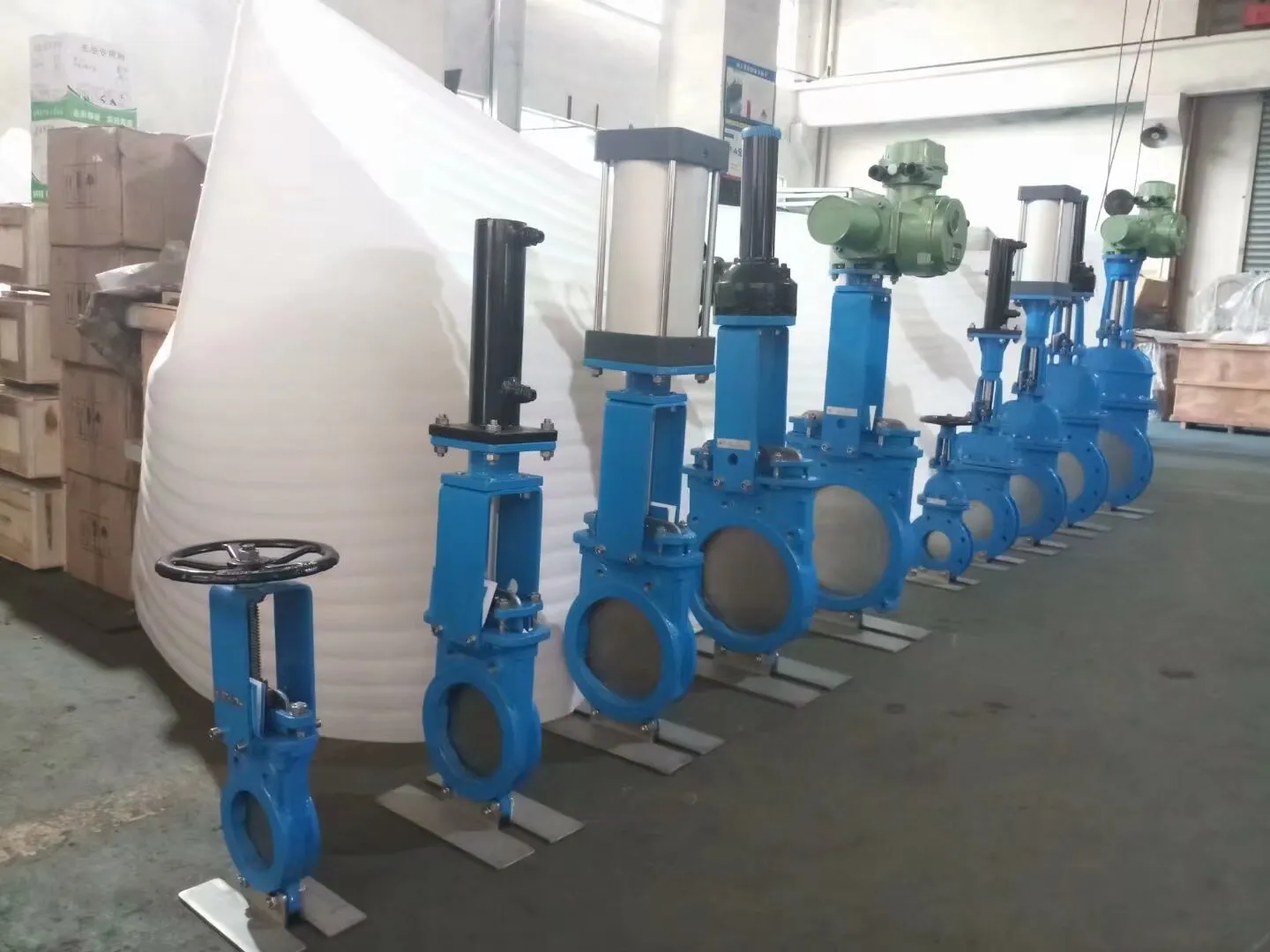
The body of a water control valve is commonly constructed from ductile iron (ASTM A536), stainless steel (304/316 – ASTM A240), or engineered polymers like PVC or CPVC (ASTM D1785). Ductile iron provides cost-effectiveness and adequate strength for many applications but requires protective coatings (epoxy or fusion bonded epoxy – FBE) to prevent corrosion. Stainless steel offers superior corrosion resistance, particularly 316, which contains molybdenum for enhanced chloride resistance, making it suitable for saline or brackish water systems. Polymer valves are lightweight and resistant to many chemicals but have lower pressure and temperature ratings. Trim materials – including discs, seats, and stems – are typically bronze (ASTM B584), stainless steel, or ceramic. Elastomeric seals (EPDM – ASTM D1418, Viton – ASTM D395) ensure tight shut-off. Manufacturing processes vary depending on the material and valve type. Ductile iron housings are produced via sand casting, followed by machining for precise dimensions. Stainless steel bodies can be cast, forged, or fabricated. Polymer valves are often injection molded (ASTM D4101). Critical parameter control during manufacturing includes dimensional accuracy of sealing surfaces (maintained within ±0.025mm), surface finish to minimize friction, and heat treatment of metallic components to achieve desired hardness and tensile strength. Welding processes, where applicable (e.g., for stainless steel fabrication), require adherence to ASME Section IX standards to ensure weld integrity and prevent porosity or cracking. The choice of material and manufacturing process is dictated by the intended application’s operating pressure, temperature, and fluid compatibility.
Performance & Engineering
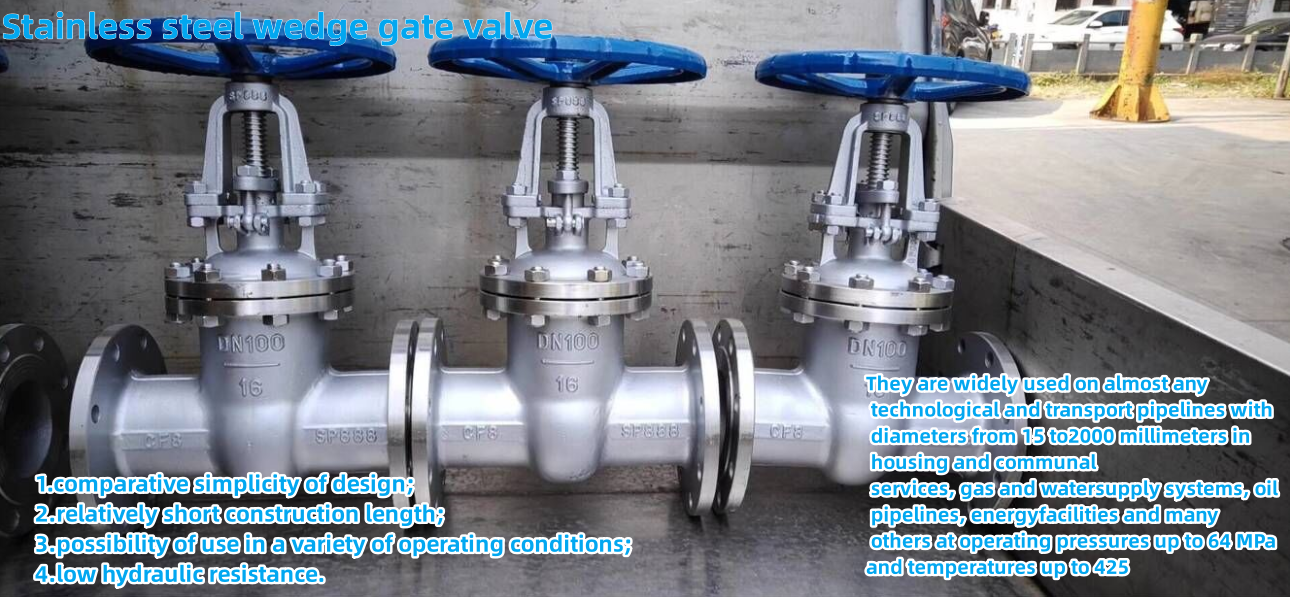
The performance of a water control valve is fundamentally governed by fluid dynamics principles. Bernoulli's equation dictates the relationship between pressure, velocity, and elevation within the valve. Force analysis considers the hydrodynamic forces acting on the disc and stem, particularly at high flow velocities, which can lead to cavitation. Cavitation – the formation and collapse of vapor bubbles – causes erosion and noise, significantly reducing valve lifespan. Valve sizing is critical to avoid cavitation and ensure optimal performance. The flow coefficient (Cv) and pressure drop across the valve are key parameters. Environmental resistance is paramount, particularly in outdoor applications where valves are exposed to UV radiation, temperature fluctuations, and potential freezing. Compliance requirements vary based on the application. Potable water systems must adhere to NSF/ANSI 61 standards to ensure materials do not leach harmful contaminants. Valves used in irrigation systems may need to meet EPA WaterSense criteria for water efficiency. Functional implementation often involves integration with control systems (PLC, SCADA). Actuation methods include pneumatic, electric, and hydraulic, each offering different response times and control precision. The selection of the actuator is crucial to match the valve’s torque requirements and system response needs. Valves must also be designed to withstand water hammer – a pressure surge caused by sudden changes in flow – which can cause catastrophic failure. This is achieved through appropriate valve design, slow closure rates, and the use of surge suppressors.
Technical Specifications
| Parameter | Unit | Ductile Iron Valve | Stainless Steel 316 Valve |
|---|---|---|---|
| Maximum Operating Pressure | psi | 250 | 500 |
| Temperature Range | °F | -20 to 250 | -40 to 400 |
| Cv (Flow Coefficient) | gpm | 10-120 (depending on size) | 15-150 (depending on size) |
| Connection Type | - | Flanged, Threaded, Mechanical Joint | Flanged, Welded |
| Seal Material | - | EPDM, NBR | EPDM, Viton |
| Actuator Type | - | Pneumatic, Electric | Pneumatic, Electric |
Failure Mode & Maintenance
Water control valve failures commonly stem from several mechanisms. Corrosion, particularly in ductile iron valves lacking adequate protective coatings, leads to body weakening and leakage. Cavitation erodes valve trim components, reducing flow capacity and causing noisy operation. Erosion from abrasive particles in the fluid stream also damages trim. Elastomeric seals degrade over time due to chemical attack, UV exposure, and mechanical stress, resulting in leakage. Fatigue cracking can occur in valve stems and discs due to cyclic loading. Delamination of coatings can accelerate corrosion. Oxidation of stainless steel, while generally resistant, can occur under specific conditions (e.g., chloride-rich environments). Maintenance involves regular inspection for corrosion, erosion, and leakage. Periodic replacement of seals and packing is crucial. Actuator maintenance includes lubrication and calibration. Non-destructive testing (NDT) methods – such as ultrasonic testing and liquid penetrant inspection – can detect hidden cracks or flaws. Preventative maintenance programs, based on operating hours and fluid conditions, extend valve lifespan and reduce unplanned downtime. A thorough failure analysis, involving metallurgical examination and fluid analysis, is recommended for catastrophic failures to identify root causes and prevent recurrence. For valves operating in critical applications, redundant valve configurations or automated fail-safe mechanisms are advisable.
Industry FAQ
Q: What is the impact of water hardness on valve longevity?
A: High water hardness – caused by dissolved calcium and magnesium – can lead to scaling within the valve body and on trim components. This scaling reduces flow area, increases pressure drop, and accelerates corrosion under the scale deposits. Regular flushing and the use of water softening systems are recommended to mitigate this issue.
Q: How does the choice of actuator affect control accuracy?
A: Electric actuators generally provide higher positioning accuracy and repeatability compared to pneumatic actuators. Pneumatic actuators are faster responding but can be more susceptible to pressure fluctuations. The actuator's resolution (e.g., number of steps for a stepper motor) directly impacts control precision.
Q: What are the considerations when selecting a valve for a slurry application?
A: Slurry applications require valves designed to withstand abrasive wear. High-hardness materials (e.g., ceramic trim) and robust coatings are essential. Valves with large flow passages and streamlined designs minimize erosion. Frequent inspection and replacement of wear parts are necessary.
Q: How can I prevent water hammer in a pipeline system?
A: Preventing water hammer involves slow valve closure, the installation of surge suppressors (air chambers or pressure relief valves), and proper pipeline support to minimize pressure waves. Maintaining consistent flow velocities and avoiding sudden changes in flow rate also helps.
Q: What is the role of valve linearization in process control?
A: Valve linearization corrects for the inherent non-linear relationship between valve position and flow rate. This ensures consistent flow control across the entire valve opening range, improving process accuracy and stability. Linearization is typically achieved through electronic signal processing or valve characterization.
Conclusion
Water control valves represent a critical element in numerous fluid handling systems. Their proper selection, installation, and maintenance are essential for ensuring efficient operation, preventing costly downtime, and adhering to stringent regulatory requirements. Understanding the interplay between material science, manufacturing processes, performance engineering, and potential failure modes is paramount for optimal valve performance.
Future advancements in water control valve technology are likely to focus on smart valve designs incorporating integrated sensors, predictive maintenance capabilities, and enhanced materials with improved corrosion resistance and wear characteristics. These advancements will contribute to improved system reliability, reduced operational costs, and a more sustainable approach to water management.
-
Top Reasons to Choose a Stainless Steel Flange Check Valve for Industrial Applications
-
24vdc solenoid valve Performance Analysis
-
24vdc solenoid valves Performance Analysis
-
solenoid valves 24vdc Performance Analysis
-
solenoid valve 24 vdc Performance Analysis
-
24v dc solenoid valve Performance Analysis
-
circle seal check valve Performance Engineering
-
circle seal check valves Performance Analysis
-
cryogenic check valve Performance Analysis
-
3 swing check valve Performance Analysis
-
4 wafer check valve Performance Analysis
-
6 wafer check valve Performance Analysis
-
cryogenic check valves Performance Analysis
-
soft seated check valve Performance Analysis
-
3/4 check valve Performance Analysis
 Afrikaans
 Albanian
 Amharic
 Arabic
 Armenian
 Azerbaijani
 Basque
 Belarusian
 Bengali
 Bosnian
 Bulgarian
 Catalan
 Cebuano
 Corsican
 Croatian
 Czech
Czech
 Danish
 Dutch
Dutch
 Esperanto
 Estonian
 Finnish
 French
 Frisian
 Galician
 Georgian
 German
 Greek
Greek
 Gujarati
 Haitian Creole
 Hausa
Hawaiian
Hausa
Hawaiian
 Hebrew
 Hindi
Hindi
 Miao
Miao
 Hungarian
 Icelandic
 Igbo
Igbo
 Indonesian
 Irish
Irish
 Italian
 Japanese
 Javanese
Kannada
Javanese
Kannada
 Kazakh
 Khmer
Khmer
 Rwandese
 Korean
 Kurdish
 Kyrgyz
 Lao
Lao
 Latin
Latin
 Latvian
 Lithuanian
 Luxembourgish
 Macedonian
 Malgashi
 Malay
Malay
 Malayalam
 Maltese
 Maori
Maori
 Marathi
 Mongolian
 Myanmar
 Nepali
 Norwegian
 Norwegian
 Occitan
 Pashto
 Persian
 Polish
 Portuguese
Punjabi
Portuguese
Punjabi
 Romanian
 Russian
 Samoan
 Scottish Gaelic
 Serbian
 Sesotho
 Shona
Shona
 Sindhi
 Sinhala
 Slovak
 Slovenian
 Somali
 Spanish
 Sundanese
 Swahili
 Swedish
Tagalog
Swedish
Tagalog
 Tajik
Tajik
 Tamil
Tamil
 Tatar
Tatar
 Telugu
 Thai
Thai
 Turkish
 Turkmen
 Ukrainian
 Urdu
Urdu
 Uighur
 Uzbek
Uzbek
 Vietnamese
 Welsh
Welsh
 Bantu
Bantu
 Yiddish
 Yoruba
 Zulu
Zulu
 English