




china 3 4 spring check valve Performance Analysis
Introduction
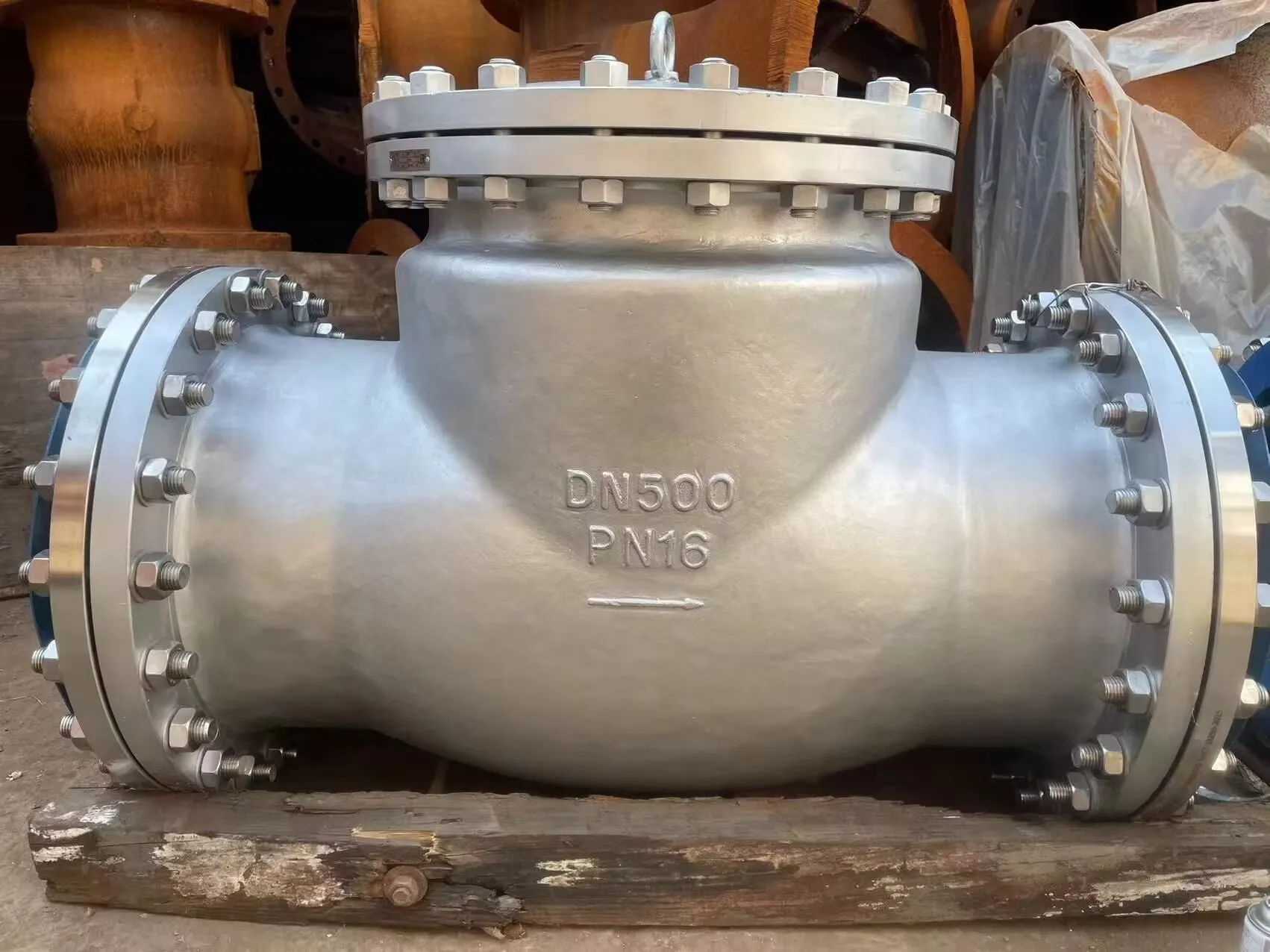
The 3/4” spring check valve, manufactured in China, is a critical component in fluid handling systems across a diverse range of industries. Functionally, it’s a self-actuating valve designed to prevent backflow in pipelines, ensuring unidirectional fluid transport. Positioned within the industry chain, it typically serves as a downstream safety device following pumps, compressors, or other pressure-generating equipment. Its core performance characteristics are defined by its cracking pressure (the minimum upstream pressure required to open the valve), flow coefficient (Cv), and sealing capability. The prevalent use of materials like brass, stainless steel (304/316), and ductile iron in its construction dictates its suitability for various media and operating temperatures. This guide will provide an in-depth technical overview of these valves, encompassing materials, manufacturing processes, performance characteristics, failure modes, and relevant industry standards.
Material Science & Manufacturing
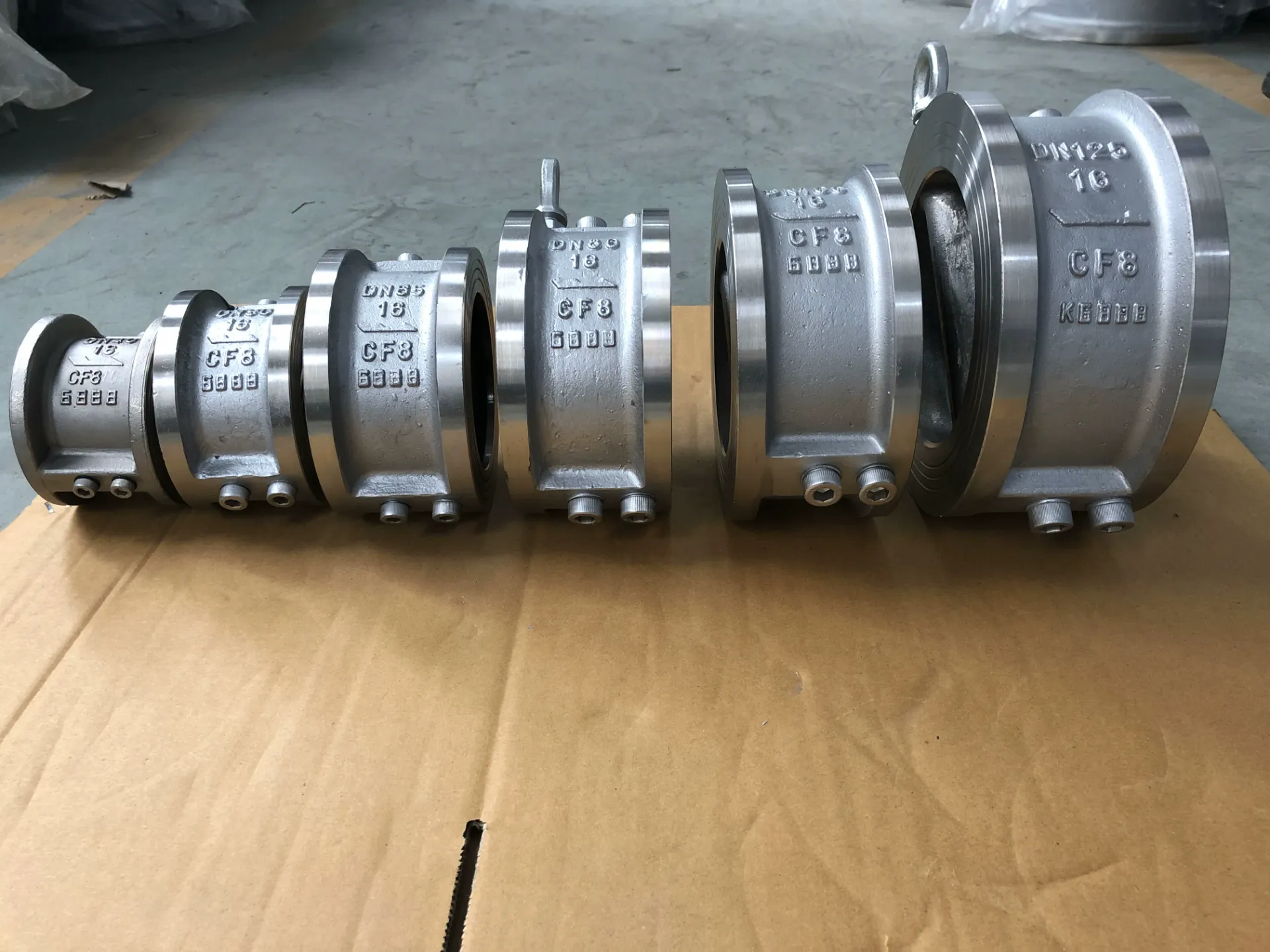
The body of a 3/4” spring check valve is commonly manufactured from brass (CZ121, C37700), stainless steel (304, 316), or ductile iron (QT450-10). Brass offers good corrosion resistance for water and some non-aggressive fluids but is susceptible to dezincification in certain environments. Stainless steel, particularly 316, provides superior corrosion resistance, especially against chlorides, making it ideal for seawater or chemical processing applications. Ductile iron offers high tensile strength and good shock resistance but requires protective coatings (epoxy, fusion-bonded epoxy) to prevent corrosion. The internal components – the disc and spring – are typically manufactured from stainless steel (304, 316) for durability and corrosion resistance.
Manufacturing processes vary depending on the material. Brass valves are often produced via investment casting or sand casting, followed by machining to precise dimensions. Stainless steel valves utilize investment casting or forging, requiring extensive machining and polishing. Ductile iron valves are typically produced through sand casting. The spring is manufactured through a cold-coiling process from spring steel, followed by heat treatment for optimal resilience and load-bearing capacity. Critical parameters during manufacturing include dimensional accuracy of the disc and seat to ensure leak-tight sealing, spring compression length to control cracking pressure, and surface finish to minimize friction and wear. Welding processes (TIG, MIG) used for joining components are subject to stringent quality control, including non-destructive testing (radiography, liquid penetrant inspection) to detect defects. Post-manufacturing, valves undergo hydrostatic testing to verify pressure integrity and leakage.
Performance & Engineering
The performance of a 3/4” spring check valve is governed by fluid dynamics and material properties. The cracking pressure, a crucial parameter, is determined by the spring force and the effective area of the disc. Engineering calculations involve force balance: the spring force must overcome the hydrodynamic force exerted by the backflow to initiate closing. The flow coefficient (Cv) dictates the valve’s capacity to handle a specific flow rate at a given pressure drop. Cv is determined through empirical testing and is dependent on the valve’s internal geometry. Environmental resistance is critical; operating temperature ranges dictate material selection. For example, high-temperature applications necessitate stainless steel with appropriate creep resistance. Pressure-temperature ratings (ANSI/ASME B16.34) define the valve’s safe operating limits.
Engineering considerations extend to the valve’s susceptibility to water hammer. Rapid closure can generate pressure surges that can damage the valve or the piping system. The spring’s damping effect mitigates this to some extent, but system design must incorporate surge protection devices if necessary. Compliance requirements often necessitate adherence to specific standards for potable water applications (NSF/ANSI 61), ensuring the valve materials do not leach harmful substances into the water supply. Furthermore, certain industries (pharmaceutical, food processing) demand sanitary-grade valves with smooth internal surfaces to prevent bacterial buildup and facilitate cleaning-in-place (CIP) procedures.
Technical Specifications
| Parameter | Brass (CZ121) | Stainless Steel 304 | Stainless Steel 316 | Ductile Iron (QT450-10) with Epoxy Coating |
|---|---|---|---|---|
| Nominal Size | 3/4” (DN20) | 3/4” (DN20) | 3/4” (DN20) | 3/4” (DN20) |
| Maximum Pressure | 20 bar (290 psi) | 40 bar (580 psi) | 40 bar (580 psi) | 60 bar (870 psi) |
| Temperature Range | -20°C to 90°C (-4°F to 194°F) | -20°C to 180°C (-4°F to 356°F) | -20°C to 200°C (-4°F to 392°F) | -20°C to 120°C (-4°F to 248°F) |
| Cracking Pressure (Typical) | 0.05 - 0.1 bar (0.7 - 1.45 psi) | 0.05 - 0.1 bar (0.7 - 1.45 psi) | 0.05 - 0.1 bar (0.7 - 1.45 psi) | 0.05 - 0.1 bar (0.7 - 1.45 psi) |
| Flow Coefficient (Cv) | 1.2 | 1.5 | 1.5 | 1.8 |
| Connection Type | Threaded (BSPT, NPT) | Threaded (BSPT, NPT), Flanged | Threaded (BSPT, NPT), Flanged | Flanged |
Failure Mode & Maintenance
Common failure modes in 3/4” spring check valves include seat erosion due to particulate matter in the fluid, spring fatigue leading to reduced cracking pressure or valve failure to close, and corrosion resulting in leakage. Fatigue cracking can occur in the valve body, particularly in areas subjected to high stress. Delamination of epoxy coatings on ductile iron valves can expose the iron to corrosion. Oxidation of stainless steel components can occur at elevated temperatures or in corrosive environments.
Preventative maintenance is crucial. Regular inspection should include visual checks for corrosion, leakage, and mechanical damage. Periodic backwashing or flushing can remove particulate buildup. Spring replacement is recommended based on usage and operating conditions (typically every 2-5 years). Lubrication of moving parts (disc, hinge) with a compatible lubricant can reduce friction and wear. For corroded valves, complete replacement is often necessary. If leakage occurs due to seat damage, lapping or seat replacement may be possible. Adherence to a documented maintenance schedule and proper storage procedures (dry, protected from contaminants) can significantly extend the valve’s lifespan.
Industry FAQ
Q: What are the primary factors influencing the selection between a brass and stainless steel 316 spring check valve for a seawater application?
A: For seawater applications, stainless steel 316 is highly recommended over brass. Seawater's high chloride content induces localized corrosion (pitting) in brass, leading to premature failure. Stainless steel 316 exhibits superior corrosion resistance in chloride-rich environments due to the addition of molybdenum, forming a passive layer that protects against corrosion. While brass is more cost-effective, the long-term reliability and reduced maintenance requirements of 316 stainless steel make it the preferred choice for seawater applications.
Q: How does the cracking pressure of a spring check valve impact the system’s performance, and what considerations are important during selection?
A: The cracking pressure is the minimum upstream pressure required to open the valve. A low cracking pressure can lead to valve chatter or fluttering, especially in systems with fluctuating flow rates, causing noise and premature wear. A high cracking pressure may prevent the valve from opening at low flow rates, potentially leading to system inefficiencies or backflow. Selection should align with the system's operating pressure range, considering potential pressure fluctuations and the desired flow characteristics.
Q: What are the implications of exceeding the maximum temperature rating specified for a spring check valve?
A: Exceeding the maximum temperature rating can significantly compromise the valve’s integrity. It can lead to a reduction in material strength, accelerated corrosion, and degradation of sealing materials. The spring may lose its temper, altering the cracking pressure and potentially leading to valve failure. Exceeding the temperature rating voids the manufacturer’s warranty and can result in catastrophic failure, posing safety hazards.
Q: What are the critical considerations for ensuring the compatibility of the valve materials with the fluid being conveyed?
A: Material compatibility is paramount. Exposure to incompatible fluids can cause corrosion, swelling, or degradation of valve components. For example, certain chemicals can attack brass or stainless steel. It’s essential to consult a chemical compatibility chart or the manufacturer’s documentation to ensure the valve materials are resistant to the specific fluid. Factors to consider include pH, concentration, temperature, and the presence of corrosive agents.
Q: What role does hydrostatic testing play in validating the quality and reliability of a spring check valve?
A: Hydrostatic testing is a critical quality control procedure. It involves pressurizing the valve body with a non-compressible fluid (typically water) to a pressure significantly higher than its maximum operating pressure. This test verifies the structural integrity of the valve, identifies any leaks, and ensures the valve can withstand the expected operating conditions. It is a crucial step in ensuring the valve meets specified performance and safety standards.
Conclusion
The 3/4” spring check valve, while seemingly simple in design, is a critical safety and performance component in a wide variety of fluid handling systems. Careful consideration of material selection, manufacturing processes, and operating parameters is essential to ensure reliable, long-term operation. Understanding the potential failure modes and implementing a proactive maintenance program are key to maximizing the valve's lifespan and minimizing downtime.
The continued advancements in material science and manufacturing techniques are driving improvements in the performance and durability of these valves. Future trends include the development of lightweight materials, enhanced corrosion resistance coatings, and smart valve technologies that incorporate sensors and remote monitoring capabilities. Proper specification and diligent maintenance remain the cornerstones of ensuring optimal performance and mitigating risks associated with backflow prevention.
-
Top Reasons to Choose a Stainless Steel Flange Check Valve for Industrial Applications
-
stop check valves Performance Analysis
-
pilot operated check valve Performance Analysis
-
spring loaded check valve Material Science Manufacturing
-
pilot operated check valves Performance Analysis
-
check valve pilot operated Performance Analysis
-
1 4 in check valve Performance Engineering
-
check valve 3 4 Performance Analysis
-
11 2 check valve Performance Analysis
-
spring check valve Material Science Manufacturing
-
DN100 Flange Performance Analysis
-
DN50 Flange Performance Analysis
-
double flanged butterfly valve Performance Analysis
-
forged flanges Performance Analysis
-
4 blind flange Performance Engineering
 Afrikaans
 Albanian
 Amharic
 Arabic
 Armenian
 Azerbaijani
 Basque
 Belarusian
 Bengali
 Bosnian
 Bulgarian
 Catalan
 Cebuano
 Corsican
 Croatian
 Czech
Czech
 Danish
 Dutch
Dutch
 Esperanto
 Estonian
 Finnish
 French
 Frisian
 Galician
 Georgian
 German
 Greek
Greek
 Gujarati
 Haitian Creole
 Hausa
Hawaiian
Hausa
Hawaiian
 Hebrew
 Hindi
Hindi
 Miao
Miao
 Hungarian
 Icelandic
 Igbo
Igbo
 Indonesian
 Irish
Irish
 Italian
 Japanese
 Javanese
Kannada
Javanese
Kannada
 Kazakh
 Khmer
Khmer
 Rwandese
 Korean
 Kurdish
 Kyrgyz
 Lao
Lao
 Latin
Latin
 Latvian
 Lithuanian
 Luxembourgish
 Macedonian
 Malgashi
 Malay
Malay
 Malayalam
 Maltese
 Maori
Maori
 Marathi
 Mongolian
 Myanmar
 Nepali
 Norwegian
 Norwegian
 Occitan
 Pashto
 Persian
 Polish
 Portuguese
Punjabi
Portuguese
Punjabi
 Romanian
 Russian
 Samoan
 Scottish Gaelic
 Serbian
 Sesotho
 Shona
Shona
 Sindhi
 Sinhala
 Slovak
 Slovenian
 Somali
 Spanish
 Sundanese
 Swahili
 Swedish
Tagalog
Swedish
Tagalog
 Tajik
Tajik
 Tamil
Tamil
 Tatar
Tatar
 Telugu
 Thai
Thai
 Turkish
 Turkmen
 Ukrainian
 Urdu
Urdu
 Uighur
 Uzbek
Uzbek
 Vietnamese
 Welsh
Welsh
 Bantu
Bantu
 Yiddish
 Yoruba
 Zulu
Zulu
 English