




china 3 inch split flange Performance Analysis
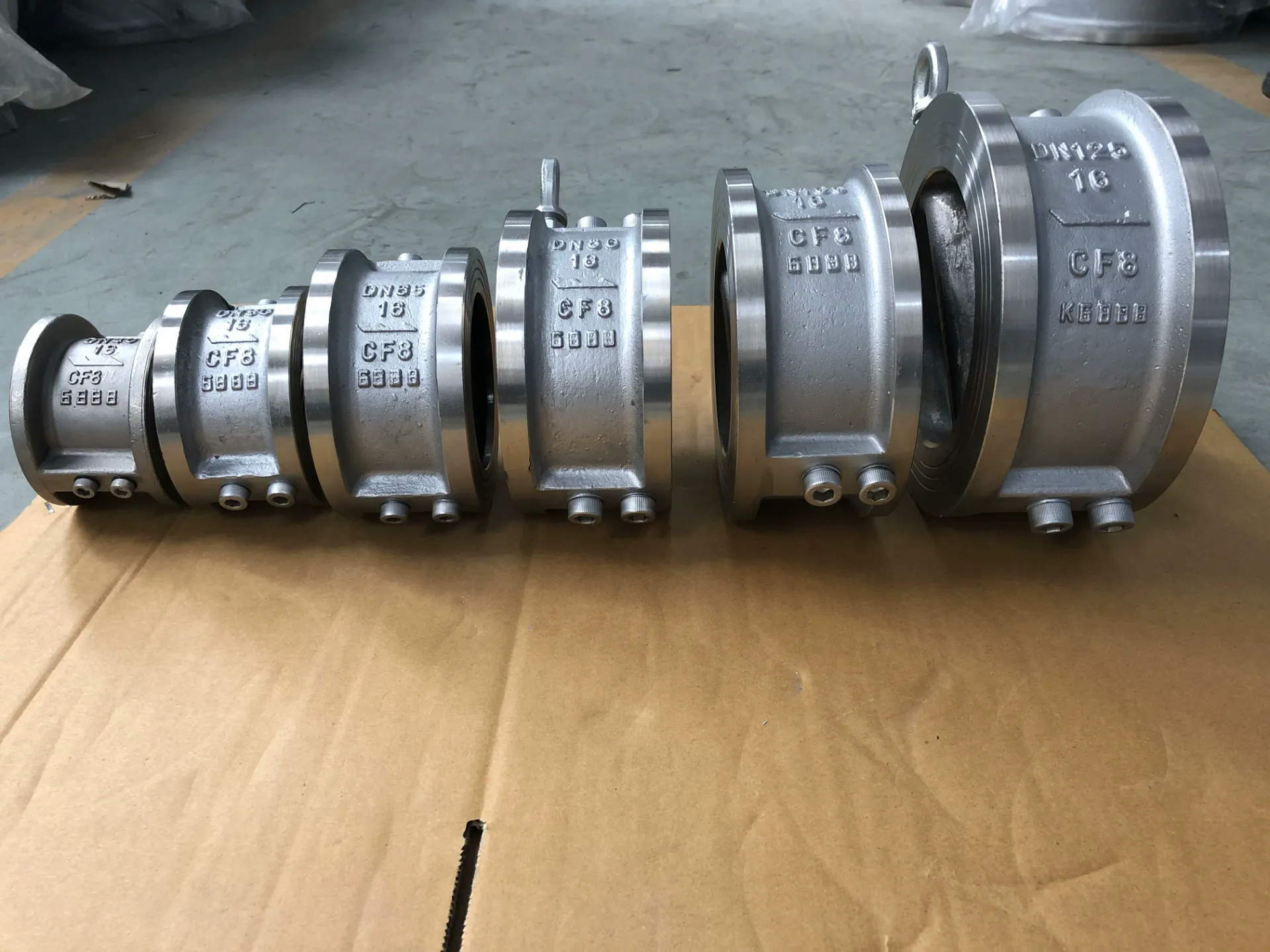
Introduction
A 3-inch split flange is a two-piece coupling component used to connect two pipes or a pipe and a piece of equipment. Predominantly employed in piping systems requiring frequent disassembly for inspection, cleaning, or maintenance, these flanges offer a significant advantage over welded connections where accessibility is limited. Commonly manufactured from carbon steel, stainless steel (304/316L), and alloy steels, the 3-inch size denotes the nominal pipe diameter. Within the broader flange market, split flanges occupy a niche focusing on maintainability and ease of installation/removal, especially vital in industries like petrochemicals, water treatment, and power generation. Core performance characteristics center around pressure containment, sealing integrity, and resistance to environmental degradation. Their use reduces downtime and maintenance costs compared to alternative connection methods.
Material Science & Manufacturing
The primary material for 3-inch split flanges is typically carbon steel (ASTM A105), chosen for its cost-effectiveness and adequate strength in many applications. Stainless steel (304/316L – ASTM A182) is selected for corrosive environments. Alloy steels, such as those conforming to ASTM A694, are used when high strength and temperature resistance are required. The manufacturing process usually begins with forging or casting a circular blank. This blank is then machined to create the two flange halves, including the bolt holes and mating faces. Critical parameters include achieving precise dimensional tolerances (diameter, bolt circle diameter, thickness) and a smooth, flat mating surface to ensure a leak-proof seal. The split is created via machining, ensuring a precise and consistent gap. Heat treatment is often employed to relieve residual stresses from machining and improve the material’s mechanical properties. Non-destructive testing (NDT), such as liquid penetrant inspection (LPI) or magnetic particle inspection (MPI), is performed to detect surface cracks and imperfections. Surface treatments, like galvanizing or painting, provide corrosion protection.

Performance & Engineering
Performance of a 3-inch split flange is governed by several engineering principles. Force analysis focuses on bolt loading, which must adequately compress the gasket to achieve a tight seal while remaining within the yield strength of the bolts and flange material. Finite element analysis (FEA) is often used to model stress distribution under various operating conditions (pressure, temperature, load). Environmental resistance is crucial, with material selection directly influencing performance in corrosive media or extreme temperatures. Compliance with industry standards like ASME B16.5 dictates flange dimensions, bolt patterns, and pressure-temperature ratings. Proper gasket selection (e.g., non-asbestos fiber, PTFE) is paramount, considering the fluid being conveyed, temperature, and pressure. The flange’s design must also account for thermal expansion and contraction of the piping system to prevent stress on the flange and gasket. Flange facing (Raised Face, Flat Face, Ring Type Joint) influences sealing effectiveness and pressure ratings. Bolt torque is a critical parameter; over-tightening can damage the flange or gasket, while under-tightening leads to leakage.
Technical Specifications
| Nominal Pipe Size (inch) | Pressure Rating (ANSI Class) | Material | Bolt Hole Diameter (mm) |
|---|---|---|---|
| 3 | 150 | Carbon Steel (ASTM A105) | 19.05 |
| 3 | 300 | Carbon Steel (ASTM A105) | 19.05 |
| 3 | 150 | Stainless Steel 304/316L (ASTM A182) | 19.05 |
| 3 | 300 | Stainless Steel 304/316L (ASTM A182) | 19.05 |
| 3 | 600 | Alloy Steel (ASTM A694) | 22.22 |
| 3 | 900 | Alloy Steel (ASTM A694) | 22.22 |
Failure Mode & Maintenance
Common failure modes for 3-inch split flanges include bolt failure due to over-torque or fatigue, gasket failure resulting in leakage, flange face damage from improper handling or corrosion, and crevice corrosion in stainless steel flanges due to trapped fluids. Fatigue cracking can occur in highly cyclic applications. Corrosion, particularly galvanic corrosion between dissimilar metals, can weaken the flange. Maintenance involves regular inspection for corrosion, bolt tightness verification, and gasket replacement. Bolt torque should be checked periodically using a calibrated torque wrench and tightened to the manufacturer's specifications. Damaged flange faces require re-machining or replacement. Preventative maintenance includes applying corrosion inhibitors and ensuring proper gasket selection. When disassembling, care should be taken to avoid damaging the mating surfaces. Regular NDT inspection (LPI/MPI) can detect early signs of cracking. Proper storage is essential to prevent corrosion during periods of non-use.
Industry FAQ
Q: What is the primary advantage of a split flange over a welded flange in a maintenance context?
A: The primary advantage is ease of disassembly. Split flanges allow for quick access to the piping system for inspection, cleaning, or component replacement without the need for cutting and re-welding, significantly reducing downtime and maintenance costs.
Q: What gasket materials are most suitable for aggressive chemical environments when using a 3-inch split flange?
A: PTFE (Teflon) gaskets, and compressed fiber gaskets with chemically resistant binders are often preferred. The specific selection depends on the exact chemical composition, concentration, and temperature. Compatibility charts should be consulted to ensure the gasket material is resistant to degradation.
Q: How do I determine the correct bolt torque for a 3-inch split flange connection?
A: Bolt torque values are typically specified by the flange manufacturer and should be based on the flange material, bolt size, and gasket type. Always refer to the manufacturer’s datasheet and use a calibrated torque wrench. Torque values vary significantly based on lubrication and flange facing.
Q: What are the potential consequences of using the wrong flange facing type (e.g., Raised Face vs. Flat Face)?
A: Using the wrong facing can lead to leakage. A Raised Face flange requires a Raised Face mating flange for proper sealing. Mating a Raised Face flange with a Flat Face flange will result in a poor seal. Ensure compatibility between the flange facings to maintain pressure containment.
Q: What NDT methods are recommended for detecting flaws in a newly installed 3-inch split flange?
A: Liquid Penetrant Inspection (LPI) and Magnetic Particle Inspection (MPI) are commonly used to detect surface cracks and imperfections. Radiographic testing (RT) can be used for detecting subsurface flaws, although it's less common for routine inspections due to cost and safety considerations.
Conclusion
The 3-inch split flange remains a critical component in numerous industrial piping systems, prized for its maintainability and adaptability. Understanding its material science, manufacturing processes, and engineering principles is essential for ensuring long-term reliability and preventing costly failures. Proper selection of materials, accurate torqueing of bolts, and diligent inspection routines are key to maximizing its lifespan and operational safety.
Looking ahead, advancements in gasket materials and flange coating technologies will continue to enhance the performance and corrosion resistance of split flanges. Increased adoption of digital torque wrenches with data logging capabilities will also improve maintenance practices and reduce the risk of human error. Continued adherence to international standards and best practices remains paramount for ensuring the integrity of piping systems utilizing these critical components.
-
Top Reasons to Choose a Stainless Steel Flange Check Valve for Industrial Applications
-
stop check valves Performance Analysis
-
pilot operated check valve Performance Analysis
-
spring loaded check valve Material Science Manufacturing
-
pilot operated check valves Performance Analysis
-
check valve pilot operated Performance Analysis
-
1 4 in check valve Performance Engineering
-
check valve 3 4 Performance Analysis
-
11 2 check valve Performance Analysis
-
spring check valve Material Science Manufacturing
-
DN100 Flange Performance Analysis
-
DN50 Flange Performance Analysis
-
double flanged butterfly valve Performance Analysis
-
forged flanges Performance Analysis
-
4 blind flange Performance Engineering
 Afrikaans
 Albanian
 Amharic
 Arabic
 Armenian
 Azerbaijani
 Basque
 Belarusian
 Bengali
 Bosnian
 Bulgarian
 Catalan
 Cebuano
 Corsican
 Croatian
 Czech
Czech
 Danish
 Dutch
Dutch
 Esperanto
 Estonian
 Finnish
 French
 Frisian
 Galician
 Georgian
 German
 Greek
Greek
 Gujarati
 Haitian Creole
 Hausa
Hawaiian
Hausa
Hawaiian
 Hebrew
 Hindi
Hindi
 Miao
Miao
 Hungarian
 Icelandic
 Igbo
Igbo
 Indonesian
 Irish
Irish
 Italian
 Japanese
 Javanese
Kannada
Javanese
Kannada
 Kazakh
 Khmer
Khmer
 Rwandese
 Korean
 Kurdish
 Kyrgyz
 Lao
Lao
 Latin
Latin
 Latvian
 Lithuanian
 Luxembourgish
 Macedonian
 Malgashi
 Malay
Malay
 Malayalam
 Maltese
 Maori
Maori
 Marathi
 Mongolian
 Myanmar
 Nepali
 Norwegian
 Norwegian
 Occitan
 Pashto
 Persian
 Polish
 Portuguese
Punjabi
Portuguese
Punjabi
 Romanian
 Russian
 Samoan
 Scottish Gaelic
 Serbian
 Sesotho
 Shona
Shona
 Sindhi
 Sinhala
 Slovak
 Slovenian
 Somali
 Spanish
 Sundanese
 Swahili
 Swedish
Tagalog
Swedish
Tagalog
 Tajik
Tajik
 Tamil
Tamil
 Tatar
Tatar
 Telugu
 Thai
Thai
 Turkish
 Turkmen
 Ukrainian
 Urdu
Urdu
 Uighur
 Uzbek
Uzbek
 Vietnamese
 Welsh
Welsh
 Bantu
Bantu
 Yiddish
 Yoruba
 Zulu
Zulu
 English