




china 6 inch drainage pipe fittings Material Analysis
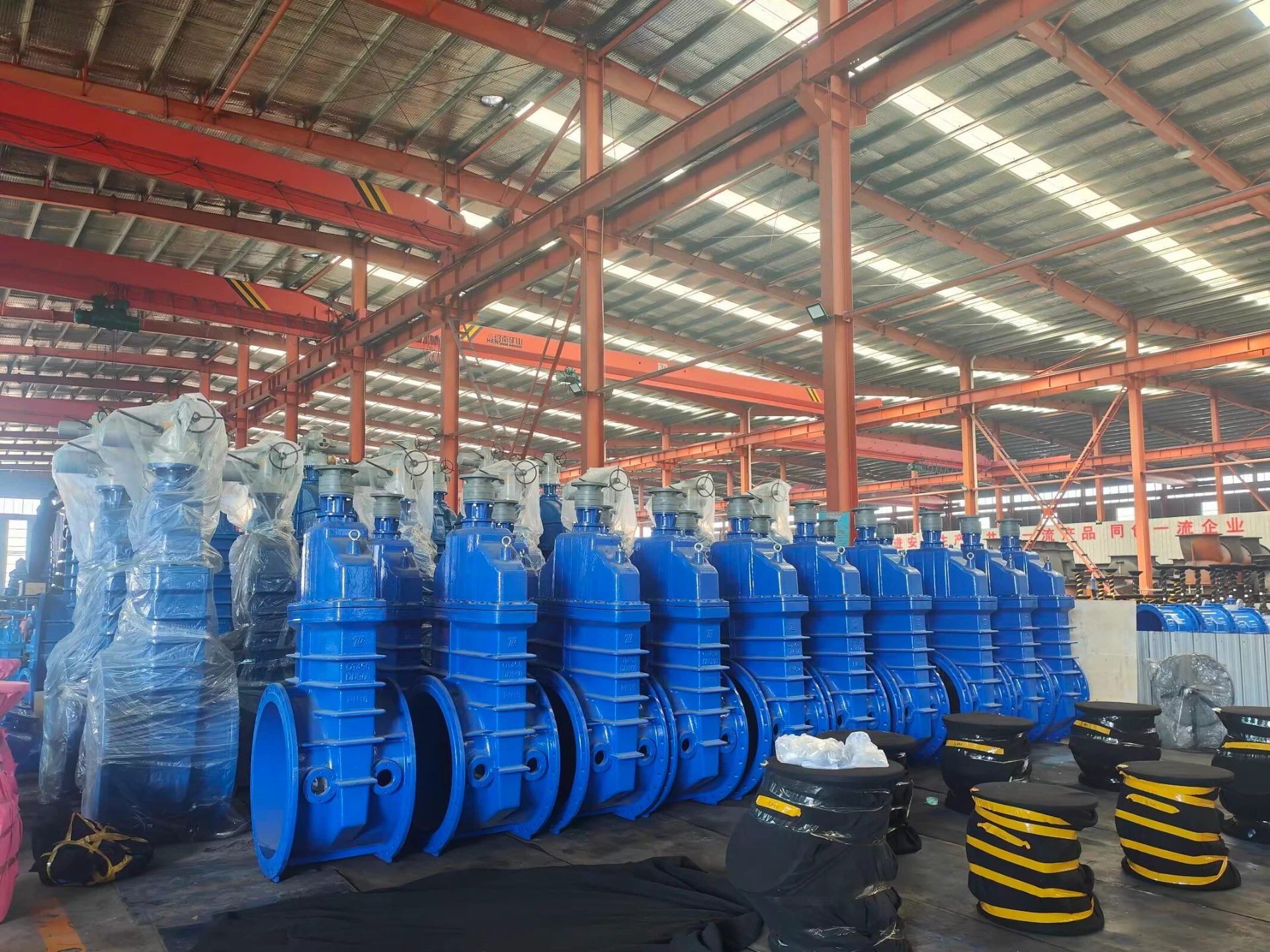
Introduction
China 6 inch drainage pipe fittings represent a crucial component in wastewater management and infrastructure systems globally. These fittings, typically manufactured from Polyvinyl Chloride (PVC), Polypropylene (PP), or Ductile Iron, facilitate the connection and directional change of 6-inch diameter drainage pipes. Their position within the industry chain is as essential joining elements between linear pipe sections, manholes, and connection points to treatment facilities. Core performance characteristics are defined by hydraulic flow capacity, leak-proof sealing, resistance to chemical degradation from common wastewater constituents, and structural integrity under anticipated ground loads. A key pain point for procurement managers lies in ensuring consistent quality across varying Chinese manufacturers, as material formulations and manufacturing tolerances can significantly impact long-term performance and adherence to international standards. The proliferation of substandard products necessitates rigorous quality control and verification processes.
Material Science & Manufacturing
The predominant material for 6-inch drainage pipe fittings is PVC, specifically Polyvinyl Chloride compounds formulated for underground applications. The base PVC resin provides inherent chemical resistance and ease of processing. However, stabilizers, lubricants, and impact modifiers are crucial additives. Common stabilizers include calcium-zinc formulations replacing previously used lead-based compounds due to environmental concerns. Impact modifiers, typically chlorinated polyethylene (CPE), enhance toughness, particularly at lower temperatures. Manufacturing primarily employs injection molding. Molten PVC compound is injected under high pressure into a steel mold cavity. Critical parameters include melt temperature (typically 180-200°C), injection pressure (50-80 MPa), and cooling time. Dimensional accuracy is paramount; molds must be precision-machined and maintained. For Ductile Iron fittings, sand casting is prevalent. Molten iron is poured into sand molds, followed by heat treatment for stress relief and improved mechanical properties. PP fittings utilize injection molding similar to PVC, but require lower processing temperatures (160-180°C). Quality control involves rigorous testing of raw materials for composition, melt flow index, and impact strength. Finished fittings are inspected for dimensional accuracy, visual defects, and hydrostatic pressure resistance.
Performance & Engineering
Performance of 6-inch drainage fittings is fundamentally governed by hydraulic principles and structural mechanics. Flow resistance (head loss) is minimized through smooth internal surfaces and optimized fitting geometry (e.g., long radius elbows). Force analysis considers both static loads from soil overburden and dynamic loads from traffic or hydrostatic pressure. Ductile Iron fittings exhibit higher tensile strength and impact resistance than PVC or PP, making them suitable for applications with higher load requirements. Chemical resistance is critical. Wastewater often contains corrosive substances like hydrogen sulfide (H2S), sulfates, and organic acids. PVC and PP exhibit excellent resistance to most common wastewater constituents, but prolonged exposure to certain chemicals can cause degradation. Sealing performance is achieved through elastomeric gaskets, typically made of EPDM or nitrile rubber. These gaskets must maintain elasticity and chemical compatibility over the service life of the fitting. Compliance with regional and national plumbing codes is mandatory, dictating minimum wall thickness, pressure ratings, and allowable deflection. Finite Element Analysis (FEA) is increasingly used during the design phase to optimize fitting geometry for maximum strength and minimal stress concentration.
Technical Specifications
| Parameter | PVC (ASTM D2466) | PP (DIN 19569-1) | Ductile Iron (ASTM A576) |
|---|---|---|---|
| Nominal Diameter | 6 inches (150mm) | 6 inches (150mm) | 6 inches (150mm) |
| Pressure Rating (PSI) | Up to 150 PSI | Up to 100 PSI | Up to 350 PSI |
| Material Density (g/cm³) | 1.40 - 1.45 | 0.90 - 0.92 | 7.2 - 7.4 |
| Tensile Strength (MPa) | 55 - 65 | 25 - 35 | 400 - 550 |
| Impact Strength (Izod, kJ/m²) | 5 - 10 | 8 - 12 | >20 |
| Operating Temperature (°C) | 0 - 60 | 0 - 70 | >-30 to 120
Failure Mode & Maintenance
Common failure modes for 6-inch drainage fittings include cracking (particularly in PVC due to stress corrosion or UV exposure), gasket failure leading to leaks, and deformation under excessive load. PVC is susceptible to crazing and brittle fracture at low temperatures or under sustained tensile stress. Ductile Iron fittings can experience corrosion, especially in aggressive soil environments, leading to pitting and eventual structural weakening. Fatigue cracking can occur in all materials due to cyclical loading. Delamination can occur in some composite fittings if the bonding between layers fails. Maintenance typically involves visual inspection for cracks, leaks, and deformation. Damaged gaskets should be replaced immediately. Periodic cleaning to remove debris and sediment can prevent blockages. For Ductile Iron fittings, corrosion protection measures such as epoxy coatings or cathodic protection can extend service life. Preventative maintenance programs should include regular inspections and pressure testing of the drainage system. In cases of significant structural damage, complete fitting replacement is necessary. Proper backfilling procedures are crucial to prevent undue stress on the fittings.
Industry FAQ
Q: What is the expected service life of a PVC 6-inch drainage fitting under typical soil conditions?
A: Under typical soil conditions and with proper installation, a PVC 6-inch drainage fitting can be expected to have a service life of 50-100 years. However, this is dependent on soil chemistry, UV exposure (if exposed), and consistent load conditions. Regular inspections are recommended to identify any early signs of degradation.
Q: How does the choice of gasket material impact the long-term performance of the fitting?
A: Gasket material is critical. EPDM is generally preferred for its excellent resistance to ozone, UV radiation, and a wide range of chemicals. Nitrile rubber offers better resistance to oil and grease, but is less durable in outdoor environments. Incompatible gasket materials can lead to swelling, cracking, and loss of sealing performance.
Q: What are the key considerations when selecting between PVC, PP, and Ductile Iron for a 6-inch drainage application?
A: PVC is cost-effective and chemically resistant, suitable for most general drainage applications. PP offers higher temperature resistance but lower strength. Ductile Iron provides the highest strength and impact resistance, making it ideal for heavy-duty applications or areas prone to significant loads.
Q: What quality control measures should be implemented to ensure the reliability of imported fittings from China?
A: Rigorous quality control is essential. This includes verifying material certifications, conducting hydrostatic pressure testing, dimensional checks, and impact strength testing. Third-party inspection by a reputable testing agency is highly recommended to ensure compliance with relevant standards.
Q: How important is proper backfilling around the fitting to prevent failure?
A: Proper backfilling is paramount. Improper compaction can lead to uneven stress distribution, potentially causing cracking or deformation of the fitting. Granular materials should be used for backfilling, and compaction should be performed in layers to achieve consistent density. Avoid using large rocks or debris that could damage the fitting.
Conclusion
China 6 inch drainage pipe fittings are critical infrastructure components requiring careful material selection, precise manufacturing, and diligent quality control. The choice between PVC, PP, and Ductile Iron depends on the specific application requirements, balancing cost, strength, chemical resistance, and environmental conditions. Understanding potential failure modes – cracking, gasket failure, and corrosion – is vital for implementing effective maintenance strategies and ensuring long-term system reliability.
The increasing emphasis on sustainability and environmental protection drives the demand for durable, long-lasting fittings that minimize the need for replacement. Future advancements will likely focus on developing innovative materials with enhanced performance characteristics and incorporating smart technologies for remote monitoring of system health. Adherence to international standards and rigorous testing protocols remains paramount to guaranteeing the integrity of drainage infrastructure.
-
Top Reasons to Choose a Stainless Steel Flange Check Valve for Industrial Applications
-
stop check valves Performance Analysis
-
pilot operated check valve Performance Analysis
-
spring loaded check valve Material Science Manufacturing
-
pilot operated check valves Performance Analysis
-
check valve pilot operated Performance Analysis
-
1 4 in check valve Performance Engineering
-
check valve 3 4 Performance Analysis
-
11 2 check valve Performance Analysis
-
spring check valve Material Science Manufacturing
-
DN100 Flange Performance Analysis
-
DN50 Flange Performance Analysis
-
double flanged butterfly valve Performance Analysis
-
forged flanges Performance Analysis
-
4 blind flange Performance Engineering
 Afrikaans
 Albanian
 Amharic
 Arabic
 Armenian
 Azerbaijani
 Basque
 Belarusian
 Bengali
 Bosnian
 Bulgarian
 Catalan
 Cebuano
 Corsican
 Croatian
 Czech
Czech
 Danish
 Dutch
Dutch
 Esperanto
 Estonian
 Finnish
 French
 Frisian
 Galician
 Georgian
 German
 Greek
Greek
 Gujarati
 Haitian Creole
 Hausa
Hawaiian
Hausa
Hawaiian
 Hebrew
 Hindi
Hindi
 Miao
Miao
 Hungarian
 Icelandic
 Igbo
Igbo
 Indonesian
 Irish
Irish
 Italian
 Japanese
 Javanese
Kannada
Javanese
Kannada
 Kazakh
 Khmer
Khmer
 Rwandese
 Korean
 Kurdish
 Kyrgyz
 Lao
Lao
 Latin
Latin
 Latvian
 Lithuanian
 Luxembourgish
 Macedonian
 Malgashi
 Malay
Malay
 Malayalam
 Maltese
 Maori
Maori
 Marathi
 Mongolian
 Myanmar
 Nepali
 Norwegian
 Norwegian
 Occitan
 Pashto
 Persian
 Polish
 Portuguese
Punjabi
Portuguese
Punjabi
 Romanian
 Russian
 Samoan
 Scottish Gaelic
 Serbian
 Sesotho
 Shona
Shona
 Sindhi
 Sinhala
 Slovak
 Slovenian
 Somali
 Spanish
 Sundanese
 Swahili
 Swedish
Tagalog
Swedish
Tagalog
 Tajik
Tajik
 Tamil
Tamil
 Tatar
Tatar
 Telugu
 Thai
Thai
 Turkish
 Turkmen
 Ukrainian
 Urdu
Urdu
 Uighur
 Uzbek
Uzbek
 Vietnamese
 Welsh
Welsh
 Bantu
Bantu
 Yiddish
 Yoruba
 Zulu
Zulu
 English