




china cryogenic butterfly valve Performance Analysis
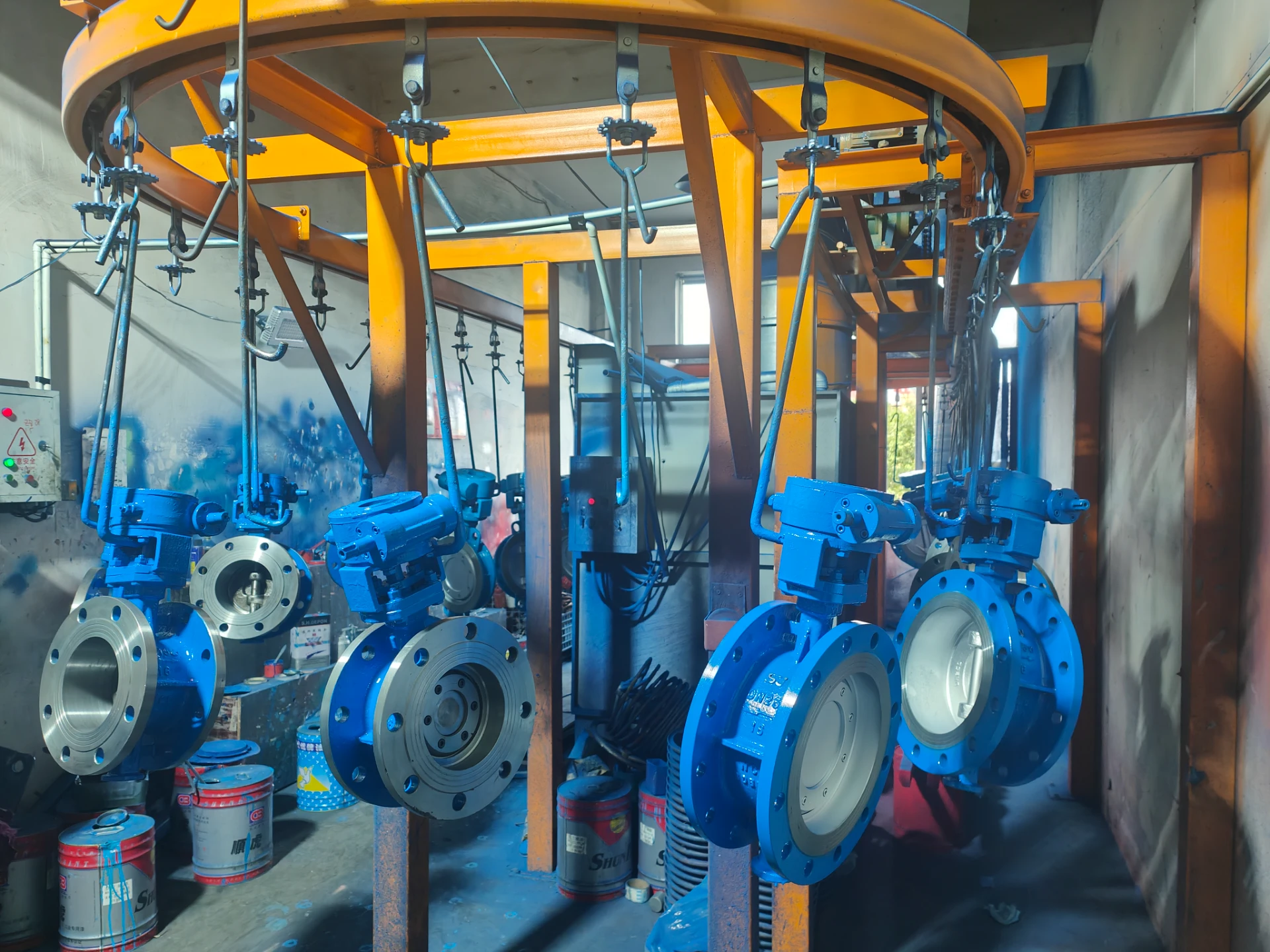
Introduction
China cryogenic butterfly valves are critical components in the handling and control of liquefied gases such as liquid nitrogen, liquid oxygen, liquid argon, and LNG. Positioned within the industrial chain between gas liquefaction/storage and end-use applications like cryogenic processing, medical oxygen supply, and aerospace propulsion, these valves demand exceptional performance characteristics to ensure safe and efficient operation. Their function is to isolate or regulate flow in cryogenic pipelines, requiring specialized design and material selection to address the challenges of extremely low temperatures and the associated material property changes. Core performance metrics include leak tightness at cryogenic temperatures, thermal stability to minimize heat transfer, and resistance to shock and vibration inherent in industrial environments. The increasing demand for LNG as a cleaner energy source and advancements in cryogenic technologies are driving the need for increasingly reliable and high-performance cryogenic butterfly valves.
Material Science & Manufacturing
The body and disc of a cryogenic butterfly valve are typically constructed from Austenitic Stainless Steels (304, 316, 316L) or Duplex Stainless Steels due to their maintained ductility at low temperatures. Carbon content is crucial; high carbon content can lead to embrittlement. The stem is commonly made from 304 or 316 stainless steel, with a focus on surface finish to minimize friction within the seals. Seat materials are critical; commonly used are PTFE (Polytetrafluoroethylene) reinforced with fillers like carbon fiber or graphite to improve creep resistance and reduce cold flow at cryogenic temperatures. Kel-F (PCTFE - Polychlorotrifluoroethylene) offers superior low-temperature performance and chemical resistance but is more expensive. Manufacturing processes begin with precision casting or forging of the valve body, followed by machining to tight tolerances. The disc undergoes similar processing, with careful attention paid to balancing to minimize vibration during operation. Welding is a key process, requiring qualified welders and procedures to ensure full penetration and minimize residual stresses, vital to prevent cracking at low temperatures. Post-weld heat treatment (PWHT) is often employed to relieve stresses. Seat insertion involves precise machining and bonding techniques. Critical parameters during manufacturing include dimensional accuracy, surface roughness (Ra < 0.8 μm for sealing surfaces), weld quality (meeting ASME Section IX standards), and material traceability. Non-destructive testing (NDT) such as radiographic testing (RT) and liquid penetrant testing (PT) are essential for quality control.
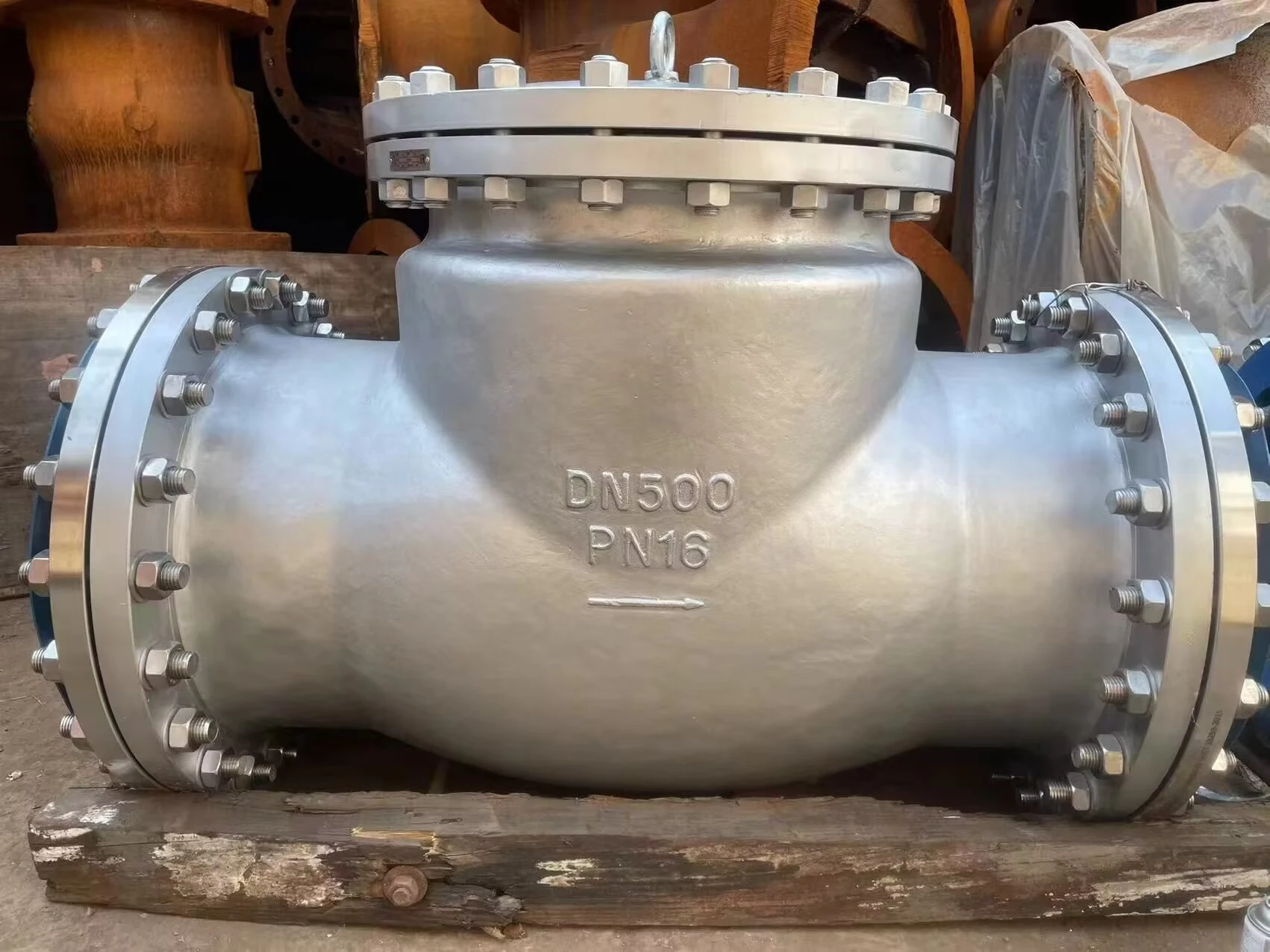
Performance & Engineering
Cryogenic butterfly valve performance is governed by several key engineering considerations. First, thermal contraction due to extreme temperature differences must be accounted for in the stem seal design to maintain leak tightness. This is often achieved through the use of Belleville washers and adjustable packing glands. Second, the pressure-temperature relationship for the liquefied gases dictates the stress levels within the valve body and disc; finite element analysis (FEA) is used to optimize the geometry and material thickness to prevent yielding or fracture. Third, the flow coefficient (Cv) is critical for accurate process control. Valve sizing calculations must consider the specific gravity and viscosity of the liquefied gas at operating conditions. Fourth, the valve must meet stringent leak rate requirements as defined by standards like MSS SP-61, typically expressed in bubbles per minute of air equivalent. Environmental resistance is paramount; the valve must withstand thermal cycling, exposure to potentially corrosive environments, and mechanical shock. Compliance requirements include PED (Pressure Equipment Directive) for European markets and ASME B31.3 for process piping. Force analysis focuses on the torque required to operate the valve, considering fluid pressure, stem friction, and seal forces. Materials are chosen to avoid the ductile-to-brittle transition temperature, ensuring adequate toughness throughout the operating temperature range.
Technical Specifications
| Parameter | Specification | Testing Standard | Typical Application |
|---|---|---|---|
| Maximum Working Pressure | Up to 250 PSI (17.2 bar) | API 598 | LNG Storage & Transport |
| Operating Temperature | -196°C to +85°C (-321°F to +185°F) | ASTM E29 | Liquid Nitrogen Pipelines |
| Seat Leakage Rate | < 0.1 bubbles/min (air equivalent) | MSS SP-61 | Cryogenic Gas Supply |
| Body Material | 316L Stainless Steel, Duplex Stainless Steel | ASTM A240 | Cryogenic Processing |
| Disc Material | 316L Stainless Steel | ASTM A240 | Liquid Oxygen Systems |
| Seat Material | PTFE with Carbon Fiber Reinforcement, Kel-F | ASTM D574 | Cryogenic Research |
Failure Mode & Maintenance
Common failure modes in cryogenic butterfly valves include seat deformation and leakage due to cold flow of the seat material (particularly PTFE), stem packing failure leading to external leakage, disc cracking due to fatigue or thermal stress, and body cracking due to material defects or improper welding. Fatigue cracking is often initiated at stress concentrations around bolt holes or weld necks. Delamination can occur in composite seat materials if bonding fails. Degradation of seals due to chemical attack or UV exposure is also possible, albeit less frequent in cryogenic applications. Oxidation of stainless steel components can occur if the valve is improperly stored or exposed to high-temperature environments. Maintenance involves regular inspection of the stem packing, tightening of gland bolts, and replacement of seals as needed. Periodic inspection for cracks using NDT methods (PT, UT) is crucial. Valve actuation should be tested regularly to ensure smooth operation. If leakage is detected, the valve should be disassembled, and the seat and seals inspected and replaced. Proper lubrication of the stem and disc is essential to prevent friction and wear. Valves that have been exposed to corrosive environments should be thoroughly cleaned and passivated to prevent further corrosion. Preventative maintenance schedules should be established based on operating conditions and frequency of use.
Industry FAQ
Q: What are the key differences between a standard butterfly valve and a cryogenic butterfly valve?
A: Cryogenic butterfly valves are specifically designed to operate at extremely low temperatures. This necessitates the use of specialized materials (like Austenitic or Duplex Stainless Steels) that maintain ductility at cryogenic temperatures, extended stem lengths to accommodate thermal contraction, reinforced seat materials (PTFE with fillers or Kel-F) to resist cold flow, and robust packing arrangements to prevent leakage. Standard butterfly valves are not suitable for cryogenic service as their materials would become brittle and fail.
Q: How does the seat material affect the performance of a cryogenic butterfly valve?
A: The seat material is critical for achieving leak tightness. PTFE is commonly used but is susceptible to cold flow, requiring reinforcement with carbon fiber or graphite. Kel-F offers superior performance but is more expensive. The seat material must also be chemically compatible with the liquefied gas being handled and maintain its sealing properties over a wide temperature range.
Q: What testing is performed to ensure the reliability of cryogenic butterfly valves?
A: Extensive testing is performed, including hydrostatic testing at room temperature and cryogenic temperatures, leak testing according to MSS SP-61, low-temperature torque testing, and material verification (chemical analysis, mechanical property testing). Non-destructive testing (RT, PT, UT) is performed to detect any flaws in the valve body or welds.
Q: What are the implications of improper welding during the manufacturing process?
A: Improper welding can lead to residual stresses, porosity, and cracking, particularly at cryogenic temperatures. This can significantly reduce the valve's structural integrity and lead to catastrophic failure. Qualified welders and adherence to welding procedures (ASME Section IX) are essential.
Q: How should cryogenic butterfly valves be stored and handled to prevent damage?
A: Valves should be stored in a clean, dry environment, protected from moisture and corrosive substances. The valve ends should be capped or plugged to prevent contamination. Care should be taken during handling to avoid dropping or damaging the valve. Proper lifting equipment should be used, and the valve should be supported securely during transport.
Conclusion
China cryogenic butterfly valves represent a critical technology within the broader cryogenic fluid handling sector. Their reliable operation is paramount for maintaining safety, efficiency, and process integrity in diverse applications ranging from LNG infrastructure to medical oxygen delivery. Material selection, precise manufacturing techniques, and rigorous testing protocols are fundamental to ensuring these valves meet the demanding requirements of cryogenic service.
Future advancements will likely focus on developing novel seat materials with enhanced low-temperature performance, optimizing valve designs for improved flow characteristics and reduced pressure drop, and incorporating intelligent monitoring systems for predictive maintenance. Continued adherence to international standards and a commitment to quality control will be essential for maintaining the competitiveness and reliability of China’s cryogenic butterfly valve industry.
-
Top Reasons to Choose a Stainless Steel Flange Check Valve for Industrial Applications
-
Flanged Elbow Performance Analysis
-
3 bolt flange bearings Performance Analysis
-
elbow with flange Performance Analysis
-
Elbow Flanges Performance Analysis
-
flanged check valves Performance Analysis
-
Flange Square Performance Analysis
-
flanged butterfly valve Performance Analysis
-
flanged gate valve Material Science Manufacturing
-
Pinion Flange Performance Analysis
-
Precision flange Performance Analysis
-
Stub End Flange Performance Analysis
-
Turbo Exhaust Flange Material Analysis
-
Shaft collar flange Performance Analysis
-
butterfly valve flanged Performance Analysis
 Afrikaans
 Albanian
 Amharic
 Arabic
 Armenian
 Azerbaijani
 Basque
 Belarusian
 Bengali
 Bosnian
 Bulgarian
 Catalan
 Cebuano
 Corsican
 Croatian
 Czech
Czech
 Danish
 Dutch
Dutch
 Esperanto
 Estonian
 Finnish
 French
 Frisian
 Galician
 Georgian
 German
 Greek
Greek
 Gujarati
 Haitian Creole
 Hausa
Hawaiian
Hausa
Hawaiian
 Hebrew
 Hindi
Hindi
 Miao
Miao
 Hungarian
 Icelandic
 Igbo
Igbo
 Indonesian
 Irish
Irish
 Italian
 Japanese
 Javanese
Kannada
Javanese
Kannada
 Kazakh
 Khmer
Khmer
 Rwandese
 Korean
 Kurdish
 Kyrgyz
 Lao
Lao
 Latin
Latin
 Latvian
 Lithuanian
 Luxembourgish
 Macedonian
 Malgashi
 Malay
Malay
 Malayalam
 Maltese
 Maori
Maori
 Marathi
 Mongolian
 Myanmar
 Nepali
 Norwegian
 Norwegian
 Occitan
 Pashto
 Persian
 Polish
 Portuguese
Punjabi
Portuguese
Punjabi
 Romanian
 Russian
 Samoan
 Scottish Gaelic
 Serbian
 Sesotho
 Shona
Shona
 Sindhi
 Sinhala
 Slovak
 Slovenian
 Somali
 Spanish
 Sundanese
 Swahili
 Swedish
Tagalog
Swedish
Tagalog
 Tajik
Tajik
 Tamil
Tamil
 Tatar
Tatar
 Telugu
 Thai
Thai
 Turkish
 Turkmen
 Ukrainian
 Urdu
Urdu
 Uighur
 Uzbek
Uzbek
 Vietnamese
 Welsh
Welsh
 Bantu
Bantu
 Yiddish
 Yoruba
 Zulu
Zulu
 English