




elbow with flange Performance Analysis

Introduction
Elbows with flanges are crucial components in piping systems, facilitating directional changes while providing a robust connection point for integration with other pipeline elements. Positioned within the broader fluid handling industry, these fittings occupy a critical role in sectors including petrochemical processing, power generation, water treatment, and HVAC systems. Their primary function is to redirect flow, typically at 45° or 90° angles, minimizing turbulence and pressure drop when properly selected and installed. Core performance characteristics are defined by pressure rating, material compatibility with the conveyed fluid, and the accuracy of dimensional tolerances to ensure leak-proof sealing. A key industry pain point revolves around selecting the appropriate flange facing and gasket material to prevent corrosion and maintain long-term integrity, especially in aggressive chemical environments. Furthermore, ensuring consistent weld quality between the elbow and adjacent piping is paramount to avoid catastrophic failures. The material of construction significantly impacts performance, with carbon steel being common for general applications while alloy steels and stainless steel are utilized for corrosive or high-temperature services.
Material Science & Manufacturing
Elbows with flanges are typically manufactured from carbon steel (ASTM A53 Grade B, API 5L), stainless steel (304/304L, 316/316L – ASTM A240), or alloy steels (ASTM A234 WPB). The choice of material dictates the elbow’s resistance to corrosion, temperature fluctuations, and mechanical stress. Carbon steel offers high strength and affordability, but requires protective coatings in corrosive environments. Stainless steel provides superior corrosion resistance, particularly 316/316L which contains molybdenum for enhanced resistance to pitting corrosion. Alloy steels offer a balance between strength and corrosion resistance for specific applications like high-temperature, high-pressure systems.
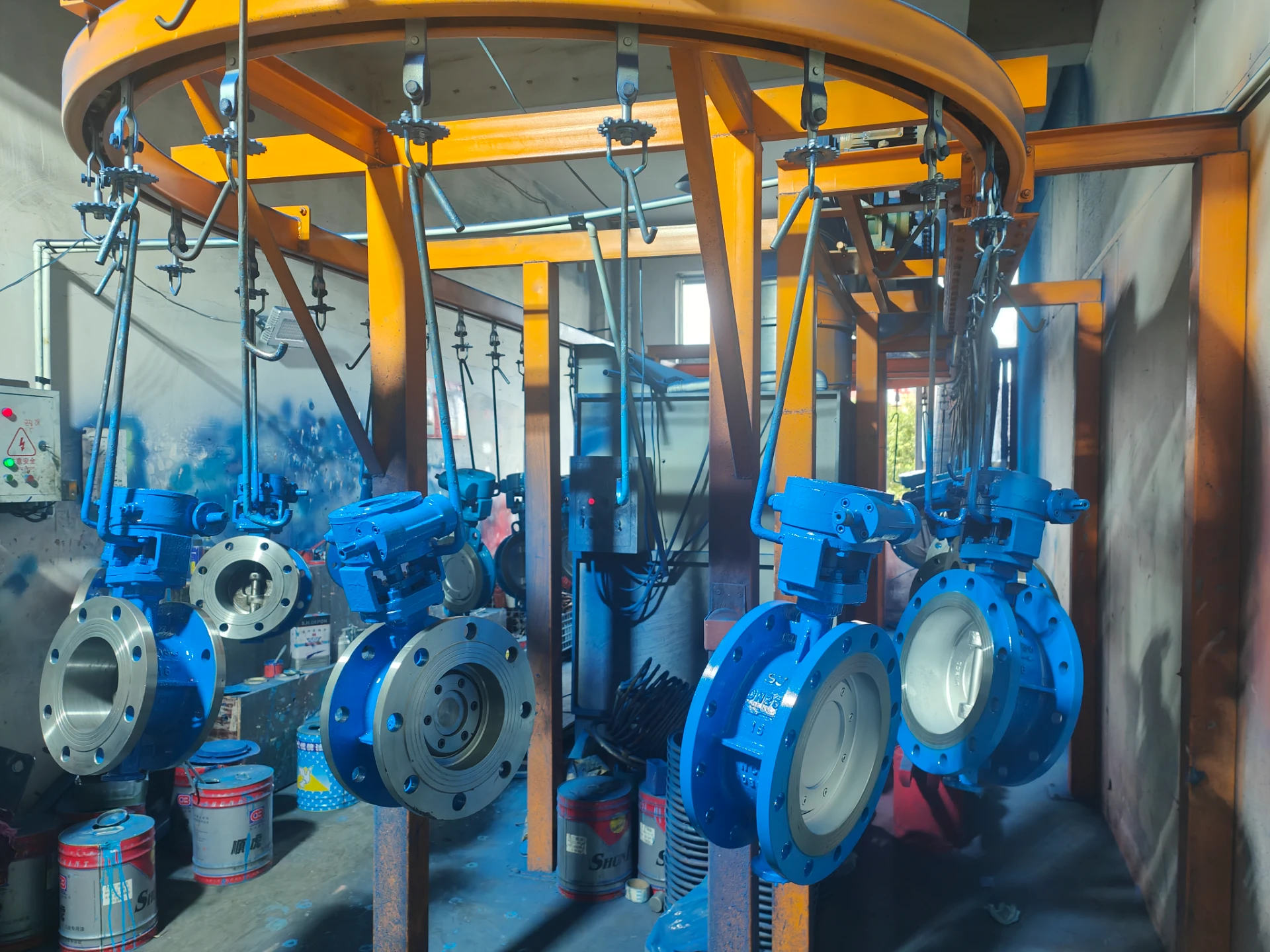
Manufacturing processes primarily involve forging, bending, and welding. Forged elbows offer greater strength and are typically used in high-pressure applications. Bending utilizes hot induction bending or cold bending techniques, depending on the material and elbow radius. Hot induction bending offers tighter tolerances and reduced residual stresses, while cold bending is cost-effective for smaller diameters and radii. Following forming, flanges are attached via welding (SMAW, GTAW, or SAW). Critical parameters during welding include pre-heat temperature (to prevent hydrogen embrittlement in carbon steels), weld bead sequencing, and post-weld heat treatment (PWHT) to relieve residual stresses and improve mechanical properties. Non-destructive testing (NDT), including radiographic testing (RT), ultrasonic testing (UT), and liquid penetrant testing (PT), are essential to verify weld integrity. Surface treatments, such as galvanizing, epoxy coating, or PTFE lining, are applied to enhance corrosion resistance and prevent fluid contamination. Dimensional accuracy is controlled using coordinate measuring machines (CMM) to ensure flange face perpendicularity and bore diameter tolerances are within acceptable limits specified by ASME B16.5.
Performance & Engineering
The performance of an elbow with flange is governed by several engineering principles. Stress analysis is crucial, particularly concerning hoop stress in the elbow body and stress concentrations at the weld neck where the flange is joined. Finite element analysis (FEA) is routinely used to optimize elbow geometry and minimize stress. Pressure testing, in accordance with ASME B16.34, verifies the elbow’s ability to withstand hydrostatic pressures significantly exceeding the operating pressure. Flow characteristics are affected by the elbow’s radius of curvature (long radius versus short radius). Long radius elbows minimize pressure drop and turbulence, while short radius elbows are more compact but introduce higher flow resistance. The flange connection must provide a secure, leak-proof seal. Flange facing types (Raised Face, Flat Face, Ring Type Joint) and gasket materials (e.g., compressed non-asbestos fiber, PTFE, spiral wound) must be compatible with the fluid and operating conditions. Compatibility with applicable codes and standards, such as ASME B31.3 (Process Piping) or EN 10253 (Seamless Steel Tubes for Pressure Purposes), is non-negotiable. Environmental resistance, specifically concerning corrosion and erosion, is paramount. Selection of appropriate materials and protective coatings is critical to ensure long-term reliability. Fatigue analysis is important for applications involving cyclic loading and pressure variations.
Technical Specifications
| Parameter | Unit | ASTM A53 Grade B (Carbon Steel) | ASTM A240 304/304L (Stainless Steel) |
|---|---|---|---|
| Nominal Pipe Size | inch | 1/2 - 24 | 1/2 - 24 |
| Pressure Rating | psi | Up to 740 | Up to 650 |
| Wall Thickness | mm | Schedule 40, 80, 160 | Schedule 40, 80, 160 |
| Material | - | Carbon Steel | 304/304L Stainless Steel |
| Tensile Strength | MPa | 485 | 517 |
| Yield Strength | MPa | 310 | 205 |
Failure Mode & Maintenance
Common failure modes for elbows with flanges include corrosion, erosion, fatigue cracking, and weld defects. Corrosion, particularly pitting and crevice corrosion in stainless steels, can lead to through-wall penetration and leaks. Erosion, caused by abrasive particles in the fluid stream, wears away the elbow material. Fatigue cracking occurs due to cyclic loading and stress concentrations, especially at the weld toe. Weld defects, such as porosity, lack of fusion, or cracks, compromise the structural integrity. Leakage from the flange joint is a frequent issue, often resulting from gasket failure or improper bolt tightening.
Preventive maintenance is critical. Regular visual inspections should identify signs of corrosion, erosion, or cracking. Non-destructive testing (NDT) methods, such as ultrasonic thickness testing (UTT) and visual inspection, should be performed periodically to assess wall thickness and detect defects. Flange bolts should be checked for proper torque and tightened as needed. Gaskets should be replaced at recommended intervals, based on fluid compatibility and operating conditions. In corrosive environments, cathodic protection or protective coatings should be maintained. If erosion is a concern, flow velocity should be optimized, and erosion-resistant materials considered. For elbows subjected to cyclic loading, fatigue monitoring and regular inspections are crucial. In the event of a failure, a thorough failure analysis should be conducted to determine the root cause and prevent recurrence. Proper documentation of all inspections, maintenance activities, and repairs is essential for maintaining a reliable piping system.
Industry FAQ
Q: What is the difference between a long radius and short radius elbow, and when should each be used?
A: Long radius elbows have a larger bend radius, resulting in lower pressure drop and reduced turbulence compared to short radius elbows. They are preferred for applications where minimizing energy loss and preventing erosion are critical, such as in high-velocity fluid streams or systems with sensitive instrumentation. Short radius elbows are more compact and are suitable for space-constrained applications where pressure drop is less of a concern.
Q: How do I select the appropriate gasket material for a specific fluid and temperature range?
A: Gasket selection depends on the fluid's chemical compatibility, temperature, and pressure. For general applications, compressed non-asbestos fiber is often sufficient. However, for corrosive fluids, materials like PTFE, Viton, or specialized elastomers are necessary. High-temperature applications require gaskets with high thermal stability, such as graphite or ceramic fiber. Refer to gasket manufacturer’s chemical resistance charts and temperature ratings for guidance.
Q: What are the critical parameters to monitor during welding of flanges to elbows?
A: Critical parameters include pre-heat temperature (especially for carbon steels to prevent hydrogen embrittlement), weld bead sequencing, welding current and voltage, travel speed, and post-weld heat treatment (PWHT). Proper shielding gas coverage is also essential to prevent oxidation and ensure weld quality. Qualified welders and adherence to established welding procedures (WPS) are paramount.
Q: What Non-Destructive Testing (NDT) methods are commonly used to inspect elbows with flanges?
A: Radiographic testing (RT) is used to detect internal flaws in welds. Ultrasonic testing (UT) assesses weld integrity and measures wall thickness. Liquid penetrant testing (PT) identifies surface cracks and discontinuities. Magnetic particle testing (MT) is used for detecting surface and near-surface flaws in ferromagnetic materials. Visual inspection is a fundamental part of all NDT procedures.
Q: What are the implications of using dissimilar metals in a flanged joint connection with an elbow?
A: Using dissimilar metals can create galvanic corrosion cells, leading to accelerated corrosion of the less noble metal. To mitigate this, a dielectric gasket or sleeve should be used to electrically isolate the metals. Additionally, consider using a sacrificial anode to protect the less noble metal. Material selection should carefully evaluate the electrochemical potential differences between the metals in the presence of the specific fluid.
Conclusion
Elbows with flanges represent a fundamental, yet highly engineered, component within fluid handling systems. Their selection and application demand a comprehensive understanding of material science, manufacturing processes, and applicable industry standards. Optimizing performance requires careful consideration of stress analysis, flow dynamics, and corrosion resistance. Selecting the appropriate materials, welding procedures, and protective coatings is critical to ensuring long-term reliability and preventing catastrophic failures.
The future of elbow with flange technology will likely focus on advanced materials with enhanced corrosion resistance, lighter weight designs, and improved manufacturing techniques such as additive manufacturing (3D printing). Implementing predictive maintenance strategies utilizing sensor technology and data analytics will also play a crucial role in optimizing performance and minimizing downtime. Continued adherence to stringent quality control measures and international standards will remain paramount to guaranteeing safety and operational integrity.
-
Top Reasons to Choose a Stainless Steel Flange Check Valve for Industrial Applications
-
Flanged Elbow Performance Analysis
-
3 bolt flange bearings Performance Analysis
-
elbow with flange Performance Analysis
-
Elbow Flanges Performance Analysis
-
flanged check valves Performance Analysis
-
Flange Square Performance Analysis
-
flanged butterfly valve Performance Analysis
-
flanged gate valve Material Science Manufacturing
-
Pinion Flange Performance Analysis
-
Precision flange Performance Analysis
-
Stub End Flange Performance Analysis
-
Turbo Exhaust Flange Material Analysis
-
Shaft collar flange Performance Analysis
-
butterfly valve flanged Performance Analysis
 Afrikaans
 Albanian
 Amharic
 Arabic
 Armenian
 Azerbaijani
 Basque
 Belarusian
 Bengali
 Bosnian
 Bulgarian
 Catalan
 Cebuano
 Corsican
 Croatian
 Czech
Czech
 Danish
 Dutch
Dutch
 Esperanto
 Estonian
 Finnish
 French
 Frisian
 Galician
 Georgian
 German
 Greek
Greek
 Gujarati
 Haitian Creole
 Hausa
Hawaiian
Hausa
Hawaiian
 Hebrew
 Hindi
Hindi
 Miao
Miao
 Hungarian
 Icelandic
 Igbo
Igbo
 Indonesian
 Irish
Irish
 Italian
 Japanese
 Javanese
Kannada
Javanese
Kannada
 Kazakh
 Khmer
Khmer
 Rwandese
 Korean
 Kurdish
 Kyrgyz
 Lao
Lao
 Latin
Latin
 Latvian
 Lithuanian
 Luxembourgish
 Macedonian
 Malgashi
 Malay
Malay
 Malayalam
 Maltese
 Maori
Maori
 Marathi
 Mongolian
 Myanmar
 Nepali
 Norwegian
 Norwegian
 Occitan
 Pashto
 Persian
 Polish
 Portuguese
Punjabi
Portuguese
Punjabi
 Romanian
 Russian
 Samoan
 Scottish Gaelic
 Serbian
 Sesotho
 Shona
Shona
 Sindhi
 Sinhala
 Slovak
 Slovenian
 Somali
 Spanish
 Sundanese
 Swahili
 Swedish
Tagalog
Swedish
Tagalog
 Tajik
Tajik
 Tamil
Tamil
 Tatar
Tatar
 Telugu
 Thai
Thai
 Turkish
 Turkmen
 Ukrainian
 Urdu
Urdu
 Uighur
 Uzbek
Uzbek
 Vietnamese
 Welsh
Welsh
 Bantu
Bantu
 Yiddish
 Yoruba
 Zulu
Zulu
 English