




Elbow Flanges Performance Analysis
Introduction
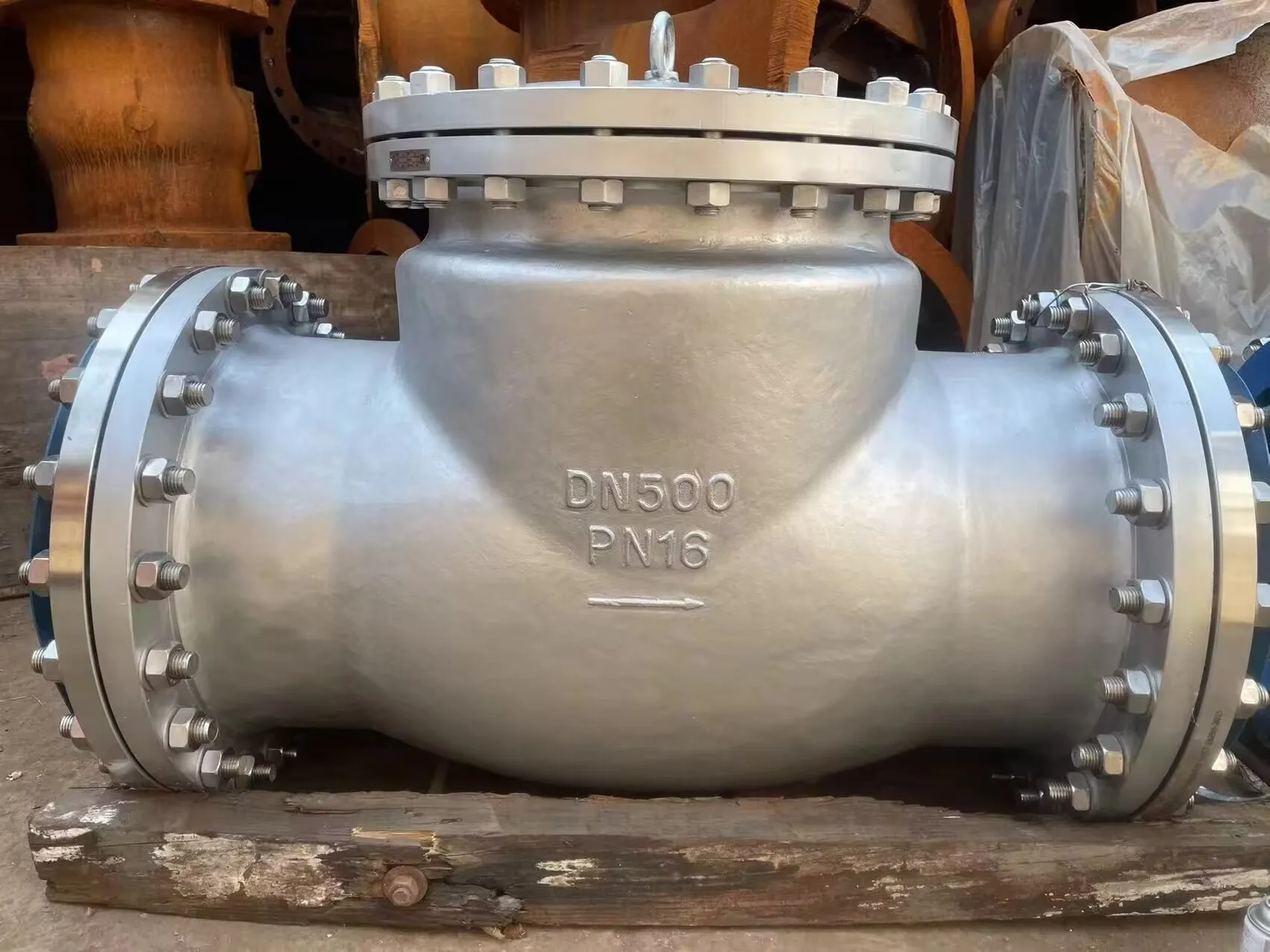
Elbow flanges are crucial components in piping systems, serving as connectors between sections of pipe that require directional changes. These fittings, typically 90-degree or 45-degree, facilitate fluid or gas transport across various industries including oil & gas, chemical processing, power generation, and water treatment. Their function extends beyond simple directionality; they provide a secure and reliable joint allowing for disassembly for maintenance, inspection, or replacement. The technical position of elbow flanges within the piping system supply chain is as a key static component, subject to stringent material and manufacturing specifications dictated by process requirements and regulatory standards. Core performance characteristics include pressure containment, leak tightness, corrosion resistance, and mechanical strength, directly influencing system integrity and operational safety. The selection of appropriate elbow flange materials, dimensions, and facing types is paramount to avoid premature failure and ensure long-term system reliability.
Material Science & Manufacturing
Elbow flanges are manufactured from a diverse range of materials, the selection dependent upon the application's operating temperature, pressure, and chemical environment. Carbon steel (ASTM A105, A516 Grade 70) is frequently employed due to its cost-effectiveness and adequate strength for moderate conditions. Alloy steels (ASTM A182 F51, F52, F53) containing chromium and molybdenum enhance corrosion resistance and high-temperature strength, essential in demanding applications. Stainless steels (304/304L, 316/316L) offer superior corrosion resistance, making them ideal for handling corrosive fluids. Duplex and super duplex stainless steels provide even greater resistance to pitting, crevice corrosion, and stress corrosion cracking in aggressive environments. Material properties like yield strength, tensile strength, elongation, and impact toughness are rigorously controlled during material sourcing and manufacturing.
Manufacturing typically involves forging, casting, or fabrication from plate material. Forging offers superior grain structure and mechanical properties, minimizing the risk of brittle fracture. Casting provides design flexibility for complex geometries but requires careful quality control to avoid porosity and inclusions. Fabrication from plate involves cutting, rolling, and welding, demanding precise welding procedures (SMAW, GTAW, GMAW) adhering to codes like ASME Section IX. Key parameters during manufacturing include heat treatment to achieve desired mechanical properties, non-destructive testing (NDT) – radiography, ultrasonic testing, liquid penetrant testing – to detect flaws, and dimensional accuracy to ensure proper fit-up with mating flanges and piping. Weld quality is critical, requiring 100% radiographic inspection for critical applications. Surface finish also impacts corrosion resistance, with smoother finishes reducing the potential for corrosion initiation. Careful control of these parameters mitigates potential failure mechanisms related to material defects and fabrication errors.
Performance & Engineering
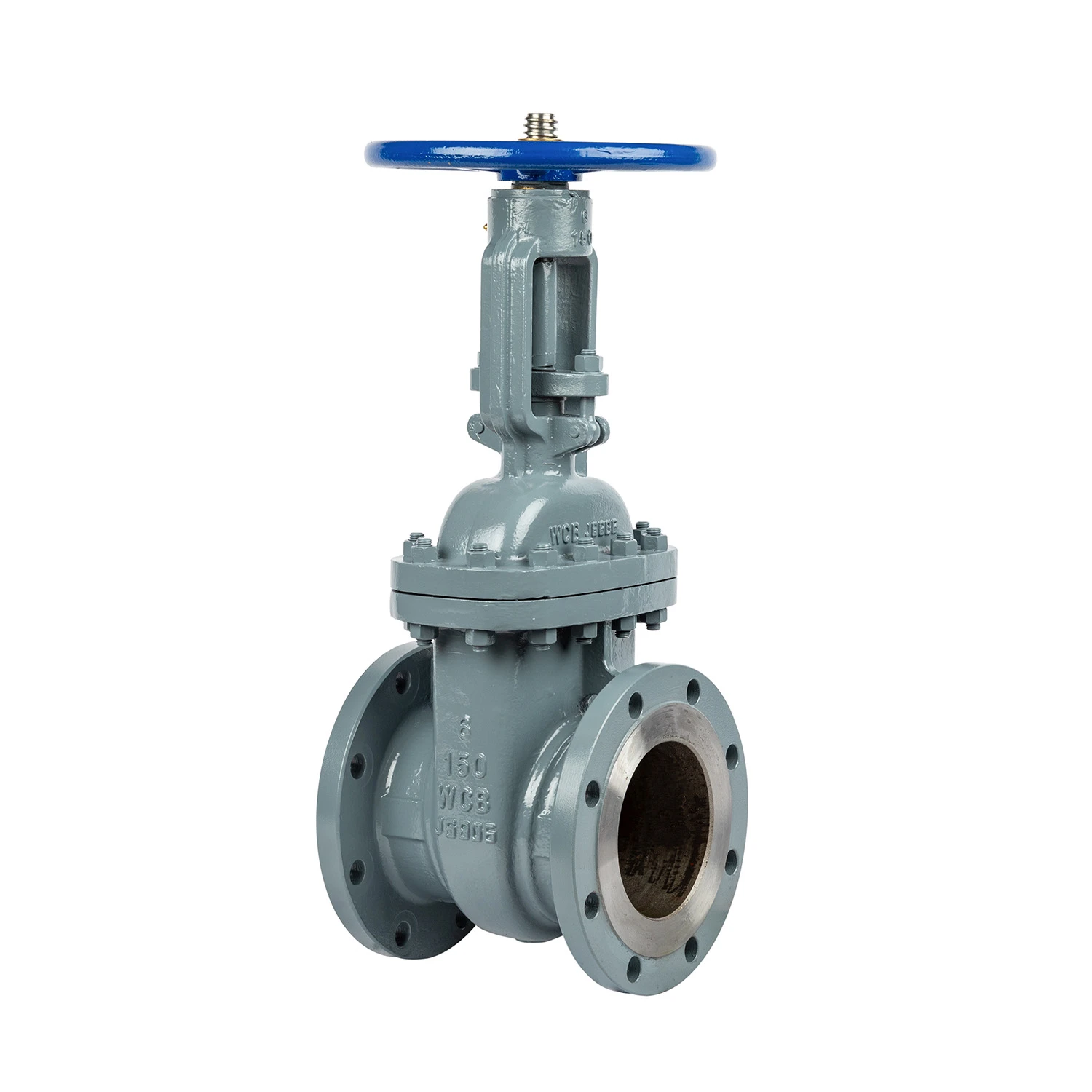
The performance of elbow flanges is intrinsically linked to their ability to withstand internal pressure, external loads, and thermal stresses. Stress analysis, using Finite Element Analysis (FEA) software, is critical during the design phase to predict stress distribution under various operating conditions. The governing equation for hoop stress in a cylindrical pressure vessel (which applies to the flange’s connection to the pipe) is σ = (p r) / t, where σ is hoop stress, p is internal pressure, r is radius, and t is wall thickness. Understanding this relationship is vital for selecting appropriate flange dimensions to prevent yielding or rupture. Environmental resistance is also a primary concern. Corrosion, erosion, and galvanic corrosion can degrade the flange material, compromising its structural integrity. Material selection and protective coatings (e.g., epoxy, galvanizing) are employed to mitigate these effects. Compliance requirements, dictated by industry codes and standards (ASME B16.5, EN 1092-1), specify allowable stress limits, design factors, and inspection procedures. Fatigue analysis is essential for applications involving cyclic loading, such as those found in pump stations or power plants. Proper bolting procedures, employing specified torque values and bolt materials, are crucial to ensure adequate flange sealing and load distribution. Consideration must also be given to thermal expansion and contraction, which can induce stresses in the flanged joint.
Technical Specifications
| Parameter | ASTM A105 Carbon Steel | ASTM A182 F304 Stainless Steel | ASTM A182 F51 Alloy Steel | EN 1092-1 DN150 PN16 |
|---|---|---|---|---|
| Pressure Rating (PN) | Up to 2500 psi | Up to 3000 psi | Up to 2500 psi | 16 bar (232 psi) |
| Temperature Range (°C) | -29 to 370 | -196 to 425 | -60 to 425 | -20 to 120 |
| Material | Carbon Steel | 304 Stainless Steel | F51 Alloy Steel | P265GH Steel |
| Facing Type | Raised Face (RF), Flat Face (FF) | Raised Face (RF), Flat Face (FF) | Raised Face (RF), Flat Face (FF) | Raised Face (RF) |
| Size (DN) | DN50-DN600 | DN50-DN600 | DN50-DN600 | DN50-DN600 |
| Wall Thickness (mm) | 5-20 | 6-25 | 8-30 | 6-16 |
Failure Mode & Maintenance
Elbow flanges are susceptible to several failure modes. Corrosion, particularly in aggressive environments, can lead to material loss and eventual perforation. Fatigue cracking can occur under cyclic loading, initiating at stress concentration points such as weld toes or bolt holes. Bolted flange joint failure can result from bolt loosening, gasket failure, or excessive flange separation. Creep, at elevated temperatures, can cause gradual deformation and eventual rupture. Erosion, from high-velocity fluids containing abrasive particles, can wear away material. Failure analysis often involves examining fracture surfaces using microscopy to determine the root cause. Preventative maintenance is crucial. Regular visual inspections should be conducted to identify signs of corrosion, erosion, or damage. Bolt tension should be checked and adjusted periodically. Gaskets should be replaced at scheduled intervals or when leakage is detected. Non-destructive testing (NDT) can be used to detect subsurface flaws. For critical applications, periodic radiographic inspection of welds is recommended. Proper lubrication of bolts prevents corrosion and facilitates disassembly. Implementing a robust corrosion monitoring and control program is essential in corrosive environments. Maintaining accurate records of inspections, maintenance activities, and repairs enhances reliability and safety.
Industry FAQ
Q: What are the key differences between Raised Face (RF) and Flat Face (FF) flange facings, and how do these impact gasket selection?
A: Raised Face (RF) facings offer a concentrated sealing area, requiring a gasket with a compressible facing. They are generally preferred for higher-pressure applications as they provide a more effective seal. Flat Face (FF) facings rely on the gasket to compensate for surface irregularities and are typically used for lower-pressure applications or when mating to equipment with rough or uneven surfaces. Gasket selection must be compatible with the facing type to ensure proper sealing. RF flanges necessitate gaskets designed for concentrated stress, while FF flanges require gaskets capable of filling the surface imperfections.
Q: What considerations are important when selecting bolt materials for flanged connections in corrosive environments?
A: Bolt material selection is critical in corrosive environments to prevent bolt failure due to corrosion. Stainless steel alloys (e.g., 316, duplex stainless steel) are commonly used for their superior corrosion resistance. However, the specific alloy must be chosen based on the type of corrosion present (e.g., pitting, crevice, stress corrosion cracking). Coatings, such as galvanizing or epoxy, can provide additional protection. Also, consider galvanic compatibility between the bolts, flange, and gasket materials to avoid accelerated corrosion. ASTM specifications dictate appropriate bolt materials for specific applications.
Q: How does the weld procedure specification (WPS) impact the integrity of a fabricated elbow flange?
A: The WPS is paramount to the integrity of a fabricated elbow flange. It dictates parameters like welding process, filler metal, preheat temperature, interpass temperature, and welding technique. Incorrect WPS parameters can lead to defects such as porosity, inclusions, lack of fusion, and excessive distortion. These defects weaken the weld and reduce its resistance to stress and corrosion. A qualified WPS, developed and maintained in accordance with ASME Section IX, is essential. All welding personnel must be qualified to the WPS.
Q: What is the role of non-destructive testing (NDT) in ensuring the quality of elbow flanges?
A: NDT methods, such as radiography (RT), ultrasonic testing (UT), liquid penetrant testing (PT), and magnetic particle testing (MT), are crucial for detecting subsurface and surface defects that may not be visible to the naked eye. RT is effective for detecting volumetric flaws like porosity and inclusions, while UT is used to detect cracks and measure wall thickness. PT and MT are used to detect surface cracks. The specific NDT methods employed are dictated by the application's criticality and the relevant industry codes and standards.
Q: How do temperature fluctuations affect the performance and longevity of flanged joints?
A: Temperature fluctuations induce thermal expansion and contraction in the piping system. This creates stresses in the flanged joint, potentially leading to bolt loosening, gasket compression/relaxation, and flange separation. Proper flange design, including the use of expansion joints and flexible connectors, can mitigate these effects. Careful selection of gasket materials that maintain their sealing properties over a wide temperature range is also essential. Periodic bolt tension checks and adjustments are recommended to compensate for thermal cycling.
Conclusion
Elbow flanges are vital components in numerous industrial applications, demanding a comprehensive understanding of material science, manufacturing processes, and engineering principles to ensure reliable and safe operation. Selecting the correct material based on the operating environment, meticulous fabrication adhering to stringent quality control measures, and diligent maintenance practices are all essential. The complex interplay of pressure, temperature, and corrosive factors necessitates careful consideration of design parameters and adherence to relevant industry standards.
Future trends in elbow flange technology are focused on lightweight materials, advanced corrosion protection coatings, and improved gasket designs. The increased utilization of digital twins and predictive maintenance analytics will enable proactive identification of potential failures, reducing downtime and enhancing operational efficiency. Continuous improvement in manufacturing techniques, such as additive manufacturing, may also lead to more cost-effective and customized flange solutions.
-
Top Reasons to Choose a Stainless Steel Flange Check Valve for Industrial Applications
-
Flanged Elbow Performance Analysis
-
3 bolt flange bearings Performance Analysis
-
elbow with flange Performance Analysis
-
Elbow Flanges Performance Analysis
-
flanged check valves Performance Analysis
-
Flange Square Performance Analysis
-
flanged butterfly valve Performance Analysis
-
flanged gate valve Material Science Manufacturing
-
Pinion Flange Performance Analysis
-
Precision flange Performance Analysis
-
Stub End Flange Performance Analysis
-
Turbo Exhaust Flange Material Analysis
-
Shaft collar flange Performance Analysis
-
butterfly valve flanged Performance Analysis
 Afrikaans
 Albanian
 Amharic
 Arabic
 Armenian
 Azerbaijani
 Basque
 Belarusian
 Bengali
 Bosnian
 Bulgarian
 Catalan
 Cebuano
 Corsican
 Croatian
 Czech
Czech
 Danish
 Dutch
Dutch
 Esperanto
 Estonian
 Finnish
 French
 Frisian
 Galician
 Georgian
 German
 Greek
Greek
 Gujarati
 Haitian Creole
 Hausa
Hawaiian
Hausa
Hawaiian
 Hebrew
 Hindi
Hindi
 Miao
Miao
 Hungarian
 Icelandic
 Igbo
Igbo
 Indonesian
 Irish
Irish
 Italian
 Japanese
 Javanese
Kannada
Javanese
Kannada
 Kazakh
 Khmer
Khmer
 Rwandese
 Korean
 Kurdish
 Kyrgyz
 Lao
Lao
 Latin
Latin
 Latvian
 Lithuanian
 Luxembourgish
 Macedonian
 Malgashi
 Malay
Malay
 Malayalam
 Maltese
 Maori
Maori
 Marathi
 Mongolian
 Myanmar
 Nepali
 Norwegian
 Norwegian
 Occitan
 Pashto
 Persian
 Polish
 Portuguese
Punjabi
Portuguese
Punjabi
 Romanian
 Russian
 Samoan
 Scottish Gaelic
 Serbian
 Sesotho
 Shona
Shona
 Sindhi
 Sinhala
 Slovak
 Slovenian
 Somali
 Spanish
 Sundanese
 Swahili
 Swedish
Tagalog
Swedish
Tagalog
 Tajik
Tajik
 Tamil
Tamil
 Tatar
Tatar
 Telugu
 Thai
Thai
 Turkish
 Turkmen
 Ukrainian
 Urdu
Urdu
 Uighur
 Uzbek
Uzbek
 Vietnamese
 Welsh
Welsh
 Bantu
Bantu
 Yiddish
 Yoruba
 Zulu
Zulu
 English