




Flanged Elbow Performance Analysis
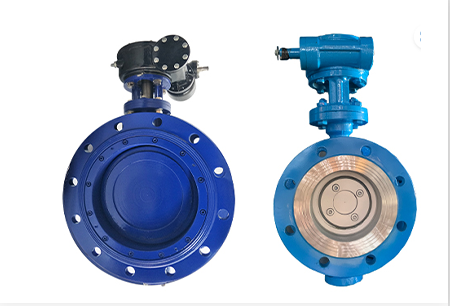
Introduction
Flanged elbows are critical components in piping systems, facilitating changes in direction while providing a secure, leak-proof connection point. Positioned within the industrial infrastructure as secondary components joining pipe segments, they are integral to fluid and gas transportation across diverse sectors including petrochemical, power generation, water treatment, and marine engineering. Their construction typically involves bending a pipe section and adding flanges at each end for bolted connections. Core performance characteristics include pressure containment, flow efficiency (minimizing turbulence and pressure drop), resistance to corrosion and erosion, and structural integrity under static and dynamic loads. A key industry pain point revolves around selecting the appropriate elbow radius and flange material combination to effectively manage flow dynamics and prevent premature failure due to stress corrosion cracking or erosion-corrosion, particularly in aggressive chemical environments. Understanding the nuances of material selection, welding procedures, and bolting torque specifications is paramount for ensuring long-term operational reliability.
Material Science & Manufacturing
Flanged elbows are commonly manufactured from carbon steel (ASTM A53 Grade B, API 5L X42), stainless steel (304/304L, 316/316L), alloy steel (A182 F11), and occasionally specialized materials like duplex stainless steel or nickel alloys depending on the service environment. Carbon steel offers cost-effectiveness and adequate strength for general applications, but is susceptible to corrosion. Stainless steel provides superior corrosion resistance, particularly the molybdenum-containing grades (316/316L). Alloy steels are employed for high-temperature and high-pressure applications. The manufacturing process typically begins with hot bending of the pipe using induction heating or cold bending for smaller diameter, thinner-walled pipes. Critical parameters during bending include bend radius (short radius elbows introduce higher stress concentrations), wall thinning (carefully monitored and within allowable limits as per ASME B31.3), and ovality (minimizing distortion for proper flange alignment). Flanges are then welded onto the bent pipe section using processes like Shielded Metal Arc Welding (SMAW), Gas Tungsten Arc Welding (GTAW), or Submerged Arc Welding (SAW). Welding procedures must be qualified according to ASME Section IX, and Non-Destructive Examination (NDE) – including Radiographic Testing (RT), Ultrasonic Testing (UT), and Liquid Penetrant Testing (PT) – is mandatory to ensure weld integrity. Post-weld heat treatment (PWHT) is often required for carbon and alloy steel elbows to relieve residual stresses and improve ductility. Material compatibility with the conveyed fluid is vital; for example, chlorides can induce pitting corrosion in 304 stainless steel, necessitating the use of 316 or duplex stainless steel.
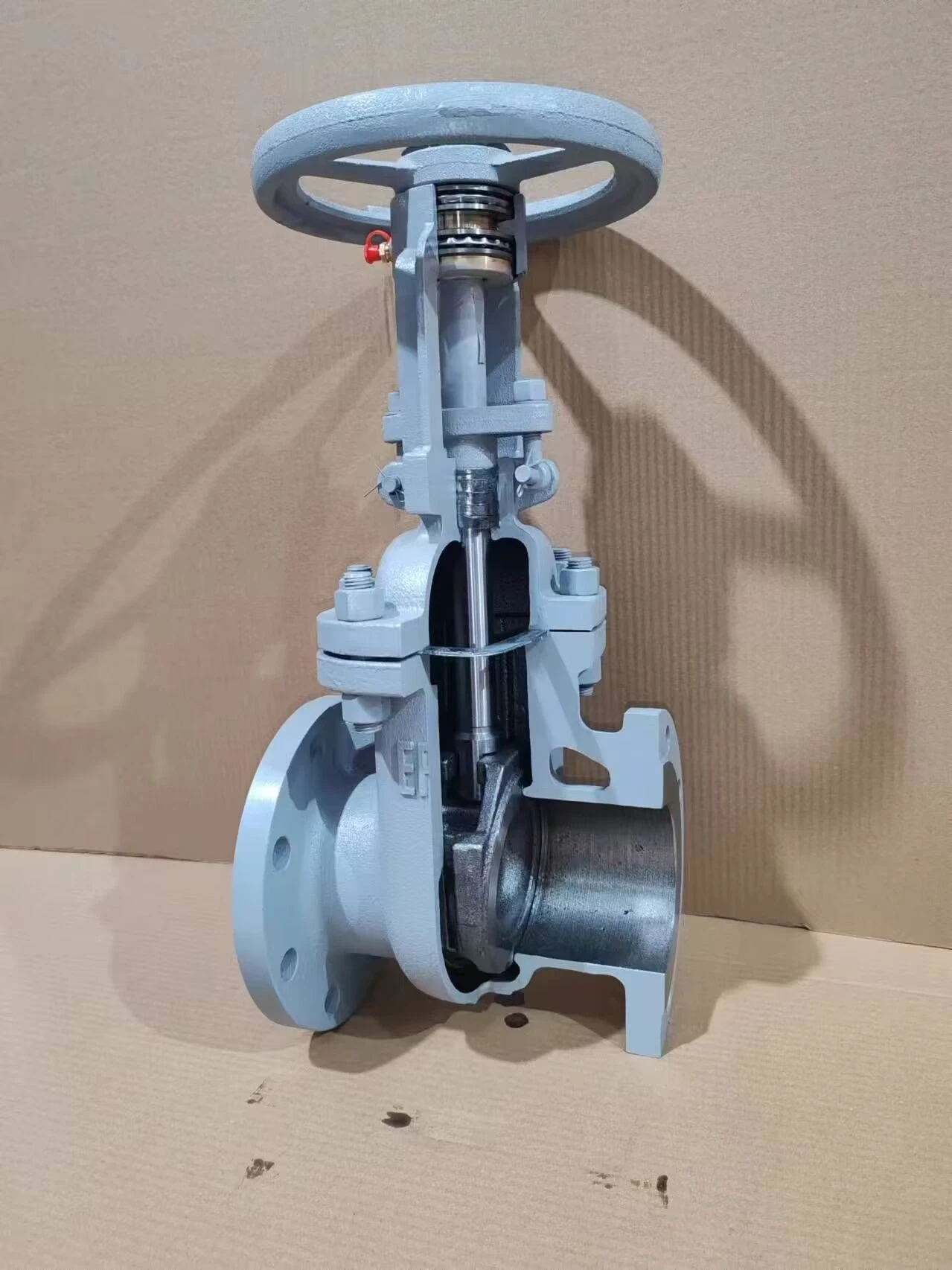
Performance & Engineering
The performance of a flanged elbow is significantly influenced by internal pressure, fluid velocity, temperature, and external loads. Force analysis involves calculating hoop stress (σh = PD/2t, where P is pressure, D is diameter, and t is wall thickness), longitudinal stress, and bending stress. A short radius elbow (R/D ratio < 1) experiences higher stress concentrations at the bend, increasing the risk of fatigue cracking, especially under cyclic loading. Finite Element Analysis (FEA) is frequently employed to accurately model stress distributions and predict potential failure points. Environmental resistance is crucial; elbows operating in corrosive environments must be selected with appropriate materials and protective coatings. Compliance requirements are dictated by industry standards (ASME B31.3 for process piping, ASME B31.1 for power piping) and regulatory bodies. Functional implementation demands careful consideration of flow dynamics. An improperly sized or positioned elbow can create turbulence, leading to increased pressure drop, erosion, and cavitation. The elbow's angle (typically 45°, 90°, or 180°) is chosen to optimize flow path and minimize energy losses. Proper bolting is essential to maintain flange seal integrity. Bolt preload must be within specified limits to prevent gasket failure or flange separation, following recommendations from ASME PCC-1. Gasket selection (spiral wound, ring joint) depends on the fluid, pressure, and temperature conditions.
Technical Specifications
| Parameter | Unit | ASTM A53 Gr. B Carbon Steel | 304/304L Stainless Steel |
|---|---|---|---|
| Nominal Pipe Size | inches | 1/2 – 24 | 1/2 – 24 |
| Wall Thickness Schedule | - | SCH 10, 40, 80, 160 | SCH 10, 40, 80, 160 |
| Bend Radius (R/D) | - | 1.0, 1.5, 2.0, 3.0 | 1.0, 1.5, 2.0, 3.0 |
| Maximum Operating Pressure | psi | Varies with temperature and schedule | Varies with temperature and schedule |
| Tensile Strength | psi | 70,000 | 75,000 |
| Yield Strength | psi | 36,000 | 30,000 |
Failure Mode & Maintenance
Common failure modes for flanged elbows include: 1) Corrosion (uniform, pitting, galvanic, erosion-corrosion) – leading to wall thinning and eventual leakage; 2) Fatigue cracking – initiated by stress concentrations at the bend or weldments, exacerbated by cyclic loading; 3) Erosion – caused by abrasive particles in the fluid stream impacting the elbow's inner surface; 4) Gasket failure – due to improper installation, bolt loosening, or material incompatibility; 5) Weld defects – porosity, inclusions, or incomplete fusion leading to crack initiation. Failure analysis often involves visual inspection, Non-Destructive Testing (UT, RT, PT), and metallurgical examination. Maintenance strategies include: 1) Regular visual inspections for signs of corrosion, erosion, or leakage; 2) Periodic bolt torque checks and re-tightening; 3) Gasket replacement as needed; 4) Protective coating application (epoxy, polyurethane) to mitigate corrosion; 5) Cathodic protection in severe corrosive environments. For elbows subjected to erosion, implementing erosion-resistant materials (e.g., hardened steel, ceramic linings) or flow control measures to reduce particle velocity is crucial. Preventive maintenance schedules should be based on operating conditions, fluid properties, and industry best practices. Replacement should occur proactively before catastrophic failure occurs, minimizing downtime and safety risks.
Industry FAQ
Q: What is the impact of a short radius elbow on pressure drop compared to a long radius elbow?
A: A short radius elbow introduces significantly higher turbulence and flow separation compared to a long radius elbow, resulting in a substantially higher pressure drop. The increased turbulence consumes energy, reducing flow efficiency. Long radius elbows are preferred when minimizing pressure loss is critical, while short radius elbows are utilized when space is limited, accepting the penalty of increased pressure drop.
Q: How does welding procedure qualification (WPQ) relate to the integrity of a flanged elbow weld?
A: Welding Procedure Qualification (WPQ) is a critical process verifying that the chosen welding parameters (current, voltage, travel speed, filler metal) produce a sound weld meeting specified mechanical and metallurgical requirements. A qualified WPQ ensures the weldment can withstand the intended service conditions without failure. Using a non-qualified WPQ increases the risk of defects like porosity, inclusions, and lack of fusion, compromising the elbow’s structural integrity.
Q: What are the considerations for selecting a gasket material for a flanged elbow in a high-temperature, high-pressure steam application?
A: High-temperature, high-pressure steam applications require gasket materials with excellent thermal stability, creep resistance, and sealing capabilities at elevated temperatures. Spiral wound gaskets with a graphite or PTFE filler are commonly used. The gasket material must be chemically compatible with steam and capable of maintaining its sealing properties over extended periods under the prevailing operating conditions. Proper bolt loading and gasket installation are equally important.
Q: How do different flange facing types (Raised Face, Flat Face, Ring Type Joint) affect the sealing performance of a flanged elbow?
A: Different flange facing types provide varying sealing mechanisms. Raised Face flanges rely on the compressive force between the raised surfaces to create a seal, suitable for moderate pressures and temperatures. Flat Face flanges are used for lower pressure applications or when mating to dissimilar flanges. Ring Type Joint (RTJ) flanges utilize a metallic ring compressed between the flange faces, providing a high-integrity seal for extremely high pressures and temperatures. The choice depends on the service conditions and the mating flange type.
Q: What NDE methods are typically employed to verify the integrity of flanged elbow welds, and what defects can they detect?
A: Common Non-Destructive Examination (NDE) methods include: Radiographic Testing (RT) – detects internal defects like porosity, inclusions, and cracks; Ultrasonic Testing (UT) – detects both surface and subsurface defects; Liquid Penetrant Testing (PT) – detects surface cracks and discontinuities; and Magnetic Particle Testing (MT) – also detects surface and near-surface defects in ferromagnetic materials. Visual Testing (VT) is always the first step, identifying surface flaws. Combining multiple NDE methods provides a comprehensive assessment of weld integrity.
Conclusion
Flanged elbows are essential components in piping systems, demanding careful consideration of material selection, manufacturing processes, and operational parameters. Their performance is intrinsically linked to factors such as bend radius, wall thickness, welding quality, and gasket compatibility. A thorough understanding of these elements, coupled with adherence to industry standards like ASME B31.3, is paramount for ensuring long-term reliability and preventing costly failures.
The continued development of advanced materials, such as duplex stainless steels and high-alloy materials, coupled with improved NDE techniques and predictive maintenance strategies, will further enhance the performance and longevity of flanged elbows in challenging industrial applications. Future trends will likely focus on minimizing pressure drop through optimized elbow designs and utilizing advanced coatings to mitigate corrosion and erosion.
-
Top Reasons to Choose a Stainless Steel Flange Check Valve for Industrial Applications
-
Flanged Elbow Performance Analysis
-
3 bolt flange bearings Performance Analysis
-
elbow with flange Performance Analysis
-
Elbow Flanges Performance Analysis
-
flanged check valves Performance Analysis
-
Flange Square Performance Analysis
-
flanged butterfly valve Performance Analysis
-
flanged gate valve Material Science Manufacturing
-
Pinion Flange Performance Analysis
-
Precision flange Performance Analysis
-
Stub End Flange Performance Analysis
-
Turbo Exhaust Flange Material Analysis
-
Shaft collar flange Performance Analysis
-
butterfly valve flanged Performance Analysis
 Afrikaans
 Albanian
 Amharic
 Arabic
 Armenian
 Azerbaijani
 Basque
 Belarusian
 Bengali
 Bosnian
 Bulgarian
 Catalan
 Cebuano
 Corsican
 Croatian
 Czech
Czech
 Danish
 Dutch
Dutch
 Esperanto
 Estonian
 Finnish
 French
 Frisian
 Galician
 Georgian
 German
 Greek
Greek
 Gujarati
 Haitian Creole
 Hausa
Hawaiian
Hausa
Hawaiian
 Hebrew
 Hindi
Hindi
 Miao
Miao
 Hungarian
 Icelandic
 Igbo
Igbo
 Indonesian
 Irish
Irish
 Italian
 Japanese
 Javanese
Kannada
Javanese
Kannada
 Kazakh
 Khmer
Khmer
 Rwandese
 Korean
 Kurdish
 Kyrgyz
 Lao
Lao
 Latin
Latin
 Latvian
 Lithuanian
 Luxembourgish
 Macedonian
 Malgashi
 Malay
Malay
 Malayalam
 Maltese
 Maori
Maori
 Marathi
 Mongolian
 Myanmar
 Nepali
 Norwegian
 Norwegian
 Occitan
 Pashto
 Persian
 Polish
 Portuguese
Punjabi
Portuguese
Punjabi
 Romanian
 Russian
 Samoan
 Scottish Gaelic
 Serbian
 Sesotho
 Shona
Shona
 Sindhi
 Sinhala
 Slovak
 Slovenian
 Somali
 Spanish
 Sundanese
 Swahili
 Swedish
Tagalog
Swedish
Tagalog
 Tajik
Tajik
 Tamil
Tamil
 Tatar
Tatar
 Telugu
 Thai
Thai
 Turkish
 Turkmen
 Ukrainian
 Urdu
Urdu
 Uighur
 Uzbek
Uzbek
 Vietnamese
 Welsh
Welsh
 Bantu
Bantu
 Yiddish
 Yoruba
 Zulu
Zulu
 English