




china gate valve 3 inch Performance Analysis
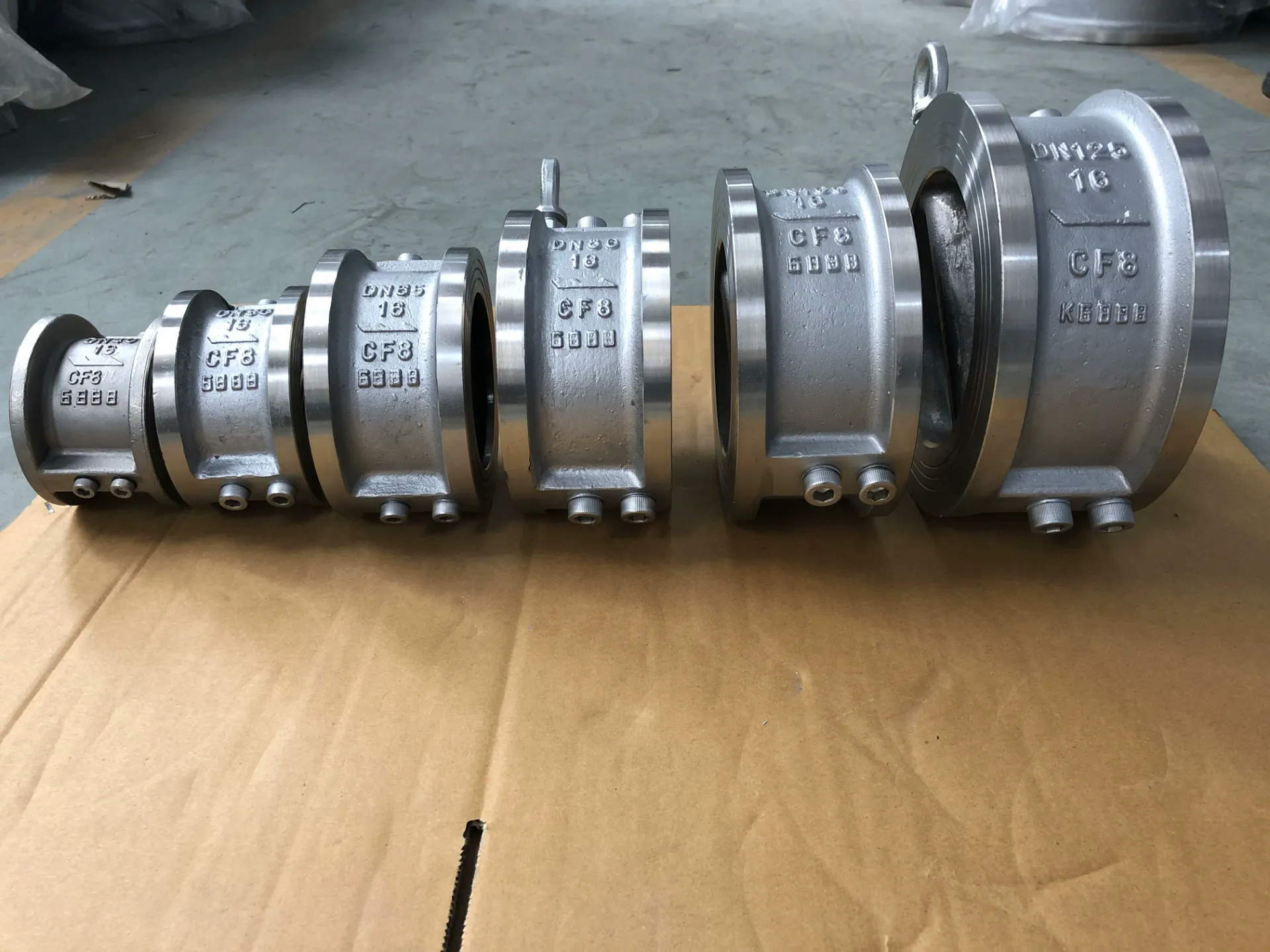
Introduction
The 3-inch china gate valve represents a critical component in fluid handling systems across diverse industries including water treatment, oil & gas, chemical processing, and HVAC. Functionally, it serves as a linear control valve, regulating flow by utilizing a gate – a flat closure element – that is lowered into the flow path to obstruct flow. Unlike other valve types (globe, ball, butterfly), gate valves primarily excel in on/off service and are not designed for throttling applications. Chinese manufacturers have become significant players in the global gate valve market, offering cost-competitive solutions. The 3-inch size is a common standard, balancing flow capacity requirements with installation practicality. Core performance characteristics revolve around achieving a leak-tight shutoff, durability under specified pressure and temperature conditions, and resistance to corrosion based on the materials of construction. A key pain point in the industry is ensuring consistent quality control in manufacturing processes to mitigate the risk of premature failure and maintain system integrity. Understanding material grades, manufacturing tolerances, and adherence to international standards are paramount for successful implementation.
Material Science & Manufacturing
Gate valves are commonly fabricated from cast iron, ductile iron, carbon steel, stainless steel (304, 316), and alloy steels. Cast iron, particularly ASTM A126 Grade B, is used for lower pressure and temperature applications due to its cost-effectiveness and good machinability. However, it's susceptible to corrosion. Ductile iron (ASTM A536) offers enhanced ductility and impact resistance. Carbon steel (ASTM A105) is suitable for moderate temperature and pressure services. Stainless steel (304/316 - ASTM A351) provides superior corrosion resistance, crucial for handling corrosive fluids. Alloy steels are used for extreme temperature and pressure requirements. The gate itself is often bronze or stainless steel to provide a smooth sealing surface.
Manufacturing involves several key steps. The valve body is created through sand casting or investment casting. Sand casting is more economical for larger volumes, while investment casting provides higher precision and smoother surfaces. After casting, the body undergoes machining to achieve precise dimensions and surface finishes for sealing. The gate is manufactured through forging or machining, followed by lapping to ensure a smooth sealing surface. Stem manufacturing involves cold drawing and machining. The assembly process requires meticulous attention to detail, including proper seating of the gate, ensuring smooth stem operation, and torquing bolts to specified values. Key parameter control includes dimensional accuracy of the gate and seat, surface roughness of sealing surfaces (typically Ra < 0.8 µm), and accurate alignment of the stem and gate. Welding procedures (SMAW, GTAW) for connecting components must be qualified to ensure structural integrity and leak-tightness, adhering to AWS D1.1 standards. Non-destructive testing (NDT) – including radiographic testing (RT), ultrasonic testing (UT), and liquid penetrant testing (PT) – is vital for quality assurance.
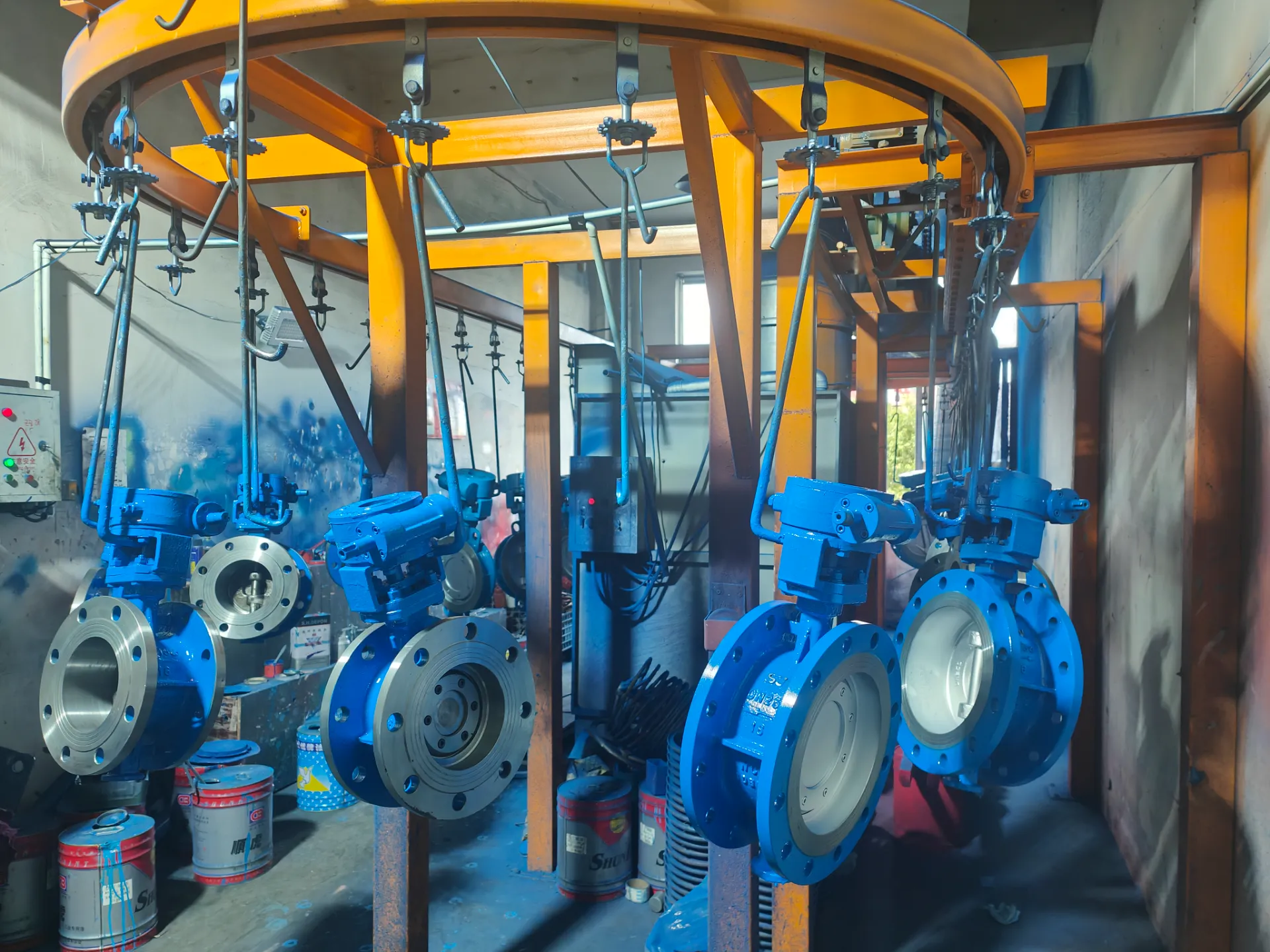
Performance & Engineering
The performance of a 3-inch gate valve is heavily dictated by its pressure-temperature rating, determined by ASME B16.34. This rating defines the maximum allowable working pressure (MAWP) at a given temperature. Force analysis focuses on the forces exerted on the gate by the fluid pressure and the torque required to operate the valve. These calculations inform the design of the stem, handwheel, and actuator (if equipped). Environmental resistance is critical; coatings like epoxy or fusion-bonded epoxy (FBE) are applied to protect against corrosion in harsh environments. Compliance requirements vary by industry and region. For potable water applications, NSF/ANSI 61 certification is essential, ensuring the valve materials do not leach harmful contaminants into the water. For oil & gas applications, API 600 provides stringent requirements for design, manufacturing, and testing. Functional implementation involves selecting the appropriate actuator type (manual handwheel, gear operator, pneumatic, electric) based on the application's torque requirements and control system integration. Proper valve sizing is critical to avoid cavitation and erosion, calculated using fluid dynamics principles and flow coefficient (Cv) values. The packing gland – which seals the stem – is a crucial component for preventing leakage; packing materials like PTFE, graphite, or compression packing are chosen based on the fluid compatibility and temperature requirements.
Technical Specifications
| Parameter | Specification | Unit | Test Standard |
|---|---|---|---|
| Nominal Diameter | 3 | inch | ASME B16.10 |
| Pressure Rating | 125 / 150 / 300 | PSI | ASME B16.34 |
| Material (Body) | Cast Iron / Ductile Iron / Carbon Steel / Stainless Steel 304/316 | - | ASTM A126 / A536 / A105 / A351 |
| Material (Gate) | Bronze / Stainless Steel 304/316 | - | ASTM B148 / A351 |
| Connection End | Flanged (RF, FF, RTJ) / Threaded / Welded | - | ASME B16.5 / ANSI B1.20.1 |
| Operating Temperature | -29°C to 121°C (depending on material) | °C | ASTM E203 |
Failure Mode & Maintenance
Common failure modes for 3-inch china gate valves include: Corrosion (particularly in cast iron valves exposed to moisture), leading to body erosion and leakage. Erosion from high-velocity fluids or abrasive particles damaging the gate and seat. Seat deformation caused by high pressure or temperature, resulting in leakage. Stem packing failure leading to stem leakage. Gate sticking due to corrosion, debris accumulation, or misalignment. Fatigue cracking in the stem or handwheel from repeated operation. Cavitation, if the valve is improperly sized and throttled.
Maintenance procedures involve: Regular inspection for signs of corrosion, leakage, or damage. Packing gland adjustment to maintain a tight seal around the stem. Lubrication of the stem threads and bearings with appropriate lubricants. Gate exercise - periodically opening and closing the valve to prevent sticking. Seat cleaning – removing debris and corrosion products from the seat. Component replacement – replacing worn or damaged parts (gate, seat, stem, packing). Preventive maintenance is crucial. Regular inspection and maintenance programs can significantly extend the valve's service life and reduce the risk of costly downtime. Failure analysis (including visual inspection, metallographic analysis, and non-destructive testing) should be conducted on failed components to identify the root cause and prevent recurrence. Proper storage is also important; valves should be stored in a dry, protected environment to prevent corrosion.
Industry FAQ
Q: What is the difference between a rising stem and non-rising stem gate valve, and which is preferable for a critical application?
A: A rising stem gate valve has a stem that extends out of the bonnet as the gate opens, providing a visual indication of valve position. Non-rising stem valves do not. For critical applications, a rising stem valve is generally preferred due to the clear indication of valve status and the reduced risk of misinterpreting its position. Rising stem designs also often provide better support for the stem, minimizing deflection under high pressure.
Q: How does the material of construction affect the valve's suitability for different fluids?
A: Material selection is paramount. Carbon steel is generally suitable for water and oil, but can corrode in harsh chemical environments. Stainless steel (304/316) offers excellent corrosion resistance for a broader range of fluids, including acids and bases. Specific fluid compatibility charts should always be consulted. For example, certain chemicals may attack even stainless steel, necessitating the use of more exotic alloys like Hastelloy.
Q: What is the significance of the valve's faceto-face dimensions?
A: Faceto-face dimensions are critical for ensuring proper fit within the pipeline. They define the distance between the valve's connection ends. These dimensions are standardized (ASME B16.10) to allow for interchangeability and compatibility with other pipeline components. Incorrect faceto-face dimensions can lead to installation problems and potential leaks.
Q: What are the common causes of gate valve leakage, and how can they be addressed?
A: Common causes include seat erosion or deformation, stem packing failure, and debris accumulation on the seat. Seat erosion can be addressed by using harder seat materials or replacing the seat. Stem packing failure requires re-tightening or replacing the packing. Debris can be removed through flushing or disassembly and cleaning. Regular inspection and maintenance can prevent many leakage issues.
Q: What is the role of Non-Destructive Testing (NDT) in ensuring the quality of a gate valve?
A: NDT methods like Radiographic Testing (RT), Ultrasonic Testing (UT), and Liquid Penetrant Testing (PT) are crucial for detecting internal flaws (cracks, porosity) and surface defects that could compromise the valve's structural integrity. RT can reveal internal flaws, UT detects subsurface cracks, and PT identifies surface cracks. These tests ensure the valve meets specified quality standards and will perform reliably under pressure.
Conclusion
The 3-inch china gate valve remains a prevalent solution for on/off flow control in numerous industrial applications. Its performance is fundamentally dependent upon the correct selection of materials, adherence to stringent manufacturing processes, and ongoing maintenance protocols. Understanding the potential failure modes – encompassing corrosion, erosion, and seat deformation – is vital for mitigating risks and ensuring long-term operational reliability.
Looking forward, increasing demands for tighter emission control and improved safety are driving innovation in gate valve design, leading to enhanced sealing technologies and materials. Continued focus on quality control within Chinese manufacturing, coupled with adherence to globally recognized standards, will be essential for maintaining competitiveness in the international market. Implementing robust preventative maintenance programs and conducting thorough failure analysis are key to maximizing the lifecycle of these critical components and minimizing overall operational costs.
-
Top Reasons to Choose a Stainless Steel Flange Check Valve for Industrial Applications
-
stop check valves Performance Analysis
-
pilot operated check valve Performance Analysis
-
spring loaded check valve Material Science Manufacturing
-
pilot operated check valves Performance Analysis
-
check valve pilot operated Performance Analysis
-
1 4 in check valve Performance Engineering
-
check valve 3 4 Performance Analysis
-
11 2 check valve Performance Analysis
-
spring check valve Material Science Manufacturing
-
DN100 Flange Performance Analysis
-
DN50 Flange Performance Analysis
-
double flanged butterfly valve Performance Analysis
-
forged flanges Performance Analysis
-
4 blind flange Performance Engineering
 Afrikaans
 Albanian
 Amharic
 Arabic
 Armenian
 Azerbaijani
 Basque
 Belarusian
 Bengali
 Bosnian
 Bulgarian
 Catalan
 Cebuano
 Corsican
 Croatian
 Czech
Czech
 Danish
 Dutch
Dutch
 Esperanto
 Estonian
 Finnish
 French
 Frisian
 Galician
 Georgian
 German
 Greek
Greek
 Gujarati
 Haitian Creole
 Hausa
Hawaiian
Hausa
Hawaiian
 Hebrew
 Hindi
Hindi
 Miao
Miao
 Hungarian
 Icelandic
 Igbo
Igbo
 Indonesian
 Irish
Irish
 Italian
 Japanese
 Javanese
Kannada
Javanese
Kannada
 Kazakh
 Khmer
Khmer
 Rwandese
 Korean
 Kurdish
 Kyrgyz
 Lao
Lao
 Latin
Latin
 Latvian
 Lithuanian
 Luxembourgish
 Macedonian
 Malgashi
 Malay
Malay
 Malayalam
 Maltese
 Maori
Maori
 Marathi
 Mongolian
 Myanmar
 Nepali
 Norwegian
 Norwegian
 Occitan
 Pashto
 Persian
 Polish
 Portuguese
Punjabi
Portuguese
Punjabi
 Romanian
 Russian
 Samoan
 Scottish Gaelic
 Serbian
 Sesotho
 Shona
Shona
 Sindhi
 Sinhala
 Slovak
 Slovenian
 Somali
 Spanish
 Sundanese
 Swahili
 Swedish
Tagalog
Swedish
Tagalog
 Tajik
Tajik
 Tamil
Tamil
 Tatar
Tatar
 Telugu
 Thai
Thai
 Turkish
 Turkmen
 Ukrainian
 Urdu
Urdu
 Uighur
 Uzbek
Uzbek
 Vietnamese
 Welsh
Welsh
 Bantu
Bantu
 Yiddish
 Yoruba
 Zulu
Zulu
 English