




china instrument needle valve Performance Analysis
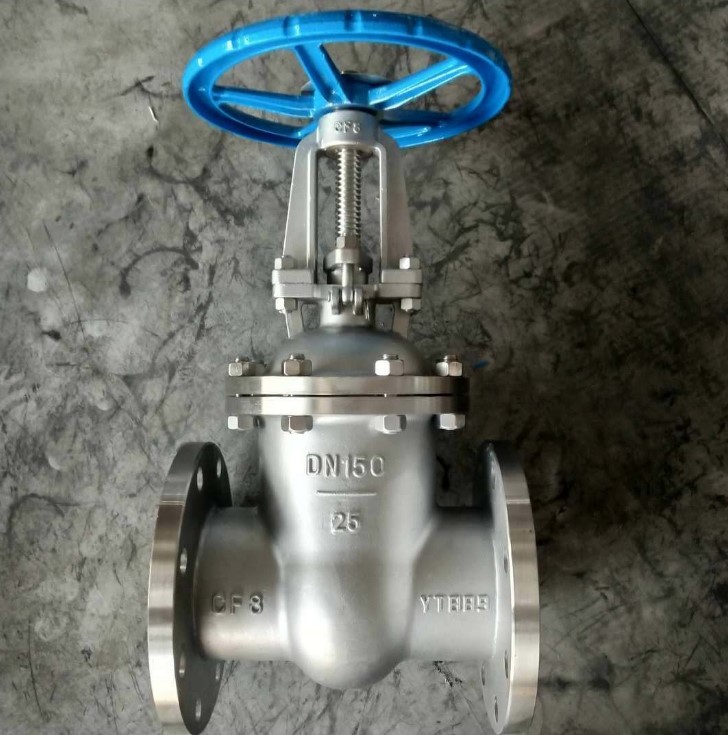
Introduction
China instrument needle valves are precision flow control devices utilized extensively in process instrumentation, chemical processing, oil and gas, and analytical systems. Positioned as a critical component within the broader control valve family, these valves regulate fluid flow rates with high accuracy and reliability. Unlike other valve types focusing on on/off or large-scale throttling, needle valves excel in fine adjustments, typically used for precise metering of gases and liquids. Their design centers around a tapered needle and seat, providing a gradual, linear flow characteristic. Core performance metrics include flow coefficient (Cv), pressure drop, leak tightness, and material compatibility with the process fluid. The increasing demand for precise control in modern industrial automation is driving continued innovation in needle valve design, particularly regarding materials, sealing technologies, and integration with smart instrumentation.
Material Science & Manufacturing
The body material of a china instrument needle valve significantly influences its performance and compatibility. Common materials include 304/316 stainless steel (for general corrosive resistance), Alloy 20 (superior resistance to sulfuric acid), Hastelloy C-276 (exceptional resistance to a broad range of corrosive media), and Monel 400 (high strength and resistance to seawater). The needle and seat, critical for sealing, are frequently constructed from hardened stainless steel, PTFE (Teflon), PEEK, or Kalrez, depending on temperature, pressure, and chemical compatibility requirements. Manufacturing typically involves CNC machining for the valve body, ensuring dimensional accuracy and smooth internal surfaces to minimize flow restriction. The needle is precision-ground to achieve a tight, leak-proof seal. Seat materials are often molded or machined to provide a consistent sealing surface. A critical process parameter is surface finish (Ra value) on the needle and seat, directly affecting leak tightness. Welding processes, where applicable (e.g., for certain end connections), must be conducted under controlled atmospheres to prevent oxidation and maintain material integrity. Quality control includes hydrostatic testing, pneumatic testing, and dye penetrant inspection to verify leak tightness and structural integrity.
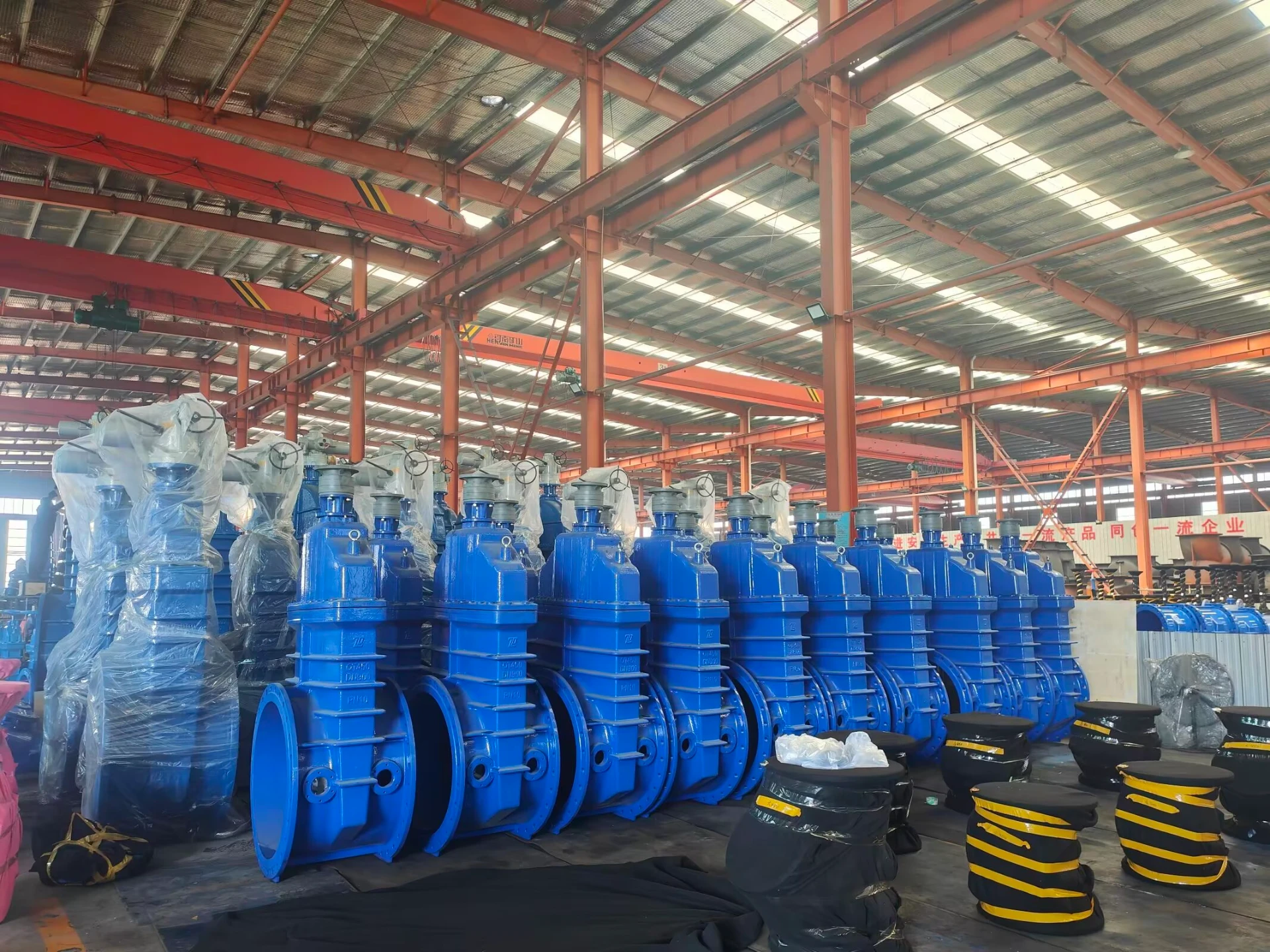
Performance & Engineering
Performance analysis of needle valves centers around understanding flow characteristics and pressure drop. Flow is typically laminar at lower flow rates, transitioning to turbulent as flow increases. The tapered design promotes a linear relationship between valve opening and flow rate, crucial for precise control. Engineering considerations include the valve's Cv (flow coefficient), which quantifies the valve’s ability to pass fluid. Cv is directly related to the valve’s internal geometry and pressure drop. Force analysis is essential during design to ensure the handle or actuator can overcome friction and provide smooth operation. Environmental resistance is a key consideration; exposure to extreme temperatures, humidity, or vibration can affect valve performance and lifespan. Compliance requirements vary by industry and application. For example, valves used in food and beverage processing must comply with 3-A Sanitary Standards. Valves used in hazardous locations (explosive atmospheres) must be certified to ATEX or IECEx standards. Furthermore, the valve’s response time (time to reach a desired flow rate) is a critical performance parameter, particularly in dynamic control systems. The selection of appropriate stem packing materials (e.g., PTFE, graphite) is crucial to minimize stem leakage and maintain consistent performance over time.
Technical Specifications
| Parameter | Unit | Specification (Typical) | Material Grade |
|---|---|---|---|
| Maximum Operating Pressure | bar | Up to 1000 | 316 Stainless Steel |
| Temperature Range | °C | -60 to +400 | PTFE/316 SS |
| Cv Value (Water at 20°C) | m³/h | 0.01 - 1.5 (dependent on size) | Variable |
| Leakage Rate (Bubble Tight) | sccm (Air) | < 0.1 | PTFE Seat |
| Connection Type | - | NPT, BSPT, Socket Weld, Flange | Variable |
| Orifice Size | mm | 0.8 - 6.35 | Variable |
Failure Mode & Maintenance
Common failure modes in china instrument needle valves include seat erosion (caused by abrasive fluids or particulate matter), stem packing leakage (due to wear or degradation of packing material), needle scoring (resulting from improper operation or contamination), and body corrosion (due to incompatible materials). Fatigue cracking can occur in the stem under cyclical loading. Delamination of PTFE seats can lead to leakage. Oxidation of stainless steel components at high temperatures can reduce corrosion resistance. Regular maintenance is crucial to prevent these failures. This includes periodic inspection of the stem packing and replacement if necessary. Flushing the valve with a compatible solvent can remove particulate matter and prevent seat erosion. Lubricating the stem (with a compatible lubricant) can reduce friction and improve operation. For valves exposed to corrosive environments, regular inspection for corrosion is essential. Leak testing should be performed periodically to verify seal integrity. Replacement of the entire valve may be necessary if significant corrosion or damage is detected. Proper valve operation—avoiding over-tightening or forceful closure—is paramount to maximizing lifespan and preventing premature failure.
Industry FAQ
Q: What is the primary difference between a needle valve and a ball valve in terms of control precision?
A: Ball valves are typically used for on/off or coarse throttling applications due to their quarter-turn operation and relatively large flow path. Needle valves, with their tapered design, provide significantly more precise control, enabling fine adjustments of flow rates. The linear flow characteristic of a needle valve makes it ideal for metering applications where accuracy is critical.
Q: How does material selection impact the lifespan of a needle valve in a corrosive environment?
A: Material selection is paramount. Using a valve body constructed from a material incompatible with the process fluid will lead to rapid corrosion and failure. Stainless steels (304, 316) offer general corrosion resistance, but more aggressive fluids may require Alloy 20, Hastelloy, or Monel. Furthermore, the seat material must also be chemically compatible.
Q: What is the significance of the Cv value when selecting a needle valve?
A: The Cv value is a crucial parameter that indicates the valve’s flow capacity. It allows engineers to determine if the valve can deliver the required flow rate at a specific pressure drop. An undersized valve will restrict flow, while an oversized valve may be difficult to control accurately.
Q: What are the potential consequences of over-tightening a needle valve?
A: Over-tightening can damage the needle and seat, leading to leakage and potentially rendering the valve unusable. It can also score the needle surface, accelerating wear and reducing sealing effectiveness. Gentle, controlled operation is always recommended.
Q: What certifications should I look for in a needle valve intended for use in a hazardous area?
A: For hazardous area applications, look for certifications such as ATEX (Europe) or IECEx (International). These certifications demonstrate that the valve has been tested and approved for use in environments with potentially explosive atmospheres. Compliance with these standards ensures safety and prevents ignition hazards.
Conclusion
China instrument needle valves represent a vital component in a wide array of industrial processes demanding precise fluid control. Their inherent design, coupled with careful material selection and manufacturing techniques, allows for accurate flow regulation in challenging environments. Understanding the interplay between material properties, performance characteristics, and potential failure modes is critical for ensuring long-term reliability and operational efficiency.
Future trends in needle valve technology will likely focus on the integration of smart sensors and actuators, enabling remote monitoring, automated control, and predictive maintenance capabilities. Furthermore, advancements in materials science will drive the development of valves capable of withstanding even more extreme temperatures and corrosive conditions, expanding their application range and contributing to enhanced process safety and optimization.
-
Top Reasons to Choose a Stainless Steel Flange Check Valve for Industrial Applications
-
Flanged Elbow Performance Analysis
-
3 bolt flange bearings Performance Analysis
-
elbow with flange Performance Analysis
-
Elbow Flanges Performance Analysis
-
flanged check valves Performance Analysis
-
Flange Square Performance Analysis
-
flanged butterfly valve Performance Analysis
-
flanged gate valve Material Science Manufacturing
-
Pinion Flange Performance Analysis
-
Precision flange Performance Analysis
-
Stub End Flange Performance Analysis
-
Turbo Exhaust Flange Material Analysis
-
Shaft collar flange Performance Analysis
-
butterfly valve flanged Performance Analysis
 Afrikaans
 Albanian
 Amharic
 Arabic
 Armenian
 Azerbaijani
 Basque
 Belarusian
 Bengali
 Bosnian
 Bulgarian
 Catalan
 Cebuano
 Corsican
 Croatian
 Czech
Czech
 Danish
 Dutch
Dutch
 Esperanto
 Estonian
 Finnish
 French
 Frisian
 Galician
 Georgian
 German
 Greek
Greek
 Gujarati
 Haitian Creole
 Hausa
Hawaiian
Hausa
Hawaiian
 Hebrew
 Hindi
Hindi
 Miao
Miao
 Hungarian
 Icelandic
 Igbo
Igbo
 Indonesian
 Irish
Irish
 Italian
 Japanese
 Javanese
Kannada
Javanese
Kannada
 Kazakh
 Khmer
Khmer
 Rwandese
 Korean
 Kurdish
 Kyrgyz
 Lao
Lao
 Latin
Latin
 Latvian
 Lithuanian
 Luxembourgish
 Macedonian
 Malgashi
 Malay
Malay
 Malayalam
 Maltese
 Maori
Maori
 Marathi
 Mongolian
 Myanmar
 Nepali
 Norwegian
 Norwegian
 Occitan
 Pashto
 Persian
 Polish
 Portuguese
Punjabi
Portuguese
Punjabi
 Romanian
 Russian
 Samoan
 Scottish Gaelic
 Serbian
 Sesotho
 Shona
Shona
 Sindhi
 Sinhala
 Slovak
 Slovenian
 Somali
 Spanish
 Sundanese
 Swahili
 Swedish
Tagalog
Swedish
Tagalog
 Tajik
Tajik
 Tamil
Tamil
 Tatar
Tatar
 Telugu
 Thai
Thai
 Turkish
 Turkmen
 Ukrainian
 Urdu
Urdu
 Uighur
 Uzbek
Uzbek
 Vietnamese
 Welsh
Welsh
 Bantu
Bantu
 Yiddish
 Yoruba
 Zulu
Zulu
 English